How to hire a roof contractor in Woodland Hills: confirm an active C-39 roofing license on the Contractors State License Board site, get a written, itemized proposal, make sure the contractor pulls the LADBS permit, and ask how the new roof will meet the Class A fire rule in the Very High fire zones and the cool-roof rule for climate zone 9. This guide walks through each check, the process from first call to final inspection, and the materials that suit the Valley. To have your roof looked at, call NEMA Roofing at 818-528-6412.
What a Full-Service Roof Contractor Actually Does
Many homeowners think of roofing contractors only when something breaks. In reality, a qualified contractor covers the full lifecycle of your roof, from routine maintenance and inspections through emergency repairs and complete replacements.
At NEMA Roofing, the service scope includes:
- Roof inspections, identifying issues before they become expensive failures
- Roof repair, targeted fixes for leaks, damaged flashing, cracked tiles, and more
- Emergency roof repairs, rapid response when a storm or fallen branch causes immediate damage
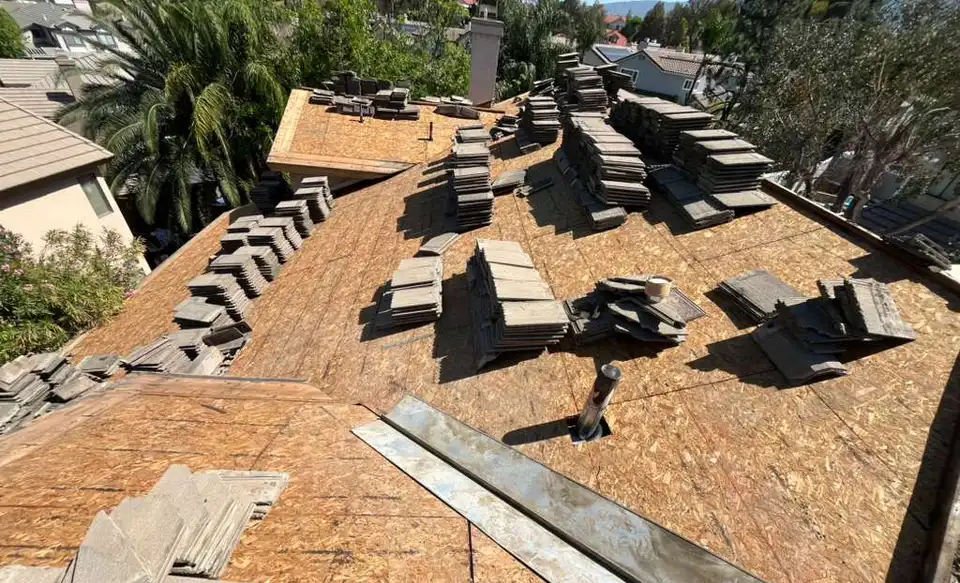
- Roof replacement and re-shingling, full tear-off and installation when repair is no longer cost-effective
- Flat and commercial roofing, specialized systems for low-slope and commercial structures
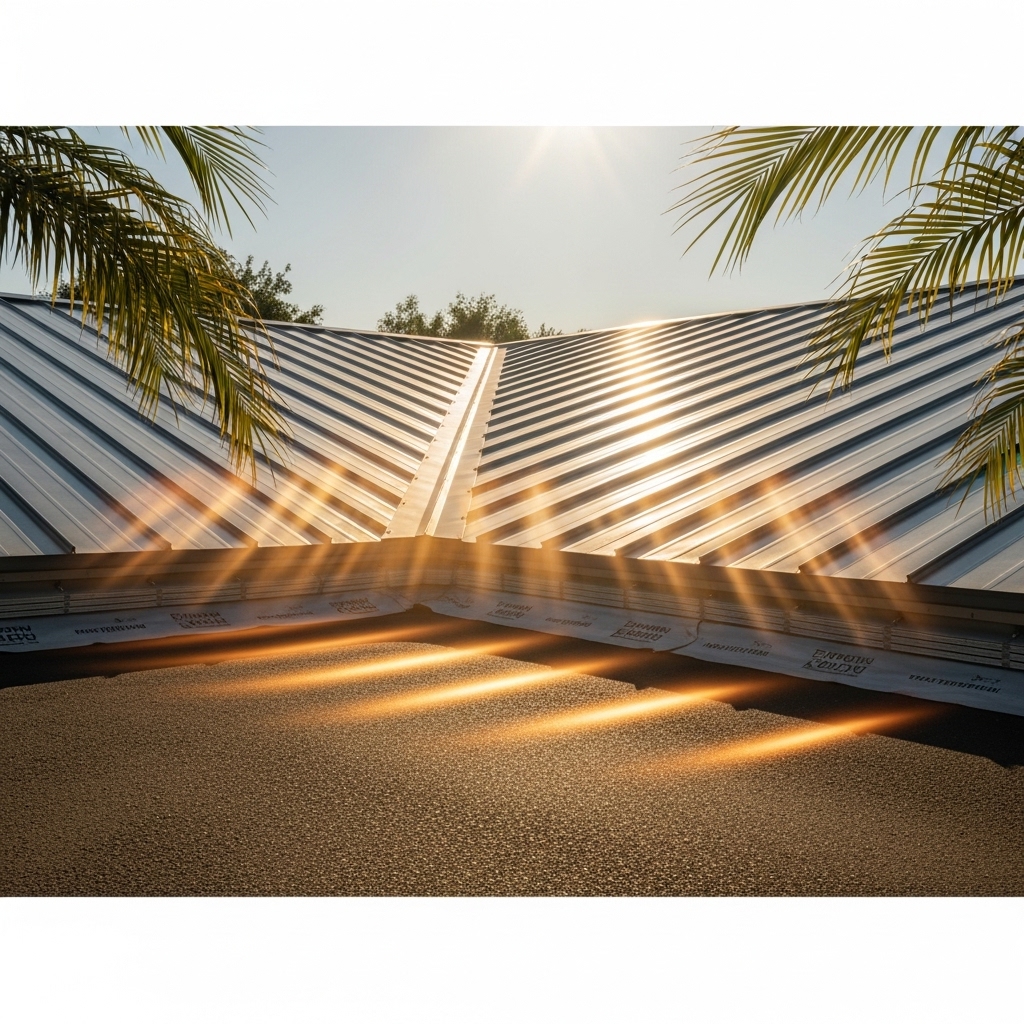
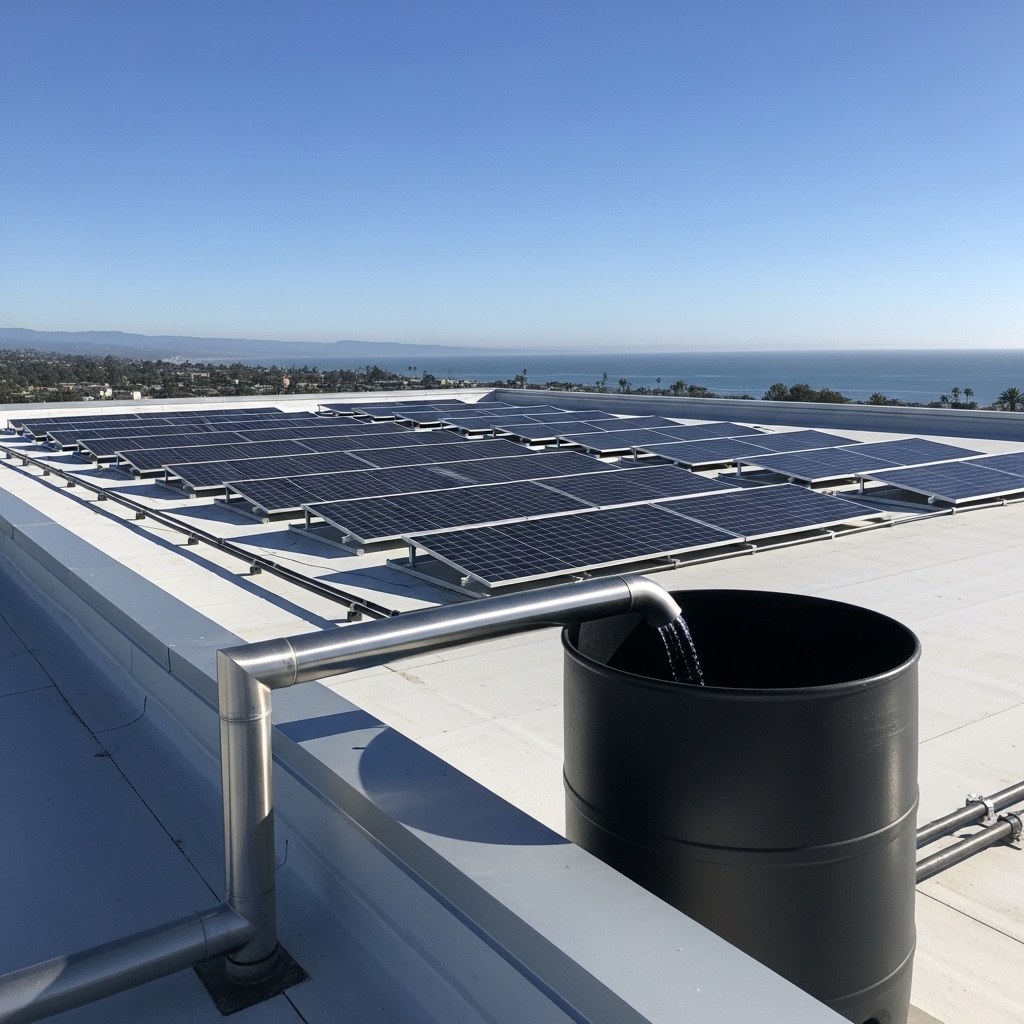
- Cool roofing, reflective materials that reduce heat gain in Southern California’s sun
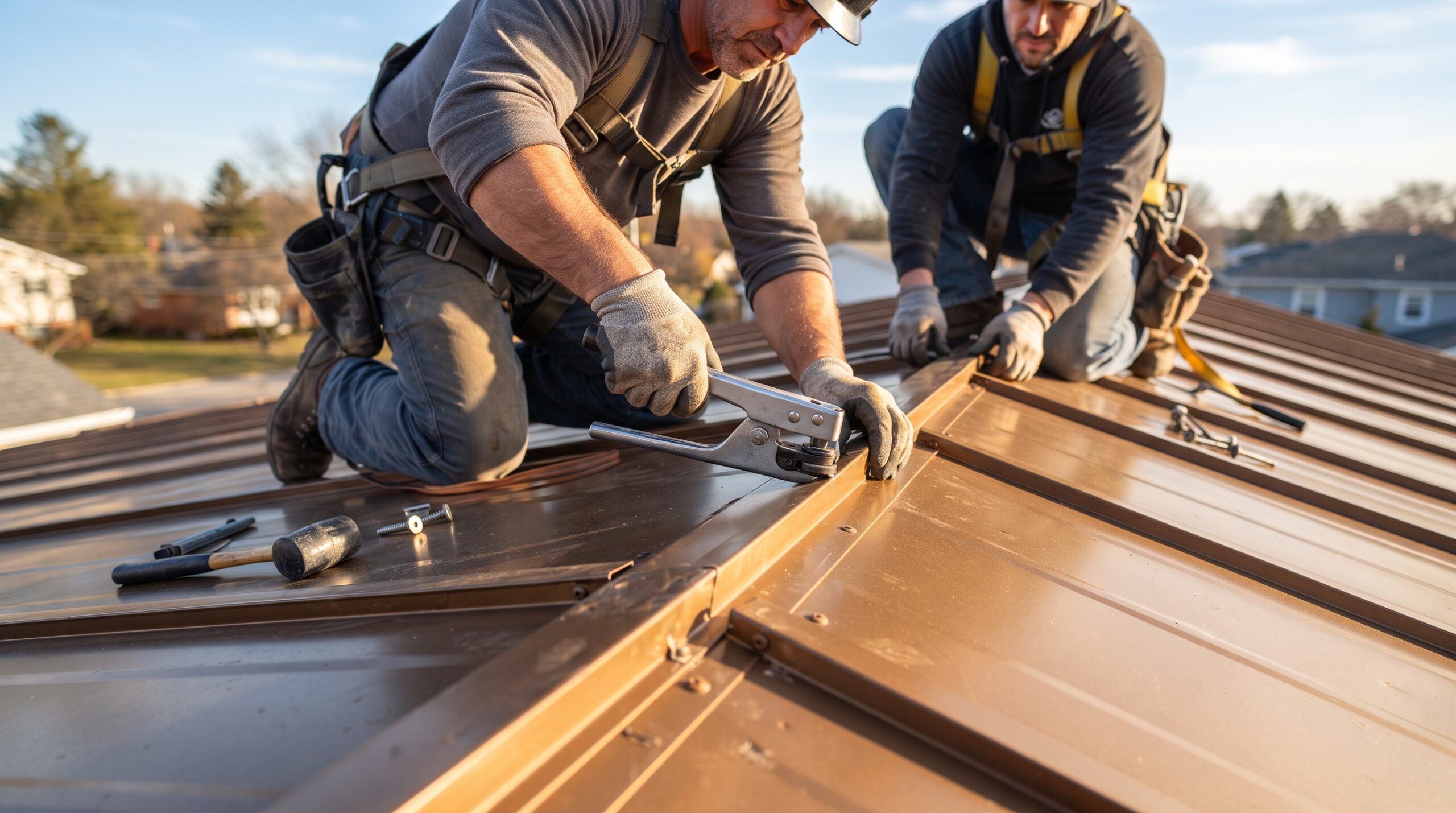
- Metal roofing, durable, long-lifespan systems suited to the region’s fire-risk environment
- Green and eco-friendly roofing, sustainable options that align with California’s energy goals
- Roof maintenance, scheduled upkeep to extend the life of any roofing system
When you work with a contractor who handles all of these, you avoid the coordination headaches that come with hiring multiple specialists, and you get consistent documentation of your roof’s history over time.
Woodland Hills Roofing: Why the Local Climate Changes Everything
Woodland Hills sits in one of the hottest pockets of the San Fernando Valley. Summer temperatures regularly push past 100°F, UV exposure is intense year-round, and parts of the community lie in a Very High Fire Hazard Severity Zone mapped by CAL FIRE. That combination shapes every roofing decision a homeowner should make here.
About six in ten Woodland Hills homes were built between 1940 and 1979, according to Census estimates, and many of these older homes have original or once-replaced roofs that were not designed with today’s fire codes or energy standards in mind. Title 24, California’s building energy code, now requires cool-roof compliance on re-roofing projects above a certain scope, so a simple shingle swap can trigger code requirements your contractor must understand and meet.
The Santa Ana wind events that sweep through the Valley each fall and winter add another layer of risk. High-velocity, low-humidity winds can lift improperly fastened shingles, force water under flashing, and deposit debris that accelerates wear. A local contractor who has worked through multiple Santa Ana seasons understands these failure points in a way that a generalist from outside the region may not. For a closer look at how the Valley’s conditions affect your specific roof type, see our guide to cool roofing options in Woodland Hills.
How to Evaluate a Roof Contractor: A Side-by-Side Comparison
Not every roofing company operating in the San Fernando Valley brings the same credentials or process to the job. Use the table below as a practical checklist when you’re comparing your options.
| Evaluation Factor | What to Look For | Red Flag |
|---|---|---|
| California Contractor’s License | Active C-39 Roofing license, verifiable on CSLB website | No license number provided, or license in a different classification |
| Insurance | General liability + workers’ compensation certificates on request | Verbal assurances only, no documentation |
| Written Estimate | Itemized scope, materials specified by brand/grade, timeline | Verbal quote only, or a single lump-sum with no breakdown |
| Local Experience | Documented work in Woodland Hills, West Hills, Calabasas, or adjacent communities | No local references or unfamiliar with CAL FIRE zone requirements |
| Permit Handling | Contractor pulls required permits and schedules inspections | Suggests skipping permits to save time or money |
| Warranty Structure | Separate manufacturer warranty (materials) and workmanship warranty (labor) | Only a manufacturer warranty with no contractor workmanship guarantee |
| Cleanup and Disposal | Debris removal and nail sweep included in scope | Disposal listed as an add-on or not mentioned at all |
| Communication | Single point of contact, responds within one business day | Difficult to reach after the estimate is signed |
If you want it handled correctly the first time, consider professional roof contractor in Woodland Hills.
If a contractor hesitates on any of the items in the left column, that hesitation tells you something important before any work begins.
The Roofing Process: What to Expect from First Call to Final Inspection
Understanding the typical workflow helps you hold any contractor accountable and avoid surprises.
Step 1: Inspection and Assessment
A thorough inspection comes before any proposal. A qualified contractor will examine the field of the roof, all penetrations (vents, skylights, chimneys), flashing at walls and valleys, the condition of gutters and fascia, and, where accessible, the attic for signs of moisture intrusion or inadequate ventilation. For a detailed breakdown of what that process covers, the Woodland Hills roof inspection checklist walks through each checkpoint a professional should hit.
Step 2: Written Proposal
The estimate you receive should specify the roofing system by manufacturer and product line, the underlayment type, the fastening pattern, how existing materials will be handled (overlay vs. full tear-off), and the projected timeline. California law requires home improvement contracts above a certain dollar threshold to be in writing; your contractor should produce this automatically, not only when asked.
Step 3: Permits and HOA Approval
Most re-roofing projects in Los Angeles County require a building permit. If your property falls within a homeowners association, exterior material changes typically need HOA approval before work begins. Requirements vary by jurisdiction and project scope, so confirm with your contractor and, when in doubt, check directly with the City of Los Angeles Department of Building and Safety or your HOA’s CC&Rs.
Step 4: Installation
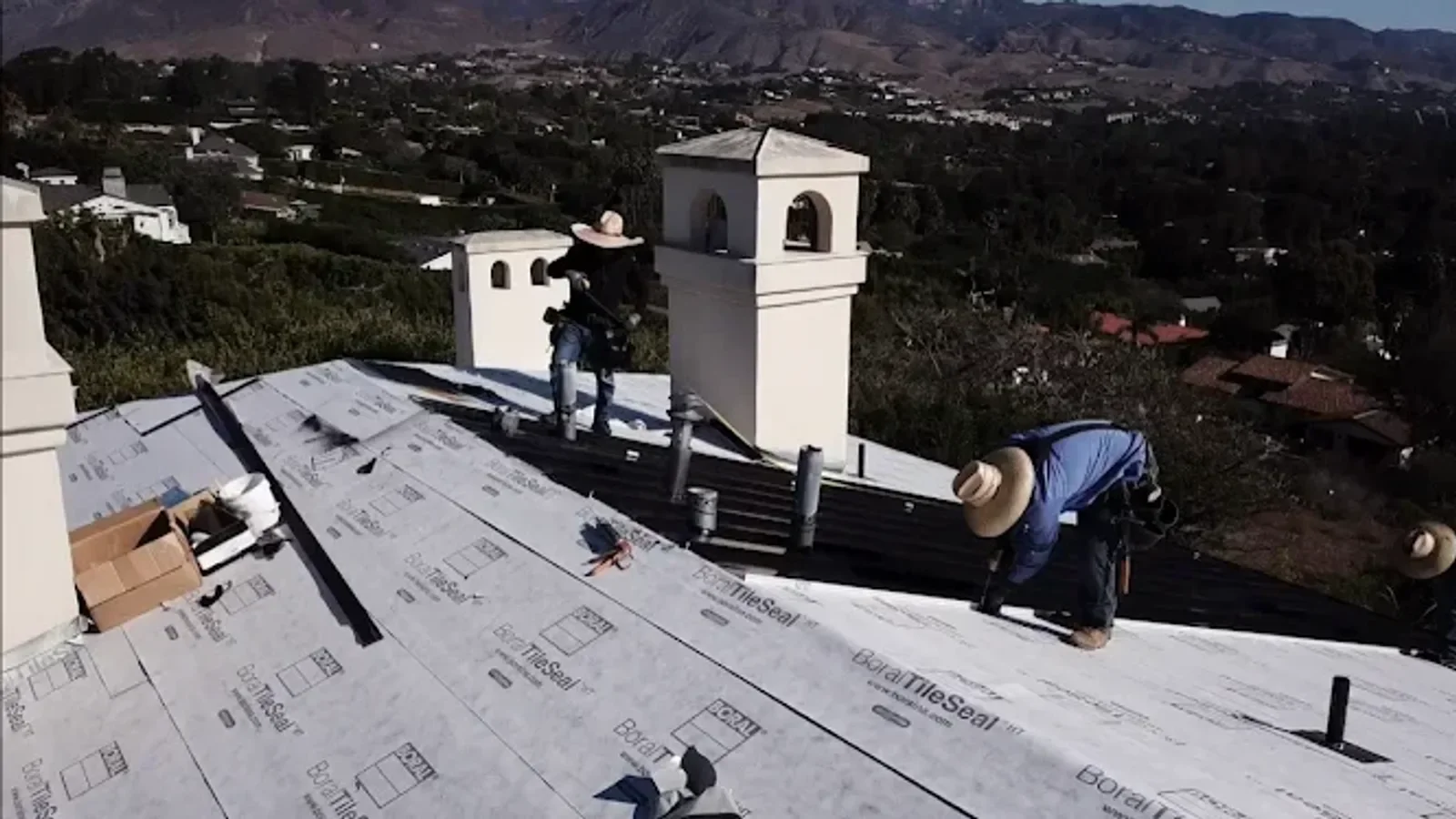
On the day work begins, the crew should protect your landscaping and driveway, establish a debris drop zone, and follow manufacturer installation specifications to maintain warranty validity. For tile and shingle systems, proper nail pattern and overlap dimensions are not suggestions; they are warranty conditions.
Step 5: Final Inspection and Cleanup
After installation, a reputable contractor walks the completed roof with you, documents the finished work, and performs a magnetic nail sweep of the yard. The permit inspection (where required) closes out the permit record, which matters when you sell the home.
Repair vs. Replacement: Making the Right Call in Woodland Hills
One of the most common questions homeowners ask is whether their roof needs a full replacement or whether targeted repairs will suffice. There is no universal answer, but several factors consistently point toward replacement over repair:
- The existing roofing system is at or past its expected service life (the National Association of Home Builders puts asphalt shingles at about 20 years; tile and metal last longer)
- Wear, cracking or granule loss across a large share of the roof surface, not just one slope
- Multiple leaks have appeared in different locations over a short period
- The deck (sheathing) beneath the surface shows rot or structural damage
- Energy bills have risen noticeably and attic temperatures are extreme, a sign the roofing system is no longer performing
Many Woodland Hills homeowners rely on expert roof contractor in Woodland Hills for exactly this.
When the damage is isolated (a few cracked tiles after a windstorm, a single failed flashing at a pipe boot, a small section of lifted shingles), repair is usually the right starting point. The key is getting an honest assessment from a contractor who is not financially motivated to recommend the more expensive option by default.
For a deeper look at what drives the cost of each path, our breakdown of roof replacement cost factors in Woodland Hills covers the variables that affect your investment most.
Emergency Roof Situations: What Woodland Hills Homeowners Should Know
A sudden leak during a rainstorm or damage from a fallen tree limb requires a different kind of response than a routine repair. Emergency situations call for immediate action to prevent water from reaching insulation, drywall, and structural framing.
If you are dealing with active water intrusion right now, the emergency roof leak steps for Woodland Hills outlines what you can safely do while waiting for a professional to arrive. The short version: contain water with buckets and towels, document the damage with photos for your insurance claim, and avoid going onto the roof yourself, especially on wet or steep surfaces.
NEMA Roofing offers emergency roof repair services for situations that cannot wait for a standard appointment. Temporary weatherproofing (tarping, emergency patching) can protect your home while permanent repairs are scheduled. Ready to get someone out quickly? Contact our team to describe your situation and we will prioritize accordingly.
Roofing Materials Suited to the San Fernando Valley
Material selection matters more in Woodland Hills than in many other California markets, given the fire exposure, heat load, and wind conditions. Here is a practical overview of the systems NEMA Roofing installs and maintains:
Concrete and Clay Tile
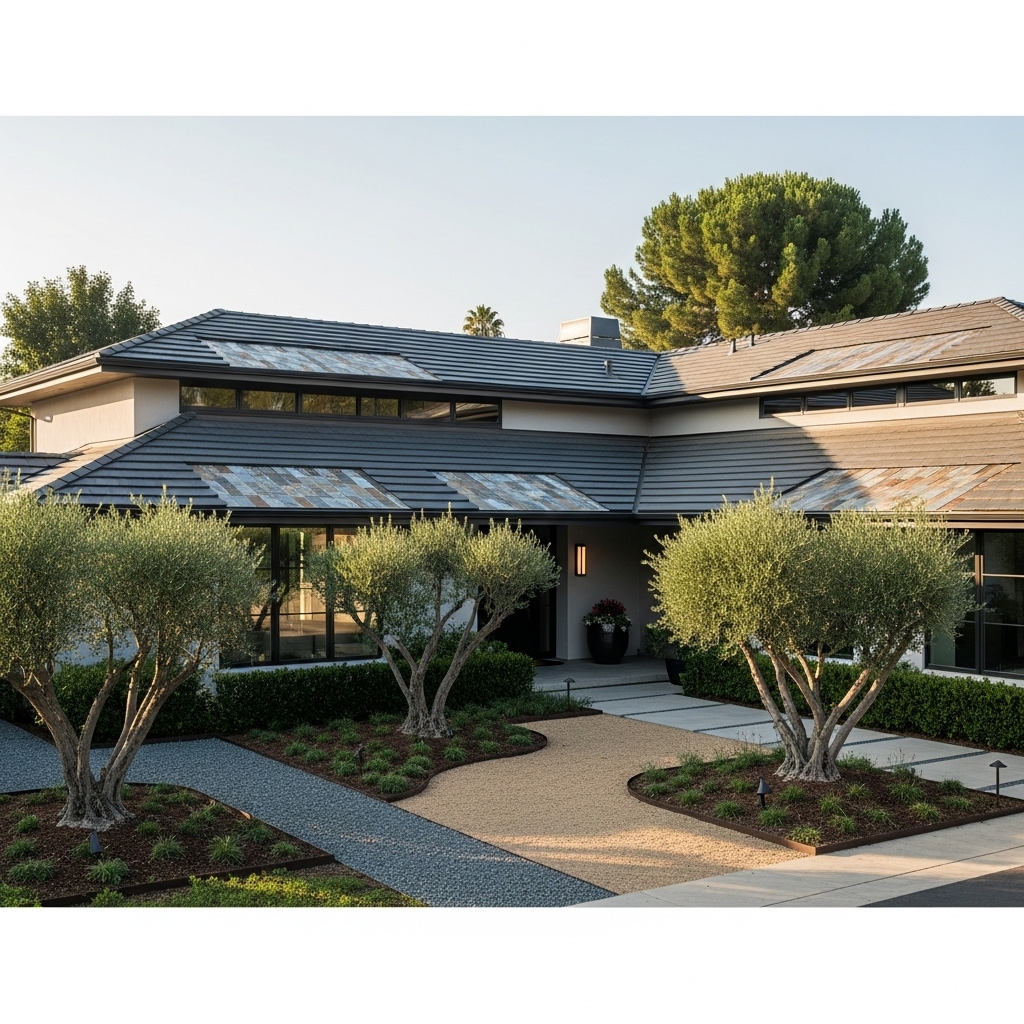
The dominant roofing material on mid-century and newer homes throughout the Valley. Tile is fire-resistant, durable, and well-suited to the Mediterranean climate. It is also heavy, which means the roof deck and framing must be engineered to support it. Repairs require matching the existing tile profile and color, which can be a challenge on discontinued product lines.
Asphalt Shingles
Common on older tract homes and more budget-accessible than tile. For Woodland Hills, Class A fire-rated shingles are the appropriate choice given the fire-hazard zone designation. Cool-roof rated shingles with higher solar reflectance are increasingly required under Title 24 for re-roofing projects.
Metal Roofing
Standing-seam and metal shingle systems offer a long service life, excellent fire resistance, and good performance under high heat. With a factory cool-color finish, metal can meet the reflectance values Woodland Hills reroofs call for, which suits the area’s cooling demands. The upfront investment is higher than asphalt, but the long-term cost picture often looks different when factoring in longevity and reduced maintenance.
Flat and Low-Slope Systems
Common on mid-century modern homes and commercial buildings throughout the area. Modified bitumen, TPO, and similar membrane systems require specific installation expertise and regular maintenance to perform well. Ponding water is the primary enemy of flat roofs, so proper drainage design is as important as the membrane itself.
Ready for the next step? Learn how roof contractor services in Woodland Hills can help and reach out to the team.
Cool Roofing Systems
Designed to reflect more sunlight and absorb less heat than standard materials, cool roofing can meaningfully reduce attic temperatures and air conditioning load in a climate like Woodland Hills. Learn more about the specific benefits of cool roofing for Valley homes and whether the system makes sense for your structure.
Frequently Asked Questions
How do I know if my Woodland Hills roof needs repair or full replacement?
The best starting point is a professional inspection. A contractor will assess the age of the system, the extent of surface wear, the condition of the underlying deck, and whether the damage is isolated or widespread. If leaks are appearing in multiple locations or the system is past its expected service life, replacement is often more cost-effective than repeated repairs.
Does NEMA Roofing handle both residential and commercial properties?
Yes. NEMA Roofing works on residential homes, multi-family buildings, and commercial structures throughout Woodland Hills and the surrounding San Fernando Valley communities. Commercial flat roofing and residential tile, shingle, and metal systems are all within scope.
Do I need a permit for a roof replacement in Los Angeles County?
In most cases, yes. A full re-roof typically requires a building permit from the relevant jurisdiction, and the finished work must pass a final inspection. Requirements can vary based on project scope and location, so confirm with your contractor and check with the City of Los Angeles Department of Building and Safety or the appropriate local authority. A reputable contractor will handle the permit process as part of the project.
What should I do if my roof is leaking during a rainstorm right now?
Contain the water with buckets and absorbent materials, move valuables and electronics away from the affected area, and photograph everything for your insurance documentation. Avoid going onto the roof yourself during wet conditions. Call a roofing contractor that offers emergency services so temporary weatherproofing can be applied as quickly as possible. See our emergency roof leak guide for a full step-by-step.
How long does a roof replacement typically take in Woodland Hills?
It depends on the roof’s size and shape, whether the old roof comes off, how much deck repair the tear-off reveals, the permit inspections and the weather. Larger homes, complex roof geometries and structural deck repairs all add time. Your contractor should provide a projected timeline in the written proposal before work begins.
What factors affect the cost of roofing work?
Material type and grade, roof size and pitch, the number of layers being removed, the condition of the underlying deck, accessibility of the structure, and any code-compliance upgrades required (such as a rated cool roof product) all influence the final scope. For a detailed look at what drives replacement costs specifically, the Woodland Hills replacement cost guide covers each variable in depth.
Ready to Talk to a Woodland Hills Roof Contractor?
Whether you are dealing with an active leak, planning ahead for a replacement, or simply want a professional set of eyes on a roof you have not had inspected in several years, NEMA Roofing counts Woodland Hills among its six locations, alongside Santa Barbara, Oxnard, Tarzana, Downey and San Bernardino, and covers every community in Los Angeles, Ventura, Santa Barbara, Riverside and San Bernardino counties (all service areas). Our team understands the local fire codes, Title 24 requirements, and the specific wear patterns that the Valley’s climate creates on every roofing system.
For a complete overview of every service we offer, visit our roofing contractor services page or the Woodland Hills roofing page. Or, if you are ready to schedule an inspection or get an estimate, reach out through our contact page or call NEMA Roofing at 818-528-6412. The sooner a professional looks at your roof, the more options you have before a small problem becomes a large one.