A roof inspection checklist for Woodland Hills covers six areas: the roof surface, the flashing and penetrations, the attic, the gutters and drainage, the local risks (Santa Ana wind damage, sun wear on south and west slopes, ember debris in fire season, and the Class A and cool-roof rules for a reroof), and the signs that mean it is time for a professional. Most of it can be done from the ground with binoculars and from the attic hatch. For a professional roof inspection, call NEMA Roofing at 818-528-6412.
Exterior Surface Checklist
- Scan each roof plane from the ground using binoculars before setting foot on a ladder.
- Look for shingles that are curling at the edges or cupping upward at the center.
- Identify any shingles with missing, cracked, or visibly thin granule coverage.
- Check for dark streaking or discoloration that may indicate algae or moisture tracking.
- Note any shingles that appear to be lifting, buckling, or sitting unevenly relative to neighbors.
- Spot bald patches where granules have worn away, exposing the asphalt mat underneath.
- Confirm no shingles are missing entirely, especially along ridges and hips where wind pressure is highest.
- Assess the ridge cap for cracking, separation, or gaps in the mortar if a hip-and-ridge cap is used.
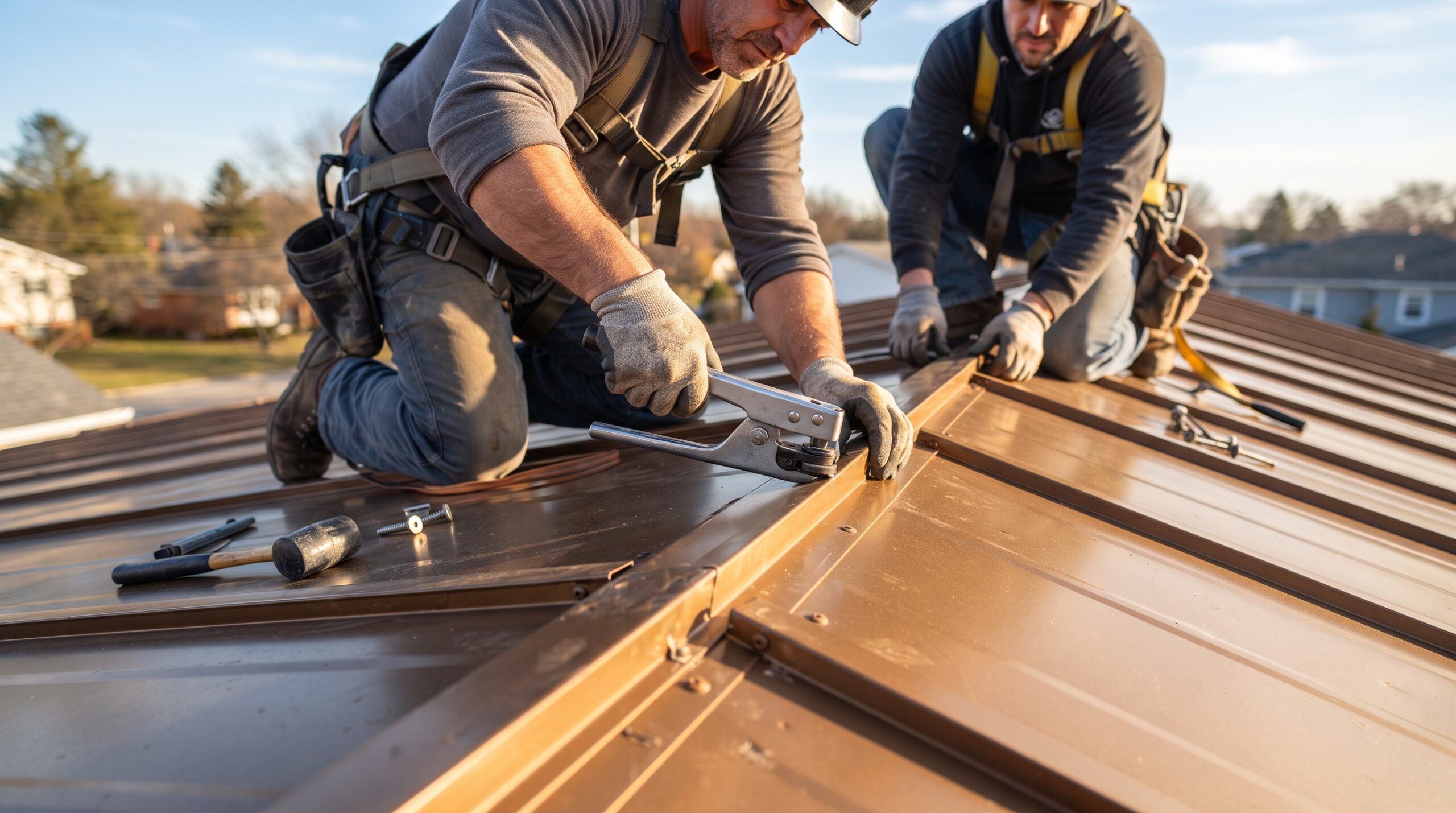
If your roof uses flat or low-slope membrane materials, substitute the shingle items above with checks for bubbling, membrane separation at seams, and pooled water marks. For metal roofing, look for panel corrosion, loose fasteners, and sealant failure at overlaps. Our Woodland Hills roof contractor guide covers material-specific inspection points in greater detail.
Flashing and Penetration Checklist
- Inspect step flashing along every wall-to-roof transition for lifted edges or rust staining.
- Check counter-flashing embedded in chimney mortar joints for cracks or separation.
- Examine pipe boot flashings around all plumbing vents; look for cracked rubber collars or gaps at the base.
- Verify skylight curb flashing is fully sealed on all four sides with no visible daylight at corners.
- Look at valley flashing (open or closed) for debris buildup, rust, or torn underlayment exposure.
- Confirm that any HVAC curb or solar mounting penetration has intact sealant with no cracking or shrinkage.
- Check drip edge along eaves and rakes to confirm it is secured and not pulling away from the fascia.
Flashing failures are among the most common sources of interior water intrusion in Woodland Hills homes. A single lifted step flashing can channel rainwater directly into wall cavities during the brief but intense storms the valley receives each winter. If any item on this list raises concern, it is worth scheduling a professional assessment rather than waiting for a leak to appear indoors.
If you want it handled correctly the first time, consider professional roof contractor in Woodland Hills.
Attic and Interior Checklist
- Enter the attic on a sunny day and look for any pinpoints of daylight coming through the deck.
- Scan the underside of the roof deck for dark staining, soft spots, or active moisture beading.
- Check rafter tails and ridge board for signs of rot, discoloration, or insect damage.
- Verify that soffit vents are open and unobstructed by insulation or debris.
- Confirm ridge vents or power ventilators are functioning and not blocked by nesting material.
- Measure attic temperature on a hot afternoon if possible; extreme heat buildup accelerates shingle aging from the underside.
- Inspect any attic insulation near the eaves for moisture compression, which indicates condensation or a slow leak.
- Look at the ceiling drywall in rooms directly below the roof for water rings, bubbling paint, or soft texture.
Woodland Hills summers regularly push attic temperatures well above ambient outdoor levels. Inadequate ventilation shortens shingle life significantly, so this section of the checklist deserves as much attention as the exterior. If you notice persistent heat issues or condensation staining, also review cool roofing options for Woodland Hills that can help moderate attic temperatures as part of a broader roof improvement.
Gutters, Fascia, and Drainage Checklist
- Clear all gutters of leaves, dried palm fronds, and debris common to the Woodland Hills landscape.
- Check gutter hangers for spacing gaps or pulling away from the fascia board.
- Look inside gutters for granule accumulation, which signals accelerated shingle wear above.
- Confirm downspouts discharge water well away from the foundation.
- Inspect fascia boards behind the gutters for soft, spongy, or discolored wood.
- Check soffit panels for sagging, gaps, or pest entry points.
- After the next rain, observe whether water overflows the gutters at any point, indicating blockage or undersized capacity.
- Verify that splash blocks or downspout extensions direct runoff away from hardscape and planting beds.
Gutters and drainage are often treated as a separate concern from roofing, but they are part of the same water-management system. Backed-up gutters can cause water to wick under the drip edge and rot the first course of decking, a repair that becomes far more involved than a simple gutter cleaning would have been.
Many Woodland Hills homeowners rely on expert roof contractor in Woodland Hills for exactly this.
Woodland Hills-Specific Considerations Checklist
- Check for Santa Ana wind damage after any high-wind event: lifted ridge caps, displaced shingles near hips, and debris impact marks are the most common findings.
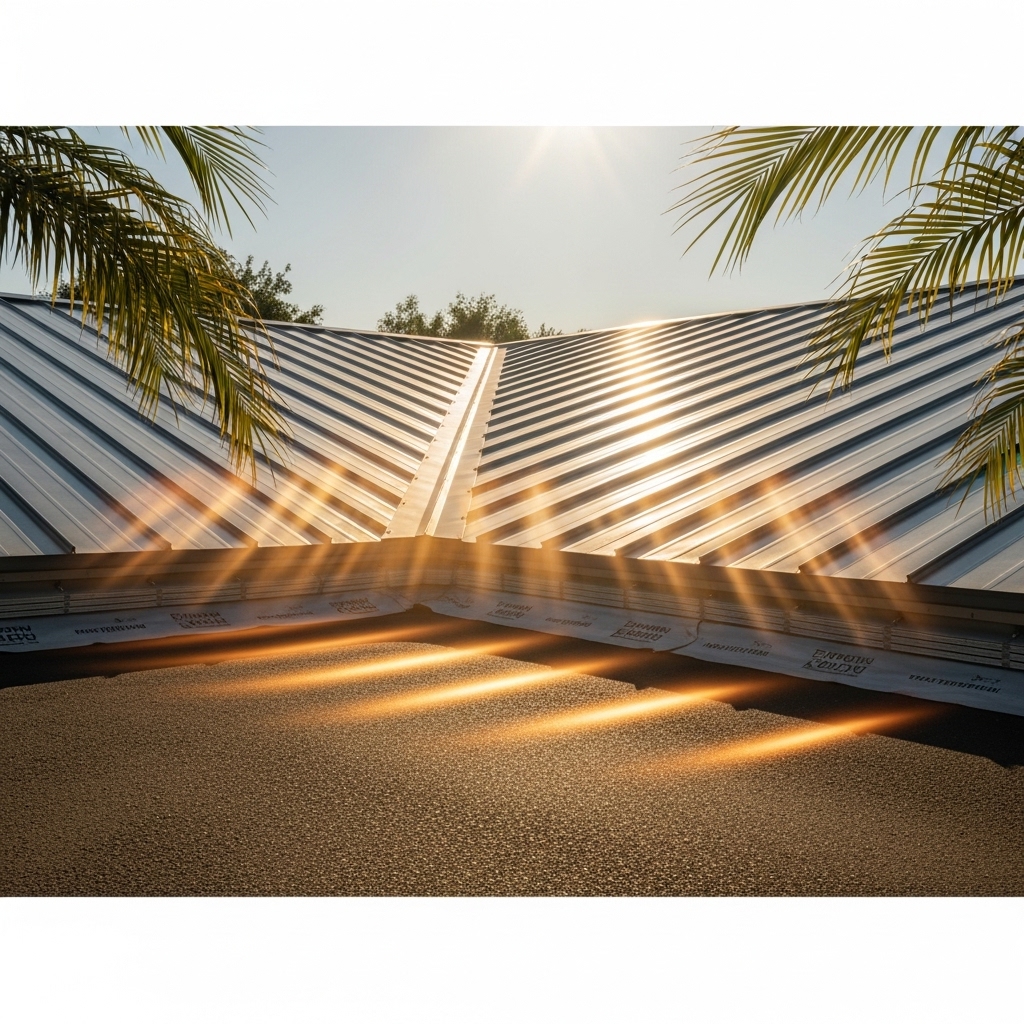
- Inspect for UV and thermal degradation more aggressively than you would in a coastal climate. Woodland Hills receives intense direct sun through most of the year, and south- and west-facing roof planes age faster than north-facing ones.
- Look for fire-ember debris on the roof surface and in gutters following any nearby brush fire or Red Flag Warning period. Lodged embers can smolder in debris-filled gutters.
- Confirm your roofing material carries a Class A fire rating if your home is in one of the Very High Fire Hazard Severity Zones that cover parts of Woodland Hills; the Los Angeles Department of Building and Safety (LADBS) requires Class A there. Check your address on the city’s fire zone map or ask a licensed contractor.
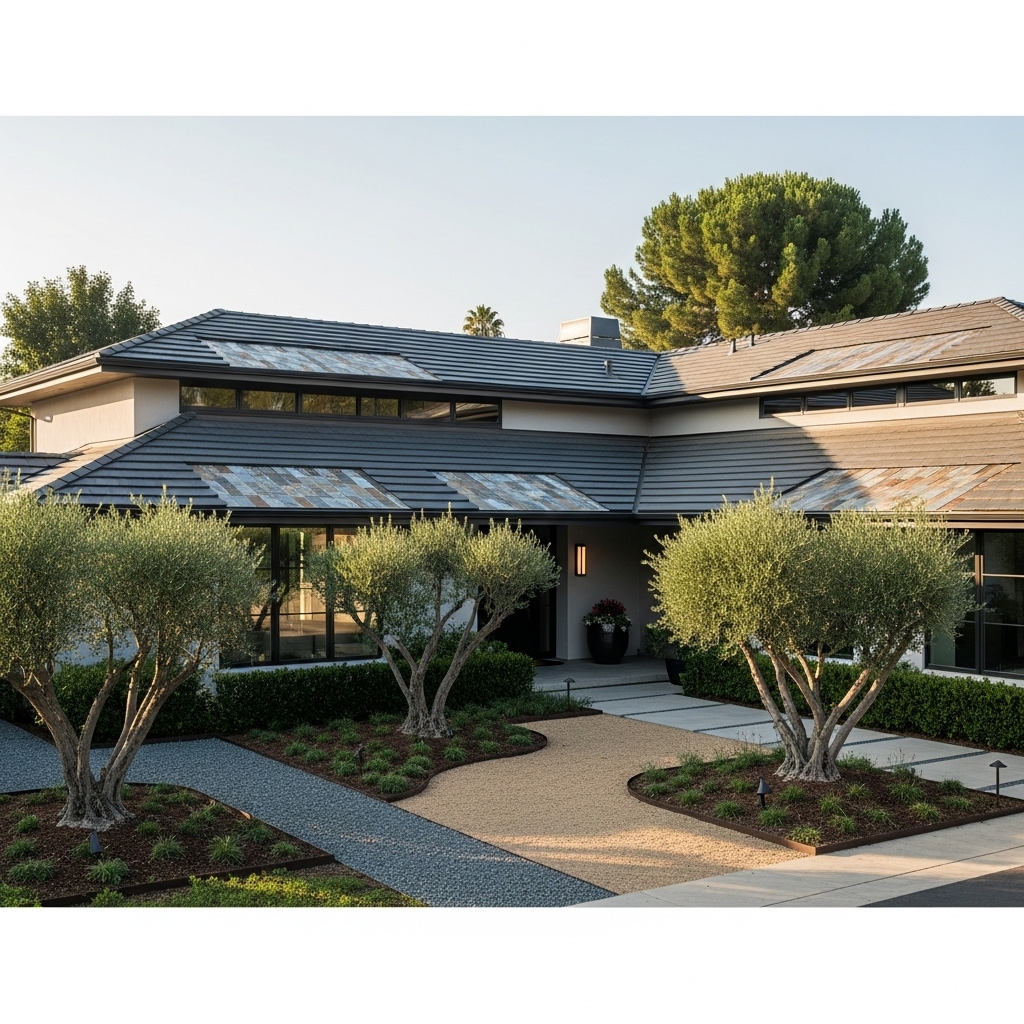
- If you are planning a re-roof, check the cool-roof rules: Woodland Hills (ZIPs 91364 and 91367) is in Title 24 climate zone 9, and LADBS requires a Cool Roof Rating Council certified product when more than half of a home’s roof is replaced. A qualified contractor can confirm the requirements for your specific project.
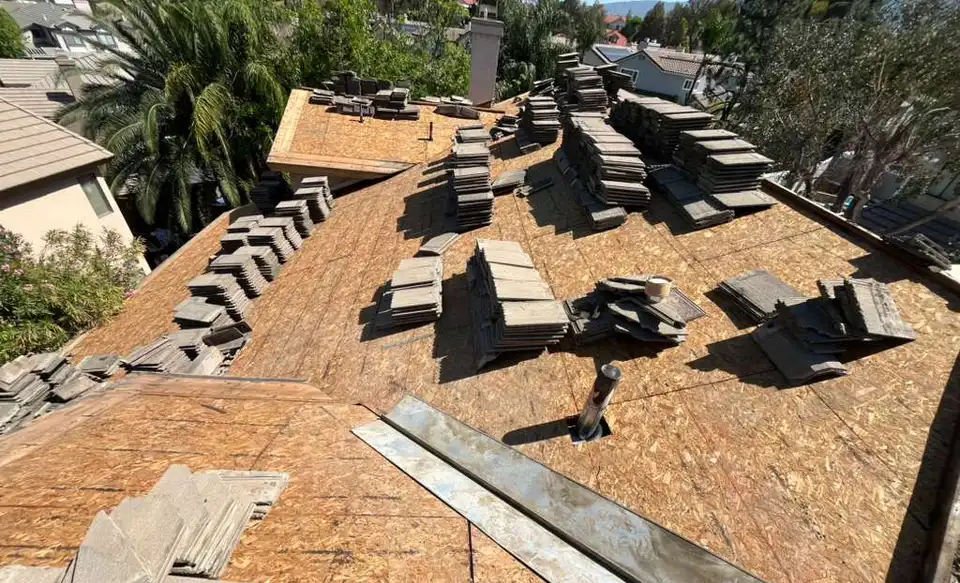
- Check for cracked or displaced tiles if your home has a Spanish or concrete tile roof, which is common in the Woodland Hills hillside neighborhoods. Tile displacement is accelerated by thermal cycling between hot days and cooler nights.
- Evaluate whether mature trees overhanging the roof are dropping branches, seed pods, or persistent leaf litter that holds moisture against the surface.
- Note the age of your roof relative to the typical service life of the material installed. Census estimates date roughly 62 percent of Woodland Hills homes to 1940 through 1979, so many homes here are decades old, and a roof that was never replaced may be approaching or past its expected lifespan.
The combination of fire risk, extreme thermal cycling, and seasonal wind events makes Woodland Hills a genuinely demanding environment for roofing systems. A home that would go a decade without issues in a mild coastal climate may need attention sooner here. Knowing your roof’s age and material type before running through this checklist helps you weigh each finding in the right context.
When to Stop Inspecting and Call a Professional
- Stop the DIY inspection and call a licensed contractor if you find active moisture, soft decking, or any structural concern that requires walking on the roof surface to investigate further.
- Schedule a professional inspection if your roof is more than ten years old and has never had a formal assessment by a qualified contractor.
- Call immediately if you notice interior water staining, ceiling bubbling, or drips during or after rain. Do not wait for the next dry season. Our emergency roof leak guide for Woodland Hills outlines the right steps to take while you wait for help.
- Arrange an inspection before listing the home for sale or after purchasing a home in Woodland Hills, especially if the seller’s disclosure is limited on roof history.
- Request a professional assessment after any hail event, significant wind event, or nearby fire that may have caused impact or ember damage not visible from the ground.
- Hire a contractor to evaluate the roof if your homeowner’s insurance carrier requests a condition report as part of a policy renewal or new policy application.
Found something on the list you would rather have a professional look at? See how our roof contractor services in Woodland Hills work, then get in touch.
A professional inspection goes beyond what this checklist covers. A qualified roof contractor in Woodland Hills will access the roof surface safely, probe the deck for hidden soft spots, document findings with photos, and give you a written assessment you can use for insurance, real estate, or repair planning purposes. That documentation is worth far more than an informal visual from the ground.
Frequently Asked Questions
How often should a Woodland Hills homeowner schedule a roof inspection?
A formal inspection once a year is a sensible baseline where heat and fire exposure are as high as they are in Woodland Hills. At minimum, inspect after any major Santa Ana wind event and at the start of each rainy season, before storms arrive.
Can I complete this checklist myself, or do I need to get on the roof?
Most of the exterior checklist can be completed safely from the ground using binoculars, and the attic section requires only a standard attic hatch entry. Avoid walking on the roof surface unless you have proper fall-protection equipment and experience on pitched surfaces. Anything that requires hands-on access to the roof plane itself should be handled by a licensed contractor.
What does a professional roof inspection typically cover that this checklist does not?
A licensed contractor will probe the decking for soft spots not visible to the eye, check fastener patterns and nail pull-through, evaluate underlayment condition where accessible, and provide a written report with photographic documentation. They can also assess whether the existing system meets current City of Los Angeles (LADBS) code requirements, which is especially relevant if you are planning any roofing work that triggers a permit. For cost factors involved in follow-up work, see what affects roof replacement costs in Woodland Hills.
Running through this checklist twice a year, and after every significant weather event, gives Woodland Hills homeowners a clear picture of where their roof stands before small issues become structural ones. When the checklist turns up anything beyond routine maintenance, the right next step is a call to an experienced Woodland Hills roof contractor who can assess, document, and address what you have found. The general roofing inspection checklist adds checks for each roof type, and our roof inspection service explains what a professional visit includes.
NEMA Roofing inspects roofs in Woodland Hills, one of its six locations with Santa Barbara, Oxnard, Tarzana, Downey and San Bernardino, and across all of Los Angeles, Ventura, Santa Barbara, Riverside and San Bernardino counties; see every area we serve. To book an inspection, call NEMA Roofing at 818-528-6412.