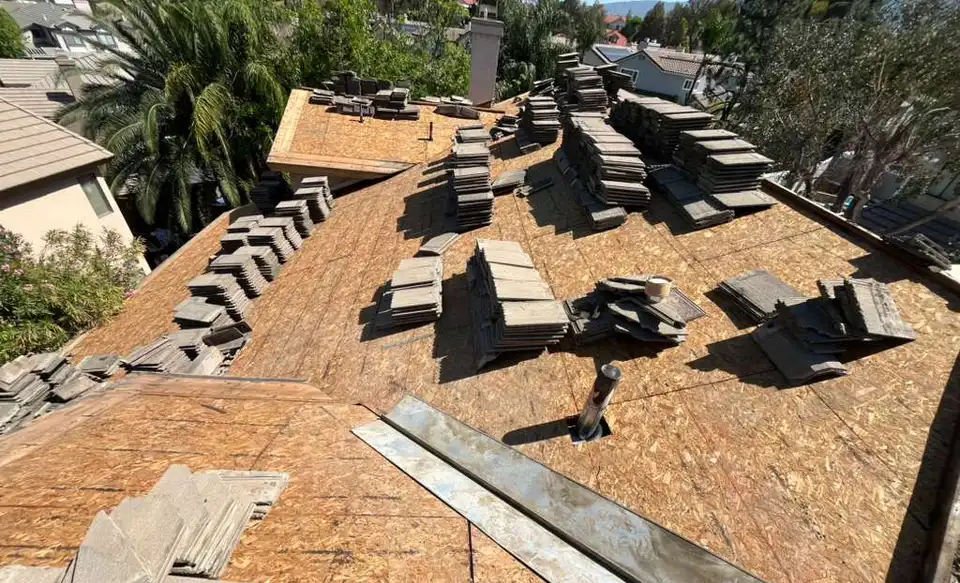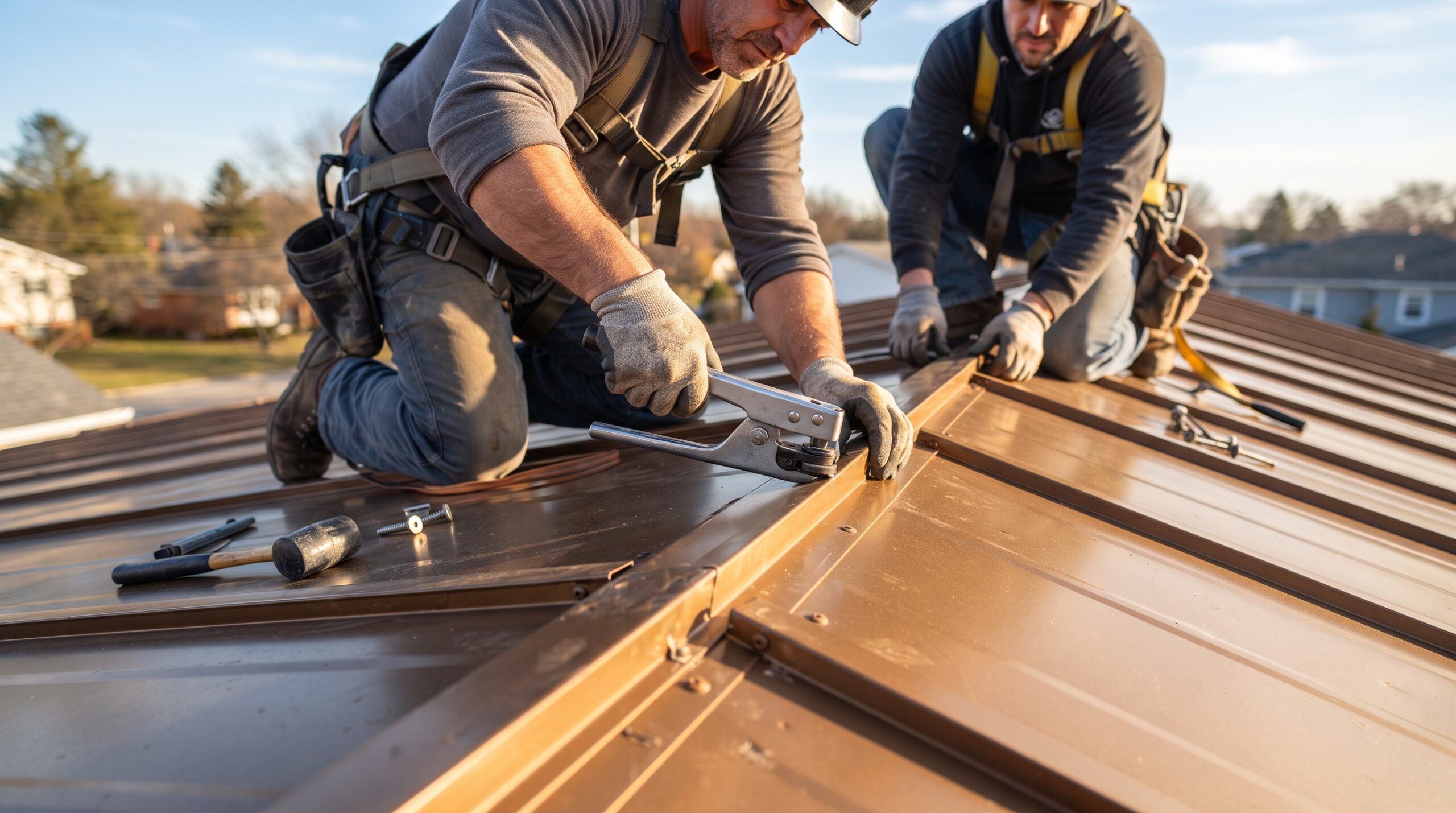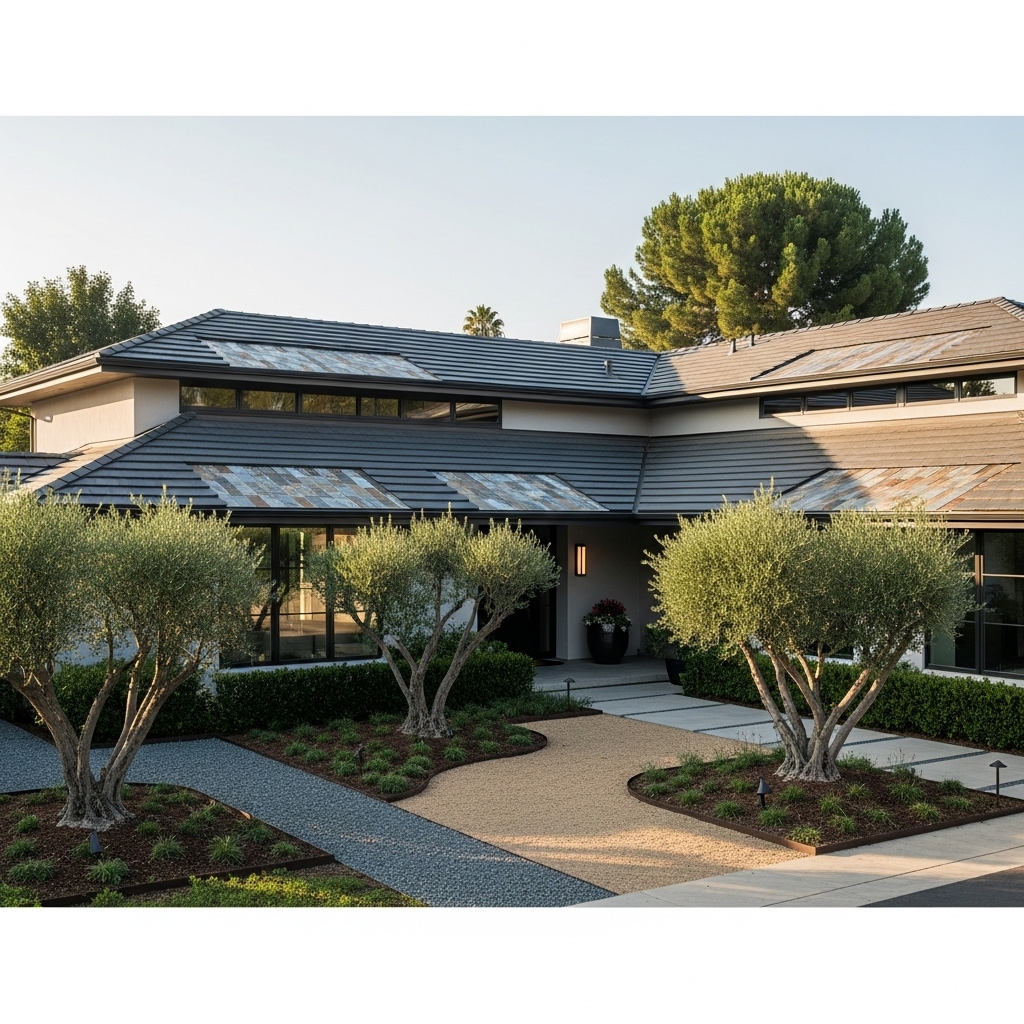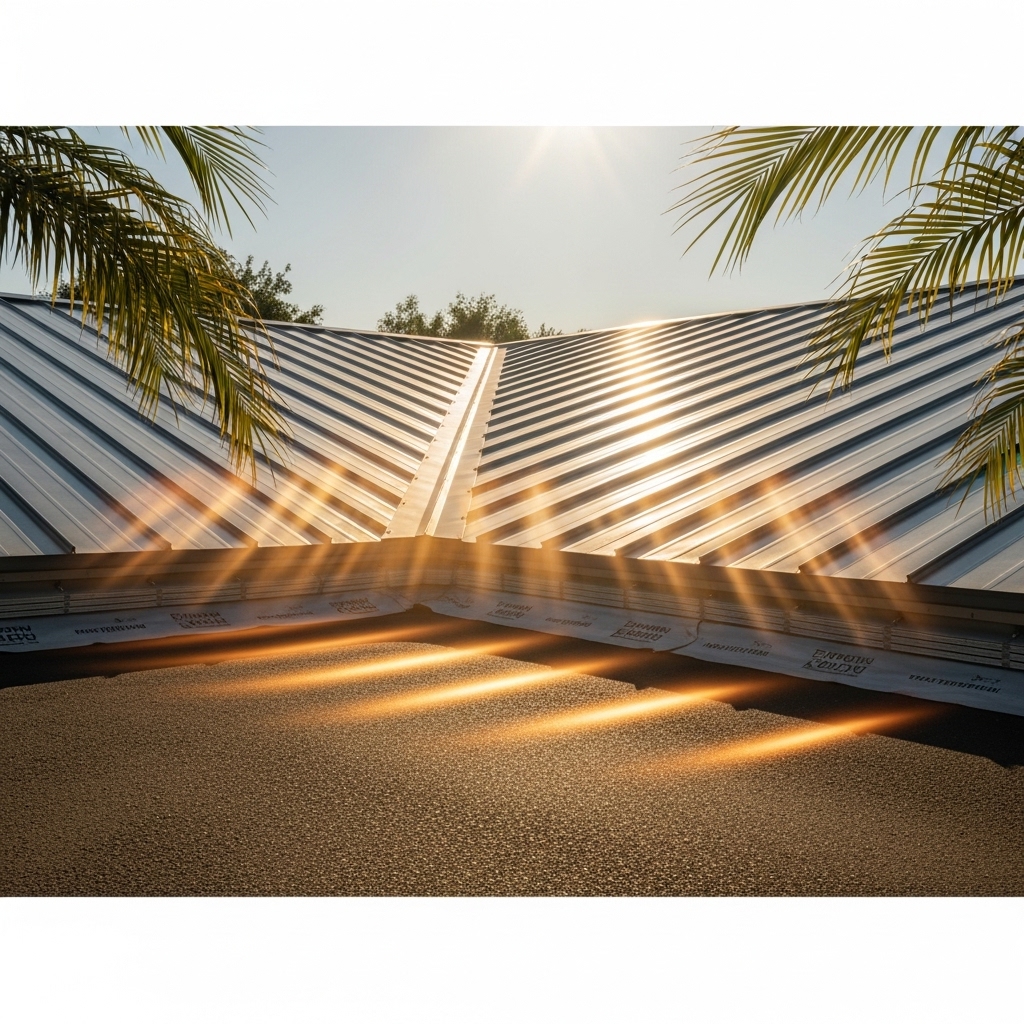
The signs of a bad roof installation are uneven or wavy courses, missing drip edge, old or caulked flashing where new metal should be, no diverter flashing where a roof edge meets a wall, a leak or attic stain within the first rains, and on flat commercial roofs, water that stays in puddles after rain. Most can be seen from the ground, the attic or a ladder at the gutter. If you see them on your home or building, call NEMA Roofing at 866-631-3366 for an inspection.
Why installation quality decides how a roof performs
A roof is a system: deck, underlayment, flashing, ventilation and the covering on top. The covering carries the manufacturer’s name, but good materials still leak early when the pieces are put together badly. The California codes say roof coverings must be installed to the code and to the manufacturer’s approved instructions, and manufacturers build their warranties on the same instructions. A bad installation fails both tests, whether it is on a house or on a warehouse.
Signs of a bad installation on a sloped home roof
| What you see | Where to look | What it points to |
|---|---|---|
| Courses of shingles that wander, step or look wavy | From the street, along each slope | Careless layout, or new shingles laid over an uneven old layer or a sagging deck |
| No metal edge along the eaves and rakes | At the roof edges, from a ladder | Missing drip edge, which the California Residential Code requires on shingle roofs |
| A bead of caulk instead of metal at walls and chimneys, or old rusty flashing left in place | Where the roof meets a wall, chimney or skylight | Flashing not rebuilt; the code requires rusted or damaged flashing to be replaced on a reroof |
| Water staining the wall below the spot where a roof edge runs into a wall | Side walls next to lower roofs | No diverter (kick-out) flashing, which the code requires at that joint to steer water away |
| A wide chimney with no cricket behind it | The uphill side of the chimney | Missing cricket or saddle; the code calls for one behind any chimney or penetration more than 30 inches wide |
| Shingles lifting or blowing off in the first strong wind | Ridges, edges and rakes | Too few nails, nails placed high, or starter strips left out |
| A new roof over two old ones | The thickness at the edge | A recover the code does not allow over two or more existing layers |
| Stains, drips or daylight in the attic after rain | Underside of the deck, around vents and valleys | Gaps at flashing, pipe boots or valleys |
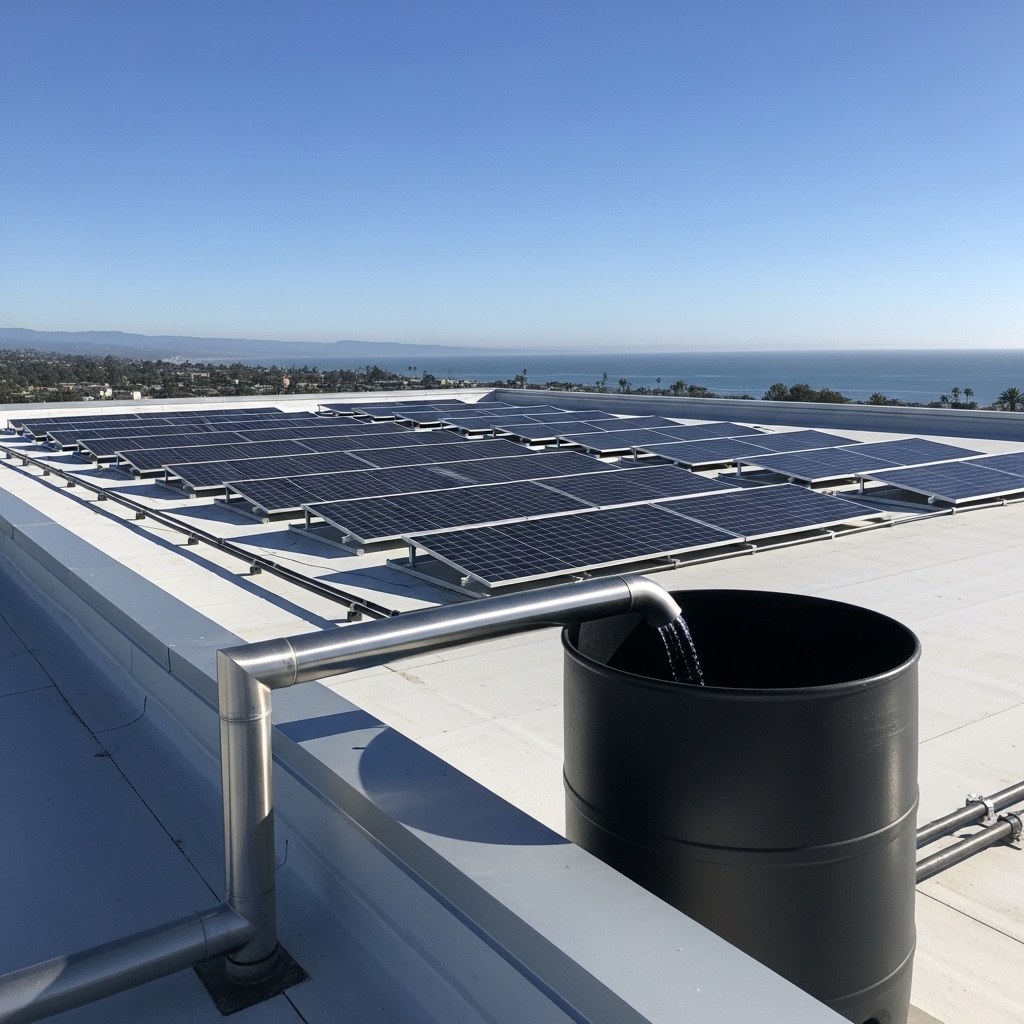
Signs of a bad installation on a flat business roof
Offices, shops and warehouses mostly have low-slope roofs covered with a membrane, and the warning signs are different:
- Standing water that stays after the rain stops. The California Building Code requires single-ply and modified bitumen roofs to have a design slope of at least 1/4 unit in 12 for drainage. Puddles that linger point to slope or drain problems.
- Seams that lift, wrinkle or open. Seams are where a membrane is weakest, and a poor weld or bond shows up early.
- Membrane that stops short at parapets and curbs. It should turn up the wall and be finished under metal or a counterflashing.
- Missing overflow drains or scuppers. Where parapets would trap water if the main drains back up, the code requires secondary emergency overflow drains or scuppers.
- Equipment set on the membrane with no pads or curbs, or new penetrations sealed with mastic only.
The details are covered in flat roof installation mistakes and how to avoid them, and our commercial roofing service covers business properties.
What a quality installation looks like instead
- Straight courses and even reveals, checked from the street on every slope.
- New metal flashing at every wall, chimney and skylight, with diverter flashing at each roof-to-wall eave.
- Drip edge at every edge, and gutters put back straight.
- Pipe boots and vent collars replaced, not reused.
- A passed final inspection on the permit, and the warranty registration in your hands.
For the full list of details that decide a roof’s life, see roofing installation built for durability.
What to do if you suspect a bad installation
- Document it. Photos from the ground and the attic, the dates of any leaks, and the weather on those days.
- Call the installer first, in writing. If your contract includes a workmanship warranty, read what it says about giving notice.
- Protect the inside. Buckets and tarps for active leaks, and dry anything wet quickly.
- Get an independent inspection if the installer does not respond or disagrees. A written report with photos helps if you take the matter to the manufacturer, your insurer or the Contractors State License Board.
- Decide between correction and redo. Flashing and edge errors can usually be corrected; a roof laid over too many layers or a deck that was never repaired usually has to come off.
Homeowners and building owners in every county we serve (Los Angeles, Ventura, Santa Barbara, Riverside and San Bernardino) are covered by NEMA Roofing’s six locations in Downey, Tarzana, Woodland Hills, Oxnard, Santa Barbara and San Bernardino, for new installations and for inspections of suspect ones. The Ventura County service area page and our roof installation service page have more. To have a new or suspect roof checked, call NEMA Roofing at 866-631-3366.