Cool Roofing Woodland Hills: Myths vs. Reality

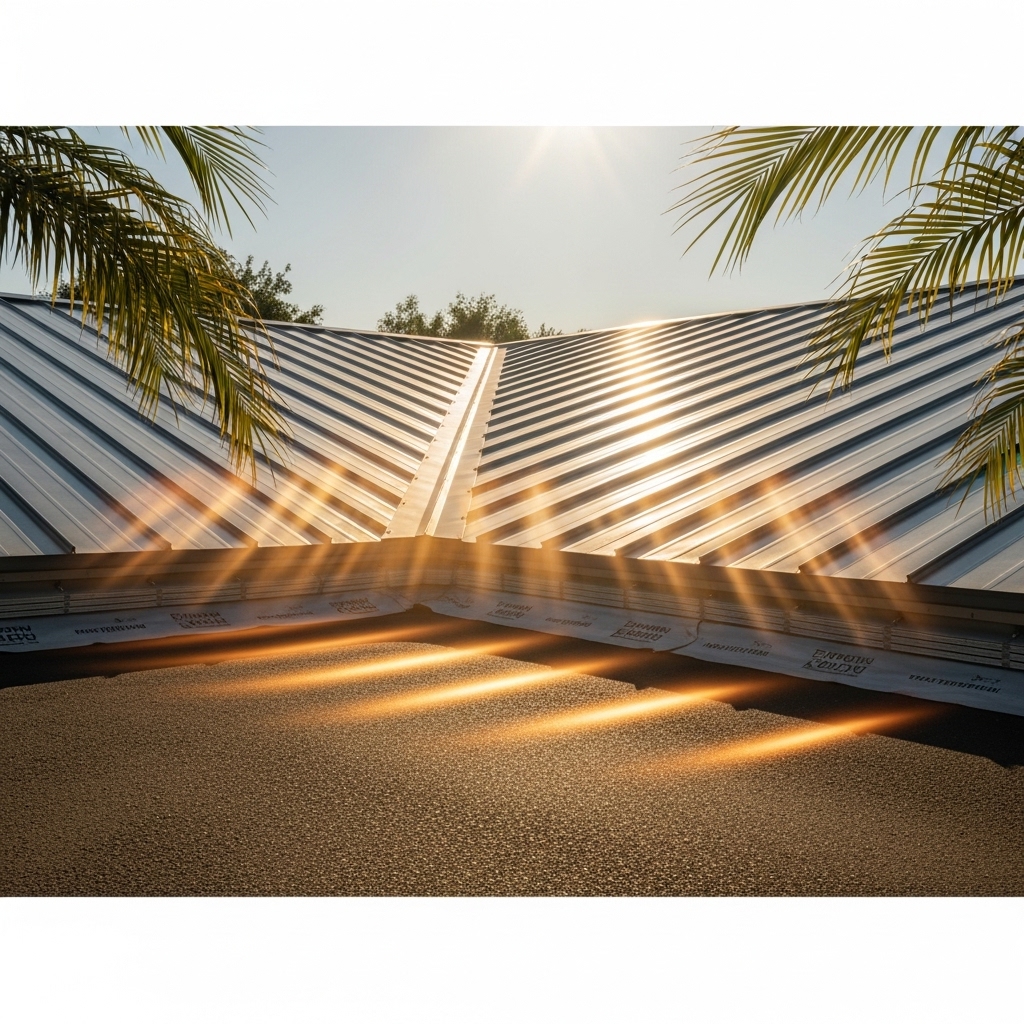
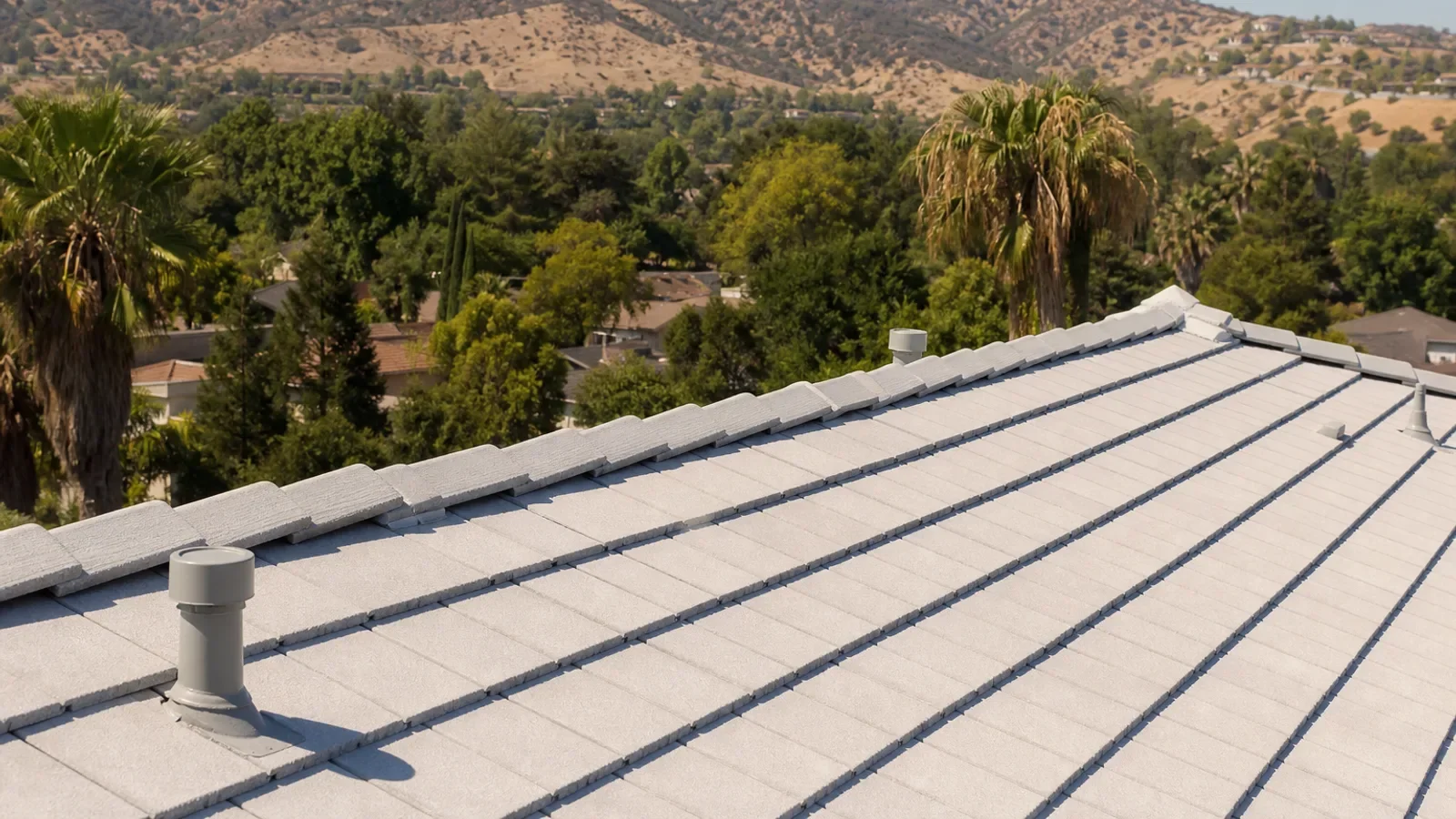
White flat roof with ventilation pipe overlooking suburban valley landscape.

Cool Roofing in Woodland Hills: 7 Myths Homeowners Believe (and What’s Actually True)

Woodland Hills regularly records some of the highest summer temperatures in Los Angeles County, with heat events pushing surface temperatures on dark asphalt shingles well above 150°F. That thermal reality shapes every roofing decision on this side of the Santa Monica Mountains, yet misinformation about cool roofing spreads just as fast as the heat itself. Neighbors repeat things they heard at the hardware store, contractors who don’t specialize in reflective systems offer vague disclaimers, and online forums mix up products designed for humid climates with what actually works in the San Fernando Valley’s dry, intense sun. The result is that many Woodland Hills homeowners either dismiss cool roofing entirely or invest in it based on expectations that don’t match reality. This article works through the most persistent myths, one by one, so you can make a genuinely informed decision for your home.

Myth 1: Cool Roofing Is Just a Coat of White Paint

Reality: The phrase “cool roof” describes a performance standard, not a single product or finish. A qualifying cool roof must meet minimum solar reflectance and thermal emittance thresholds, typically verified by an independent body such as the Cool Roof Rating Council (CRRC). In practice, that means purpose-built materials: highly reflective single-ply membranes, elastomeric coatings engineered to flex with temperature swings, metal panels with factory-applied reflective finishes, or specially manufactured tiles with pigments that reject infrared radiation even in darker color ranges.

A coat of ordinary white exterior paint does not meet those thresholds. It may lighten a surface visually, but it degrades quickly under Woodland Hills UV exposure, can trap moisture under certain conditions, and offers no meaningful long-term thermal benefit. The distinction matters because the California Energy Code (Title 24) has specific requirements for roofing products in Climate Zone 9, which covers most of the San Fernando Valley. Compliant materials must carry CRRC ratings. If someone is offering you a “cool roof” without referencing those ratings, ask for the product data sheet before agreeing to anything.

Myth 2: Cool Roofs Only Help in the Summer

Reality: This myth contains a grain of truth that gets stretched too far. Yes, the primary benefit of a reflective roof is reducing heat gain during hot months, which is when Woodland Hills earns its reputation for punishing temperatures. But the advantages extend beyond June through September.

First, thermal shock is a year-round issue in the valley. Woodland Hills experiences sharp temperature swings even in winter, with cool nights followed by warm, sunny afternoons. Every time a roofing material rapidly heats and then cools, it expands and contracts. Over years, that cycling degrades adhesives, cracks sealants, and accelerates granule loss on asphalt shingles. Reflective materials absorb less heat to begin with, which means smaller temperature swings and less mechanical stress on the roof assembly. Second, California’s energy grid faces peak demand events that extend into fall. A cooler attic reduces the load on HVAC equipment across a longer season than most homeowners expect. Before your next renewal, it is worth reviewing your pre-season roof inspection checklist to see whether thermal stress has already left visible evidence on your current materials.

Myth 3: Reflective Roofing Makes Your Home Too Cold in Winter

Reality: This concern comes up constantly in Woodland Hills, and it deserves a direct answer: the winter heating penalty from a reflective roof in Climate Zone 9 is small enough that it is consistently outweighed by summer cooling savings in every credible energy analysis conducted for Southern California climates.

Here is the physics. Woodland Hills winters are mild. The heating season is short and rarely severe. The summer cooling season, by contrast, is long, intense, and energy-intensive. A reflective roof does reduce the passive solar heat gain that would otherwise warm your home on a sunny January afternoon, but that same passive gain is modest compared with what a properly insulated and air-sealed attic provides. If winter comfort is a genuine concern, the more effective lever is attic insulation depth and air sealing, not roofing color. A cool roof and good attic insulation are complementary, not competing choices. The net annual energy outcome in this climate is positive for reflective materials, which is precisely why Title 24 encourages or requires them for many residential re-roofing projects here.

If you want it handled correctly the first time, consider professional roof contractor in Woodland Hills.

Myth 4: Cool Roofing Is Only for Flat or Low-Slope Roofs

Reality: This myth likely originated because early cool roofing products, particularly fluid-applied coatings and single-ply membranes, were designed primarily for commercial flat roofs. Those products remain excellent choices for low-slope applications, and Woodland Hills has plenty of mid-century modern and contemporary homes with flat or nearly flat roof decks where they perform exceptionally well.

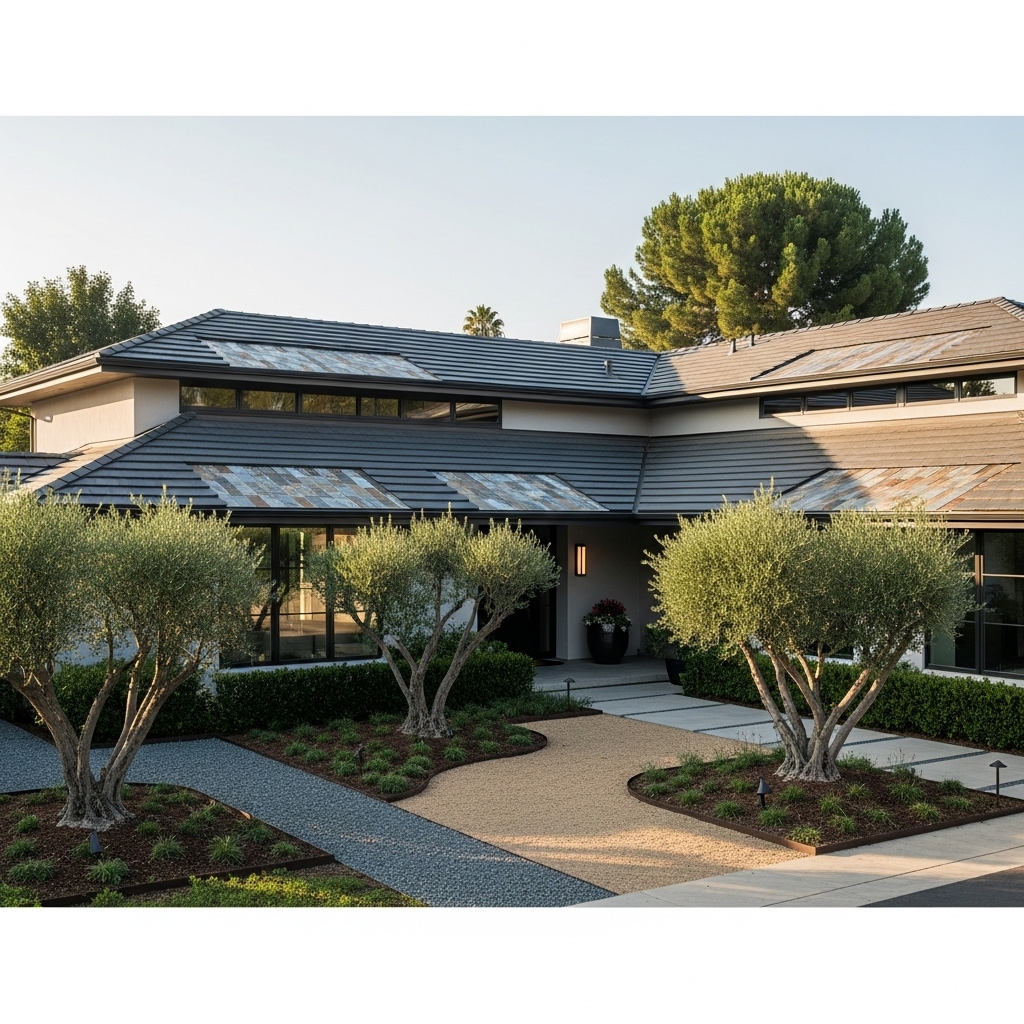
But the category has expanded significantly. Reflective concrete and clay tiles, metal roofing with cool-rated finishes, and even certain asphalt shingle products with reflective granules are now available for steep-slope residential roofs. Many of the Spanish-style and ranch homes throughout Woodland Hills, with their 4:12 to 6:12 pitches, are excellent candidates for cool-rated tile or metal systems. The product selection for steep-slope applications is broader than it was even a decade ago, and a qualified installer can match a reflective product to virtually any roof geometry common in this neighborhood. For a broader look at how material choice interacts with project costs on these roof types, the cost factors guide for Woodland Hills roof replacement breaks down the variables worth understanding before you request quotes.

Myth 5: Any Contractor Can Install a Cool Roof Correctly

Reality: Installation quality determines whether a cool roof performs as rated or underperforms for years without anyone realizing it. Reflective coatings require precise surface preparation, correct mil thickness, and proper sequencing of primer and topcoat layers. A coating applied too thin loses its reflectance rating. Applied over a contaminated or damp substrate, it can blister and delaminate within a season, which is a common failure mode in Woodland Hills where dust and debris accumulate on flat roof surfaces between the infrequent rains.

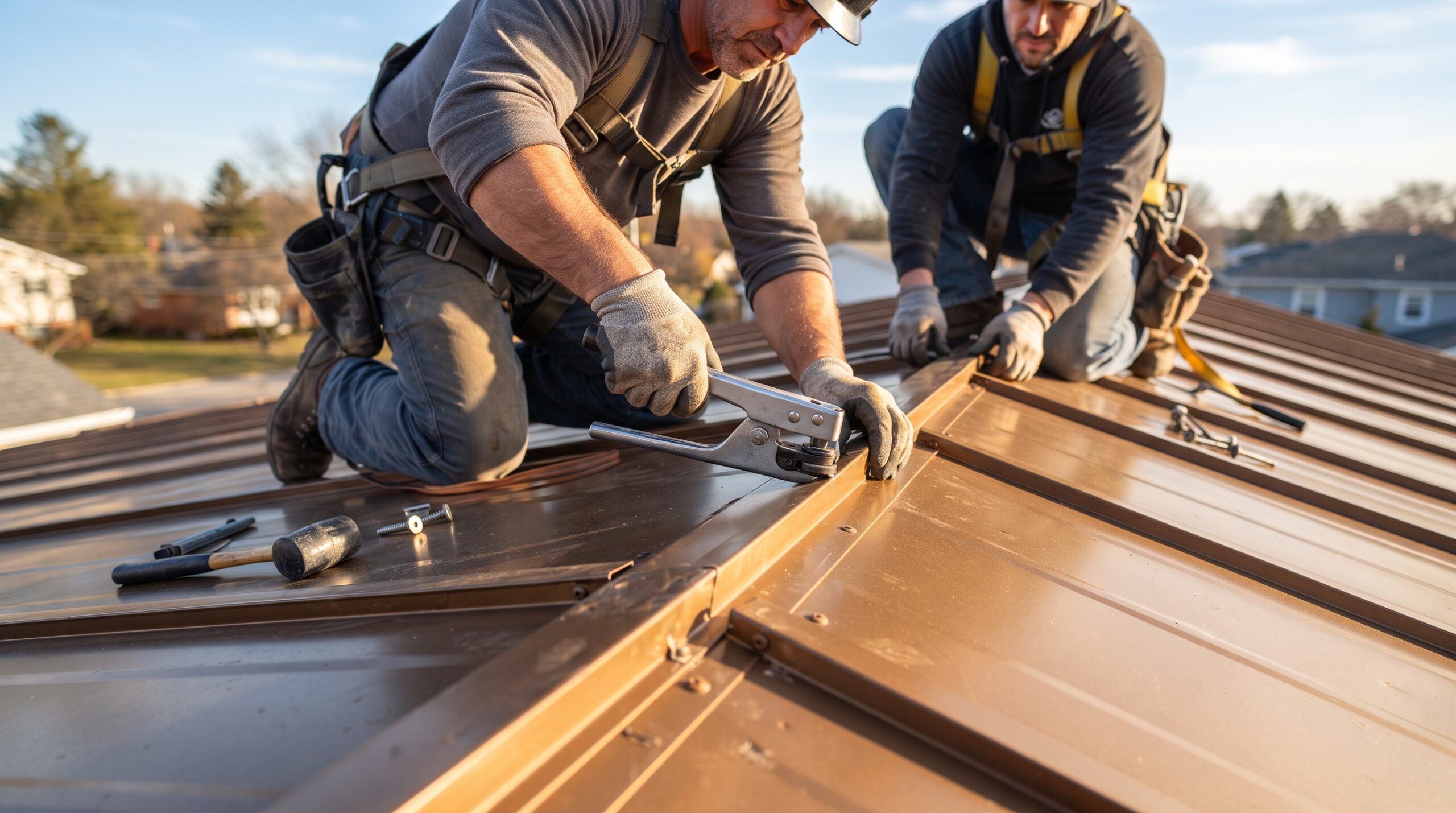
Cool-rated tile and metal systems require attention to underlayment compatibility, fastener patterns, and ventilation design. The ventilation point is especially important here: a reflective roof surface works best when paired with adequate attic ventilation so that heat that does conduct through the assembly can escape rather than accumulate. A contractor unfamiliar with cool roofing may install the surface product correctly but overlook the ventilation component, leaving performance on the table. Working with a licensed roof contractor who has documented experience with cool-rated systems in the San Fernando Valley is the most reliable way to ensure the installation matches the product’s rated performance. Proper installation also matters for Title 24 compliance documentation, which some homeowners need when selling or refinancing.

Myth 6: Cool Roofing Requires Constant Maintenance to Stay Reflective

Reality: This myth overstates the maintenance burden while understating the real maintenance needs that apply to every roof type. Reflective coatings do experience some reduction in solar reflectance over time as dust, biological growth, and weathering accumulate on the surface. Research on this aging effect shows that periodic cleaning, typically a low-pressure rinse, can recover a significant portion of the reflectance lost to soiling. That is not an onerous task, and it is far less involved than, say, replacing cracked tiles or re-sealing a deteriorating asphalt roof.

Many Woodland Hills homeowners rely on expert roof contractor in Woodland Hills for exactly this.

Cool-rated tile and metal roofs have no reflectance maintenance requirement beyond what any tile or metal roof needs: keeping debris clear of valleys and gutters, checking flashing integrity, and watching for any fastener issues. The soiling concern is most relevant for fluid-applied coatings on flat roofs, where debris can sit and accumulate. Even there, an annual inspection and occasional rinse is a modest commitment relative to the energy and comfort benefits. What is true is that no roof, cool or otherwise, is genuinely maintenance-free. If you have not had a professional look at your roof recently, a structured inspection is the right starting point to understand its current condition before adding any new system on top of it.

Myth 7: Cool Roofing Is a Luxury Upgrade with No Practical Payoff in Woodland Hills

Reality: This is the myth that costs Woodland Hills homeowners the most, because it leads people to re-roof with conventional materials and then spend years paying higher cooling bills and replacing HVAC equipment ahead of schedule. The San Fernando Valley’s climate is one of the strongest use cases for reflective roofing anywhere in California.

The practical payoffs are real and measurable. Attic temperatures under a reflective roof are meaningfully lower than under a comparable conventional roof, which directly reduces the temperature differential your air conditioning system works against. Lower attic temperatures also extend the service life of ductwork, insulation, and any equipment housed in or near that space. For homes with tile roofs, which are common throughout Woodland Hills, switching to cool-rated tiles at the time of replacement adds little or no cost premium while delivering those thermal benefits for the life of the roof. For flat-roof sections, a high-quality reflective coating applied over a properly prepared substrate is one of the more cost-effective ways to address both waterproofing and heat management in a single scope of work.

California’s utility rebate landscape has also historically supported cool roofing upgrades, though program availability changes. A knowledgeable licensed roof contractor can tell you what incentives are currently active and whether your project qualifies, which is information worth having before you finalize a material choice. If an unexpected roofing issue arises while you are planning an upgrade, the steps to take after an emergency roof leak can help you manage the situation without making decisions under pressure that complicate your longer-term plans.

Woodland Hills Specifics: Why This Market Is Different

Not every cool roofing article applies equally to every Southern California neighborhood, and Woodland Hills has characteristics that make reflective systems particularly relevant here. The community sits in the western end of the San Fernando Valley, where the surrounding hills restrict airflow and contribute to a heat island effect that makes summer temperatures noticeably higher than coastal communities just 15 miles away. The housing stock is predominantly single-family residential, built largely between the 1950s and 1980s, meaning a significant share of roofs are approaching or past their original design life and are due for replacement in the near term.

Many of these older homes were built with minimal attic insulation by current standards and with ventilation designs that predate modern understanding of attic thermal dynamics. That combination, an aging roof, under-insulated attic, and valley heat, creates a strong case for treating a roof replacement not just as a maintenance event but as an opportunity to address the whole thermal envelope. Woodland Hills also sits within a high fire hazard severity zone designation for parts of its footprint, which influences material choices. Some reflective roofing products, particularly concrete tile and metal, carry Class A fire ratings that align well with those zone requirements. Local codes and insurance considerations vary, so confirming specifics with a licensed professional and your local building department is always the right approach before committing to materials.

Frequently Asked Questions

Ready for the next step? Learn how roof contractor services in Woodland Hills can help and reach out to the team.

Does a cool roof actually lower my energy bills in Woodland Hills?

For most Woodland Hills homes with adequate attic insulation, a reflective roof reduces the heat load on air conditioning during the long, hot summer season, which typically translates to lower cooling energy use. The magnitude depends on your current roof material, attic insulation level, HVAC efficiency, and how much of your roof faces west and south. A contractor familiar with local conditions can give you a realistic picture based on your specific home.

Will a cool roof affect how my home looks from the street?

Cool-rated products are available in a wide range of colors and profiles, including earth tones and traditional tile profiles common in Woodland Hills neighborhoods. You are not limited to white or silver finishes. Advances in pigment technology mean that many darker colors now achieve cool-roof ratings by reflecting infrared radiation that is invisible to the eye, so the roof can look conventional while still performing as a reflective system.

Does Woodland Hills have any specific rules about cool roofing?

California’s Title 24 energy code sets minimum reflectance and emittance requirements for roofing products in Climate Zone 9, which applies to Woodland Hills. Requirements vary based on roof slope, occupancy type, and whether the project is new construction or a re-roof. Local building departments may have additional requirements, and fire hazard zone designations in parts of Woodland Hills affect material eligibility. Always confirm current requirements with your contractor and the local building department before selecting materials.

Can a cool roof be installed over my existing shingles?

In some cases, a fluid-applied coating can be applied over an existing low-slope membrane in good condition. For steep-slope shingle roofs, most jurisdictions including Los Angeles County limit the number of shingle layers permitted, and adding a new layer over old material can trap moisture and void product warranties. A proper inspection of the existing roof deck condition is essential before any overlay decision is made.

How do I know if my current roof is already a cool roof?

Check the product documentation from your last roofing project, specifically the CRRC product ID number. If you do not have those records, a roofing professional can assess the current material and look up its rating. Many older asphalt shingle roofs installed before cool-roof standards became widespread in California do not meet current thresholds, which is worth knowing if you are evaluating whether to replace or repair.

The Bottom Line for Woodland Hills Homeowners

Cool roofing in Woodland Hills is not a niche product for eco-enthusiasts or a luxury reserved for new construction. It is a practical response to a climate that puts more thermal stress on roofing materials than most of the country experiences. The myths around it, that it is just paint, that it hurts winter comfort, that it only works on flat roofs, that any contractor can install it correctly, persist largely because they contain just enough partial truth to sound plausible. Working through the actual evidence, tied to this specific valley climate and housing stock, consistently points in the same direction: reflective roofing systems are a sound investment for most Woodland Hills homes facing a replacement decision.

If you are ready to move from information to action, the next step is a professional assessment of your current roof’s condition and a conversation about which cool-rated products suit your home’s geometry, your neighborhood’s aesthetic, and your energy goals. Reach out to NEMA Roofing Repair to schedule that evaluation and get straightforward answers specific to your Woodland Hills property.

Latest Posts

Our Services

Phone Number

Service Area

Ventura, CA

Email Address

BOOK ONLINE