Marine layer roof damage in Santa Barbara is slow wear, not a single event: cool, humid ocean air keeps roofs damp for hours at a time and deposits salt, which corrodes metal flashings and fasteners, dries out sealants and rubber boots, weakens ridge mortar on tile roofs and wears flat-roof seams. The fixes are corrosion-resistant materials, a yearly inspection and small repairs before they turn into leaks. This guide explains which parts fail first on homes and commercial buildings and what to look for. To have a coastal roof checked, call NEMA Roofing at 805-977-5949.
What is the marine layer, and why does it matter for roofs?
The marine layer is a shallow band of cool, moist air off the Pacific that sits under warmer air above it. The National Weather Service describes a marine push as ocean air replacing the air over land, with much cooler temperatures and much higher humidity. Along the Santa Barbara coast it often settles in overnight and lingers into the morning. Unlike a rainstorm, it does not rinse the roof and move on; it sits, keeping tiles, membranes and sealants damp, and the sea salt carried in that air is what does the long-term damage.
How does salt air attack roofing materials differently from rain?
Rain drains quickly and washes surfaces. Salt air is persistent and chemically active. Salt that settles on a roof draws in moisture and holds it against the surface, and on metal it speeds corrosion:
- Metal flashings at walls, chimneys, skylights and vents rust or pit, and the seal they make opens up.
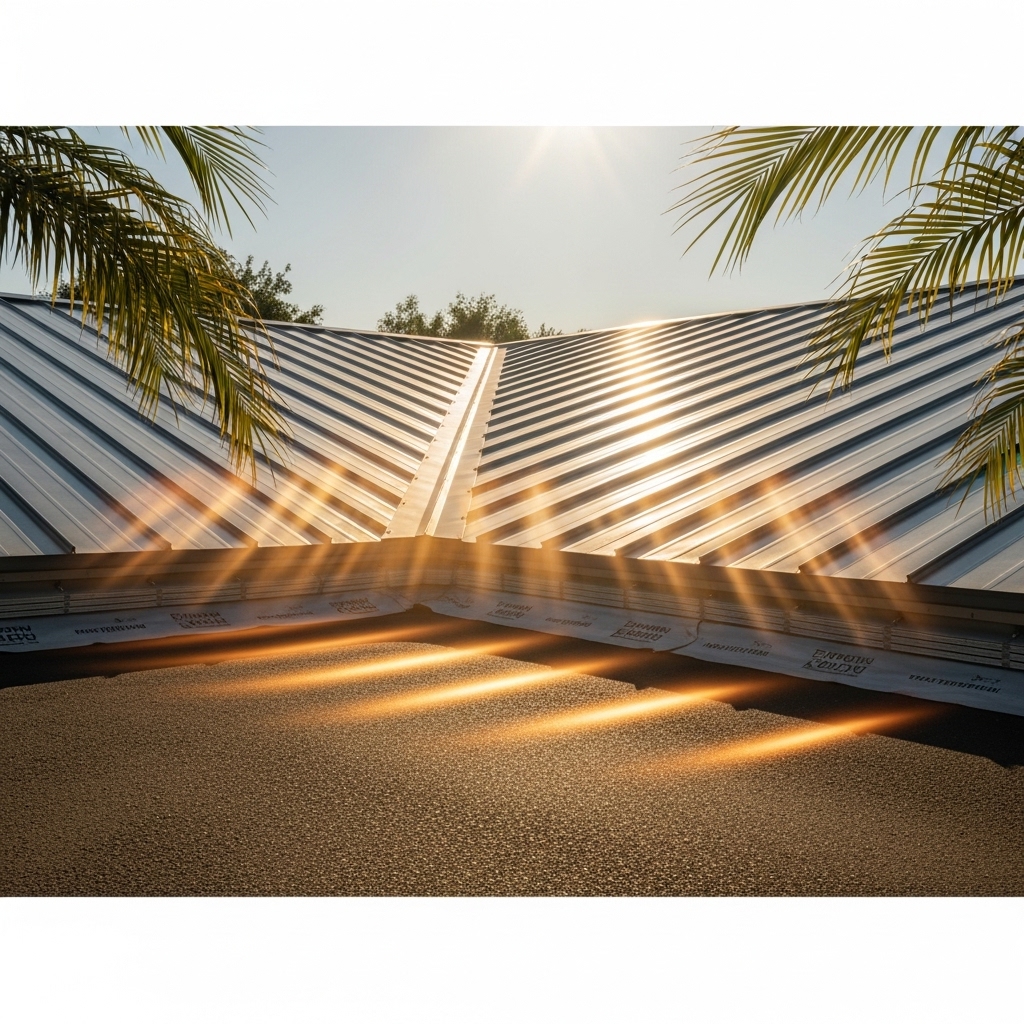
- Coated steel loses protection faster near the sea. The U.S. Department of Defense’s roofing criteria warn that aluminum-zinc coated (Galvalume) steel holds up worse where salt spray reaches it directly, and suggest aluminum panels for those spots even though they cost more.
- Fasteners in tiles, shingles and edge metal can rust through their coating, letting pieces shift or lift in wind.
- Mixed metals touching each other, such as copper against steel, corrode faster in salty, damp air, which is why the same criteria advise avoiding dissimilar metals.
Why is Santa Barbara’s climate hard on tile roofs?
Santa Barbara gets most of its rain in a short season: nearly nine-tenths of the downtown station’s yearly total arrives between November and March, and the four summer months see almost none (NOAA 1991 to 2020 normals). That wet-dry cycle stresses any roof. The marine layer adds a damp baseline through the dry months, so roofs near the water rarely dry out fully.
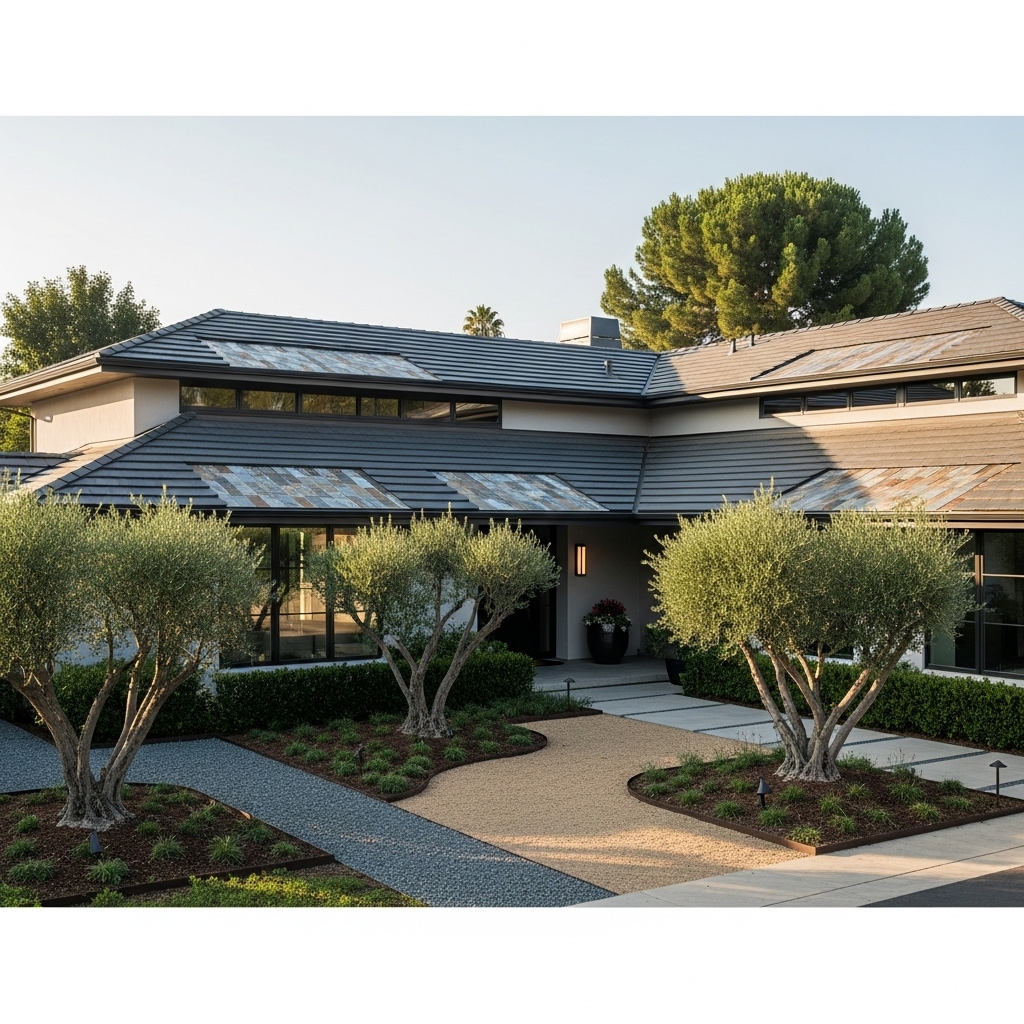
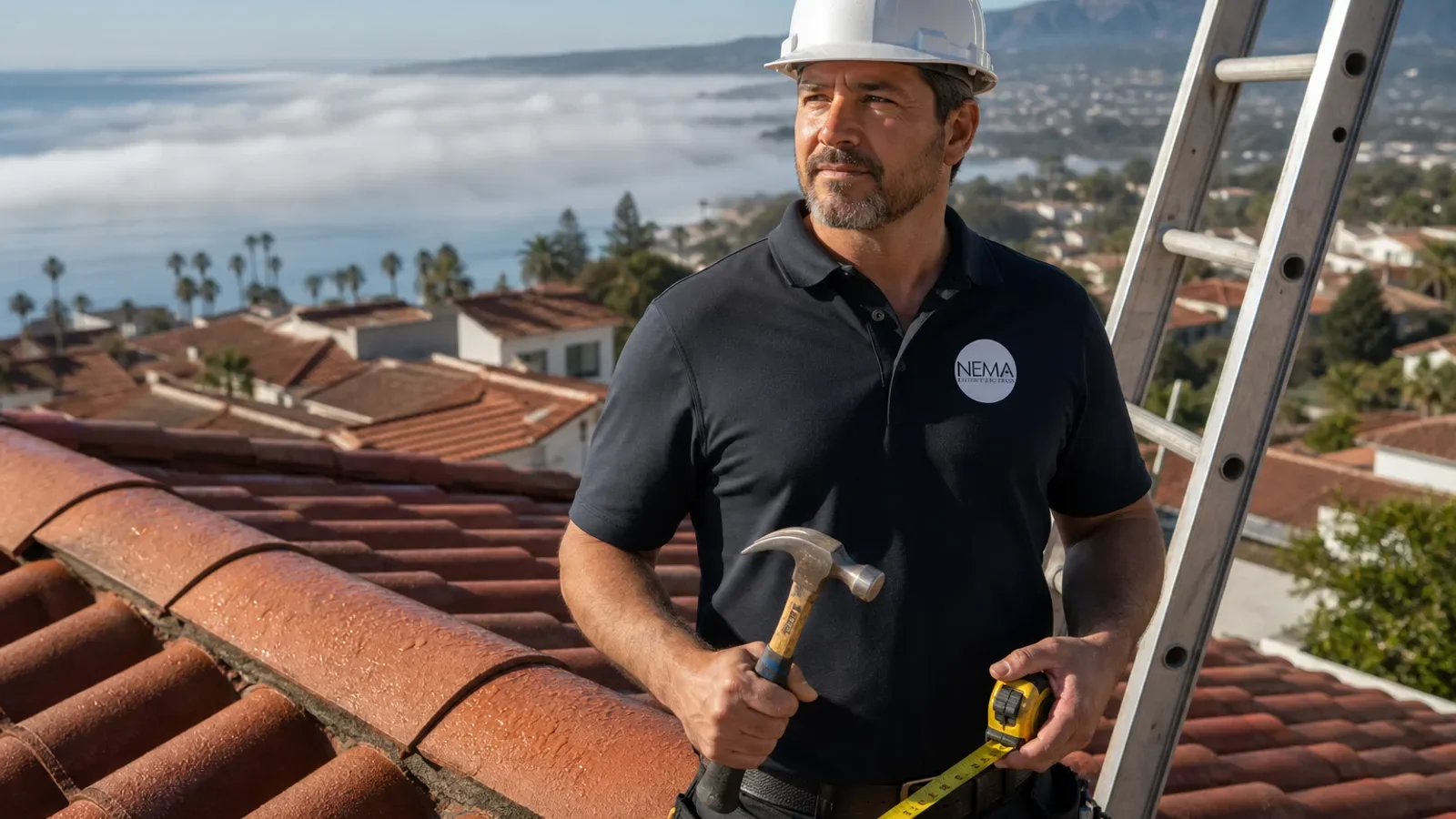
Spanish and mission-style clay tile roofs are common here and the tiles themselves last a long time, but the mortar at ridges and hips and the underlayment beneath the tiles do not. Salt and moisture wear mortar over the years until ridge tiles loosen, and underlayment ages faster than it would inland. The tiles can look fine while the waterproofing under them is failing. For a closer look at the visible signs, see how to spot coastal roof wear before it worsens.
If you want it handled correctly the first time, see our Polyglass flat roofing service in Santa Barbara.
Are flat and commercial roofs more vulnerable to marine layer damage?
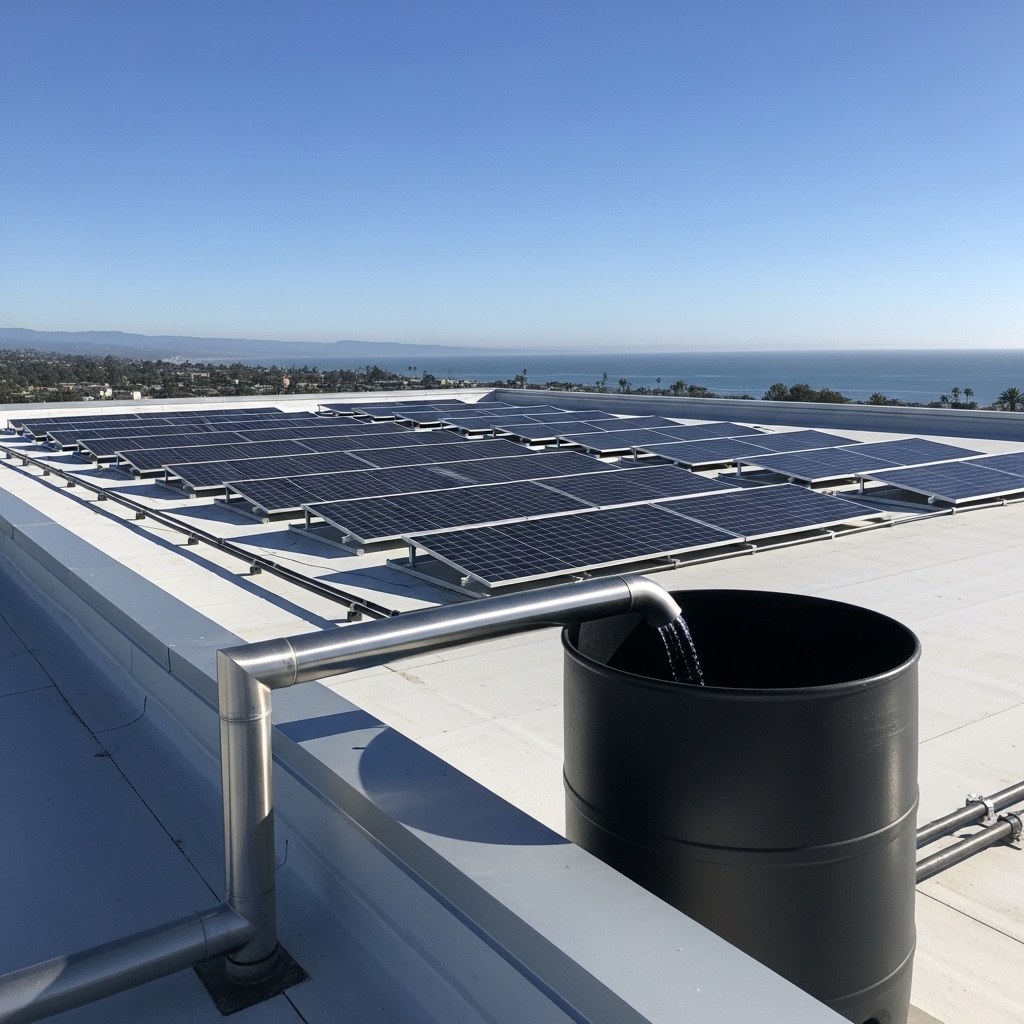
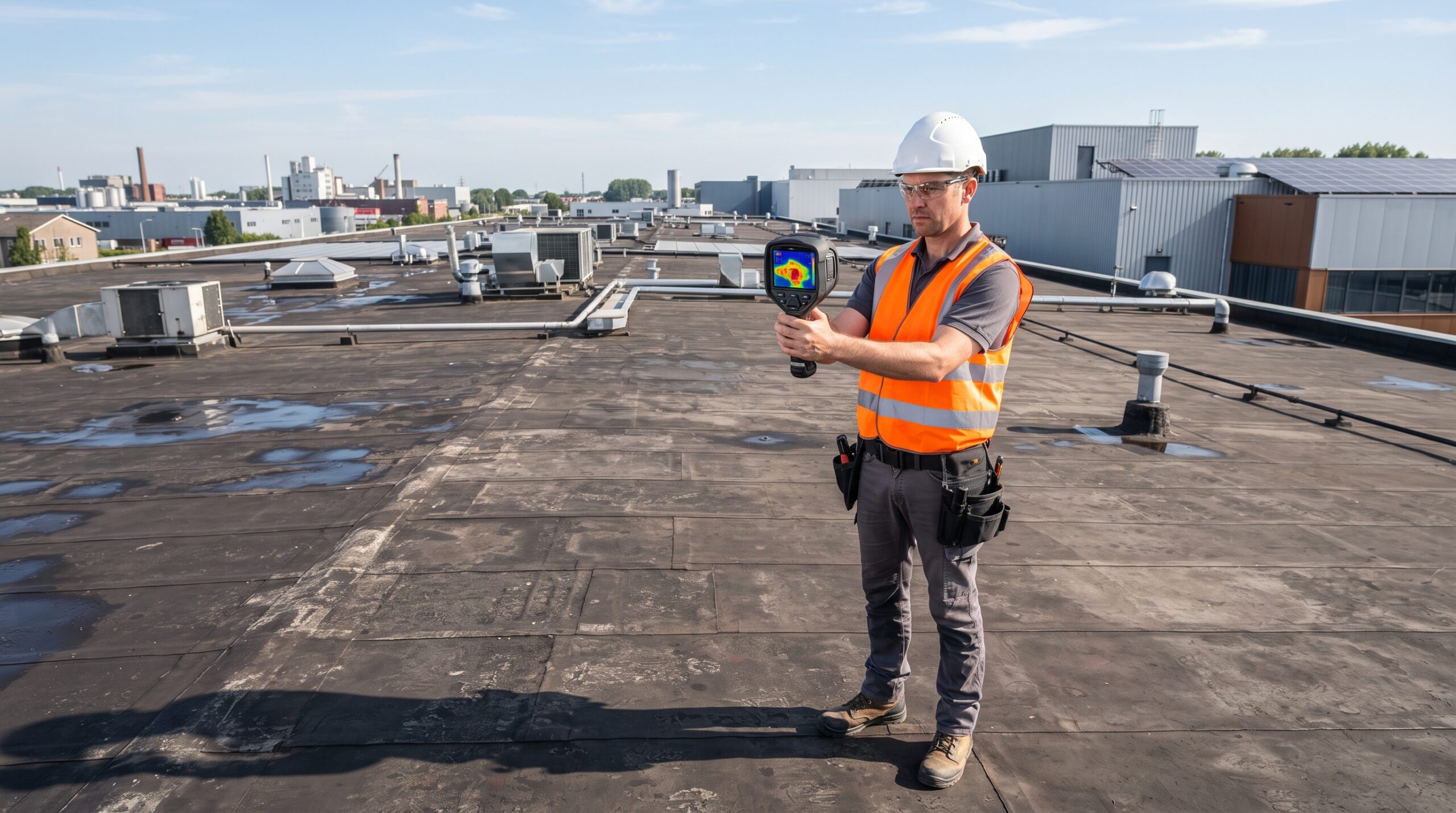
They face different problems. A flat or low-slope roof has little slope to shed water, so condensation and drizzle collect in low spots, and as that water evaporates, salt and dirt concentrate there. Repeated wetting and drying works on membrane seams and speeds surface cracking in sun. On commercial buildings, the parts around the membrane often fail first:
- Rooftop HVAC units, their curbs and their metal stands corrode, and the flashing around the curb opens up.
- Edge metal and its fasteners rust at the perimeter, the area wind loads hardest.
- Drains and scupper boxes corrode and clog, leaving water to pond.
Corrosion-resistant fasteners, separating dissimilar metals and a regular walk-over of curbs and edges keep these small. If you are deciding between repair and replacement after a storm has added to coastal wear, our storm and wind damage guide for Santa Barbara covers how to judge severity.
How do Sundowner winds add to marine layer wear?
Santa Barbara’s signature wind is the Sundowner. A research campaign led by the National Center for Atmospheric Research describes these as downslope windstorms in the lee of the Santa Ynez Mountains, strongest from early evening to mid-morning, that erode and interact with the cool, shallow marine layer along the coast and change temperature and humidity near the ground. For a roof, that means damp, salt-coated materials can be dried quickly and pushed by strong gusts at the same time. Sealants and mortar that have been softened by moisture shrink and crack, and loose ridge tiles or lifted edge metal are the first to move. A roof check after a strong wind event is worth scheduling, not just to find displaced tiles but to see whether seals and mortar have reached the point of letting water in.
Which roof components wear out fastest near the coast?
| Component | What coastal air does to it | What to do |
|---|---|---|
| Pipe boots and vent flashings (rubber or neoprene) | Turn brittle and crack under salt and sun | Replace at the first cracks; consider metal or longer-life boots |
| Sealants around penetrations | Dry out, shrink and pull away | Reseal during each inspection |
| Ridge and hip mortar on tile roofs | Absorbs salt and moisture, loses its bond | Repoint or re-bed loose ridge tiles |
| Metal flashings and edge metal | Rust and pitting, open seams | Replace with corrosion-resistant metal; avoid mixing metals |
| Fasteners | Coating fails, heads rust | Use corrosion-resistant fasteners on any repair |
| Gutters and brackets | Corrode at fastener points | Check brackets; clear gutters before the rainy season |
A full tile roof inspection checklist for Santa Barbara homes covers each of these, not only the visible tile surface.
Can you spot marine layer damage from the ground?
Many Santa Barbara property owners rely on our Polyglass flat roofing specialists for exactly this.
Some signs are visible without climbing onto the roof:
- Ridge tiles that sit slightly raised or out of line with their neighbors, a sign the mortar has weakened.
- Rust streaks running down from flashings, vents or edge metal.
- Dark streaks or green growth on tiles or shingles, encouraged by long damp spells.
- Water stains on ceilings or in the attic after a foggy stretch, not only after rain, which suggests the underlayment is letting moisture through.
White, chalky patches on concrete tiles are usually efflorescence, not salt damage. The Tile Roofing Industry Alliance describes it as a temporary deposit from the cement in the tile that does not harm the tile and usually weathers away. If any of the other signs are present, schedule an inspection rather than waiting for an active leak.
How often should a coastal roof be inspected?
For roofs near the water, we suggest an inspection every year, plus a check after any major storm or strong wind event. The aim is to catch mortar wear, shrinking sealant and corroding flashings while they are still small repairs rather than section replacements. After a storm, our post-storm roof maintenance guide explains what a professional check should cover beyond the tiles.
What can owners do between inspections?
Several safe steps do not involve walking on the roof:
- Keep gutters and drains clear, so water does not back up against fascia or pond on a flat roof.
- Trim branches that overhang the roof; leaves hold moisture against tiles and feed growth.
- Check that attic vents are open and unblocked; good airflow lowers humidity under the roof deck.
- Note any sealant pulling away from a vent or pipe you can see safely from a fixed ladder, and flag it for the next visit.
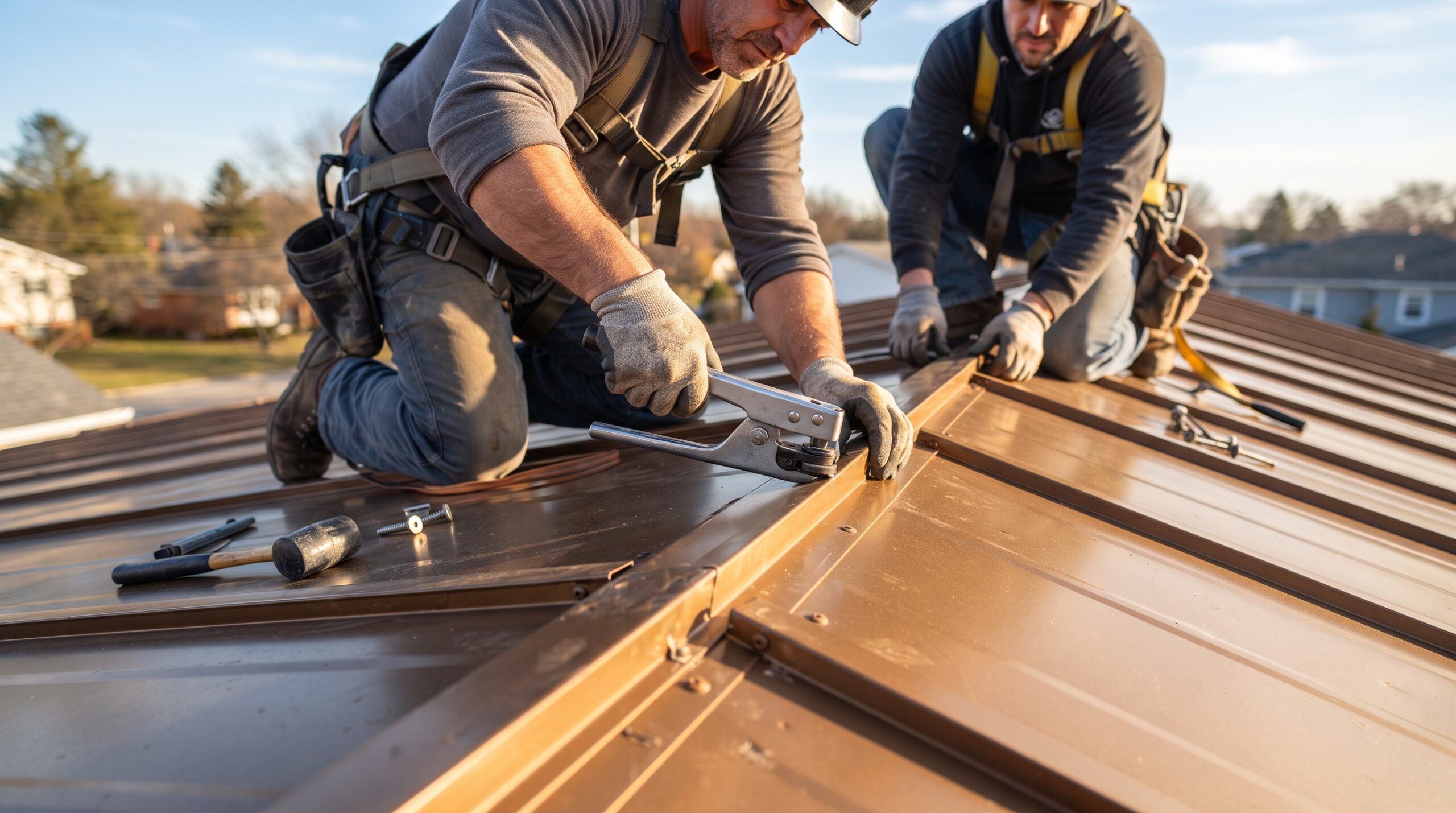
For anything that means getting onto the roof itself, call a licensed roofing contractor.
Get a coastal roof assessment
The marine layer is not a dramatic threat like a hailstorm; it is a quiet, daily process of salt, moisture and sun that adds up over years. Knowing what it does to each part of the roof, and acting on the early signs, is what lets a coastal roof reach its full service life. NEMA Roofing inspects and repairs roofs along the whole coast it serves, from Santa Barbara and Oxnard to the Los Angeles County beach communities, with locations in Oxnard, Santa Barbara, Downey, Tarzana and Woodland Hills covering all of Santa Barbara, Ventura, Los Angeles, Riverside and San Bernardino counties; see our service areas. Learn more on our commercial roofing service page or call 805-977-5949.