Sustainable roofing materials for San Fernando Valley homes come down to five choices: reflective cool-roof shingles, standing-seam metal, clay or concrete tile, recycled composite shingles and, on flat roofs, white TPO or reflective modified bitumen. One filter comes before all of them: in a Very High Fire Hazard Severity Zone the roof assembly must be Class A. To compare them for your home, call NEMA Roofing at 866-631-3366.
6 Sustainable Roofing Materials Worth Comparing in the San Fernando Valley
Which one holds up best in the Valley’s heat while keeping your home cooler and your footprint smaller depends on your roof pitch, budget priorities, and how long you plan to stay in the home. Woodland Hills and the surrounding Valley communities face a specific combination of high summer temperatures, occasional Santa Ana winds, and wildfire-adjacent air quality concerns that makes material selection genuinely consequential. The six options below break down what each one offers in that real-world context.
1. Reflective Cool-Roof Shingles
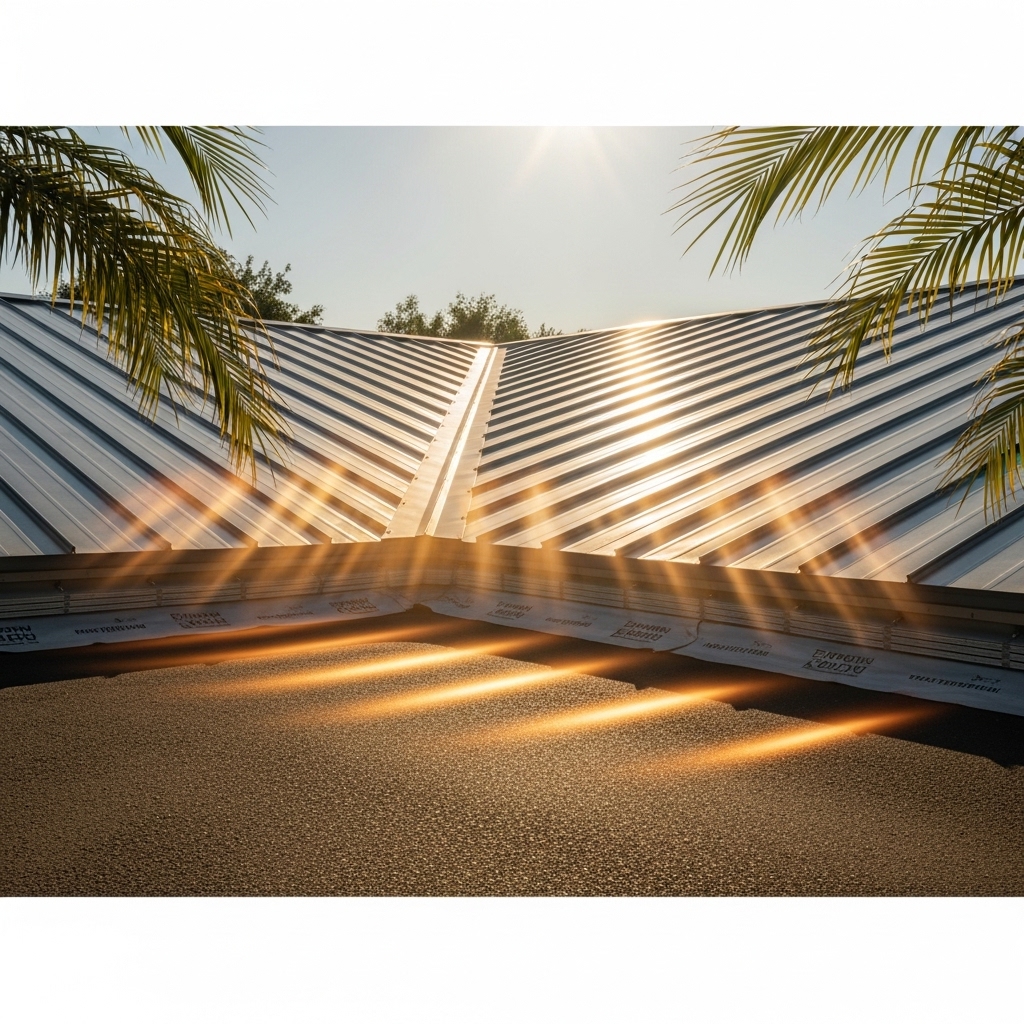
Cool-roof shingles are asphalt or composite shingles engineered with granules that reflect a higher percentage of solar radiation rather than absorbing it as heat. For a Valley home with a pitched roof, they offer the most familiar installation process with a meaningful efficiency upgrade baked in. California’s Title 24 building energy code sets minimum solar reflectance requirements for low-slope roofs and, in several climate zones including the Valley’s, for steep-slope re-roofs as well, and many cool shingles now meet or exceed the steep-slope thresholds. Because the base material is still asphalt, the manufacturing footprint is not zero, but the operational energy savings over a roof’s lifespan can offset a significant portion of that upfront impact. They pair naturally with attic insulation upgrades and ridge venting to compound the cooling effect. For a deeper look at how reflectance ratings are measured and what numbers to look for, see our complete eco-friendly roofing guide for Woodland Hills homes. You can also explore how specific reflectance values perform locally in this heat-reflectance breakdown for Woodland Hills.
2. Standing-Seam Metal Roofing
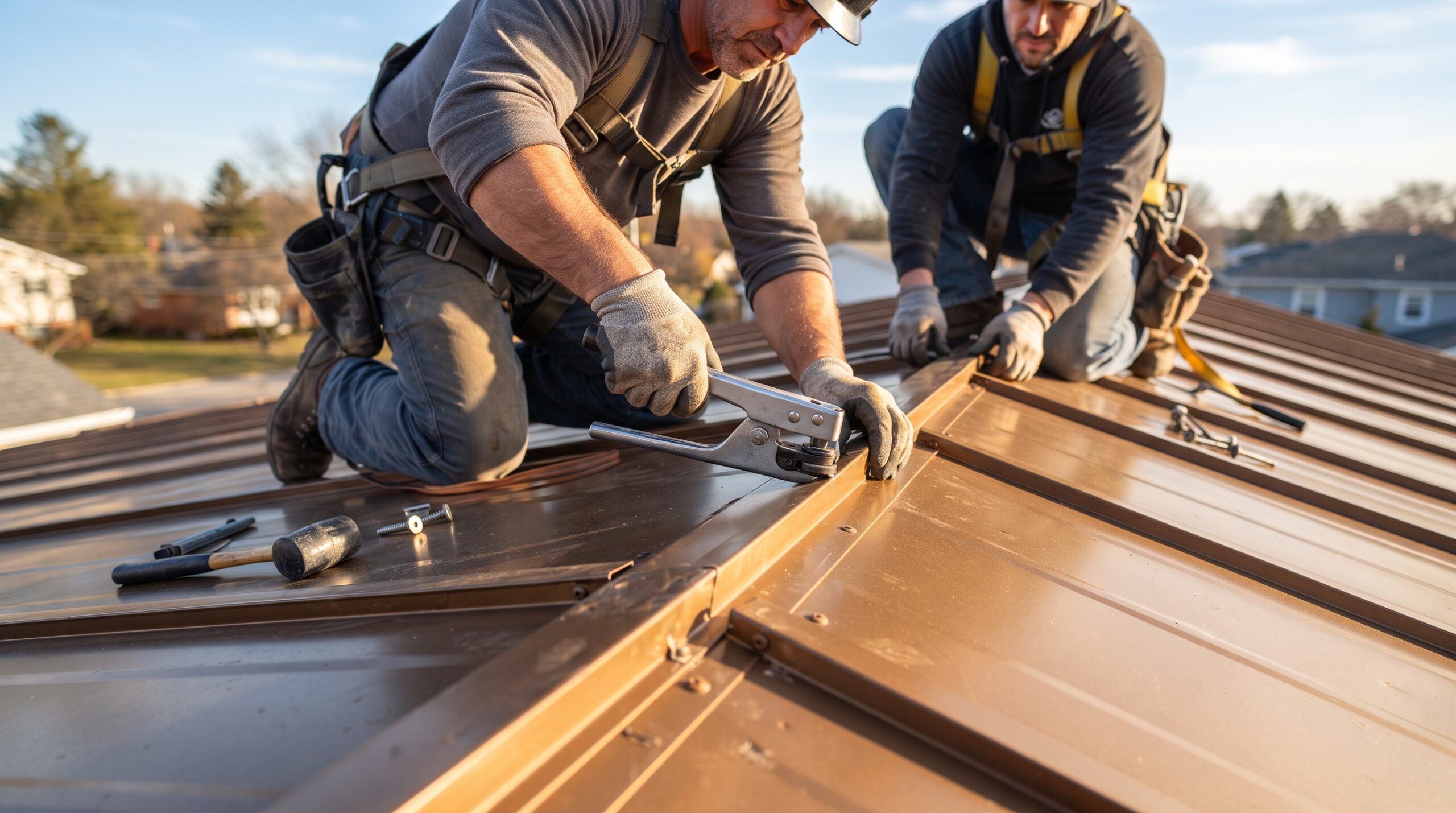
Metal roofing has earned a strong reputation in hot, dry climates for good reason. Standing-seam steel or aluminum panels interlock at raised seams, leaving no exposed fasteners that can loosen or corrode, and the profiles naturally channel rainwater efficiently during the Valley’s infrequent but sometimes intense rain events. From a sustainability standpoint, metal roofing typically contains a meaningful percentage of recycled content and is itself fully recyclable at end of life, which is a significant advantage over petroleum-based materials. Properly installed metal roofs can last several decades longer than standard asphalt, which means fewer replacement cycles and less material going to landfill over the long term. Lighter-colored or factory-coated finishes can also qualify for cool-roof ratings. The main trade-off is upfront cost and the need for an experienced installer who understands thermal expansion. NEMA Roofing’s metal roofing installation service covers both residential standing-seam and exposed-fastener metal panel systems across Woodland Hills and the broader San Fernando Valley.
3. Clay and Concrete Tile
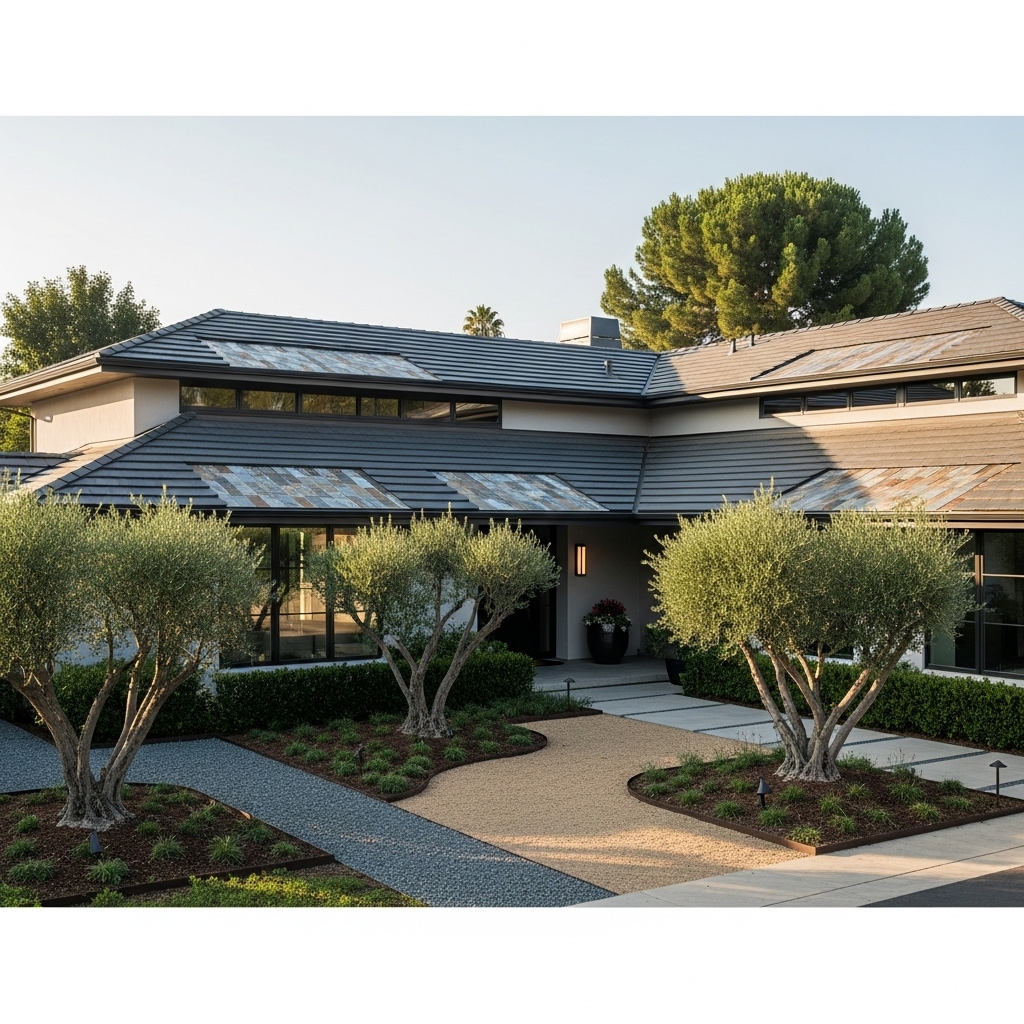
Clay tile is as close to a native material as you’ll find on Valley rooftops. The Spanish and Mediterranean architectural traditions that shaped much of Woodland Hills’ housing stock were built around clay tile for a reason: the natural thermal mass of fired clay slows heat transfer through the roof assembly, and the curved profile of barrel tiles creates an air gap above the roof deck that acts as a passive insulation layer. That air gap is particularly valuable during the long stretch of 90-plus-degree days the Valley experiences each summer. Concrete tile offers similar profiles at a lower material cost, though it is heavier and requires verified structural support. Neither clay nor concrete tile contains petroleum, and both have very long service lives when properly maintained. The environmental caveat is the energy required to fire clay at high temperatures during manufacturing, though the decades-long lifespan helps amortize that impact. For homes already built with tile, re-roofing with matching or upgraded tile is often the most sustainable path because the structural system is already designed for the load.
If you want it handled correctly the first time, consider our green, eco-friendly roofing service.
4. Recycled Composite Shingles
Recycled composite shingles are manufactured from combinations of post-consumer rubber, plastic, and sometimes wood fiber, giving landfill-bound materials a second life as a roofing product. The result is a shingle that can mimic the appearance of wood shake, slate, or traditional asphalt while offering improved impact resistance, which matters in areas where falling debris during Santa Ana wind events is a real concern. Many composite products carry Class 4 impact ratings, and some also meet Class A fire ratings, an important consideration for homes in Woodland Hills’ fire-hazard severity zones. Because the raw materials are diverted waste streams, the embodied carbon story is generally favorable compared to virgin-material alternatives. Longevity varies by manufacturer and product line, so comparing warranty terms and third-party testing data is worthwhile before committing. Weight is typically lighter than tile, making composites an option for structures where load is a constraint.
5. Woodland Hills-Specific Consideration: Wildfire Zone Compatibility
This item is specific to the San Fernando Valley and cannot be skipped. A meaningful portion of Woodland Hills falls within a Very High Fire Hazard Severity Zone as designated by CAL FIRE. That classification directly affects which roofing materials are permissible under local building codes, and it should be the first filter applied before comparing any other attribute. California’s building code requires Class A fire-rated roofing assemblies in these zones, and the assembly rating (not just the individual product rating) is what matters. Clay tile, concrete tile, metal roofing, and many cool-roof shingles can achieve Class A assembly ratings when installed over the correct underlayment system. Some recycled composite products also qualify. The key is verifying the full assembly, not just the shingle or panel in isolation. Requirements can also vary by specific parcel location and the age of the structure, so confirming current permit requirements with the Los Angeles Department of Building and Safety before selecting a material is always the right first step. A licensed Woodland Hills roofing contractor can pull the current requirements for your specific address and help you identify which sustainable options remain on the table. You can also review our roofing inspection checklist for Woodland Hills to understand what inspectors look for in fire-zone roof assemblies.
6. Low-Slope and Flat Roof Options: TPO and Modified Bitumen
Many Woodland Hills homeowners rely on our green, eco-friendly roofing team for exactly this.
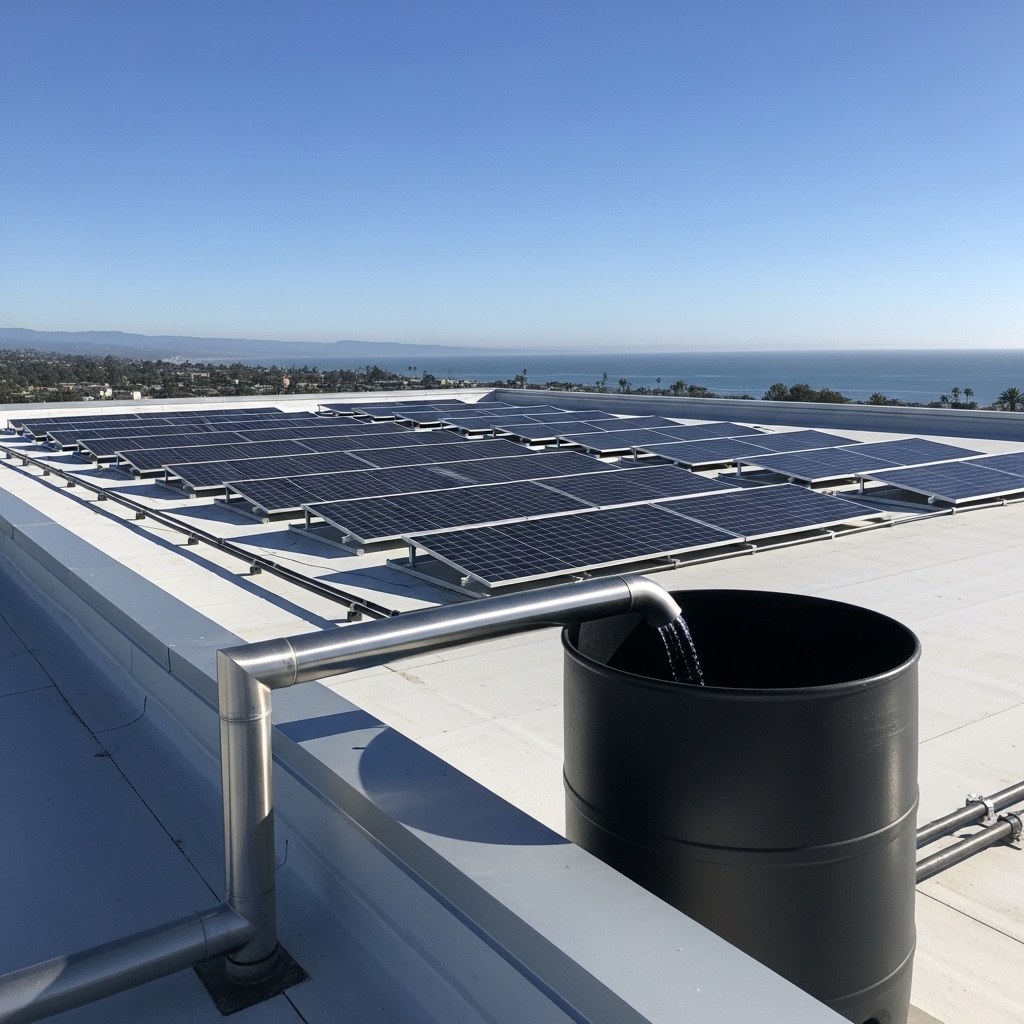
Many mid-century and contemporary homes in the Valley feature flat or low-slope roofs, and this category deserves its own entry because the material choices differ substantially from pitched applications. Thermoplastic polyolefin (TPO) membranes are the most commonly specified cool-roof solution for low-slope applications in California. White TPO reflects a high percentage of solar energy, qualifies for Title 24 compliance in most configurations, and has a track record of durable performance in hot climates. Modified bitumen with a reflective cap sheet is another option that offers excellent waterproofing integrity and can be upgraded with a reflective coating applied over an existing surface, potentially extending the roof’s useful life before a full replacement becomes necessary. For flat roofs, the sustainability calculus often centers on longevity and leak prevention: a flat roof that fails prematurely causes interior water damage that creates its own significant environmental and financial cost. Proper drainage design is as important as material choice. The full eco-friendly roofing guide covers low-slope material ratings and Title 24 compliance in more detail.
Frequently Asked Questions
Does California require cool roofing on replacement roofs in the San Fernando Valley?
California’s Title 24 energy code sets cool-roof requirements that vary based on roof slope, climate zone, and whether the project is new construction or a re-roof. Woodland Hills falls in climate zone 9, where reflective roofing requirements apply to many low-slope replacements. For steep-slope re-roofs, the requirement generally applies when more than half of the roof is replaced, with some exceptions, and the Los Angeles Department of Building and Safety asks for a product certified by the Cool Roof Rating Council on residential roof replacements over 50 percent of the roof area. Because code requirements are updated periodically and vary by project type, confirming the current requirement with a licensed contractor or the Los Angeles Department of Building and Safety before starting work is the most reliable approach.
Which sustainable roofing material lasts the longest in a hot, dry climate?
Clay tile and standing-seam metal both have demonstrated service lives that can stretch well beyond what standard asphalt shingles typically achieve in Valley conditions, where UV exposure and thermal cycling accelerate degradation. Both require proper installation and periodic maintenance to reach their potential lifespan. The right choice depends on your roof’s structural capacity, its pitch, and the architectural style of your home.
Can I add a reflective coating to my existing roof instead of replacing it?
In some cases, yes. Reflective elastomeric coatings can be applied over sound existing modified bitumen or single-ply membranes on low-slope roofs, extending the roof’s life and improving its solar reflectance without a full tear-off. Whether a coating is appropriate depends on the current condition of the roof substrate. A professional inspection is the necessary first step to determine if the existing surface is a good candidate or if underlying issues make a coating a temporary fix rather than a genuine solution.
Choosing the right sustainable roofing material for a San Fernando Valley home means balancing fire-zone requirements, thermal performance, structural load, and long-term durability. No single material wins on every dimension, which is why a site-specific assessment matters more than a generic ranking. If you’re ready to compare options for your Woodland Hills property, the team at NEMA Roofing can evaluate your current roof and walk through which green roofing choices make sense for your specific home. Our Woodland Hills and Tarzana teams are two of NEMA’s five Google-verified locations, alongside Santa Barbara, Oxnard and Downey, and together they cover Los Angeles, Ventura, Santa Barbara, Riverside and San Bernardino counties; our roofing contractor services page lists everything we do. Call 866-631-3366 to schedule a roof inspection and get a clear picture of your options before committing to a direction. For a comprehensive overview of all eco-friendly roofing categories and how they perform in our local climate, start with our Woodland Hills eco-friendly roofing guide.