Eco friendly roofing in Woodland Hills means a roof that keeps Valley heat out of the house, meets the cool-roof rules of climate zone 9, carries a Class A fire rating where the hillside fire zones require it, and lasts long enough to limit waste: in practice a cool-rated shingle or tile, coated metal, or a reflective membrane or coating on flat sections. This guide compares each option and how to choose. For an inspection and written proposal, call NEMA Roofing at 818-528-6412.
You step outside on a July afternoon in Woodland Hills and the asphalt shingles on your roof are radiating heat you can feel from the driveway. That heat doesn’t stay outside. It pushes into your attic, forces your AC to run longer, and shows up on your utility bill every month. For homeowners across Woodland Hills and the western San Fernando Valley, that cycle is exactly why eco friendly roofing has moved from a niche interest to a practical priority. This guide covers every major green roofing option available here, what makes each one worth considering, and how to choose the right fit for your home.
Why Eco Friendly Roofing Matters in Woodland Hills
Woodland Hills regularly records some of the highest summer temperatures in Los Angeles County. The neighborhood sits inland, shielded from coastal breezes, and frequently sees days above 100°F during heat events. A conventional dark-colored asphalt roof can reach surface temperatures well above the ambient air temperature on those days, turning your attic into an oven and pushing cooling loads higher.
Beyond personal comfort and energy costs, California has adopted some of the most aggressive building energy codes in the country. Title 24, the state’s energy efficiency standard, already mandates cool-roof performance metrics for many re-roofing projects in climate zones like Woodland Hills (Climate Zone 9). Choosing a genuinely sustainable roof material often means you’re meeting or exceeding those requirements from the start, which simplifies permitting and future resale disclosures. Requirements do vary by project type, so always confirm specifics with your licensed roofing contractor and local building department before finalizing a scope of work.
The local wildfire risk adds another layer. Woodland Hills sits adjacent to the Santa Monica Mountains and has experienced significant fire events. Fire-resistant roofing materials, many of which overlap with eco-friendly categories, carry a Class A fire rating and can reduce ember intrusion risk, which is a meaningful consideration when selecting materials here.
The Core Green Roofing Options Available Here
Not every material marketed as “sustainable” performs equally well in a hot, dry, fire-prone climate. Below are the options that genuinely make sense for Woodland Hills homes, along with honest trade-offs for each.
Cool Roofing Systems (Reflective Coatings and Membranes)
Cool roofing is the most broadly applicable eco-friendly upgrade for Woodland Hills. The concept is straightforward: materials with high solar reflectance (SRI) bounce sunlight back instead of absorbing it. On a flat or low-slope roof, this typically means a white or light-colored elastomeric coating or TPO membrane. On sloped roofs, it means reflective shingles or tiles with pigments engineered to reflect near-infrared light even in darker colors.
A well-specified cool roof can meaningfully reduce peak attic temperatures, which in turn reduces how hard your HVAC system works during the hottest parts of the day. The California Energy Commission recognizes cool roofing as one of the most cost-effective energy efficiency measures available in Climate Zone 9. For a deeper look at how reflectance ratings work and which products qualify, see our heat reflectance roofing overview for Woodland Hills.
Metal Roofing
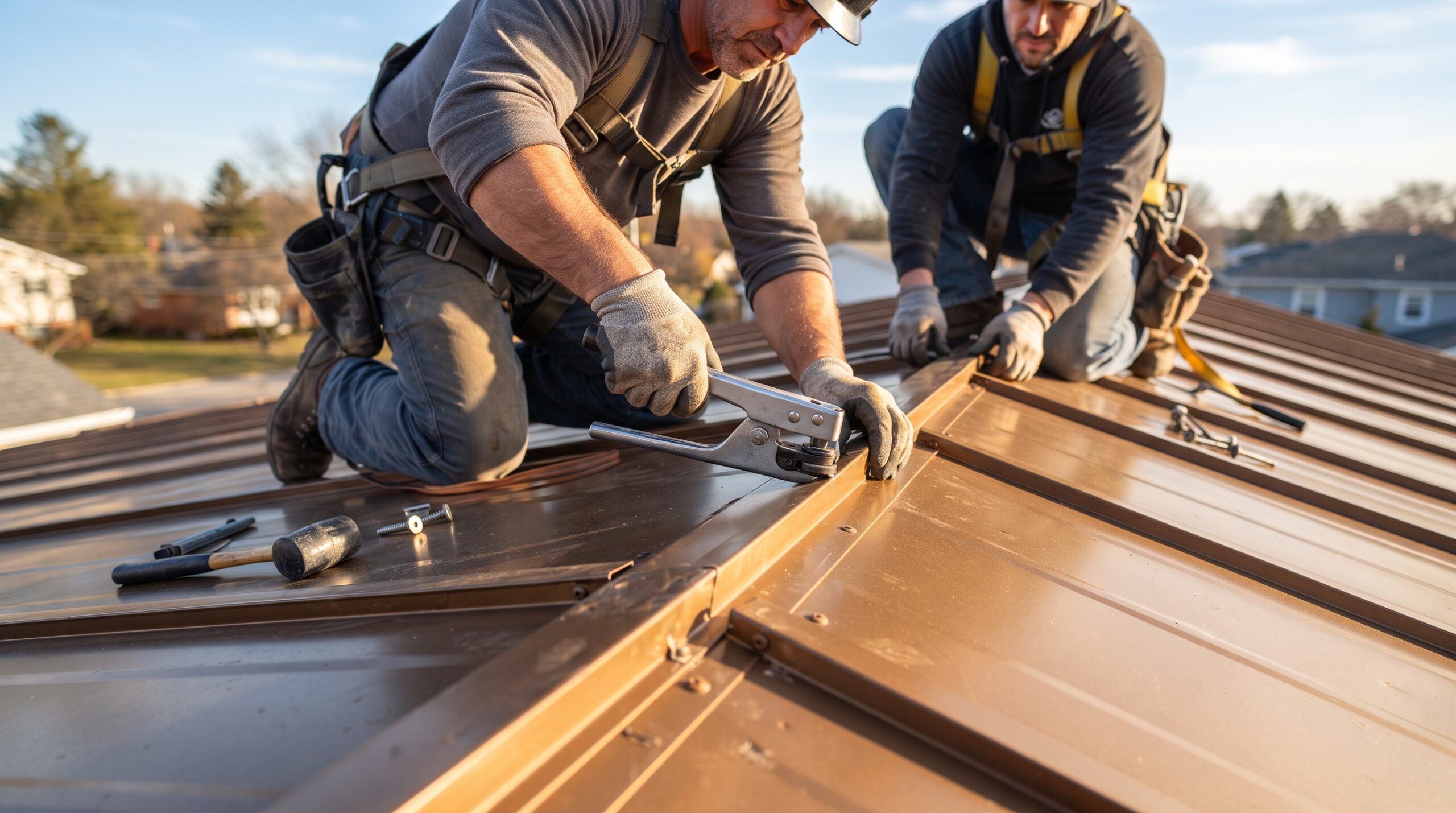
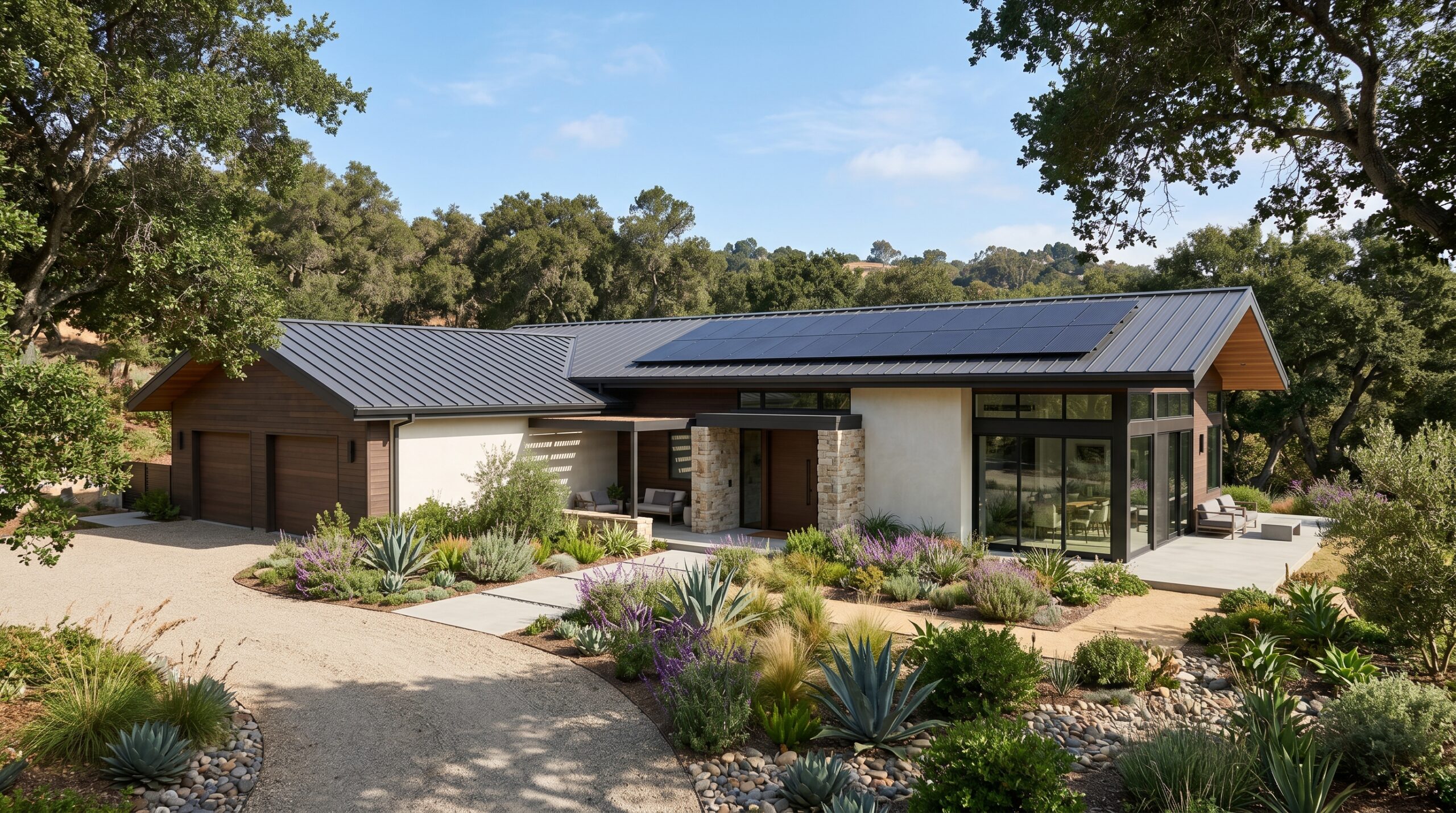
Metal roofing, particularly standing-seam steel or aluminum panels, is one of the most durable and recyclable options available. Most metal roofing contains a significant percentage of recycled content and is itself fully recyclable at end of life, which addresses the landfill problem that plagues asphalt shingles. A quality metal roof can last 40 to 60 years or more with proper maintenance, meaning fewer replacement cycles and less material waste over a home’s lifetime.
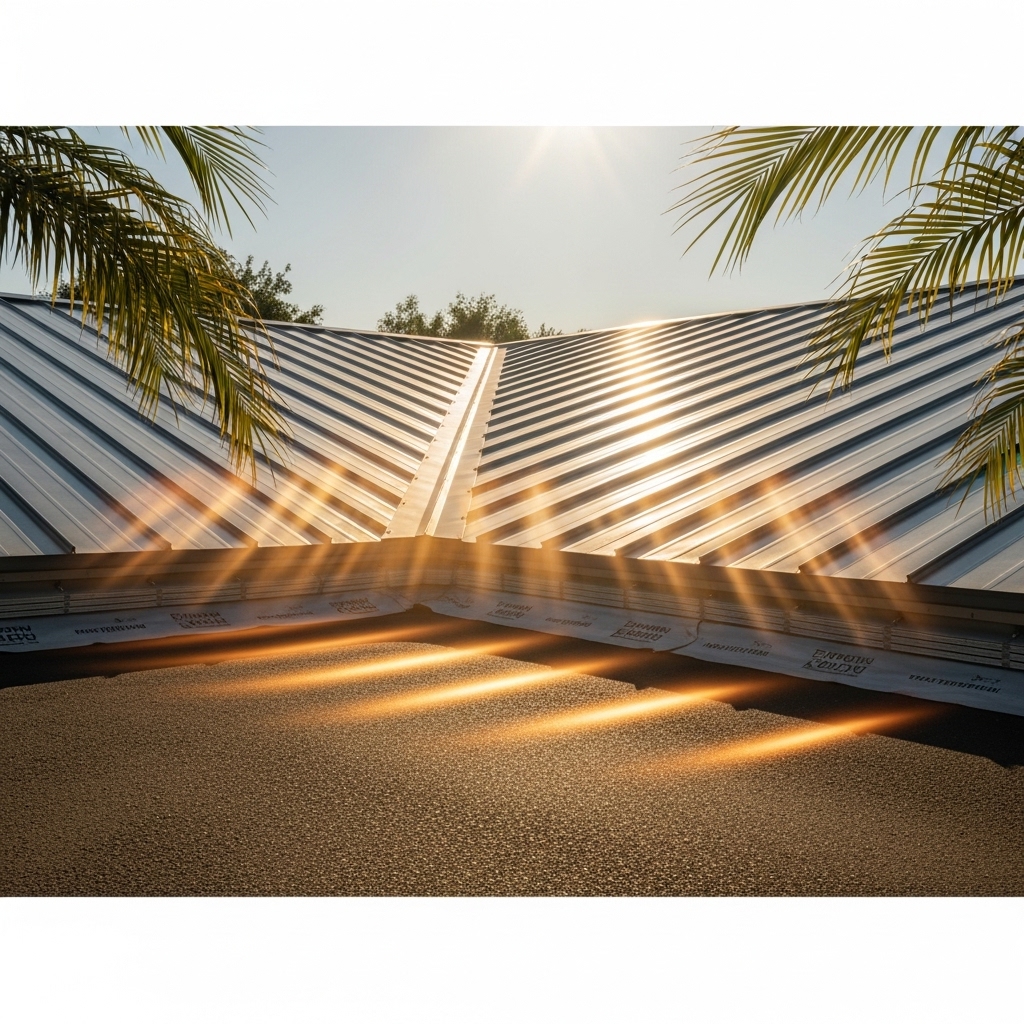
When finished with a reflective coating or in a lighter color, metal roofing also performs well as a cool roof. It sheds debris easily, which matters during the dry fire season, and carries a Class A fire rating. The main trade-off is upfront investment, which is higher than asphalt, though the extended lifespan often changes the long-term math considerably. NEMA Roofing installs metal roofing systems for both residential and commercial properties throughout Woodland Hills.
Concrete and Clay Tile
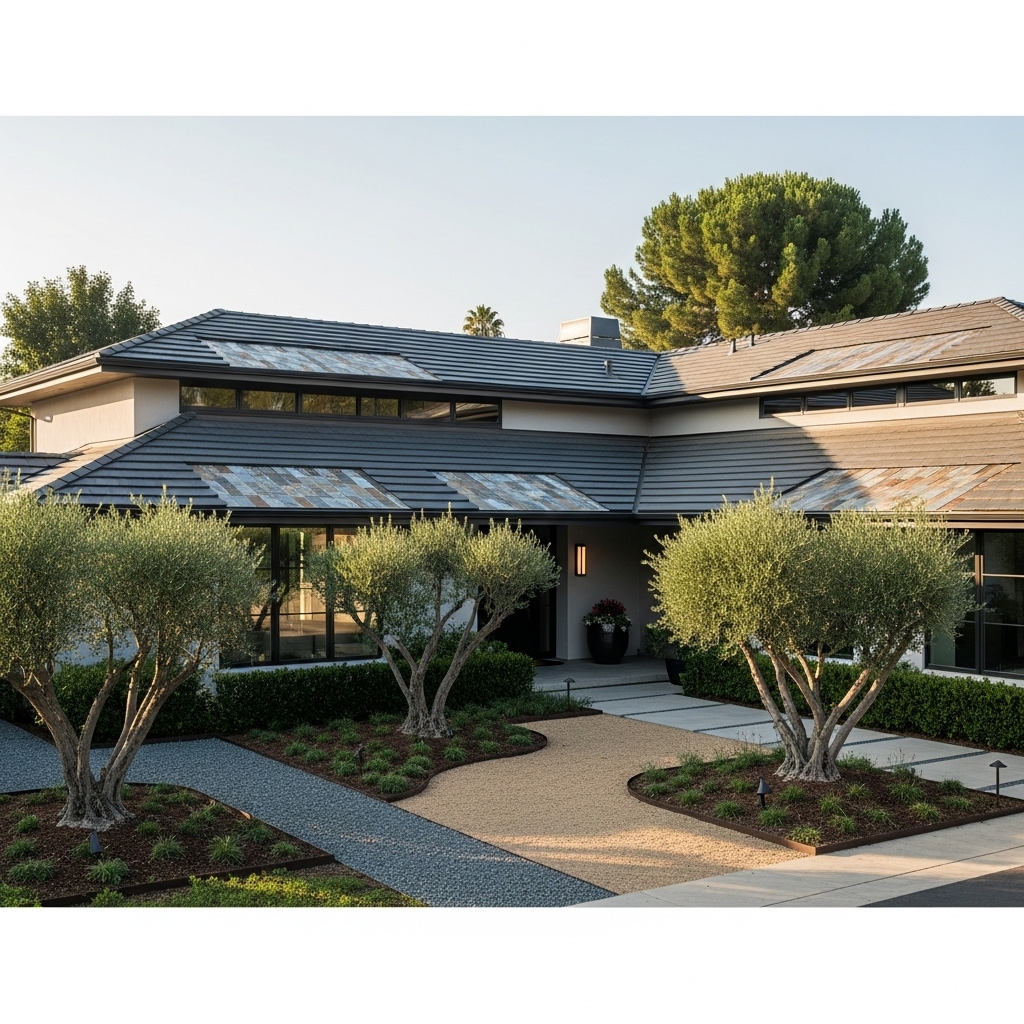
Tile roofing has a long history in Southern California for good reason. The barrel or S-profile of clay and concrete tiles creates an air gap between the tile and the roof deck, which provides natural ventilation and reduces heat transfer. Lighter-colored tiles, or tiles with a cool-roof glaze, can achieve strong solar reflectance ratings.
Clay tile is a natural material with a very long service life, often 50 years or more. Concrete tile is denser and heavier but also durable and widely available. Both carry Class A fire ratings. The weight of tile requires adequate structural support, so older Woodland Hills homes built in the 1950s through 1970s may need a structural assessment before a tile installation. Your roofing contractor can help evaluate that during an inspection.
Recycled-Content Shingles
Composite shingles made from recycled rubber, plastic, or a blend of reclaimed materials are a newer category worth knowing about. They divert waste from landfills and can mimic the look of slate or wood shake without the weight or fire risk of natural materials. Performance varies significantly by manufacturer and product line, so it’s worth reviewing third-party durability data and warranty terms carefully before choosing this route.
Solar Roofing and Integrated Panels
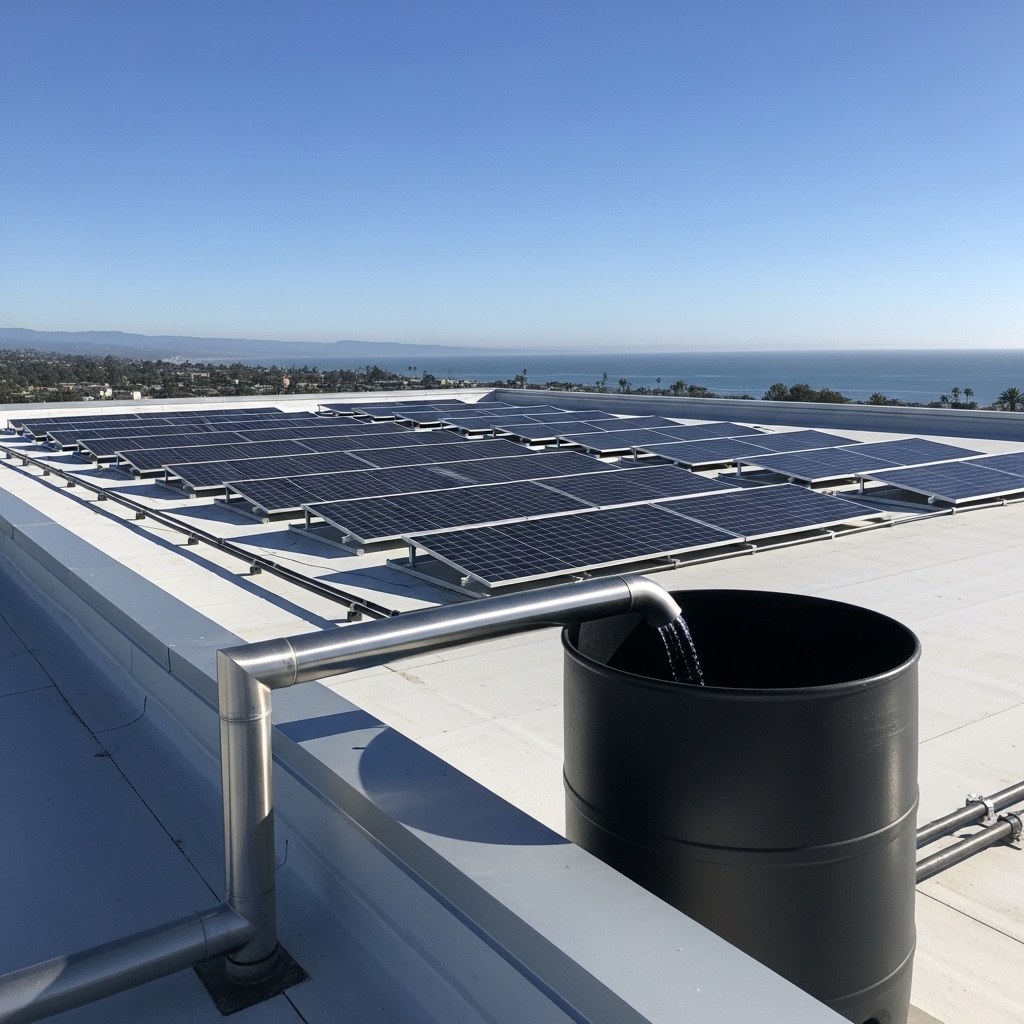
While solar panels themselves are an electrical system outside the core scope of roofing work, the roof underneath them matters enormously. Installing a durable, long-lasting roof material before adding solar panels avoids the costly process of removing and reinstalling panels to re-roof later. If solar is part of your long-term plan, choosing a 40-plus-year metal or tile roof now is a sound strategy. NEMA Roofing can coordinate the roofing scope so your surface is solar-ready.
Comparing Eco Friendly Roofing Materials: A Practical Breakdown
If you want the material matched to your house the first time, talk to our eco-friendly roofing team in Woodland Hills.
| Material | Estimated Lifespan | Fire Rating | Cool Roof Capable | Recycled/Recyclable | Best For |
|---|---|---|---|---|---|
| Cool Roof Coating (flat) | 10-20 years (recoatable) | Class A | Yes (by design) | Varies by product | Flat/low-slope roofs, budget-conscious upgrades |
| Metal (standing seam) | 40-60+ years | Class A | Yes (with reflective finish) | High recycled content; fully recyclable | Long-term investment, solar-ready homes |
| Clay Tile | 50+ years | Class A | Yes (light colors/glazed) | Natural material, long service life | Traditional SoCal aesthetics, hillside homes |
| Concrete Tile | 30-50 years | Class A | Yes (cool-roof pigments available) | Moderate; long service life | Cost-effective tile alternative |
| Recycled Composite Shingles | 30-50 years | Class A (most products) | Some products | High recycled content | Aesthetics of shake/slate without the weight |
| TPO/PVC Membrane | 20-30 years | Class A | Yes (white membrane) | Recyclable in some programs | Commercial flat roofs, modern low-slope residential |
For a side-by-side look at material durability, maintenance demands, and long-term value, the sustainable roofing material comparison breaks down each option in more detail.
The Woodland Hills Climate and Housing Stock: What Shapes Your Decision
Woodland Hills occupies a distinct micro-climate within the San Fernando Valley. Summers are long and intensely hot, with the neighborhood frequently included in excessive heat warnings issued by the National Weather Service. Winters are mild but can bring heavy rainfall events, and the area’s proximity to the hills means drainage and wind uplift are real considerations during storm seasons.
The housing stock reflects the neighborhood’s development timeline. Many homes were built between the late 1940s and the 1980s, meaning original roof structures were often designed for lighter asphalt shingles. Transitioning to tile or metal on these homes sometimes requires a structural review. Homes built after the 1990s, particularly in newer developments toward the Calabasas border, more often have framing already rated for heavier materials.
The wildland-urban interface (WUI) designation applies to portions of Woodland Hills, particularly on streets backing up to open space. Homes in WUI zones are subject to additional building code requirements, including roofing material standards that typically mandate Class A fire ratings. If your property sits in one of these zones, your material choices are already narrowed toward the eco-friendly end of the spectrum, since most sustainable options carry Class A ratings by default. Verify your property’s designation with the Los Angeles Department of Building and Safety or a licensed local contractor before specifying materials.
How to Evaluate a Sustainable Roof Replacement Quote
Getting a quote for a green roof replacement involves more variables than a standard shingle swap. Here’s what to look for when reviewing proposals from a Woodland Hills roofing contractor.
Verify SRI and Reflectance Ratings
Ask for the Solar Reflectance Index (SRI) rating of any product being proposed. California’s Title 24 sets minimum SRI thresholds for re-roofing in Climate Zone 9. A contractor who can’t produce this number for the product they’re recommending hasn’t done the homework. Products listed in the Cool Roof Rating Council (CRRC) Rated Roof Products Directory have independently verified ratings (the ENERGY STAR roof product program ended in June 2022, so an ENERGY STAR label is no longer a current rating).
Ask About Deck and Ventilation Condition
A sustainable roof material installed over a damaged deck or a poorly ventilated attic won’t perform as intended. A thorough proposal should include an assessment of the existing deck condition and attic ventilation. Proper ventilation works in tandem with a cool roof to reduce attic heat buildup. If a quote skips this evaluation entirely, ask why.
Understand the Warranty Structure
Manufacturer warranties for eco-friendly materials vary widely. Metal roofing warranties often run 30 to 50 years on the finish. Tile warranties cover the material but not always the installation. Ask for both the manufacturer’s material warranty and the contractor’s workmanship warranty in writing, and clarify what voids each one.
Factor in the Full Project Scope
The cost of a sustainable roof replacement in Woodland Hills depends on roof area, pitch, material choice, deck condition, and whether any structural upgrades are needed. What drives roofing costs in Woodland Hills walks through each variable so you can understand what you’re comparing when reviewing multiple quotes. Getting at least two or three detailed written proposals helps you evaluate whether a bid reflects the actual scope.
Starting with a Roof Inspection
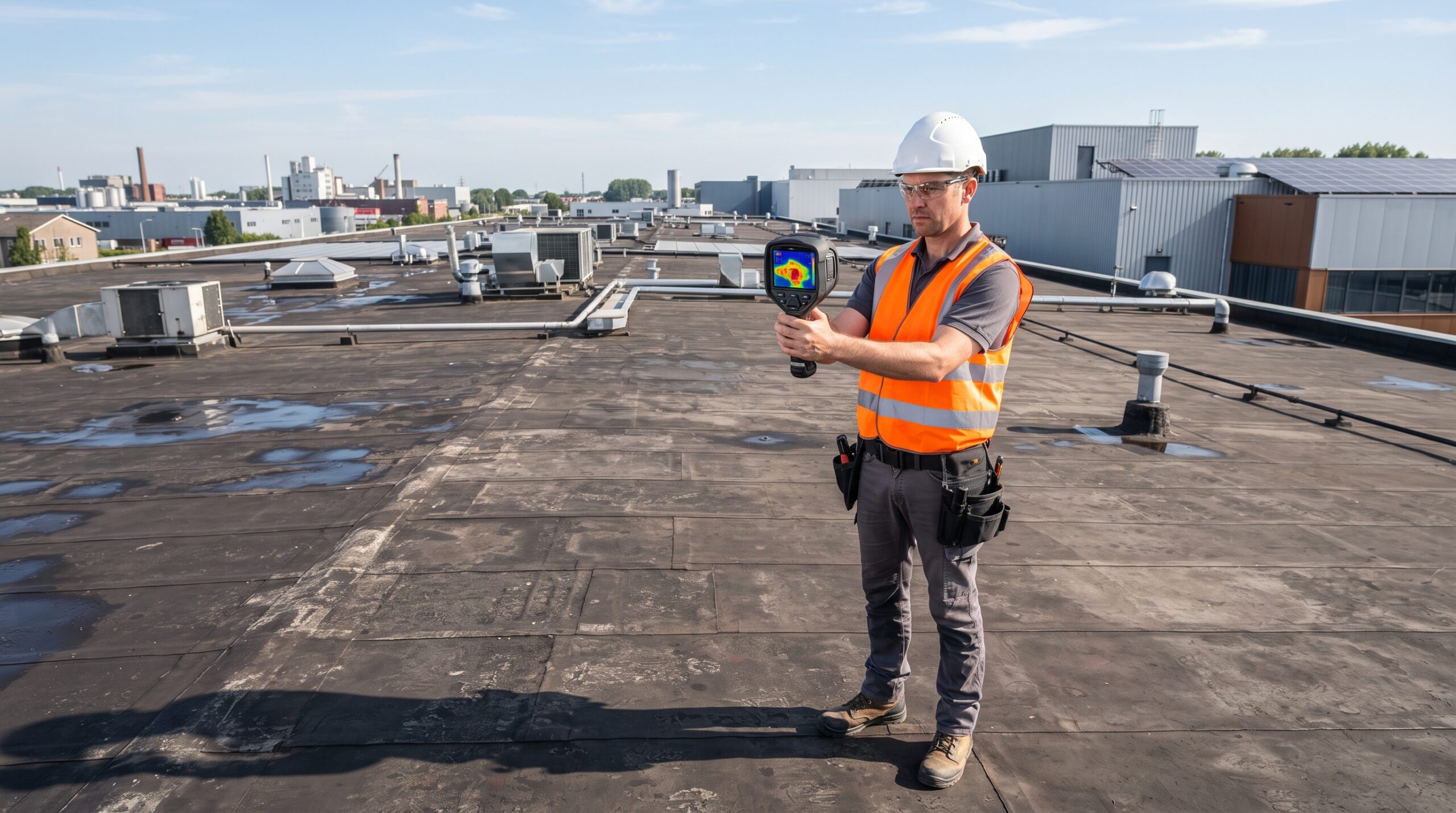
Before committing to any material or system, a professional inspection establishes what you’re actually working with. An inspection identifies the current deck condition, any existing moisture intrusion, flashing failures, and ventilation gaps that would undermine even the best new material. It also gives you documentation of the roof’s current state, which matters for insurance purposes and when planning a phased approach to improvements.
The Woodland Hills roof inspection checklist outlines what a thorough inspection should cover so you know what to expect before a contractor arrives. NEMA Roofing provides professional roof inspections for both residential and commercial properties throughout Woodland Hills and the surrounding San Fernando Valley.
Many Woodland Hills homeowners start with an inspection from an experienced green roofing contractor in Woodland Hills for exactly this reason.
Ready to find out which eco-friendly option fits your home? Call NEMA Roofing at 818-528-6412 to schedule an inspection and get a detailed quote for your property.
Working with a Woodland Hills Roofing Contractor Who Knows Green Options
Not every roofing contractor in the San Fernando Valley has experience with the full range of sustainable materials. Installing a standing-seam metal roof, a TPO membrane, or a cool-roof coating system each requires different training, tools, and manufacturer certifications. When vetting a contractor, ask specifically about their experience with the material you’re considering, whether they’re certified by the manufacturer (which often affects warranty validity), and whether they’re familiar with California’s Title 24 documentation requirements for re-roofing projects.
NEMA Roofing specializes in green and eco-friendly roofing installations across Woodland Hills, including cool roofing systems, metal roofing, and sustainable replacement options for both residential and commercial properties. Our team is familiar with the local building department’s requirements, the WUI zone designations that affect material choices in this area, and the specific performance demands that Woodland Hills summers place on any roofing system.
If you’re weighing your options and want a professional assessment of what your specific home and roof structure can support, reach out to schedule a consultation. We’ll walk through the material options that make sense for your situation, explain the Title 24 implications, and put together a written proposal you can compare with confidence.
Frequently Asked Questions
Does California require a cool roof when I re-roof my Woodland Hills home?
California’s Title 24 energy code sets minimum solar reflectance requirements for many re-roofing projects in Woodland Hills (Climate Zone 9), particularly for low-slope roofs. The specific requirements depend on your roof slope, project scope, and whether it’s a full replacement or a repair. A licensed local contractor can confirm exactly which standards apply to your project and help you select a product that qualifies.
Is metal roofing a good choice for Woodland Hills specifically?
Metal roofing is well-suited to the Woodland Hills climate. It handles extreme heat without degrading the way asphalt can, carries a Class A fire rating relevant to the area’s wildfire risk, and can be finished with reflective coatings that meet or exceed cool-roof standards. The longer lifespan compared to asphalt also means fewer replacements over the life of the home.
How long does an eco-friendly roof replacement typically take?
Project timelines vary by material and roof complexity. A cool-roof coating on a flat commercial roof may take one to three days. A full standing-seam metal or tile replacement on a residential home typically runs several days to a week depending on roof size, pitch, and whether any deck repairs are needed. Your contractor should provide a project timeline in the written proposal.
Can I add solar panels to any eco-friendly roof type?
Solar panels can be mounted on metal, tile, and most composite roofing systems, though the attachment method differs by material. The key consideration is choosing a roof with a remaining service life that aligns with your solar investment, since removing and reinstalling panels to re-roof later adds significant cost. If solar is in your plans, discuss it with your roofing contractor before finalizing the material choice.
What’s the difference between a green roof and a cool roof?
A cool roof refers specifically to materials with high solar reflectance that reduce heat absorption. A green roof, in the architectural sense, refers to a living roof system planted with vegetation. In the broader sustainability conversation, “green roofing” often means any environmentally responsible roofing choice, including cool roofs, metal, recycled-content products, and more. NEMA Roofing offers cool roofing and a full range of sustainable material options; living roof systems are a specialized category with different structural requirements.
How do I know if my existing roof structure can support tile or metal?
The only reliable way to determine this is a structural assessment, either by a licensed structural engineer or through a thorough inspection by an experienced roofing contractor who can identify obvious framing limitations. Homes built in Woodland Hills before the 1980s were commonly framed for lighter asphalt shingles and may need reinforcement before heavier tile is installed. NEMA Roofing evaluates existing structure as part of the pre-project assessment process.
Making the Right Choice for Your Woodland Hills Home
Eco friendly roofing in Woodland Hills isn’t a single product. It’s a decision shaped by your roof’s slope and structure, the neighborhood’s fire risk, California’s energy code, and how long you plan to stay in the home. The options available today, from reflective coatings to standing-seam metal to cool-rated tile, give homeowners real choices that perform well in this specific climate rather than compromises between sustainability and durability.
NEMA Roofing has worked with Woodland Hills homeowners and commercial property owners across the western San Fernando Valley on exactly these decisions. If you’re ready to move from research to a real assessment of your roof, contact us to schedule an inspection and get a written proposal. We’ll help you identify the material that fits your home, your timeline, and your goals for energy performance and longevity.
Woodland Hills is one of NEMA Roofing’s five Google-verified locations, together with Tarzana, Downey, Oxnard and Santa Barbara, and the same green roofing options are installed throughout Los Angeles, Ventura, Santa Barbara, Riverside and San Bernardino counties; see our Woodland Hills roofing page or every area we serve. Call 818-528-6412 to book the inspection.