A heat-reflective roof in Woodland Hills is a roof surface rated for high solar reflectance and thermal emittance, and Woodland Hills has the heat to make it pay: NOAA’s 1991-2020 normals for the Pierce College weather station show about 115 days a year at 90°F or hotter and an August normal high of 97.4°F. A reflective roof keeps the attic cooler, cuts air conditioner run time and slows heat wear on the roofing. Woodland Hills is in California building climate zone 9, so replacing more than half of a pitched home roof here also brings in the state’s cool roof values unless an exception applies. For advice on your roof, call NEMA Roofing at 818-528-6412.
Why Woodland Hills Heat Demands High-Reflectance Roofs
Rooftop surface temperatures in sun-baked inland valleys routinely climb well above ambient air temperatures on peak summer days, and Woodland Hills sits squarely in one of the hottest residential pockets of the greater Los Angeles area. That thermal reality is not abstract: it shows up in sweltering attic spaces, strained air conditioners, and roofing materials that age faster than they should. Understanding the cool roofing benefits specific to Woodland Hills is the first step toward making a smarter, longer-lasting decision for your home.
What exactly is a high-reflectance roof?
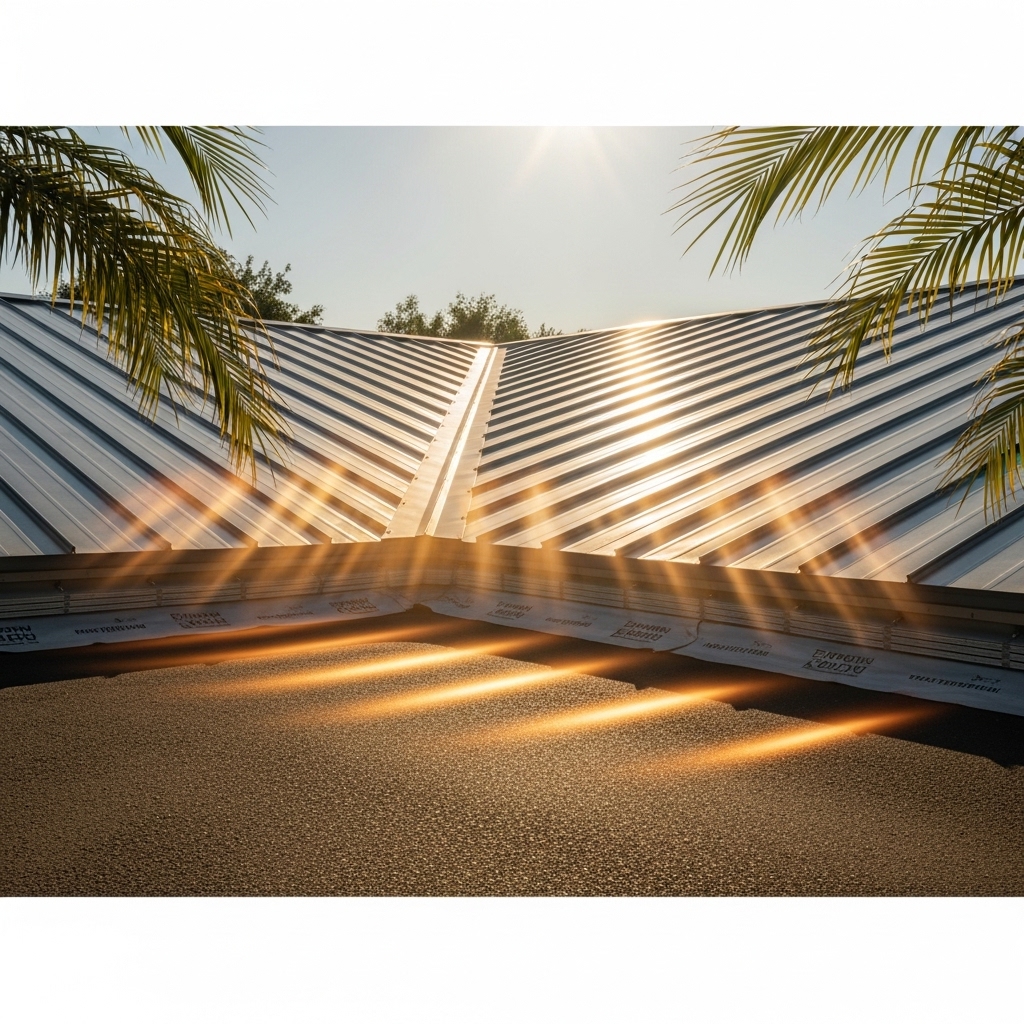
A high-reflectance roof is any roofing system engineered to reflect a significant portion of incoming solar radiation rather than absorbing it as heat. Two measurements matter most: solar reflectance (how much sunlight bounces off the surface) and thermal emittance (how efficiently the surface releases any heat it does absorb). Products rated by the Cool Roof Rating Council (CRRC) carry verified scores for both. When both values are high, the roof stays dramatically cooler than a conventional dark surface, and that coolness cascades through the entire building envelope below it.
Why does Woodland Hills specifically need this kind of roof?
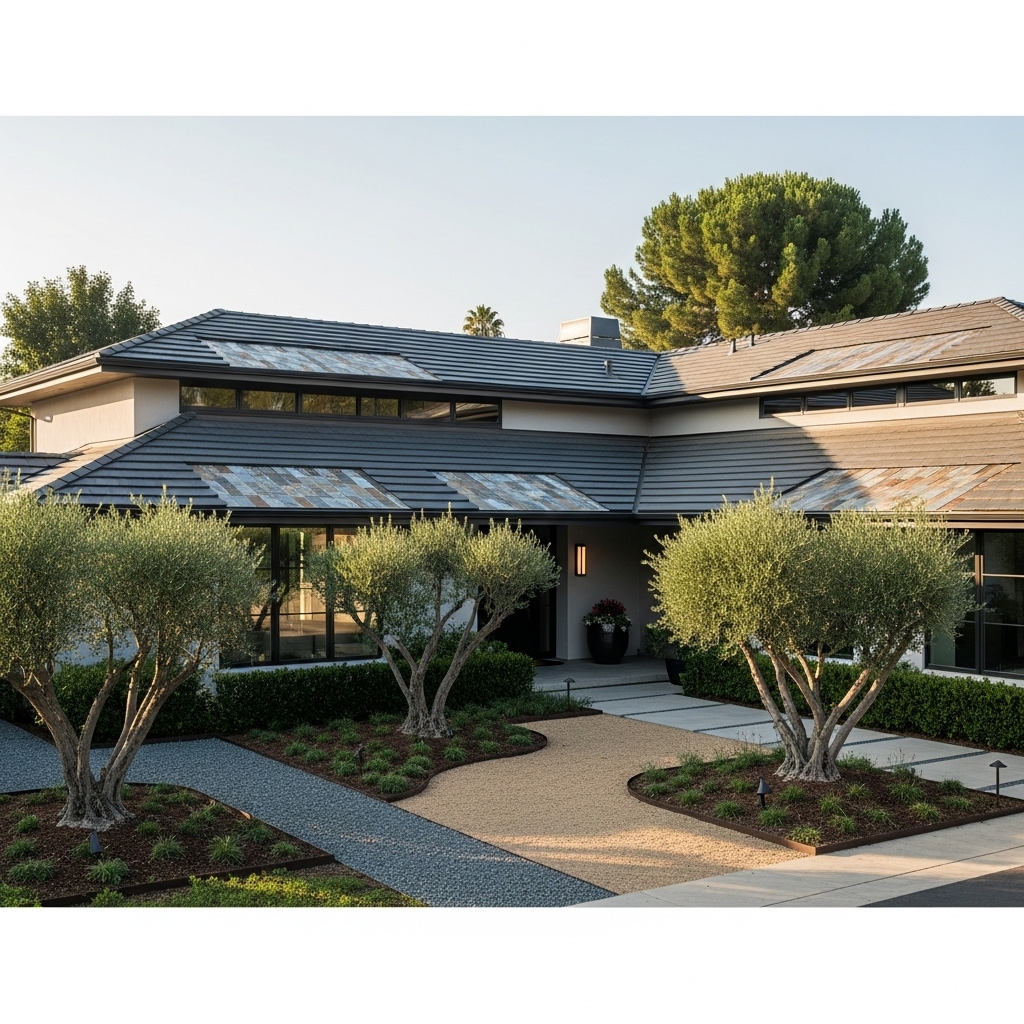
Woodland Hills occupies the western end of the San Fernando Valley, a geography that acts like a heat trap. The surrounding mountains limit afternoon sea breezes that cool coastal neighborhoods, and the valley floor radiates stored heat well into the evening. Parts of the community also lie in a Very High Fire Hazard Severity Zone, where local building codes and CAL FIRE guidelines already push homeowners toward fire-resistant materials. Many of the same materials that earn a Class A fire rating also carry strong solar reflectance scores, so choosing a high-reflectance roof here addresses two pressing local concerns at once. Older ranch-style homes built in the 1950s through 1980s, which make up a large share of the Woodland Hills housing stock, were rarely designed with today’s heat loads in mind, making an upgrade especially impactful.
How much does a conventional dark roof actually heat up?
A standard asphalt shingle in a dark color can reach surface temperatures far exceeding the ambient air temperature during a Woodland Hills summer afternoon. That superheated surface conducts energy downward into the roof deck, then into the attic, and finally into the living space. Even a well-insulated attic slows this transfer rather than stopping it. The result is an air conditioning system that runs longer cycles, wears out faster, and drives up electricity bills throughout the cooling season, which in Woodland Hills effectively runs from late spring through October.
If you want it handled correctly the first time, consider professional green eco friendly roofing in Woodland Hills.
What are the direct benefits a homeowner notices?
The most immediate benefit most homeowners notice is a cooler attic and, by extension, a more comfortable upper floor. Rooms that once felt stuffy in the afternoon become livable without cranking the thermostat. Beyond comfort, the reduced thermal cycling, meaning the repeated expansion and contraction of roofing materials as they heat and cool, extends the service life of the roof itself. Adhesives, sealants, and substrate materials all degrade faster under intense heat stress. A roof that stays cooler simply ages more slowly. For homeowners considering the full picture, our complete guide to eco-friendly roofing materials covers how reflectance fits alongside other sustainable choices like recycled content and end-of-life recyclability.
Which roofing materials deliver the strongest reflectance in this climate?
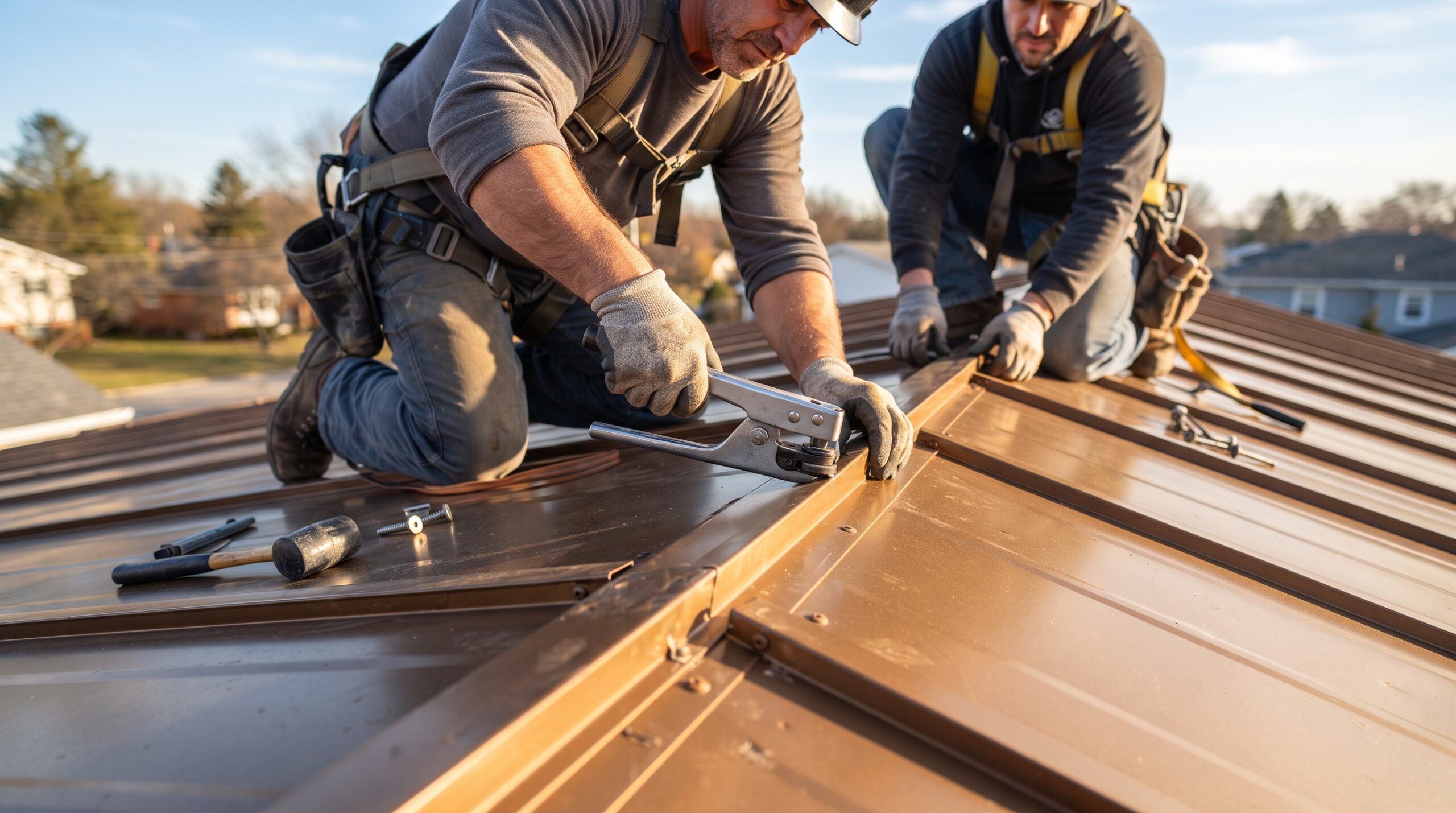
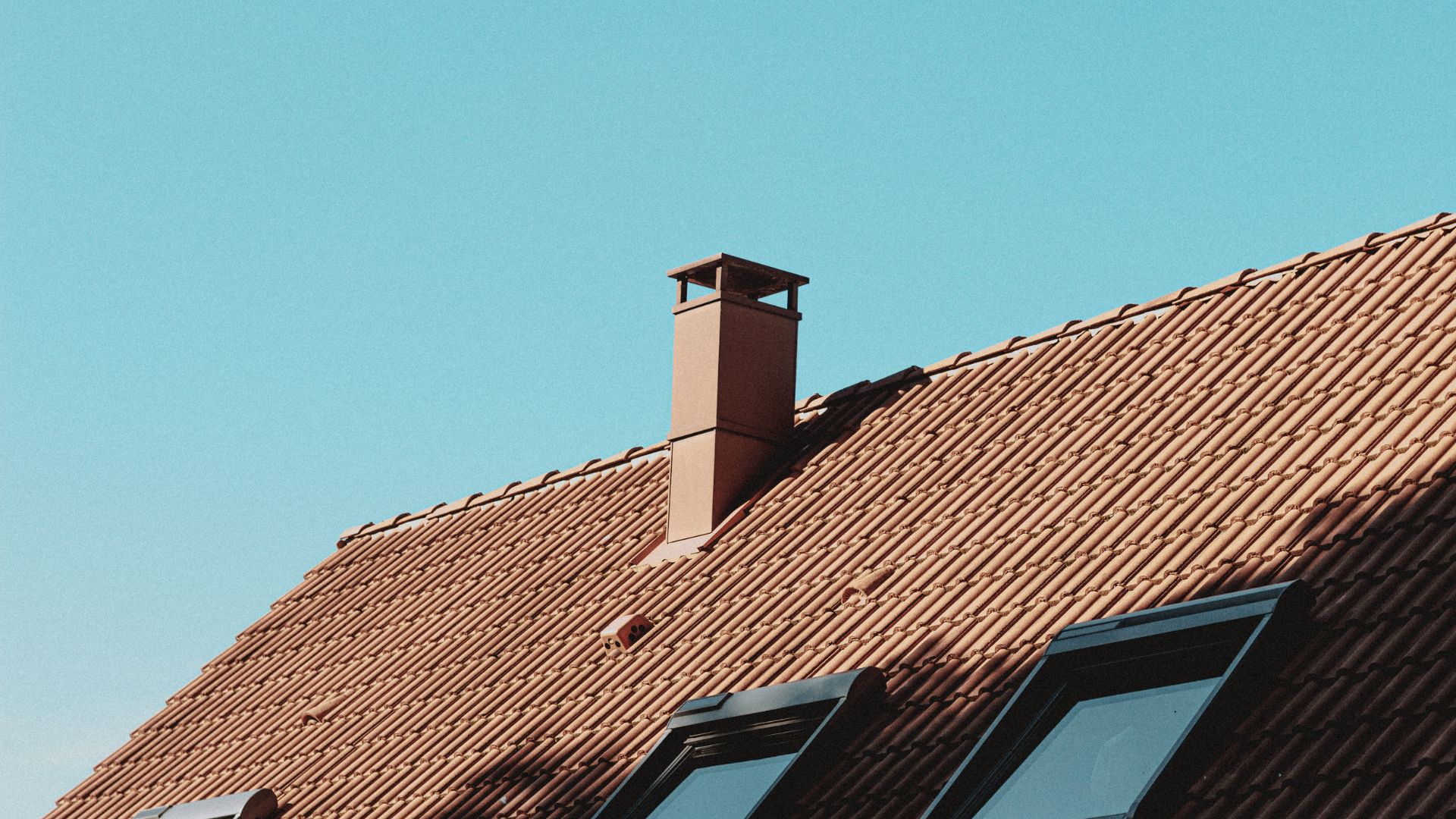
Several material categories perform well in the Woodland Hills heat. Metal roofing, particularly standing-seam steel or aluminum, performs best with a factory cool-color finish: bare, unpainted metal reflects sunlight well but has low thermal emittance, so it holds on to the heat it absorbs, while a painted cool finish scores well on both measurements. Cool-pigment asphalt shingles use specialized granules that reflect near-infrared light even in darker colors, making them a practical choice when aesthetics or HOA rules matter. Concrete and clay tiles, common in the region’s Spanish Colonial and Mediterranean Revival architecture, trap less heat than flat dark surfaces because their curved profiles allow air circulation underneath. Reflective roof coatings applied over existing flat or low-slope surfaces can also dramatically improve performance without a full tear-off. See our material-by-material breakdown for a closer look at how these options compare on reflectance, durability, and weight.
Does California have any requirements or incentives tied to roof reflectance?
California’s Title 24 Building Energy Efficiency Standards set minimum cool roof requirements for certain re-roofing projects, particularly on low-slope roofs and in climate zones that include the San Fernando Valley. Requirements vary depending on roof slope, occupancy type, and whether the project is new construction or a replacement, so it is always worth confirming current requirements with a licensed contractor and your local building department rather than relying on general summaries. Separately, some utility programs have offered rebates for qualifying cool roofing installations, though availability and terms change periodically. A contractor familiar with Woodland Hills permitting, like the team at NEMA Roofing, can tell you what applies to your specific project.
How does a cooler roof connect to broader eco-friendly goals?
Many Woodland Hills homeowners rely on expert green eco friendly roofing in Woodland Hills for exactly this.
Reducing heat gain through a high-reflectance roof lowers a home’s cooling load, which in turn reduces electricity consumption. In a grid that still draws on fossil fuel generation during peak demand hours, that reduction has a real environmental dimension. There is also an urban heat island effect to consider: when many homes in a neighborhood upgrade to reflective surfaces, the collective impact on local ambient temperatures can be measurable. This is one reason the City of Los Angeles, which includes Woodland Hills, writes minimum aged solar reflectance and thermal emittance values for residential roofing into its Green Building Code. For homeowners who want their roof replacement to align with sustainability values, the eco-friendly roofing guide explores how reflectance, material sourcing, and longevity all factor into a genuinely green decision.
What should I look for when budgeting for a high-reflectance roof replacement?
Several factors shape what a cool roof replacement involves beyond the material itself: the existing roof’s condition, the number of layers currently in place, the slope and accessibility of your roof, and whether any decking repairs are needed once the old material is removed. A thorough inspection before any quote is essential, because the cost of surprises discovered mid-project is almost always higher than addressing them upfront. Our guide to Woodland Hills roof cost factors walks through each variable in plain language so you can evaluate proposals with confidence. Separately, a pre-replacement inspection, covered in detail at our Woodland Hills inspection checklist, helps establish exactly what condition your current roof is in before any work begins.
How do I know if my current roof is already failing under the heat stress?
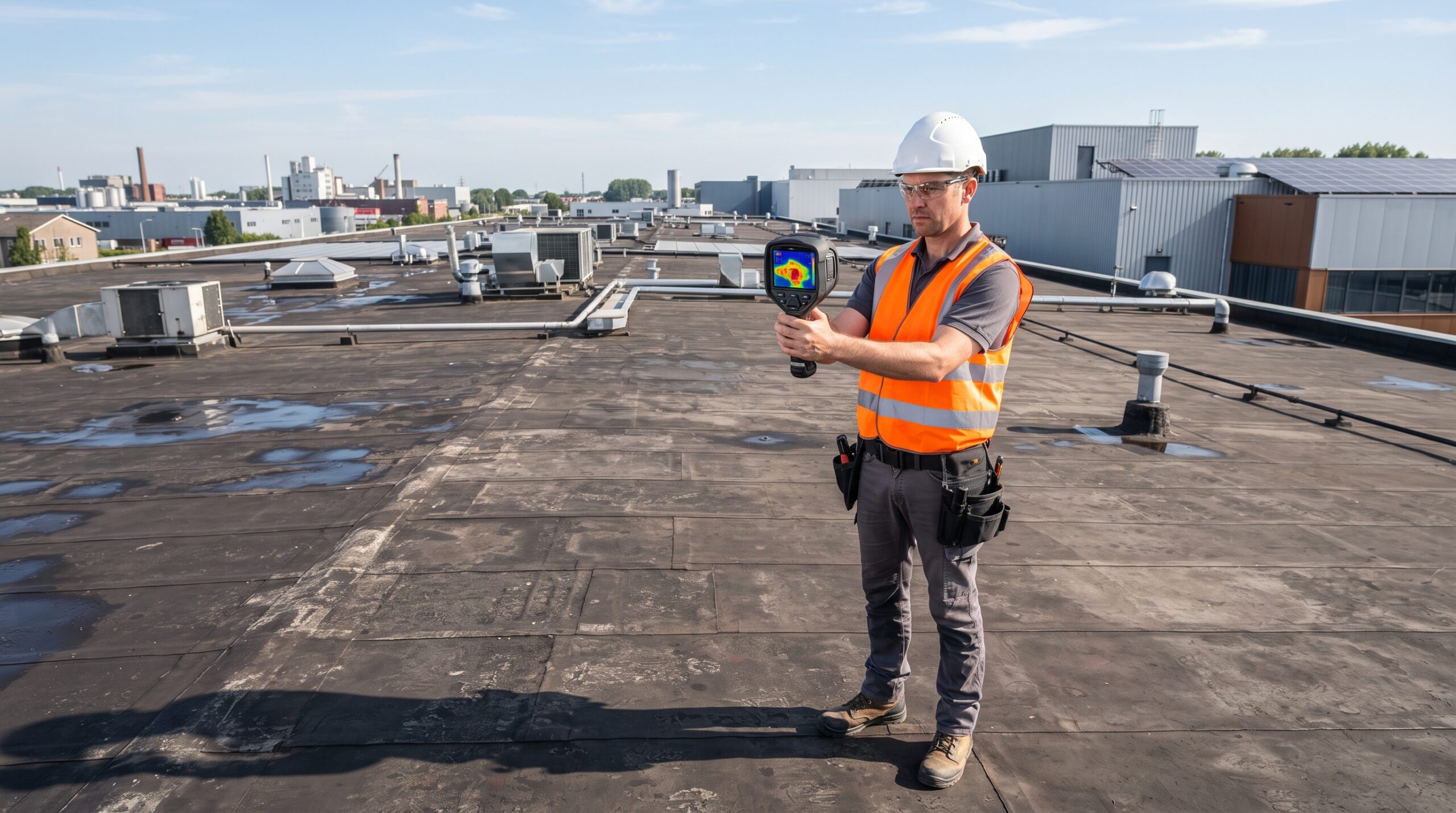
Heat-accelerated wear has recognizable signs. On asphalt shingles, look for granule loss that leaves bare patches visible from the ground, curling or cupping at shingle edges, and cracking along the surface. On flat or low-slope roofs, blistering, alligatoring of the membrane surface, and pooling water after rain all indicate that the material has lost its integrity. Inside the attic, staining on the decking or insulation, or insulation that feels damp, can point to both heat damage and compromised waterproofing. If your home is more than 15 to 20 years old and has never had a professional inspection, scheduling one before the next heat season is a practical first step. NEMA Roofing offers roof inspections throughout Woodland Hills and the surrounding San Fernando Valley communities.
Woodland Hills heat is not a seasonal inconvenience; it is a year-round structural challenge for any roof. A high-reflectance system addresses that challenge directly by keeping surface temperatures lower, reducing the energy your cooling system works against, and extending the useful life of the roof itself. If you are weighing your options for a replacement or want to know if your current roof is holding up, reaching out to a local contractor who knows this climate is the most practical next step. Contact NEMA Roofing to schedule an inspection or discuss which cool roofing solution fits your Woodland Hills home.
NEMA Roofing keeps a Woodland Hills location as one of five, with the others in Tarzana, Downey, Oxnard and Santa Barbara, so every town in Los Angeles County gets the same full coverage as Ventura, Riverside, San Bernardino and Santa Barbara counties; see our Woodland Hills roofing page and all the areas we serve. Call 818-528-6412 to book a roof inspection.