
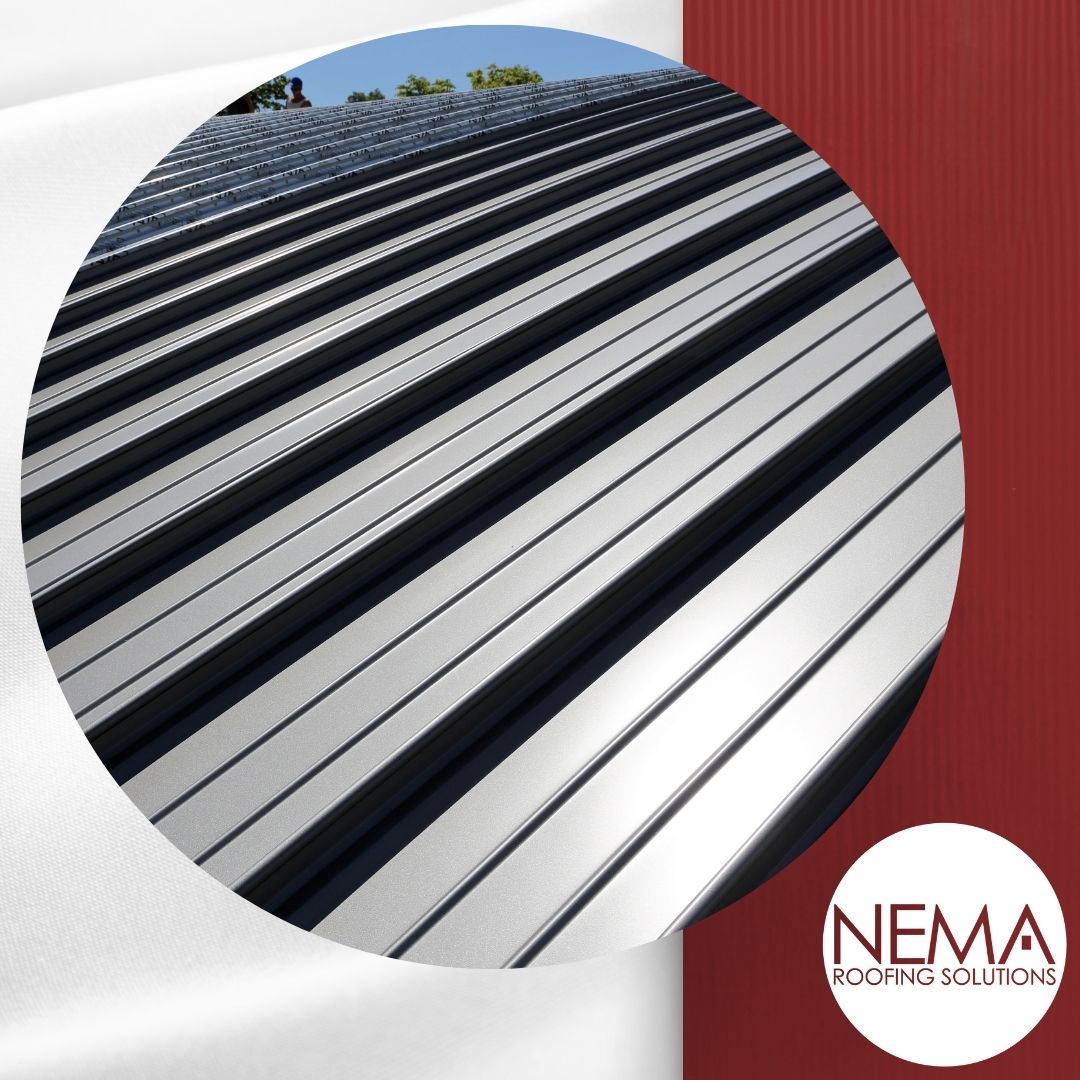
Is metal roofing sustainable? In most cases yes: a well-specified metal roof stays on the house far longer than asphalt shingles, it goes to a metal recycler rather than a landfill when it does come off, and a reflective finish lowers the cooling load in a sunny climate. The case weakens when the metal is wrong for the site, when the roof is replaced early for looks, or when a dark, unrated finish soaks up heat. To talk through a metal roof for your home, call NEMA Roofing at 866-631-3366.
What makes a roof sustainable in practice?
A roof’s environmental footprint comes from four things, and metal’s case rests on all four:
- How often it is replaced. Every tear-off means new material made, shipped and installed, and old material hauled away.
- Where it goes at the end. Recycled into new products, or buried.
- What it does while in service. How much heat it lets into the house, and whether it can carry solar panels.
- What it needs to stay sound. Coatings, sealants and repairs over its life.
Making metal takes a lot of energy up front, which is why the long life and the recycling at the end are what make it pay back environmentally. A metal roof that comes off early loses most of its advantage.
What happens to a metal roof when it comes off?
The U.S. Environmental Protection Agency’s 2018 figures on construction and demolition debris show a clear split between roofing materials: for metals, the main destination was use in manufactured products, while asphalt shingles, like wood, drywall and clay tile, went mainly to landfills. Metal panels, trim and flashing are sorted as scrap and melted into new metal.
On your own project, ask where the old roof and the metal offcuts will go. Separating metal scrap from the rest of the tear-off is simple, and it is the step that turns “recyclable” into recycled.
Does recycled content matter when you choose panels?
It is one factor, but it is secondary to service life. Steel and aluminum used for roofing can contain recycled metal, and the share varies by mill and product. If it matters to you, ask the panel maker for the recycled content on its product data or its environmental product declaration, a standardized report of a product’s environmental impacts. Do not trade a panel suited to your location for a slightly higher recycled share; a roof that corrodes early wastes more than it saves.
How much energy can a cool metal roof save?
The EPA reports that in air-conditioned homes, the solar reflectance of a cool roof can cut peak cooling demand by about 11 to 27 percent, and that by lowering energy use, cool roofs also reduce the related air pollution and greenhouse gas emissions. It notes a possible winter heating penalty in cold climates, which summer savings usually offset; Southern California’s mild winters make that penalty small.
Two points decide how much of this you get. First, the finish: pick a color with aged solar reflectance and thermal emittance ratings from the Cool Roof Rating Council, since reflectance drops as a finish weathers. Second, what sits underneath: insulation and attic ventilation under a metal roof decide how much heat still reaches the rooms.
What else makes metal the greener roof?
- Solar. Standing seam panels take solar racking on seam clamps without holes, and a roof that outlasts the array avoids removing and reinstalling it; see solar panels on a metal roof.
- Less tear-off in some cases. California’s residential code allows certain metal systems to go over one sound layer of shingles, which keeps that layer out of the waste stream for now (it comes off with the metal later). Read when a metal roof can go over shingles.
- Light weight. Metal adds far less load than tile, which matters when an older frame would otherwise need strengthening.
When is metal not the sustainable choice?
- The metal does not suit the site. Federal roofing criteria note that aluminum-zinc coated steel has a shorter service life in direct salt spray; on an oceanfront home, aluminum or a different system may last longer.
- You expect to replace it soon. A roof chosen for a look you will change in a few years never reaches the life that justifies the material.
- The finish is dark and unrated in a hot inland valley. You give up the cooling benefit, and in several California climate zones a steep-slope reroof must meet cool roof values anyway.
- The current roof still has years left. Tearing off a sound roof early adds waste; plan the switch for when the old roof is due.
Planning a sustainable metal roof with NEMA Roofing
With locations in Downey, Tarzana, Woodland Hills, Oxnard and Santa Barbara, NEMA Roofing puts crews on metal roofs in every corner of its five counties: Los Angeles, Ventura, Santa Barbara, Riverside and San Bernardino. Our Ventura County service area page is one place to start. For a wider look at green materials, read eco-friendly roofing for homes. See our metal roofing service, or call 866-631-3366.




