Eco friendly roofing for homes works best as a system: a covering that reflects sunlight or is naturally cool, laid over an attic that is insulated and ventilated, built to last so the house needs fewer reroofs. Done that way, the same roof that lowers the home’s energy use also keeps upstairs rooms cooler and protects the roof deck from heat and moisture. For advice on your house, call NEMA Roofing at 866-631-3366.
What an eco-friendly roof does for the house itself
Most talk about green roofing is about the planet. The gains you feel at home are more direct. The California Energy Commission lists them for cool roofs: lower roof and attic temperatures, a cooler house, more comfort for the people inside, less need for air conditioning and lower energy costs. The top floor and rooms under a low attic usually notice first, because they sit closest to the hot roof deck.
There is a second, quieter gain. A cooler, well-vented attic is easier on the roofing itself, the deck boards and anything stored or running up there, including air-conditioning ducts.
The roof, the attic and the ducts work together
Heat takes a path: sun on the roofing, through the deck, into the attic air, then down through the ceiling and into any ductwork in the attic. Each layer can slow it down:
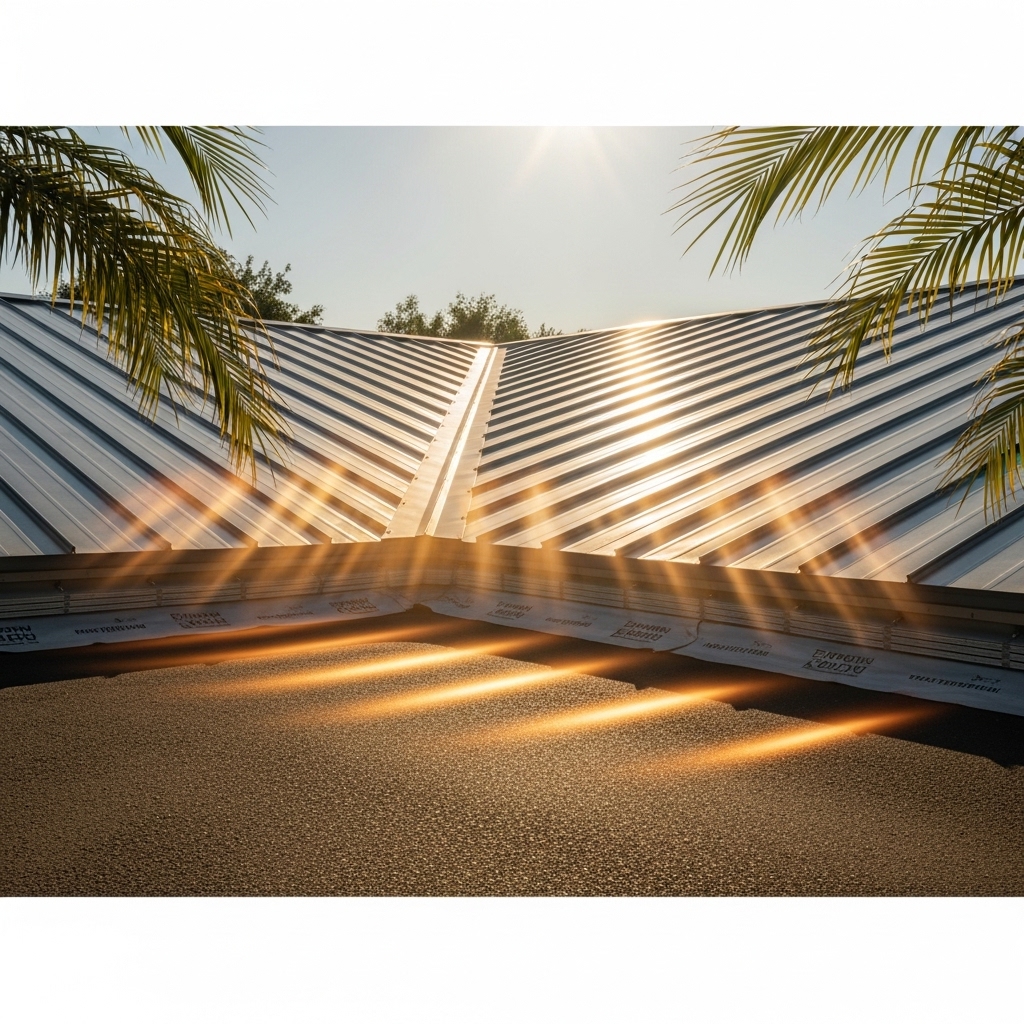
- Roof surface: high solar reflectance sends sunlight back; high thermal emittance lets absorbed heat radiate away.
- Radiant barrier: a reflective layer under the deck that cuts the heat radiating into the attic.
- Ventilation: intake at the eaves and exhaust near the ridge carry hot air out.
- Ceiling insulation: keeps attic heat out of the rooms.
- Duct location: ducts in a hot attic lose cooling before the air reaches the rooms.
California’s energy code (Title 24) reflects this system view. When more than half of a steep-slope roof is replaced in climate zones 4 and 8 through 15, the new roof must meet rated cool-roof values unless the house already has one of the listed alternatives: R-38 ceiling insulation, a radiant barrier in the attic, no ducts in the attic (in certain climate zones) or insulation at the roof deck. Roof area covered by building-integrated solar panels is exempt as well; rack-mounted panels do not exempt the roof under them.
Which eco-friendly roof types suit a typical home?
| Roof type | Where it fits | What to know |
|---|---|---|
| Cool-rated asphalt shingles | Most sloped roofs | Special light or cool-colored granules; check the aged rating of the exact color |
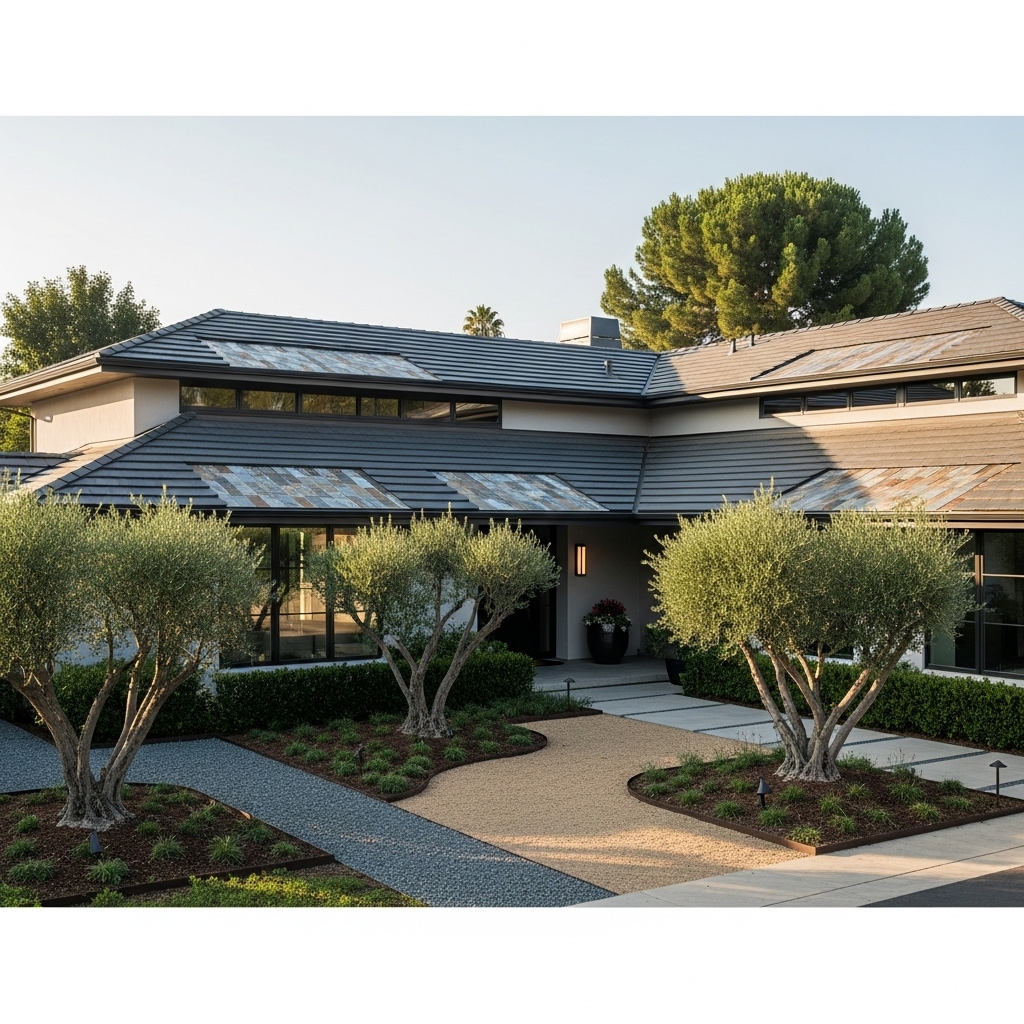
| Clay or concrete tile | Sloped roofs with framing sized for tile weight | The EPA notes terra cotta is naturally cool; glazed and coated tiles come in cool colors |
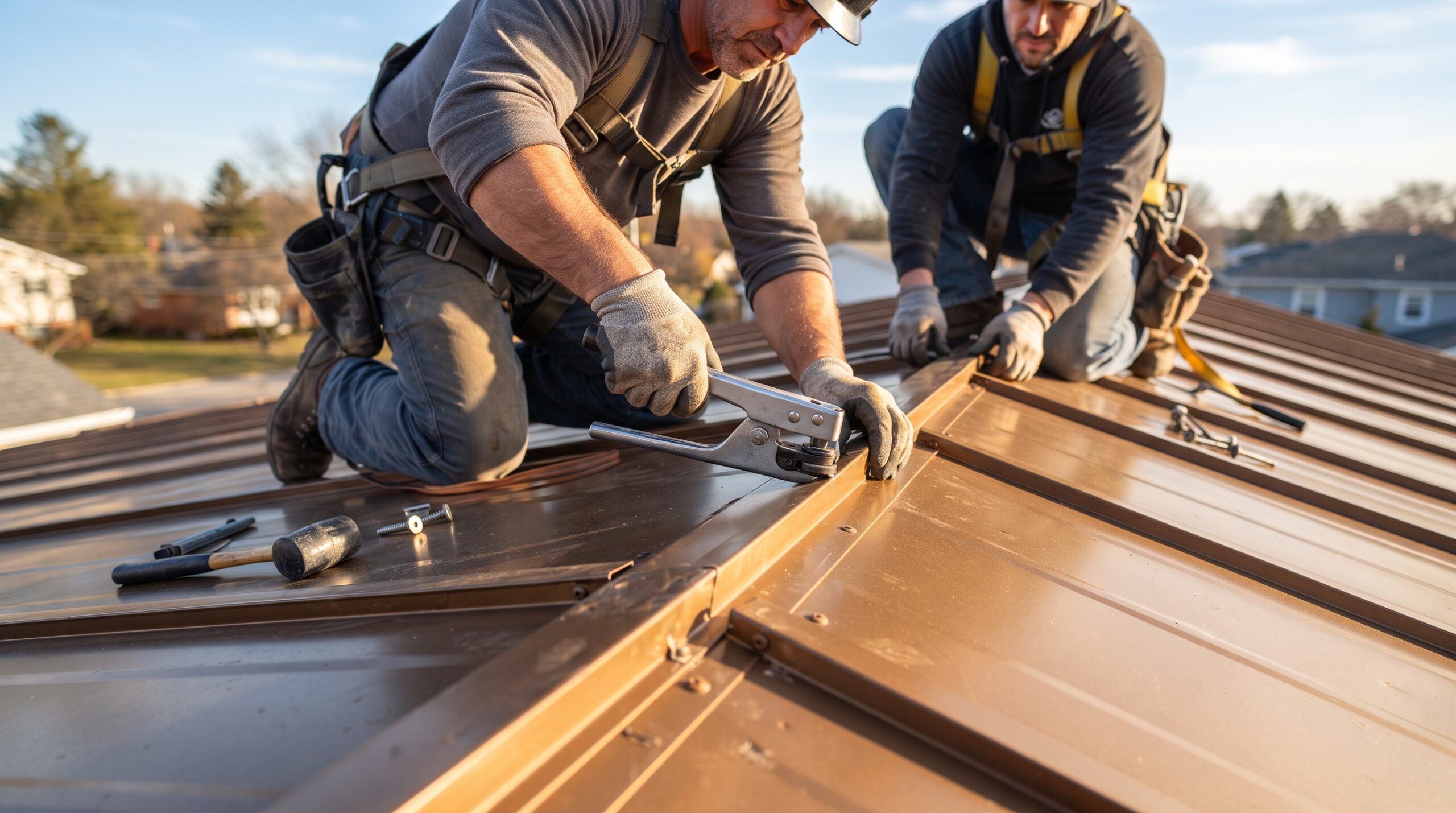
| Metal panels or shingles | Sloped roofs; homes planning solar | Reflective factory paint; recyclable at the end of its life |
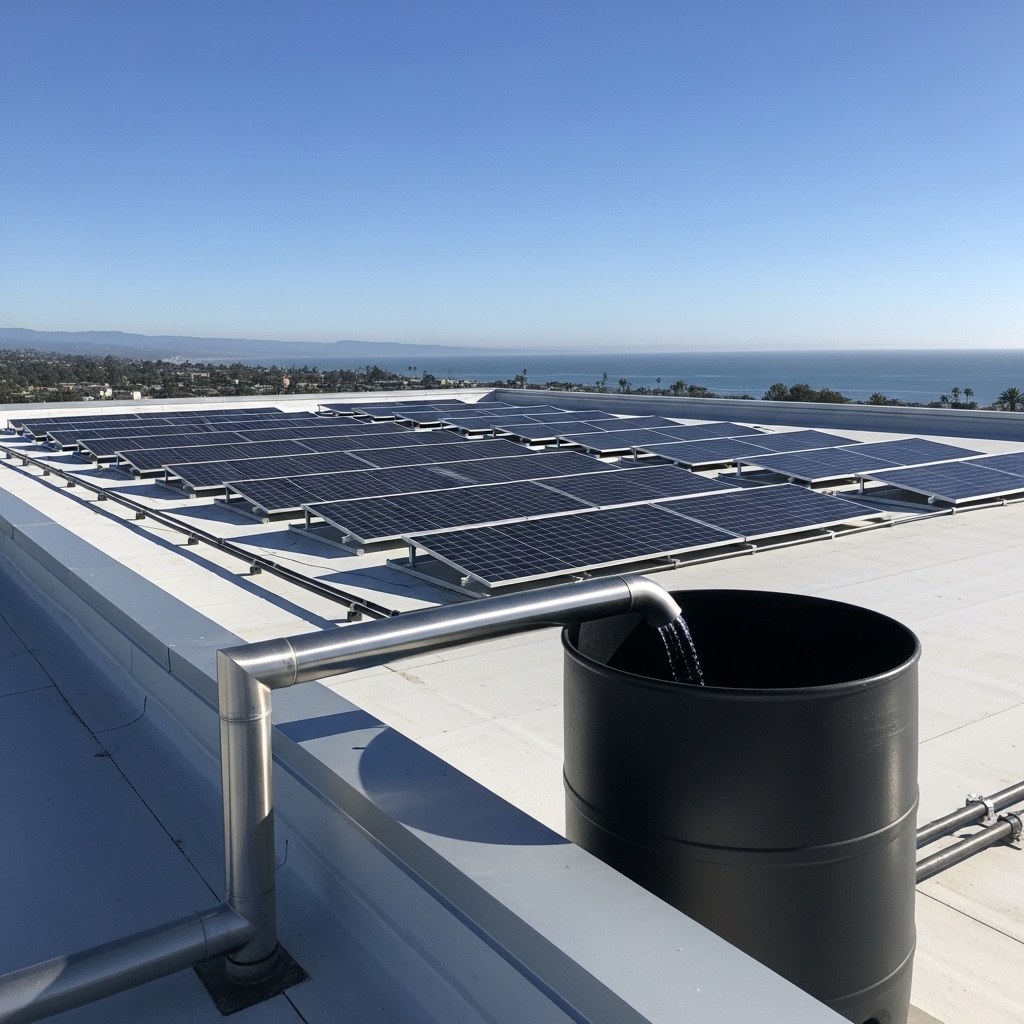
| Reflective membrane or coating | Flat or low-slope sections, patios, additions | Stays effective when kept clean |
| Living (vegetated) roof | Flat roofs whose structure is checked for the load | Needs irrigation, weeding and an engineer’s review |
NEMA Roofing offers cool roofs, metal roofs made from recycled content, and even living roofs with vegetation, depending on your vision and goals. See our metal roofing service and tile roofing service for each material in depth.
Does a cool roof have to be white?
No. The California Energy Commission states that tile, metal, asphalt and coatings can meet the cool-roof requirements and that cool roofs come in light, dark and vibrant shades. Darker cool colors use pigments that reflect the invisible infrared part of sunlight; the EPA notes those pigments tend to cost more than conventional ones. If your neighborhood or homeowners’ association limits roof colors, ask for the rated values of the colors that are allowed and pick the best of those.
Signs your roof is costing your home energy
- Upstairs rooms stay hot into the evening while the ground floor cools down.
- The attic is too hot to enter on a sunny afternoon.
- Shingles are curling, blistering or losing granules earlier than their age suggests, often a sign of an overheated, poorly vented attic.
- The air conditioner runs for long stretches on hot days.
- The roof is a dark, non-rated color and the attic has little insulation.
Any of these is worth a roof inspection before you choose materials, because a ventilation or insulation fix may matter as much as the covering.
What to check on your home before choosing
- Roof slope and structure: decides which materials, and whether a planted roof, are possible.
- Attic insulation, ventilation and ducts: decide how much a reflective surface will help and whether a code exception applies.
- Existing layers: a full tear-off lets the deck be inspected and repaired.
- Fire rating: if the home is in a mapped fire hazard severity zone, confirm the roof class your building department requires; since January 1, 2026 the California Wildland-Urban Interface Code (Title 24, Part 7) sets the roof covering rules for buildings in those zones, and it calls for Class A roofing.
- Solar plans: install the new roof first so panels are not removed for an early reroof.
For the full list of what these roofs deliver, read our guide to sustainable roofing benefits. NEMA Roofing works from five locations (Santa Barbara, Oxnard, Woodland Hills, Tarzana and Downey) with crews covering every town in Santa Barbara, Ventura, Los Angeles, Riverside and San Bernardino counties, so homes from the coast to the Inland Empire get the same service; see all service areas and our eco-friendly roofing service. Call NEMA Roofing today to schedule your free eco-roofing consultation and plan an eco-friendly roof for your home: 866-631-3366.