
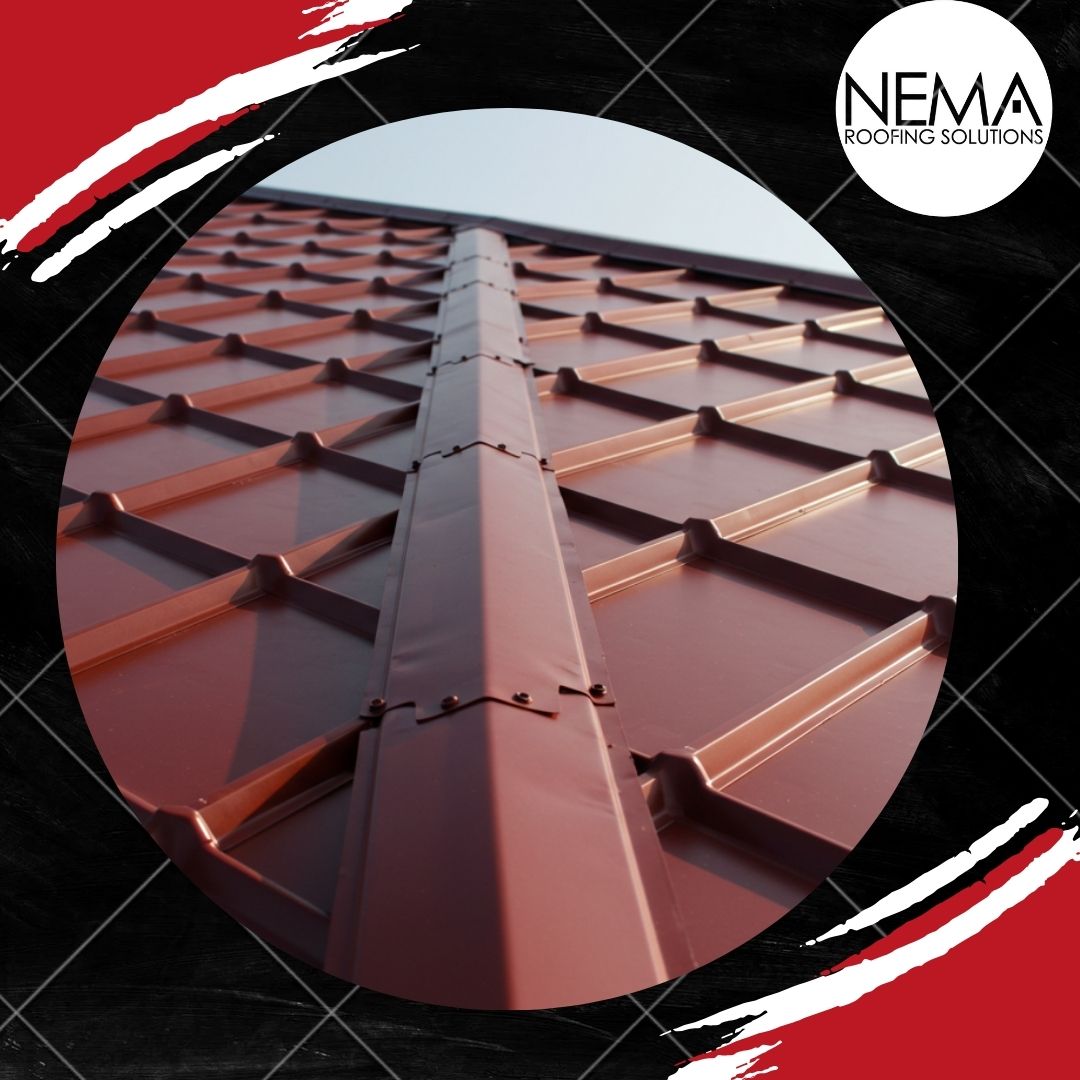
A metal roof over shingles is allowed in California when the existing roof has only one layer, is not water-soaked or deteriorated, and the metal is installed to the manufacturer’s instructions; standing seam systems that carry their load to the framing can go over the old covering without tear-off. It is not allowed over two or more layers or over slate, clay or cement tile. Whether it lasts as long as a tear-off depends on the deck underneath. To have your roof checked for a metal recover, call NEMA Roofing at 866-631-3366.
When does California’s code allow metal over existing shingles?
The 2025 California Residential Code (Section R908.4, “Roof Recover”) governs a new covering over an old one on a house. A recover is permitted when:
- the new roof covering is installed to its manufacturer’s approved instructions, or
- the new roof is a complete and separate system, such as standing seam metal, designed to carry the roof loads directly to the structure without relying on the old roof for support, or
- metal panels or metal shingles go over wood shakes, with the extra protection described below.
A recover is not permitted when:
- the existing roof is water-soaked or has deteriorated so much that it cannot serve as a base,
- the existing covering is slate, clay, cement or asbestos-cement tile, or
- the roof already has two or more layers of any covering.
Your city or county building department issues the reroof permit and inspects the work, so the recover plan has to satisfy the inspector as well as the product instructions.
Tear-off or recover: which gives the more durable roof?
| Question | Metal over one layer of shingles | Full tear-off, then metal |
|---|---|---|
| Can the deck be inspected and repaired? | Only from the attic and by walking the roof; hidden rot can stay hidden | Yes, every sheet is exposed and soft spots are replaced |
| Old flashing | Rusted or damaged flashing must still be replaced | Replaced as part of the new system |
| Disposal | Little old material hauled away | All old layers removed and disposed of |
| Weight on the framing | Old layer plus the metal | Metal only |
| Flatness under the panels | Shingle edges and bumps can show through thin flat panels unless battens or a leveling layer are used | Panels sit on a clean, flat deck |
| Future reroof | Two layers to remove next time | One layer |
The short version: a recover can be a sound choice over a flat, dry, single-layer shingle roof on a solid deck. When there are leaks, soft spots or several old repairs, tear-off is the more durable path, because the metal will only be as good as what it is fastened to.
What does a proper metal-over-shingle installation include?
- Inspect the deck first. Check the attic for stains, daylight and soft or delaminated sheathing, and walk the roof for spongy areas. Anything wet or rotten rules out a recover in that area.
- Replace the flashing. The code does not allow rusted, damaged or deteriorated flashings, edgings, vents or similar parts to be reused; the flashing is rebuilt to the new product’s instructions.
- Add a separation layer. An underlayment approved by the panel maker goes over the shingles so the metal does not sit directly on asphalt.
- Level or strap where needed. Battens or purlins give exposed-fastener panels a flat, fastenable surface and create an air space; standing seam clips go through to the deck or structure as the system requires.
- Use fasteners long enough. Screws and clips must pass through the old layer and hold in the deck or framing as the manufacturer specifies.
- Rework the edges. The roof edge gets thicker, so drip edge, rake trim and gutters are adjusted to shed water cleanly.
- Keep the ventilation working. Ridge and soffit vents must stay open through the new layer.
What if the old roof is wood shake or tile?
Metal panels and metal shingles may go over wood shakes, but where the new roof would create a combustible concealed space, the code requires the entire shake surface to be covered first with gypsum board, mineral fiber, glass fiber or another approved material. In a fire hazard zone, confirm that the finished assembly carries the Class A listing the zone requires.
Tile is different: a recover is not allowed over slate, clay or cement tile, so a tile roof comes off before metal goes on. Tile is also heavy, so switching to metal takes a large load off the framing.
What should you ask before agreeing to a recover?
- How many layers are on the roof now, and how was that checked?
- Where is the deck soft or stained, and what happens to those areas?
- Does the panel maker’s installation guide and warranty allow installation over shingles, and with which underlayment?
- Which flashings, vents and edge pieces will be replaced?
- Will battens be used, and how will the fasteners reach the structure?
- Is the finished assembly listed Class A if your address is in a fire zone?
Getting a straight answer on your roof
We start every metal roof with an inspection that includes the structure under the old covering, and we recommend tear-off when the deck is not a sound base. To see how the work runs day to day, read what to expect during a metal roofing installation; for what makes one metal roof outlast another, read about metal roof durability. With five Google-verified locations in Santa Barbara, Oxnard, Woodland Hills, Tarzana and Downey, NEMA Roofing covers homes across all of Santa Barbara, Ventura, Los Angeles, Riverside and San Bernardino counties; Ventura County towns are listed on our Ventura County service area page. Learn more about our metal roofing service or call 866-631-3366.




