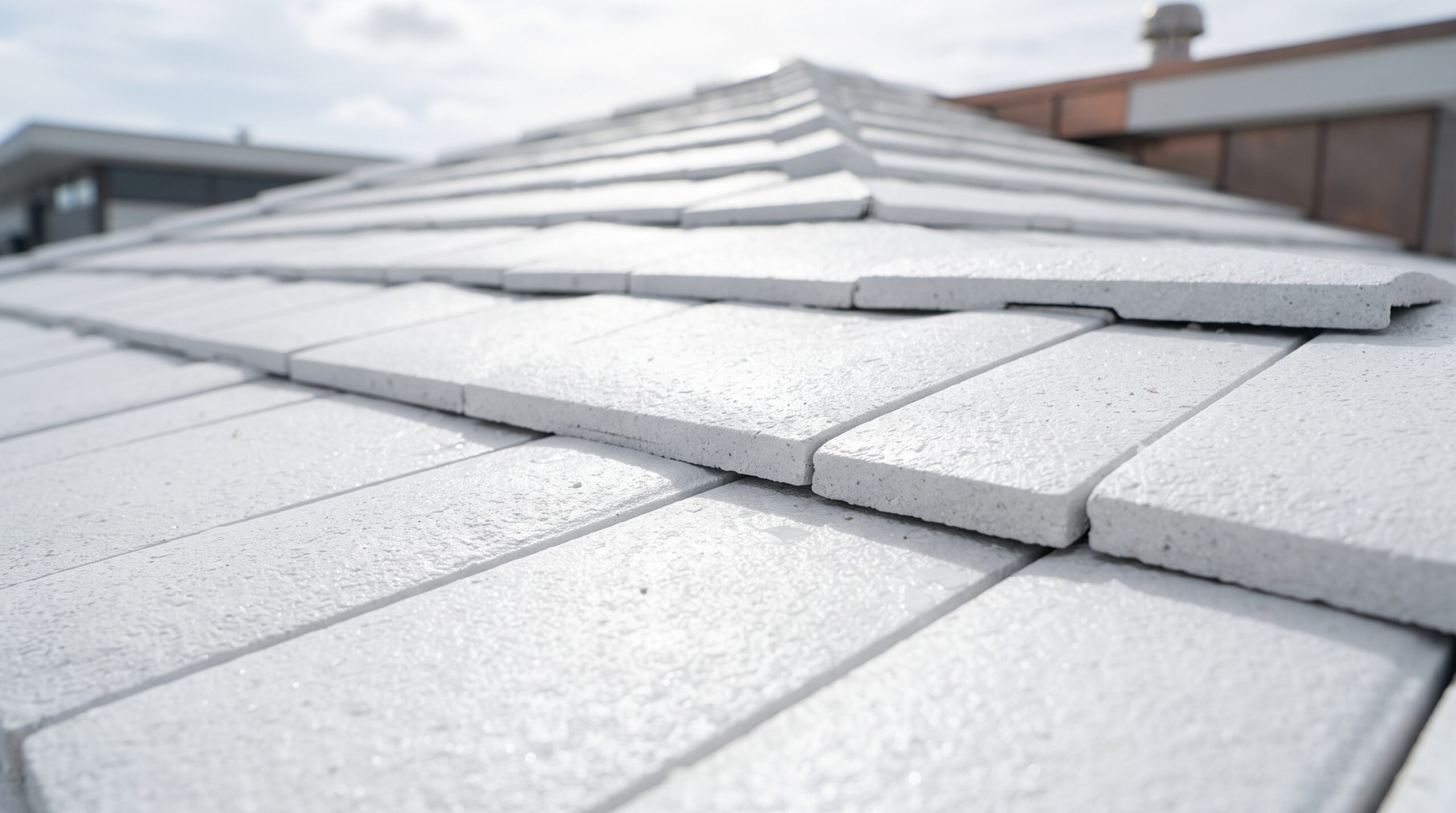
The long-term benefits of cool roofs are lower cooling costs every summer for the life of the roof, less heat stress on the roofing and the air conditioner, and a cooler neighborhood. How much of that lasts depends on how well the surface keeps its reflectance as it weathers, which is why the aged rating, measured after years outdoors, is the number to buy on. To plan a cool roof that keeps performing, call NEMA Roofing at 866-631-3366.
What benefits build up over the years?
- Cooling savings, summer after summer. The Cool Roof Rating Council (CRRC) puts average savings at 7% to 15% of total cooling costs. A modest yearly saving repeats for as long as the roof stays reflective.
- A longer-lasting air conditioner. Less run time during heat waves reduces strain; the CRRC says a cool roof can help prolong the life of the cooling system.
- Less wear on the roof. A lower surface temperature may extend roof service life, according to the CRRC, because the covering goes through a smaller heat swing every day.
- A cooler street. The CRRC cites U.S. EPA figures that cities can be 1 to 7°F warmer than rural areas during the day, partly because of dark roofs and pavement. The EPA notes that cool roofs used widely enough can lower outdoor temperatures and reduce the formation of ground-level ozone, which is heat-dependent.
- A roof that already meets the code. California applies cool roof values when more than half of a roof is replaced in many climate zones. A rated roof today avoids surprises at the next permit.
How much reflectance does a cool roof lose as it ages?
Some, and it varies by product. Dust, soot, pollen, biological growth and weathering all dull a surface. That is why the CRRC measures every rated product twice: when new, and again after three years of outdoor exposure at CRRC-approved test farms. California’s energy code accepts only the aged values from the CRRC directory, not the brighter initial ones.
Newer products may show a lab-aged value instead. The CRRC’s Rapid Ratings process uses a laboratory practice (ASTM D7897) that simulates soiling and weathering, so a product can carry an aged estimate before its three-year outdoor result exists. When you compare products, compare aged with aged, and note which kind of aging each value comes from.
Which surfaces hold their benefit longest?
| Surface | How the cool property is built in | What keeps it working |
|---|---|---|
| Cool-color shingles | Reflective pigments in the granules | Granules staying on; heavy granule loss exposes dark asphalt |
| Clay and concrete tile | The tile body or a factory glaze or coating | Replacing broken tiles; keeping moss and debris off |
| Coated metal | Factory-applied cool paint finish | A finish system rated for fade and chalk; rinsing where dust builds up |
| Single-ply membranes | Light color throughout the top surface | Periodic cleaning; clear drains so water does not pond and stain |
| Field-applied coatings | A liquid layer rolled or sprayed on site | Recoating when the layer wears thin |
Factory-applied surfaces generally outlast site-applied ones. The U.S. Department of Defense’s roofing criteria, discussing coated membranes in harsh environments, recommend a factory-laminated reflective surface because the membrane will far outlast a field-applied coating, which needs recoating to stay reflective. A coating is still a sound choice for extending a flat roof; just plan its recoat cycle from the start. For coating choices on flat and low-slope roofs, see cool roofing coatings for coastal homes.
When does the benefit shrink over time?
- More insulation later. The Department of Defense criteria note that with roof insulation above about R-24, a cool surface has little influence on a building’s energy use. If you plan to insulate heavily, weigh that when choosing a premium cool product.
- Ducts moved out of the attic. Attic ducts are one of the main reasons a cool roof pays on a house; California’s energy code even lets some homes without attic ducts skip the cool roof values. Once ducts move inside, the roof matters less to the bill.
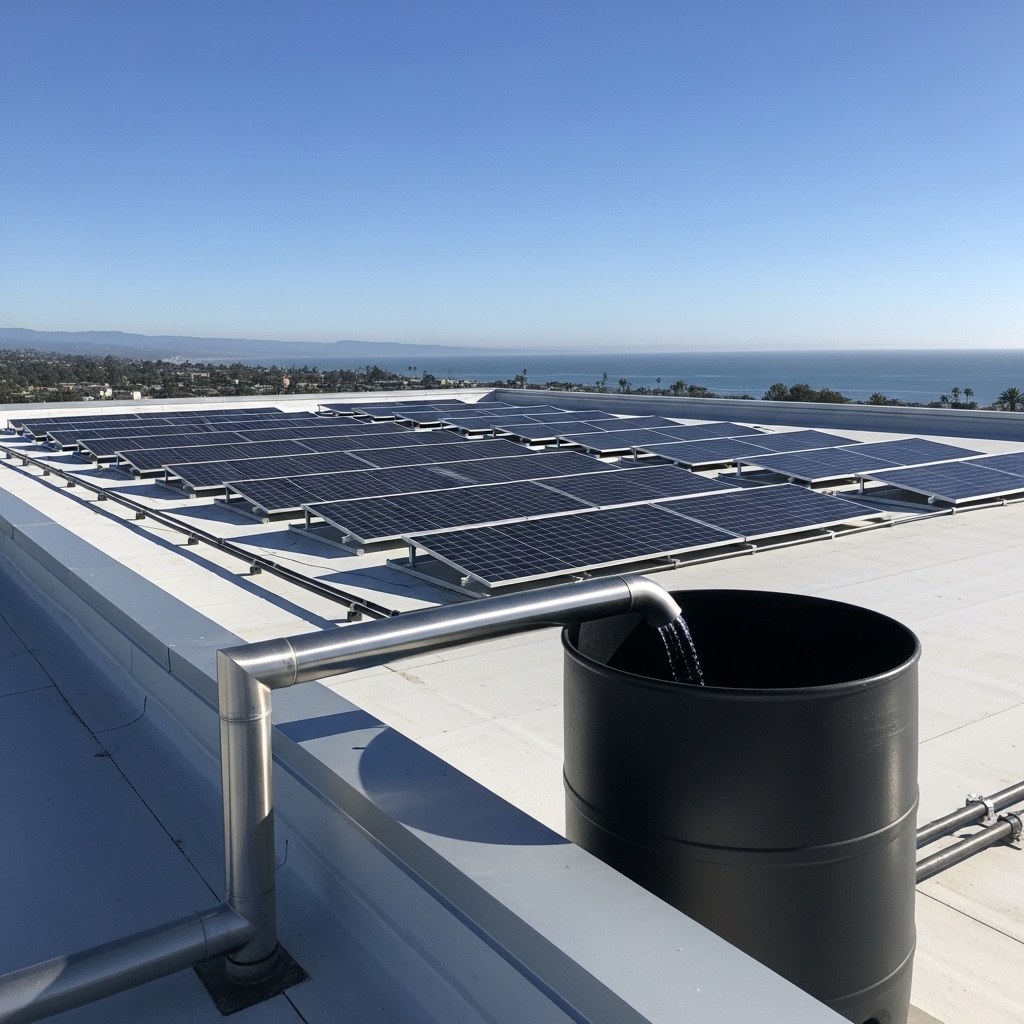
- New shade. Trees that grow over the roof, or a solar array added later, leave less sunlit surface for reflectance to act on.
- Neglect. A dirty, ponding or worn surface loses part of the benefit year by year.
How do you keep the benefit for the life of the roof?
- Keep the product name, color and CRRC rated product ID with your house records; the next roofer, inspector or buyer can use them.
- Clean low-slope and coated roofs only by the method the manufacturer allows; harsh pressure washing can strip granules or coating.
- Schedule an inspection each year, and after major storms, to catch worn coating, loose granules, cracked tiles and blocked drains early.
- Recoat coated roofs before the membrane shows through, not after.
- Recheck attic ventilation and insulation whenever you change the attic or the air conditioning.
Our roof inspection service covers these checks. To see how the benefits compare with a standard roof, read cool roof vs traditional roof; for the payback question, see is a cool roof worth it.
A cool roof built to last, across Southern California
NEMA Roofing is a multi-location roofer with six locations (Santa Barbara, Oxnard, Woodland Hills, Tarzana, Downey and San Bernardino) serving every part of Santa Barbara, Ventura, Los Angeles, Riverside and San Bernardino counties; Ventura County homeowners can start at our Ventura County page. Read about our cool roofing service, or call 866-631-3366 to plan yours.