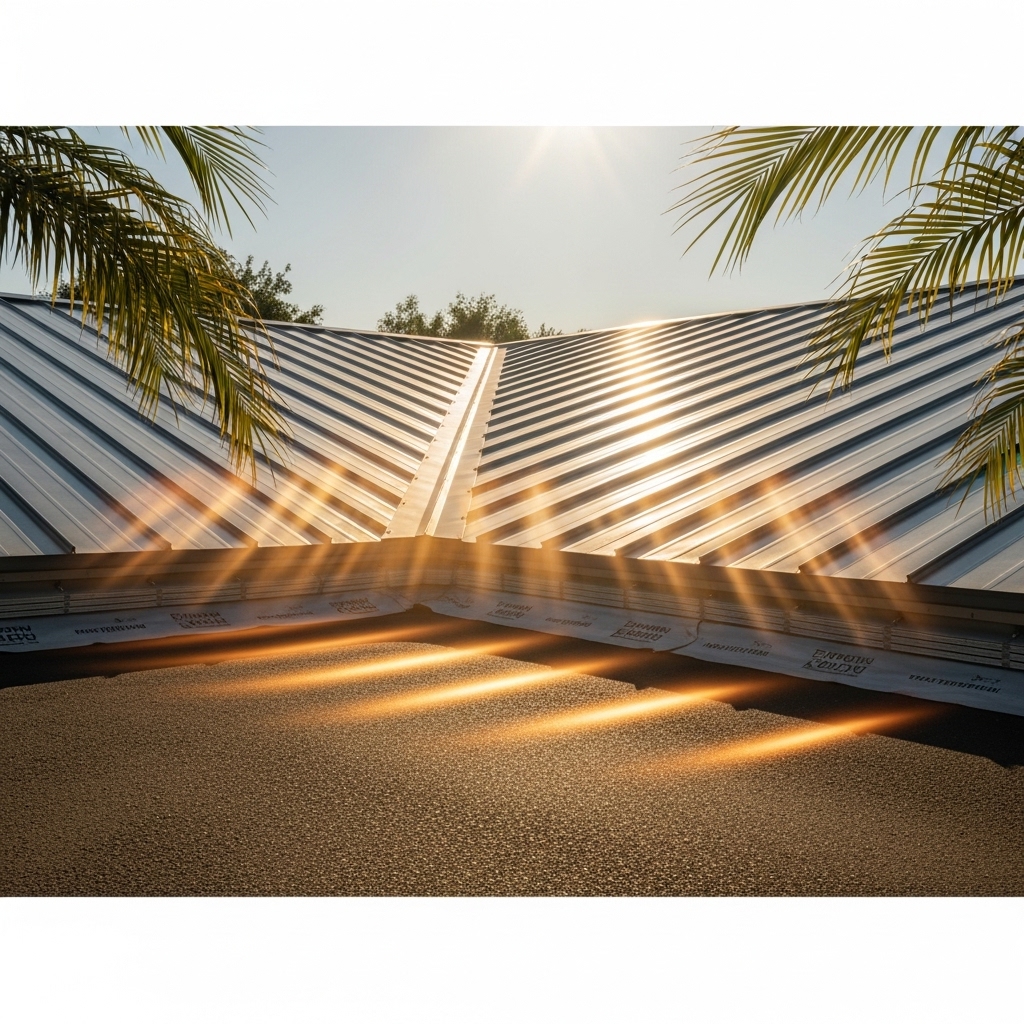
Metal roofing matters in Tarzana’s climate because it answers the three things that wear a roof out there: long, very hot summers, wildfire exposure on the hillside streets, and a short winter rainy season that arrives in heavy bursts. A metal roof with a rated cool finish, a Class A assembly and clean flashing details handles all three, and it meets the zone 9 cool-roof rule the Los Angeles Department of Building and Safety applies to reroofs. To talk about your Tarzana roof, call NEMA Roofing at 818-528-6412.
How hot does Tarzana get, and what does the heat do to a roof?
Hotter than many people outside the Valley expect. NOAA’s 1991 to 2020 climate normals for its nearest station, at Pierce College in neighboring Woodland Hills about 2 km from Tarzana’s center, show:
- an average August high of 97.4°F;
- about 115 days a year at 90°F or above, and about 35 at 100°F or above;
- an average August low of 60.8°F, a daily swing of more than 35 degrees in midsummer.
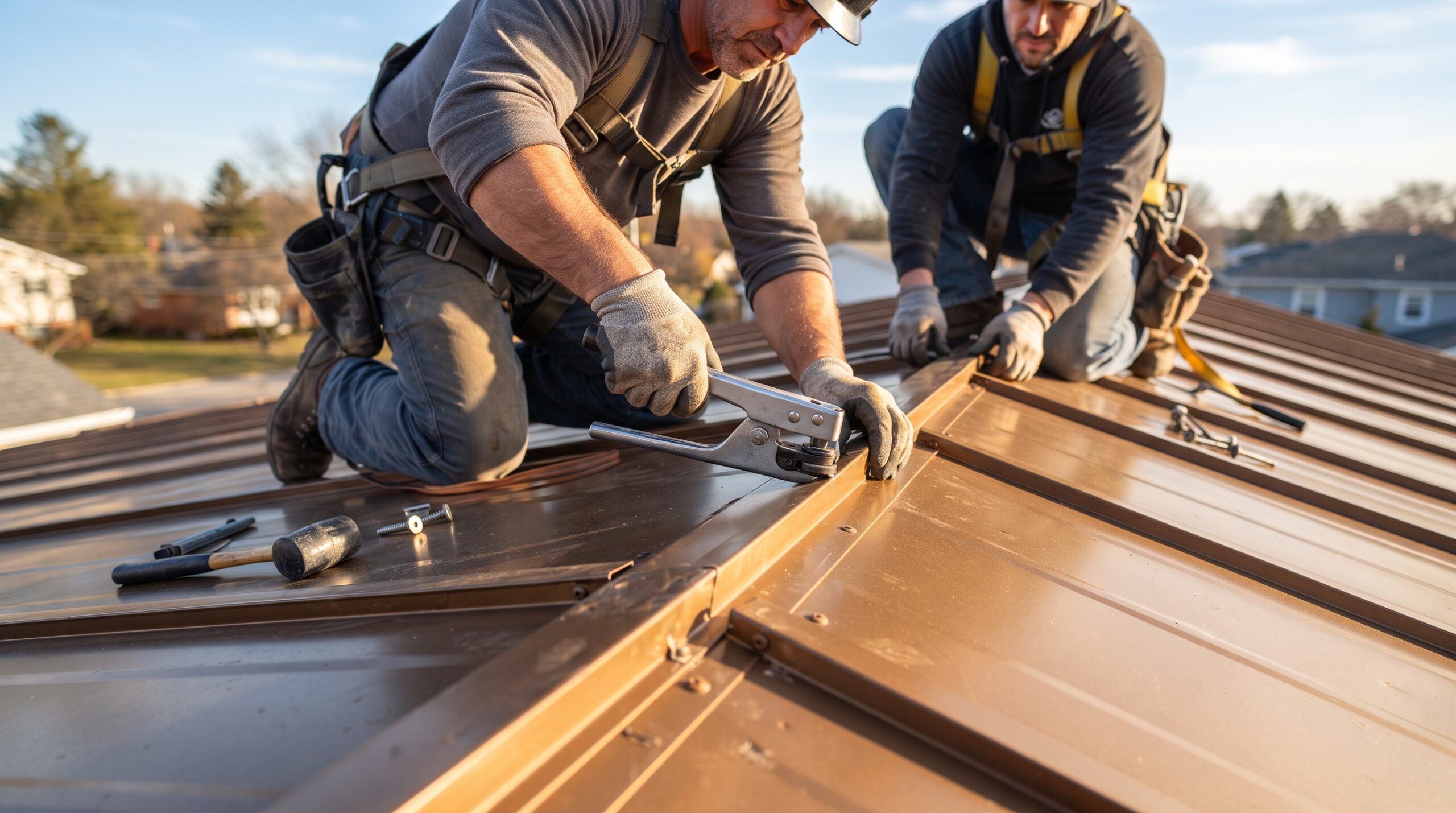
Two things follow for a roof. First, a dark, absorbent surface drives heat into the attic and ducts for months, so the finish’s reflectance pays off every summer day. Second, that daily swing makes metal expand and contract every day of the hot season. Standing seam systems deal with it through clips that let each panel slide, fixed at a single point; federal (Defense Department) roofing criteria size those clips for a panel temperature range of 200°F, or 220°F for dark colors. On exposed-fastener panels, the same movement works on the screw washers, which is why they need periodic checks.
What does the cool roof rule mean for a Tarzana reroof?
Tarzana’s ZIP code, 91356, is in California climate zone 9. Under the 2025 Title 24 energy code (effective January 1, 2026), a reroof that replaces more than half of a sloped home roof there must reach an aged solar reflectance of 0.20 or more with a thermal emittance of 0.75 or more, or an SRI of 16 or more. Exceptions exist, for example R-38 ceiling insulation, a qualifying radiant barrier, or no ducts in the attic. Low-sloped home roofs in zone 9 face a stricter value (aged reflectance of at least 0.63). LADBS requires a Cool Roof Rating Council certified product on residential roof replacements over 50 percent of the roof area.
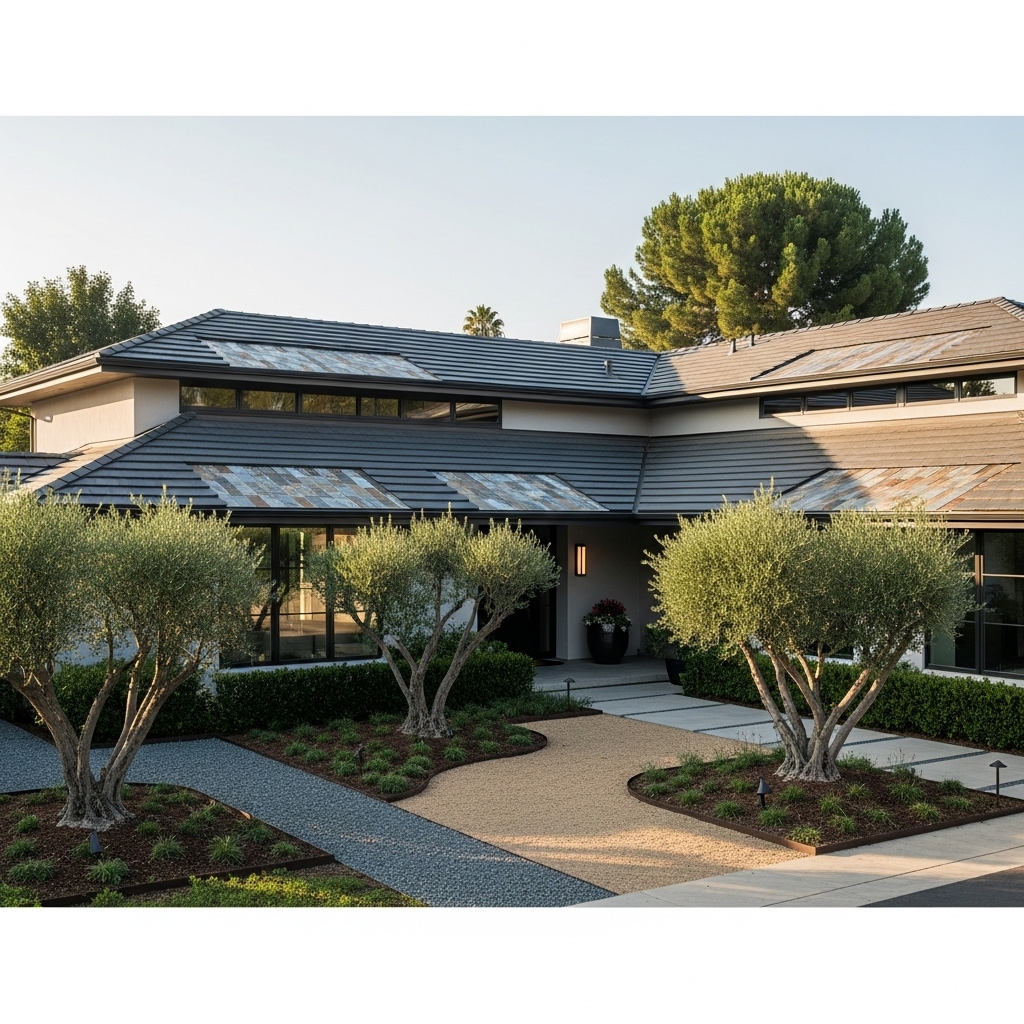
Metal handles this well because the rule is about the finish, and factory paint systems come in rated colors, including darker cool-pigment shades. Request the rated product ID for the specific color you want. How finishes compare from the coast to the desert is covered in energy-efficient metal roofs for any climate.
Is Tarzana in a fire hazard zone?
Much of it is. The state’s 2025 fire hazard maps show Very High, High and Moderate zones inside ZIP 91356, and the City of Los Angeles’s own Very High Fire Hazard Severity Zone map confirms Very High land there, on the hillside streets that climb toward the Santa Monica Mountains. A grid sample of the state maps puts close to half of the ZIP’s land in the Very High zone. In a Very High zone, LADBS requires a Class A roof covering.
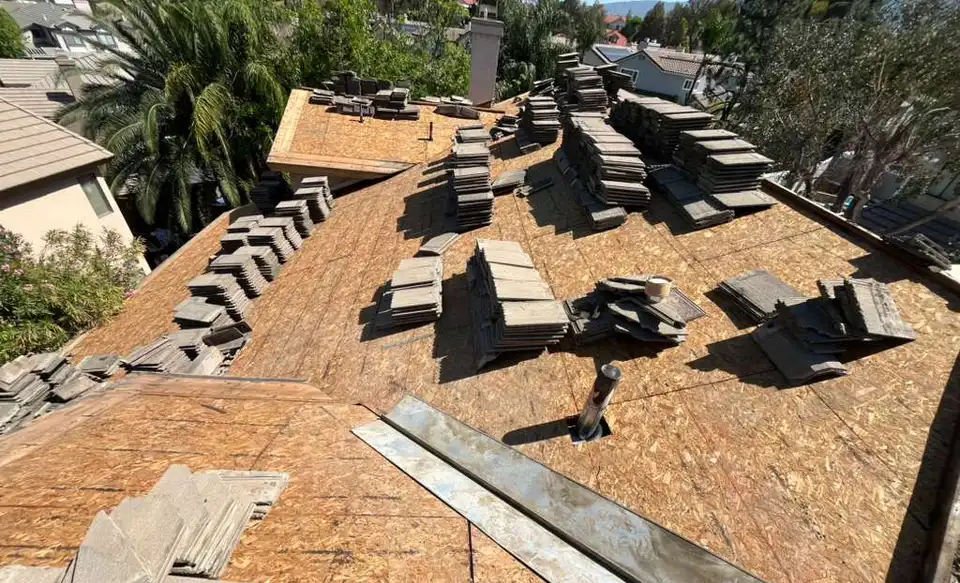
Metal is noncombustible, and California’s wildland-urban interface code treats metal sheets on a noncombustible deck as Class A. Most Tarzana houses have wood decks, so what counts there is a listed Class A assembly: the panel together with the specific underlayment its manufacturer names. The details matter as much as the panel. Closed ridge and hip caps, eave closures that keep embers out of the panel ribs, clean gutters and ember-resistant attic vents all reduce the places a wind-blown ember can settle.
How does metal handle Tarzana’s wind and winter rain?
The same NOAA station records about 16.4 inches of rain a year, and about 83 percent of it falls from December through March, with next to none in summer. Rain comes in one short season, and the dry fall winds that come before it drop leaves and dust on roofs. For a metal roof that means:
- Wind: clip spacing should come from the manufacturer’s tested assembly, and eave and rake trim should be heavier than the panels, as the Defense Department criteria specify.
- Water: most leaks start at transitions, where skylights, chimneys, walls and valleys meet the panels, so flashing there is where to look closely in an estimate.
- Timing: late summer and early fall are the natural window to reroof, and a check of valleys, gutters and sealant before December prevents most rainy-season surprises.
Will metal suit an older Tarzana house?
Usually, with attention to the deck. Census estimates for ZIP 91356 put the median home at 1973 and about 78 percent of housing units before 1980. On a house that age, a reroof can uncover sheathing that needs repair, and California’s building code requires metal panels to sit on a solid or closely fitted deck unless the system is designed for spaced supports. Metal’s light weight is a help on older framing, and a reroof in a Class A or B covering that weighs less than 6 pounds per square foot, laid over solid sheathing, qualifies for an LADBS Express Permit without plan check; the product sheet gives the panel weight.
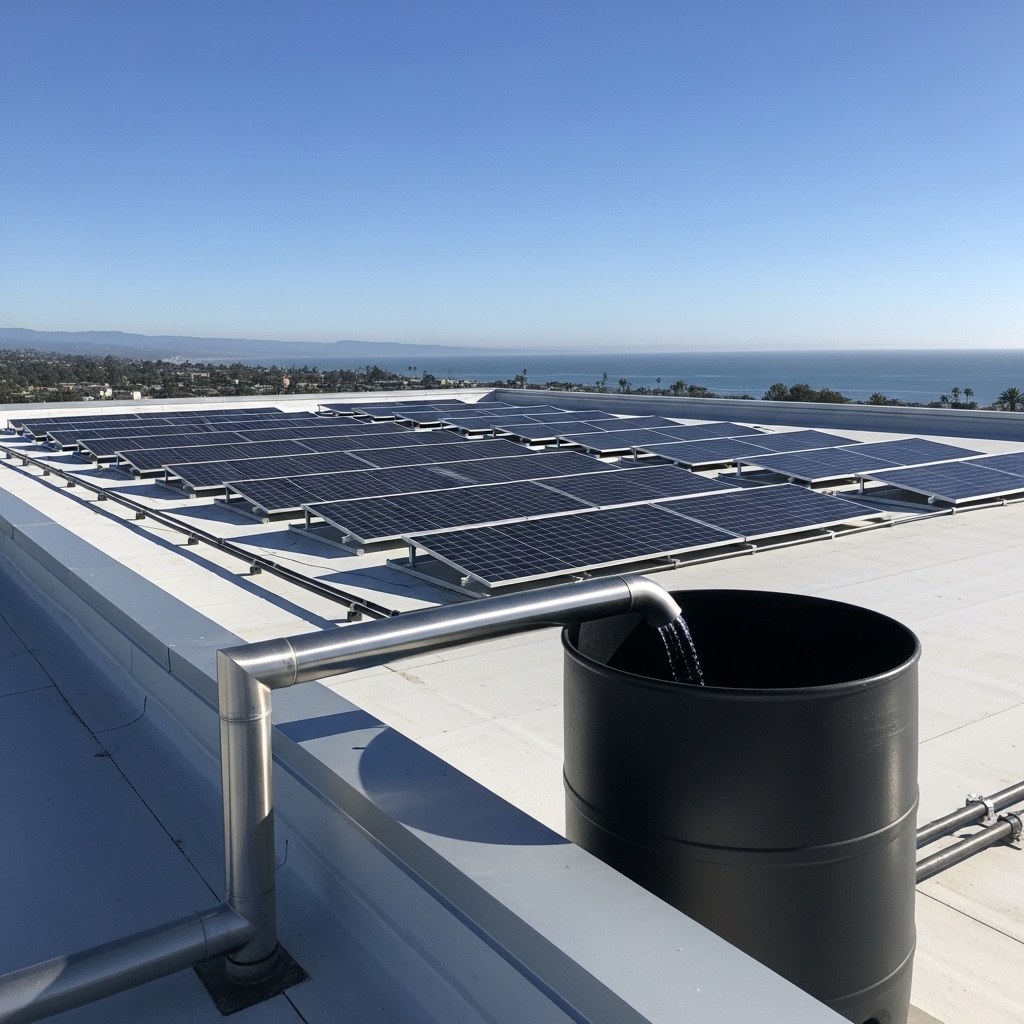
Tarzana also has many apartment and condominium buildings (the same census data put about 42 percent of its housing units in buildings of five or more). Where such a building has a low-sloped roof, standing seam (allowed down to a slope of 1/4 in 12) is the metal panel that fits, and the low-slope cool-roof value applies.
What upkeep does a metal roof need in Tarzana?
- After the dry fall winds, clear leaves from valleys, gutters and behind chimneys.
- Before December, check sealant and boots at pipes, skylights and walls.
- Once a year on exposed-fastener roofs, check that the screws are seated and the washers are intact.
- Rinse off summer dust now and then; dirt lowers a cool finish’s reflectance.
- After a big wind, look from the ground for lifted trim at eaves, rakes and ridge.
Metal roofing in Tarzana with NEMA Roofing
We see Tarzana homeowners plan roof upgrades around comfort, energy use and fire safety together, and a metal roof can serve all three. Tarzana is one of NEMA Roofing’s six locations, with Woodland Hills, Downey, Oxnard, Santa Barbara and San Bernardino, and our crews serve every town in Los Angeles, Ventura, Santa Barbara, Riverside and San Bernardino counties. See roofing in Tarzana, our metal roofing service, and how long a metal roof lasts. For a written estimate, call 818-528-6412.