Cool roof payback is often immediate: when the cool-rated product costs the same as the standard one, the lower cooling bills start with the first warm month and there is no premium to earn back. When the cool version costs more, the payback period depends on what you spend on cooling, your attic and your climate zone, and you can estimate it from your own bills in a few steps, set out below. For a written estimate that prices both options side by side, call NEMA Roofing at 866-631-3366.
The cost side of payback: what does the cool option add?
Less than most people expect, and sometimes nothing. The Cool Roof Rating Council (CRRC) says many cool roof varieties cost the same as comparable traditional roofs, while some cost slightly more. Where the extra cost comes from:
- Special pigments. The U.S. EPA notes that products using infrared-reflective pigments (the ones that keep darker colors cool) tend to cost more than products with conventional pigments.
- Upkeep on flat roofs. The EPA also lists periodic cleaning to keep reflectance up, particularly on low-slope cool roofs. A coated roof also needs recoating when the coating wears thin.
- Color choice. Not an added cost, but a trade-off: the coolest-rated colors in a product line are usually the lighter ones.
What often costs nothing extra: a white or light single-ply membrane on a flat roof, a light cap sheet, or a shingle, tile or metal color that already carries a cool rating in the line you were going to buy.
The savings side: where does a cool roof pay you back?
- Cooling energy. The CRRC puts average savings at 7% to 15% of total cooling costs. The saving repeats every warm month for the life of the roof.
- Peak-hour power. A cool roof cuts air conditioning use during the hottest part of the day, which is when electricity is most expensive for anyone on time-of-use rates, as the CRRC points out.
- The air conditioner. Less run time in heat waves means less strain; the CRRC says this can help prolong the life of the cooling system.
- The roof itself. A lower surface temperature may extend roof service life (CRRC), because the covering heats and cools through a smaller range each day.
- No rework at permit time. In parts of California, replacing more than half of a roof requires a product that meets the state’s cool roof values; choosing a rated product from the start avoids a failed inspection.
How do you estimate cool roof payback for your building?
- Look at your bills. Compare a summer electric bill with a spring one. The difference is roughly what cooling costs you; a cool roof can only save part of that part.
- Check the attic. Thin ceiling insulation and air ducts in the attic both make a cool roof pay more. A deep layer of insulation and no attic ducts make it pay less.
- Find your climate zone. California’s energy code sorts every ZIP code into a building climate zone; warmer inland zones gain more than mild coastal ones.
- Run a calculator for flat roofs. The U.S. Department of Energy’s free Cool Roof Calculator estimates energy savings, but the CRRC notes it is for low-slope (flat) roofs only.
- Compare aged ratings, not new ones. The CRRC tests products new and again after three years outdoors; the aged numbers are what the roof will deliver for most of its life.
- Price both versions. Ask for the estimate with a standard product and with a cool-rated one, line by line, so the difference is visible.
The payback period itself is simple arithmetic: the extra cost of the cool option divided by the yearly cooling saving you estimate from your bills. When the extra cost is zero, payback is immediate. There is no general payback figure in years that fits every building, because the saving depends on your own cooling bills, attic and climate zone.
Payback in four common situations
| Situation | What to expect | Why |
|---|---|---|
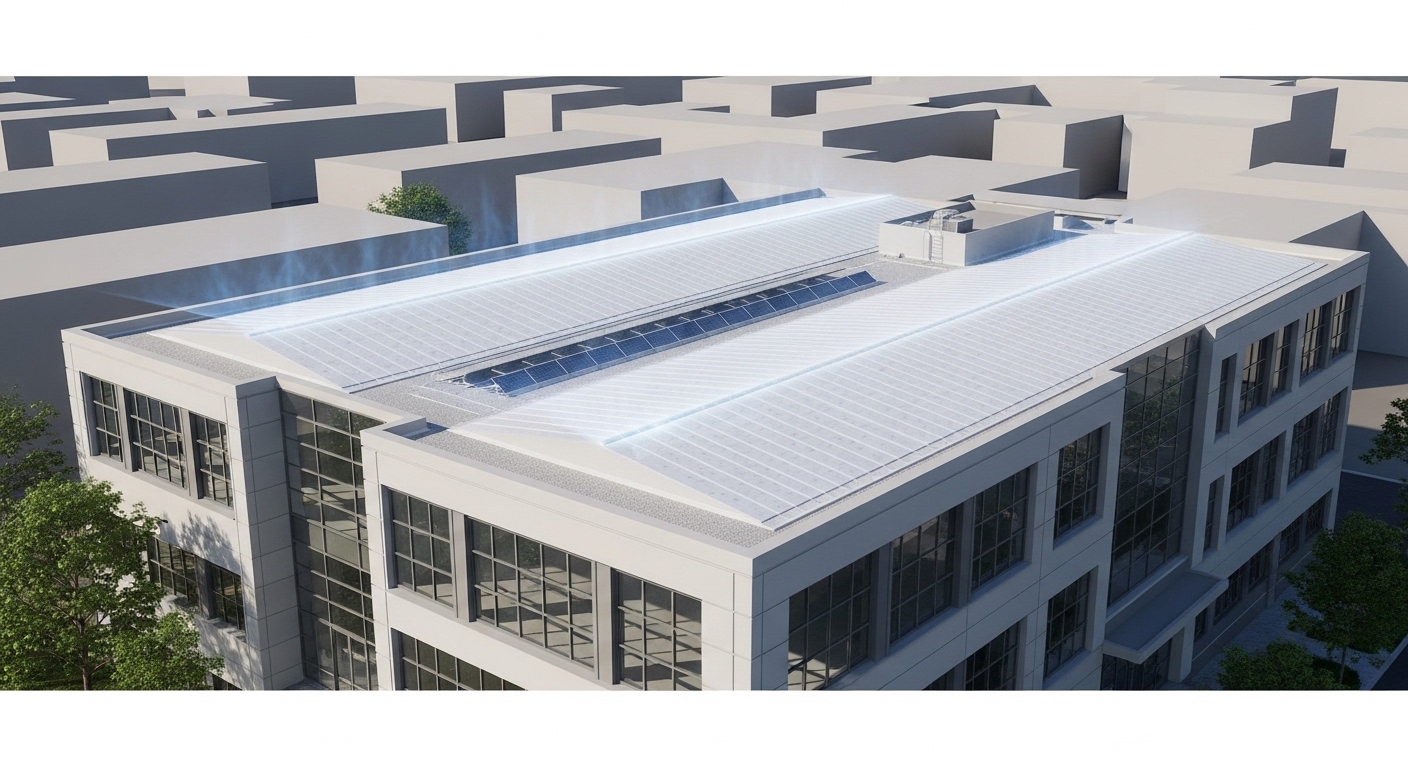
| Air-conditioned shop or office with a flat roof due for replacement | Usually among the faster paybacks | Large sunny surface, long cooling hours, and light membranes reach high reflectance at little or no extra cost |
| Inland home with ducts in the attic and a worn shingle roof | Often worthwhile | Attic heat warms the ducts and the air inside them; a cool-rated shingle color cuts that heat at the source |
| Coastal home that seldom runs air conditioning | Small savings | Little cooling to save; worth choosing a cool color if it costs the same, not worth paying much extra |
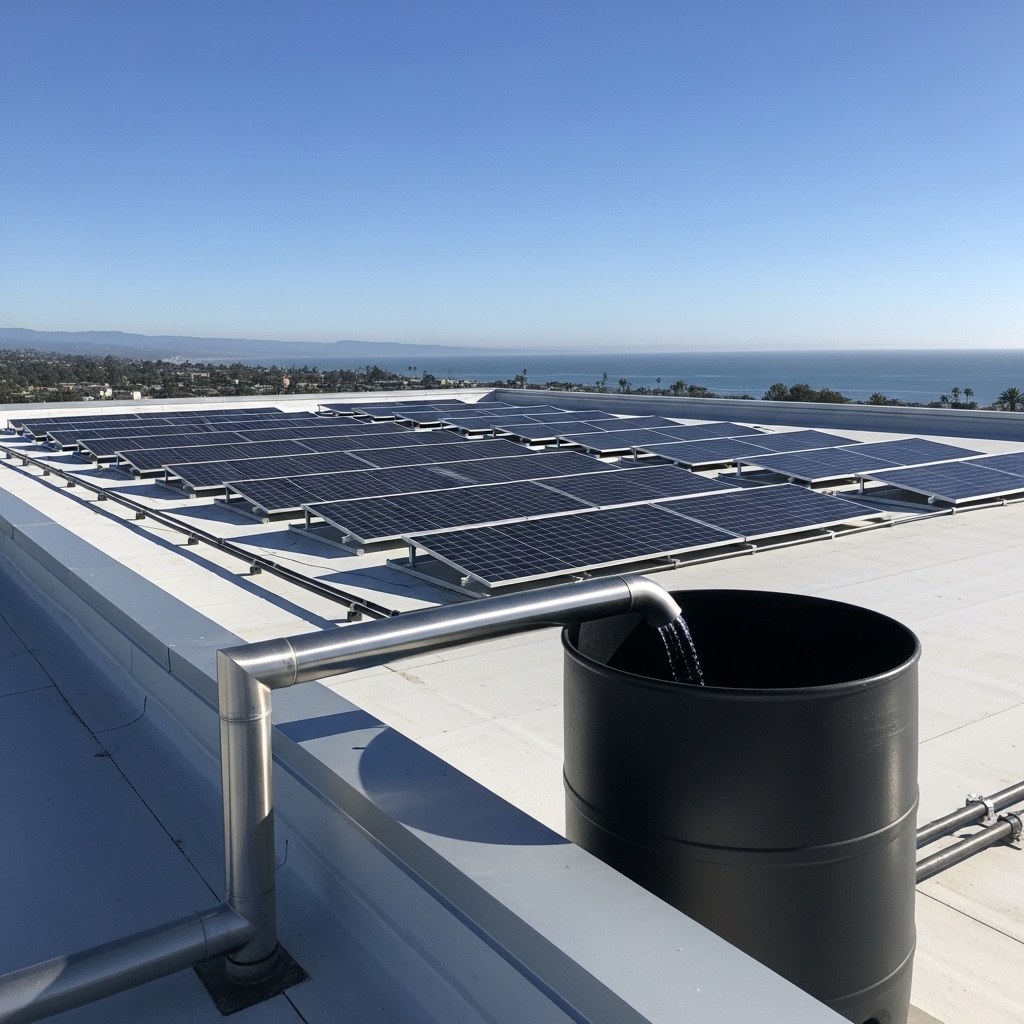
| Roof mostly covered by solar panels | Savings only on the open area | Rack-mounted panels shade the roof under them, so only the open part of the roof gains from a cool surface |
Keeping the payback going over the years
- Buy on the three-year aged solar reflectance and thermal emittance listed in the CRRC Rated Roof Products Directory. California’s energy code accepts only aged values from that directory.
- Pair the roof with the attic: the EPA recommends insulation and air sealing alongside a cool roof to get the most from it.
- On a flat or coated roof, budget for cleaning and for recoating when the coating thins; a dirty or worn surface loses part of the benefit.
- Keep drains and gutters clear so water does not pond; standing water leaves dirt behind as it dries.
Can a rebate shorten the payback?
Sometimes, by covering part of the added cost. The EPA reports that cool roof rebates are usually run by utilities or cities as part of wider energy efficiency programs, so ask your electric utility and your city before you sign. One change to know: the ENERGY STAR certification program for roofing products ended in June 2022, and the CRRC now offers its product ratings as the alternative for incentive programs and code compliance. Look for the CRRC rating, not an ENERGY STAR label.
Getting the two prices for your payback estimate
A payback figure is only as good as the two prices behind it, so start with a side-by-side estimate for your roof.
If you are still weighing the bigger question, our guide on whether a cool roof is worth it covers when the code decides for you and the cheaper alternatives.
NEMA Roofing prepares cool roofing estimates wherever you are in our five-county area (Ventura, Santa Barbara, San Bernardino, Riverside and Los Angeles), and our six locations (Oxnard, Santa Barbara, Tarzana, Downey, Woodland Hills and San Bernardino) keep a team close to each town (for Ventura County towns, see our Ventura County page). For the basics of how cool roofs work, read what cool roofing is; for flat roofs, see our flat roofing service; and for what drives the price on a home, see cool roofing installation cost in Santa Barbara. Call 866-631-3366 to book the visit.