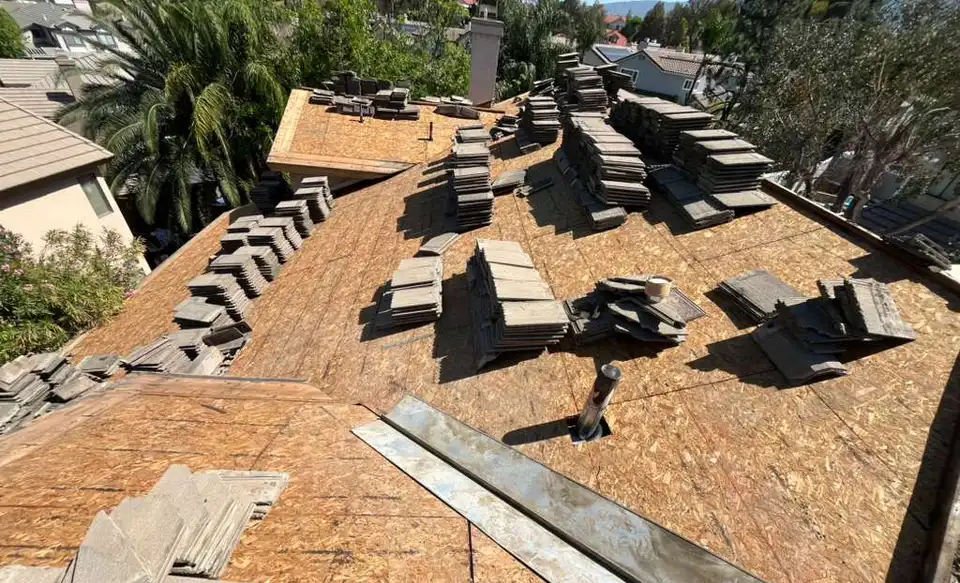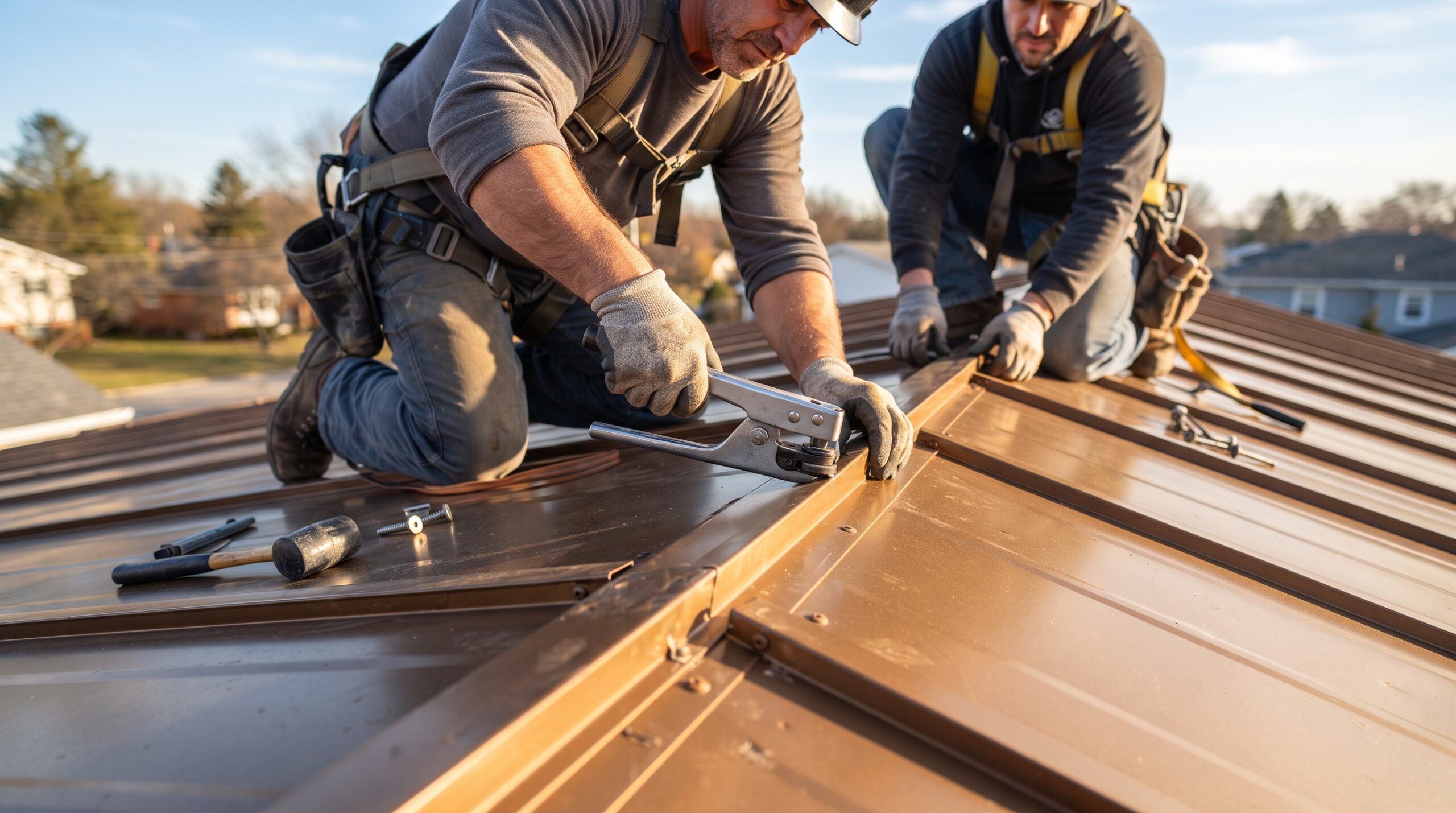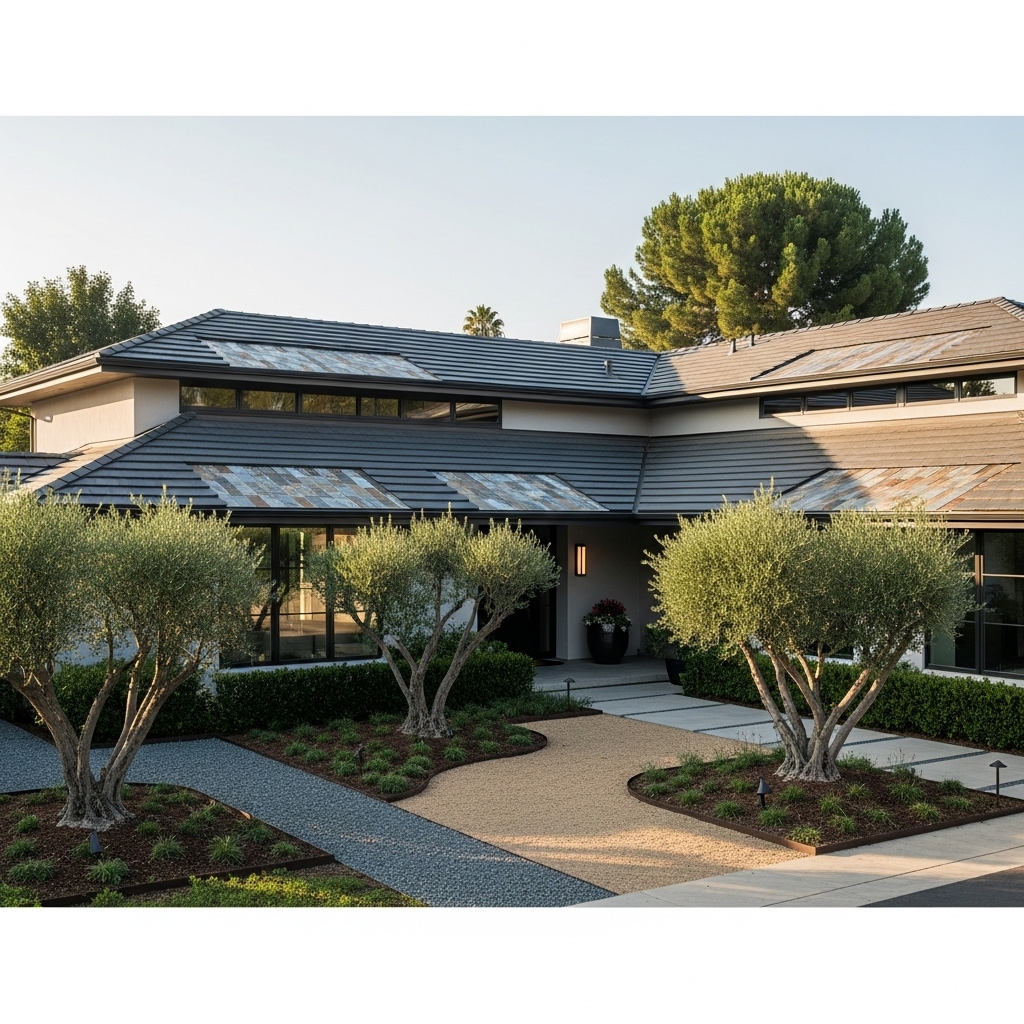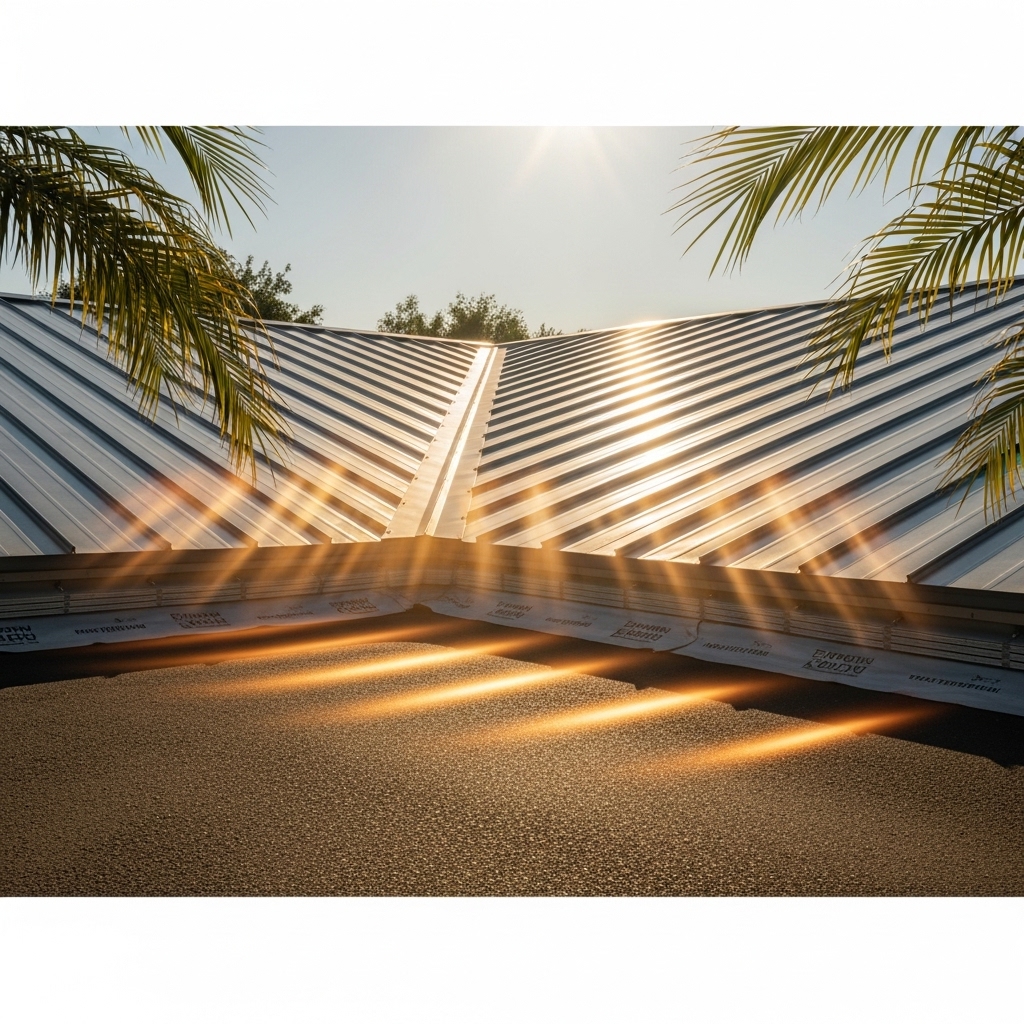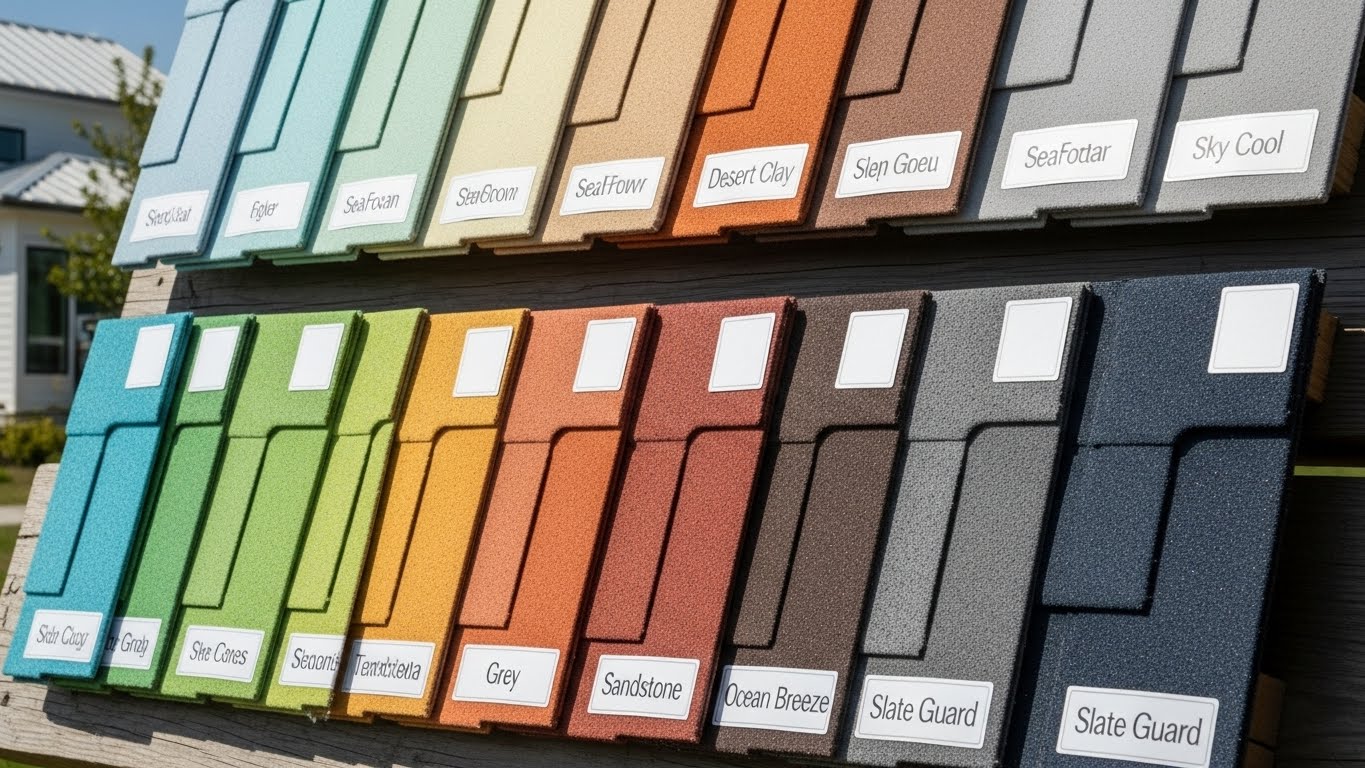
The best cool roofing paint colors for the Santa Barbara, California sun are the ones with the highest aged solar reflectance on the Cool Roof Rating Council (CRRC) label for the look you want: white and pale tones reflect the most, but many tans, grays, terracottas and even darker shades now use infrared-reflective “cool” pigments. Pick a color by its rating, then check whether your roof slope, neighborhood review board or HOA limits the choice. For help matching a color to a rated product, call NEMA Roofing at 805-977-5949.
What makes a roof color “cool”?
Two measured properties, both on a scale from 0 to 1, decide how hot a roof gets in the sun:
- Solar reflectance: how much of the sun’s energy the surface reflects instead of absorbing.
- Thermal emittance: how readily the surface releases the heat it did absorb.
Higher numbers mean a cooler roof. The California Energy Commission names the CRRC as the rating body, and only the aged values listed in the CRRC’s product directory count toward the state energy code. “Aged” matters because dirt, salt and sun lower reflectance over the first years, especially on bright whites. The Energy Commission also notes that cool roofs come in a wide range of colors, including light, dark and vibrant shades, because cool pigments reflect invisible infrared light while still showing the visible color you chose.
Which colors reflect the most?
| Color family | How it usually performs | Where it fits in Santa Barbara |
|---|---|---|
| White and near-white | The highest reflectance; loses some as it weathers | Flat and low-slope roofs, which few people see from the street |
| Light gray, sand, light tan | High reflectance with less glare than white | Visible shingle, metal or tile roofs where white would look out of place |
| Terracotta and clay reds | Varies widely by product; cool-pigment versions exist | Spanish and Mediterranean homes where the red tile look is part of the style |
| Medium and dark grays, browns, charcoal | Standard versions absorb heat; cool-pigment versions reflect far more infrared | Homes where the design calls for a dark roof: compare the rated values, not the swatch |
Two roofs that look the same color can have very different ratings. Always compare the aged solar reflectance printed on the CRRC label or listed in its directory for the exact product and color.
Does Santa Barbara require a cool roof color?
It depends on the roof’s slope. Santa Barbara, Goleta, Montecito and Carpinteria are in California building climate zone 6. Under the 2025 energy code in force since January 1, 2026:
- Steep-slope roofs (shingle, tile, most metal): the residential reroof cool-roof requirement applies in zones 4 and 8 through 15, not zone 6. Color is your choice, subject to design review or HOA rules.
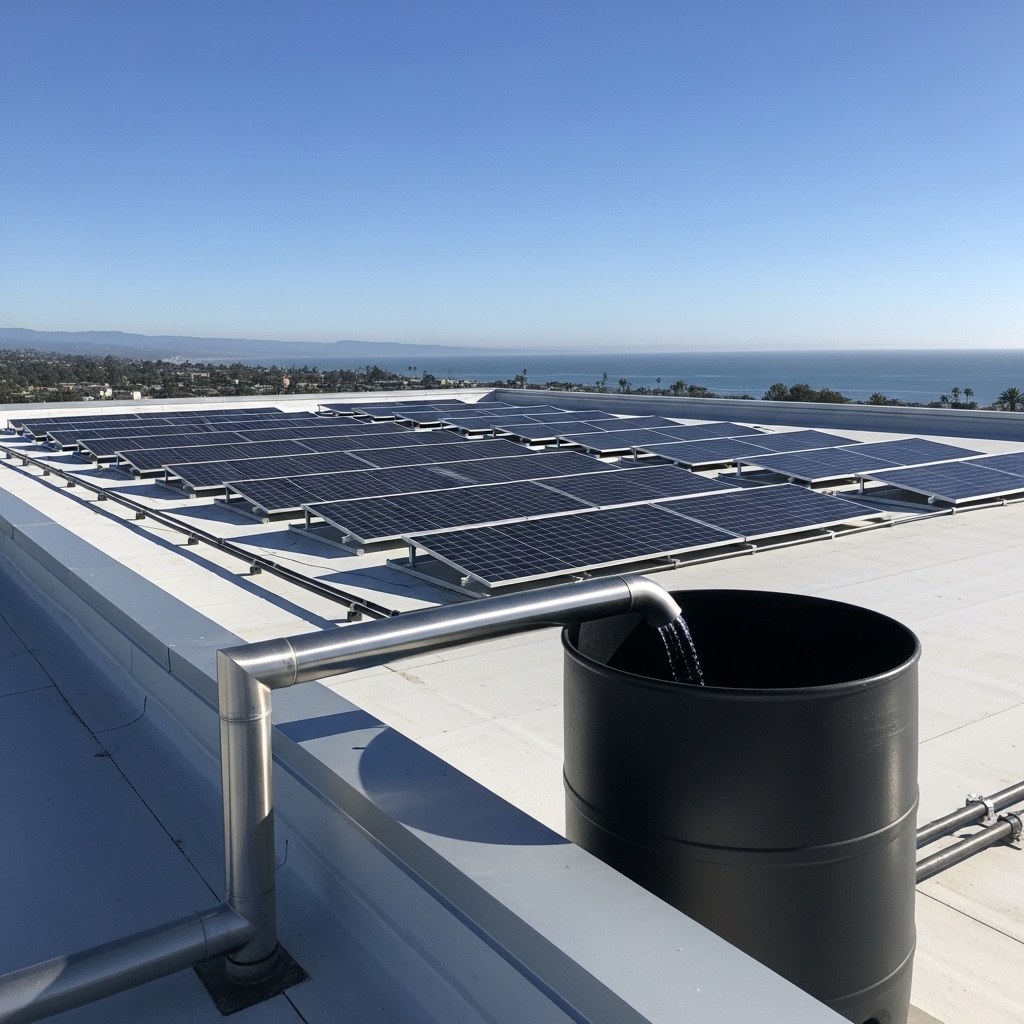
- Low-slope roofs (flat roofs, most patio covers and additions): when more than half the roof is replaced in zones 4 and 6 through 15, the new roofing must meet an aged solar reflectance of at least 0.63 and thermal emittance of at least 0.75, or an equivalent solar reflectance index, unless an insulation trade-off is used. In practice that means a white or very light membrane or coating.
Inland homes are different: Woodland Hills and parts of Thousand Oaks sit in zone 9, where steep-slope reroofs must meet cool-roof values too. See cool roofing in Woodland Hills for how that plays out.
Who else has a say in your roof color?
- Montecito: the Montecito Board of Architectural Review considers building colors and materials in its review, and its exemption list does not include reroofing or roof color changes. Plan for review before changing color there.
- Historic and design districts: check with the city’s planning counter before switching from a traditional tile red or a dark shingle to a much lighter color.
- HOAs: many associations publish approved roof colors and materials; get the list before choosing.
Can you paint an existing roof a cool color?
Sometimes, and it depends on the roof:
- Flat and low-slope roofs: a rated reflective coating over a sound membrane is common and can be the most direct way to get a cool surface. Surface preparation and compatibility with the existing membrane decide whether it lasts; see cool roof coatings for coastal homes.
- Metal roofs: factory-applied cool-pigment finishes are the norm on new panels; field coatings exist for older metal.
- Asphalt shingles and tile: the color comes from the granules or the tile body and glaze. Painting them is not a substitute for choosing a cool-rated product at replacement; check the shingle or tile manufacturer’s guidance before applying any coating.
How do you choose a color in practice?
- Decide whether the roof is steep or low-slope, and whether it is visible from the street.
- Check for Montecito review, a historic district or HOA color rules.
- Shortlist two or three colors in the product line you want and look up their aged solar reflectance.
- Look at real samples on your roof, in morning and late-afternoon light, before deciding.
For the materials behind each color option, read the best cool roofing materials for the Santa Barbara climate and cool roof shingles for coastal homes. Our cool roofing service covers installation; NEMA has six locations, from Santa Barbara and Oxnard to Tarzana, Woodland Hills, Downey and San Bernardino, and serves homes in all five counties on our service areas page. To compare rated colors for your home, call NEMA Roofing at 805-977-5949.