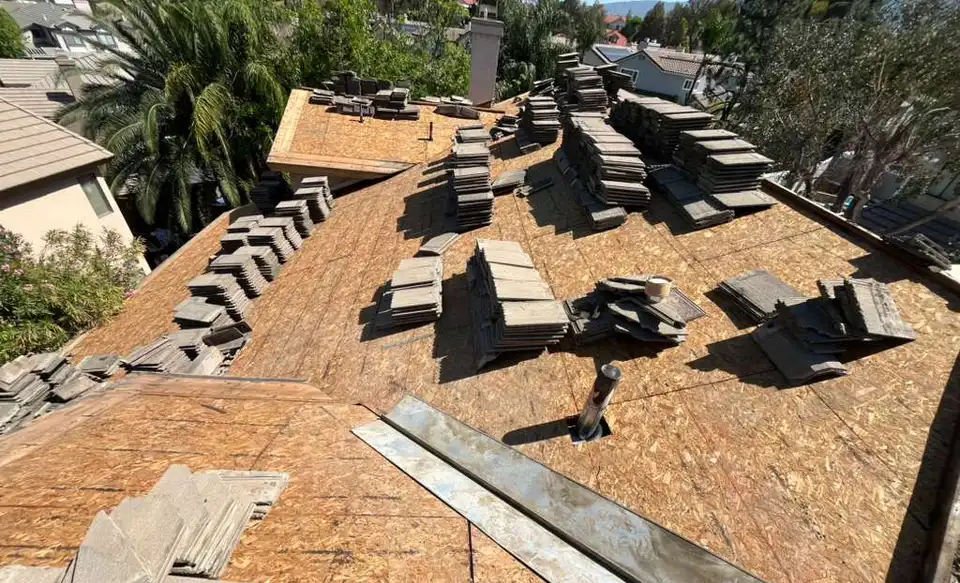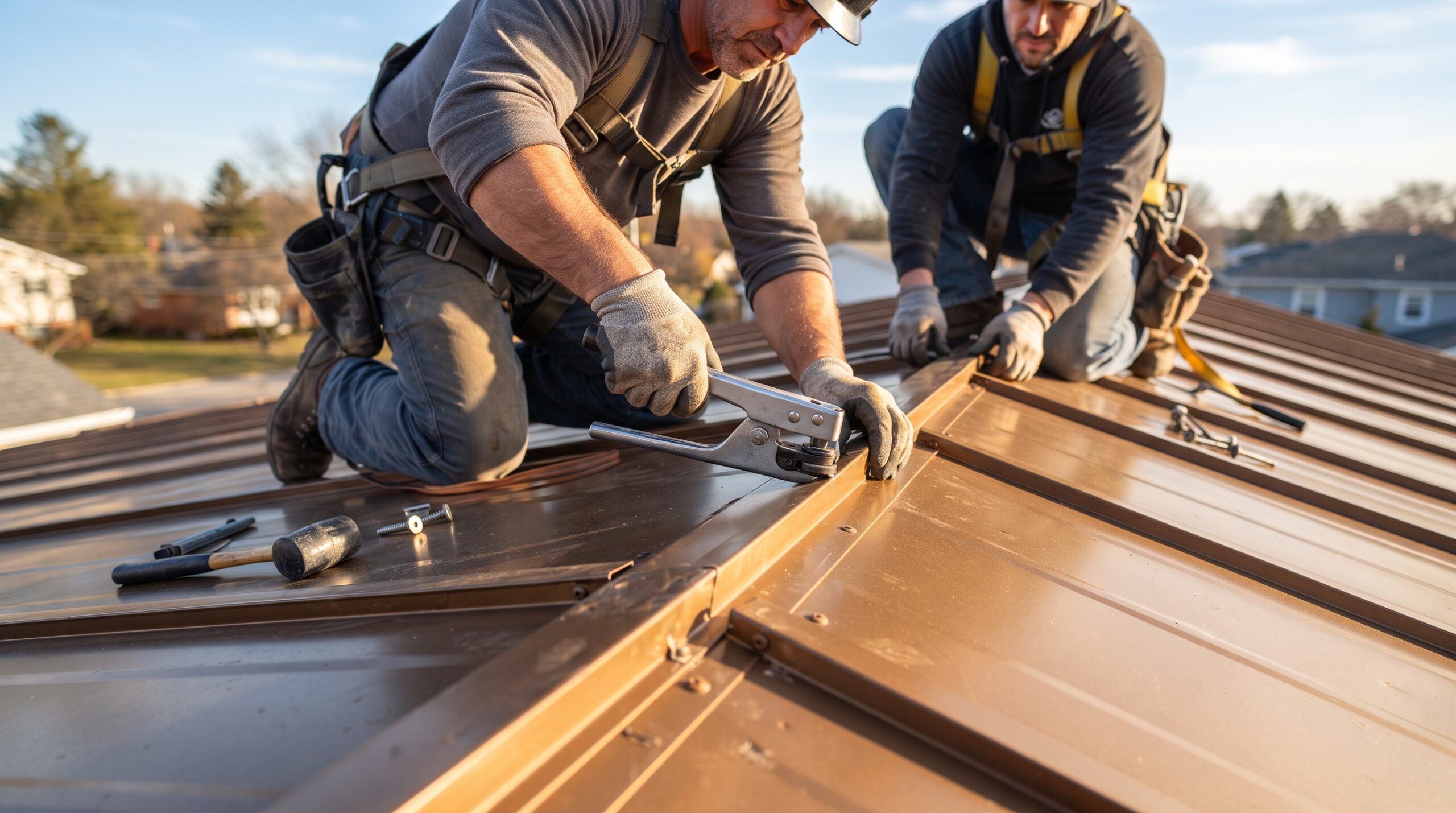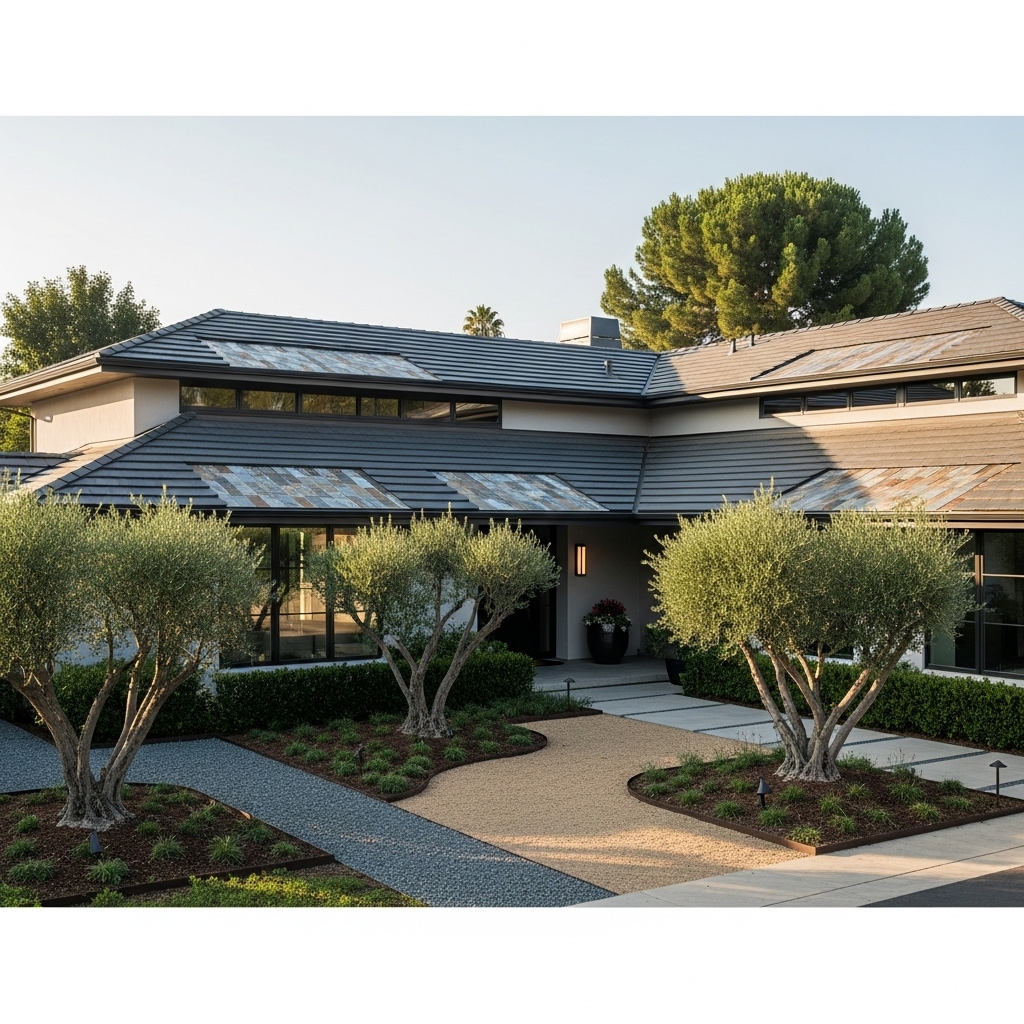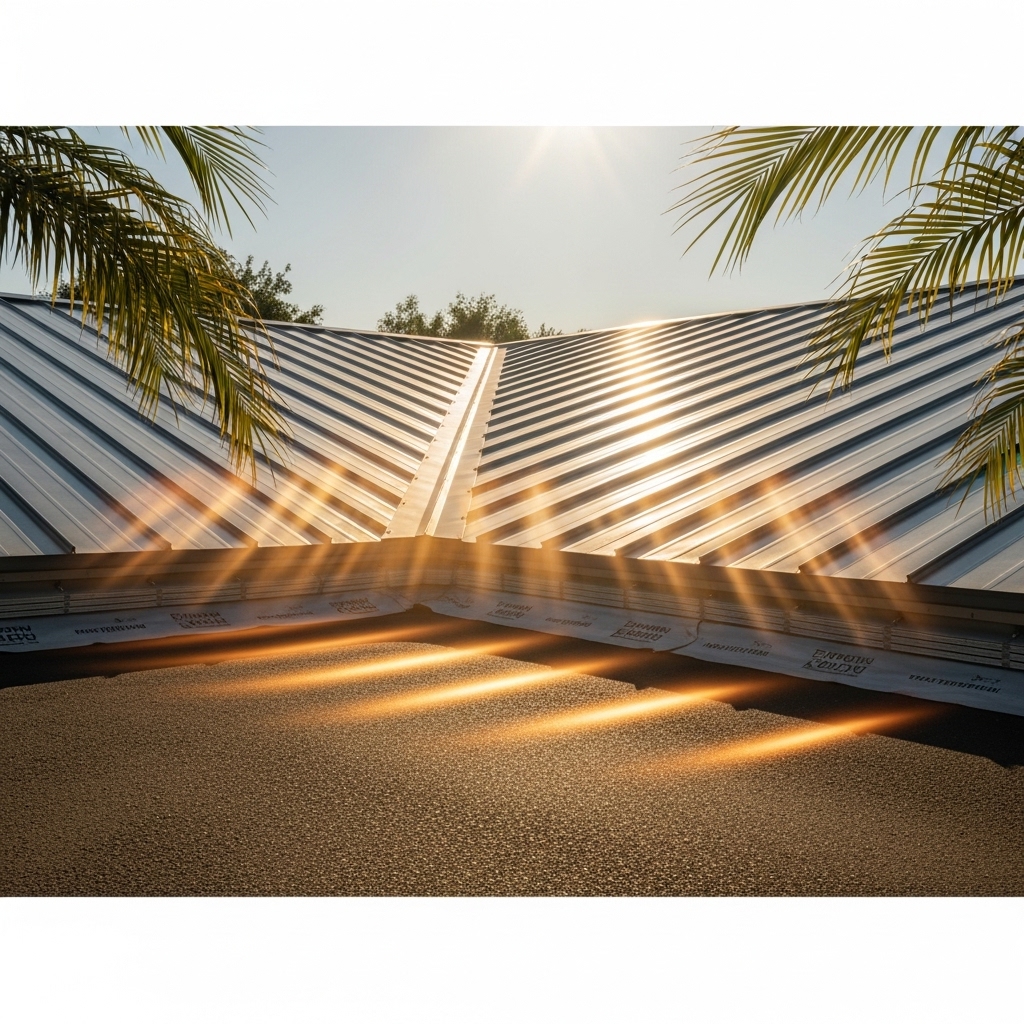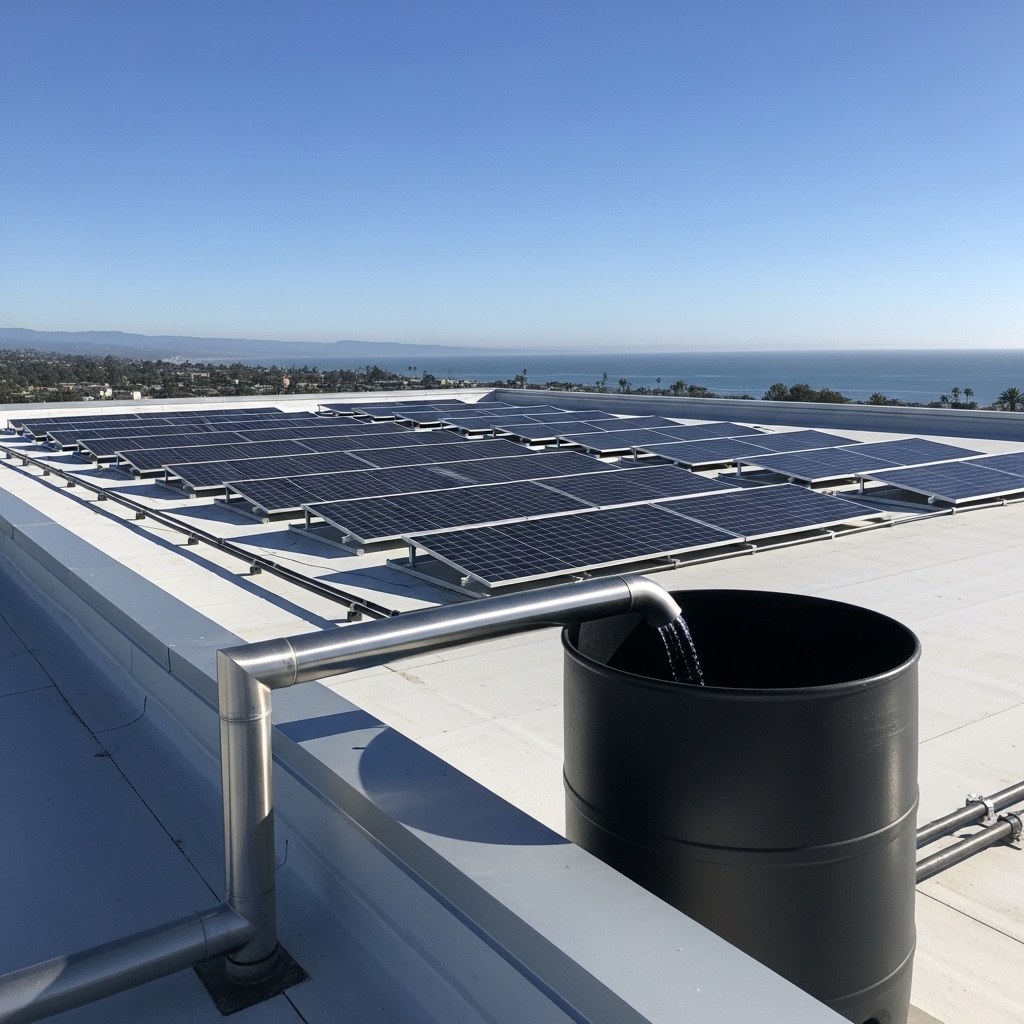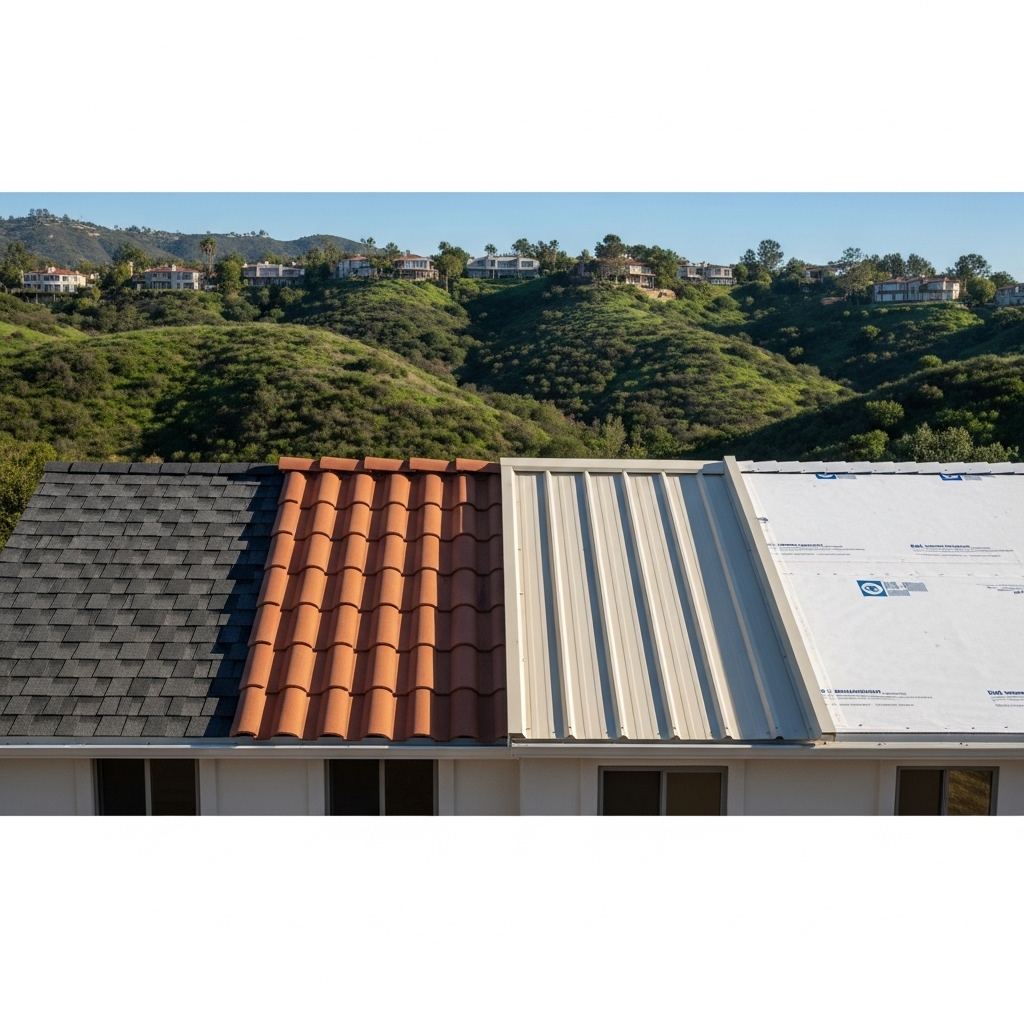
The best cool roofing materials for the Santa Barbara, California climate are cool-rated asphalt shingles, light or cool-pigment concrete and clay tile, and metal with a factory cool finish for sloped roofs, and white single-ply membranes (TPO or PVC), reflective cap sheets or rated reflective coatings for flat and low-slope roofs. The right one depends on your roof’s slope, the look your street calls for, salt air, fire rules and what the code requires when you replace more than half the roof. To compare options for your home, call NEMA Roofing at 805-977-5949.
Which cool roofing materials suit which roof?
| Material | Roof type | Strengths in Santa Barbara | What to check |
|---|---|---|---|
| Cool-rated asphalt shingles | Sloped | Familiar look, wide color range, lighter weight | The aged solar reflectance of the exact color; Class A rating if you are in a fire hazard zone |
| Concrete or clay tile in light or cool-pigment colors | Sloped | Fits Spanish and Mediterranean styles; clay and concrete tile on a noncombustible deck are among the Class A coverings the state fire code lists | Structure must carry the weight; color may face design review |
| Metal with a factory cool finish | Sloped (and some low slopes) | High reflectance in many colors; sheds water and debris well | Finishes and fasteners suited to coastal salt exposure; the manufacturer’s coastal terms |
| White TPO or PVC single-ply membrane | Flat and low-slope | Very high reflectance; seams welded rather than glued | Detailing at walls and drains; keeping it clean to hold reflectance |
| Reflective cap sheet (modified bitumen) | Flat and low-slope | A multi-ply system with a reflective granule surface | Its rated value, which is often lower than a white membrane |
| Rated reflective coating | Existing flat or low-slope roofs in sound condition | Restores reflectance without a tear-off | Compatibility with the existing surface; it does not fix a failing roof |
Does the energy code require a cool roof in Santa Barbara?
Santa Barbara, Goleta, Montecito and Carpinteria are in California building climate zone 6, and the answer depends on slope. Under the 2025 energy code, in force since January 1, 2026:
- Sloped roofs: the residential reroof cool-roof requirement applies in zones 4 and 8 through 15, not zone 6. You may still choose a cool material for comfort; it is not mandated.
- Flat and low-slope roofs: when more than half of the roof is replaced, zones 4 and 6 through 15 require an aged solar reflectance of at least 0.63 and thermal emittance of at least 0.75, or an equivalent solar reflectance index, unless the allowed insulation trade-off is used. That effectively points to a white membrane, a highly reflective cap sheet or coating system.
The values that count are the aged ratings listed in the Cool Roof Rating Council directory, not the color name. For how ratings and colors relate, see the best cool roofing paint colors for the Santa Barbara sun.
How do salt air and the marine layer change the choice?
Near the ocean, moisture and salt settle on the roof and speed up corrosion of exposed metal, from panels to fasteners and flashing. For metal roofs that means choosing a finish and fasteners the manufacturer rates for coastal exposure and asking how far from the water its terms apply. For every material, dirt and salt lower reflectance over time, which is why codes use aged ratings; a gentle rinse during regular maintenance helps white membranes and coatings keep their performance. For the flat roof side of this, see cool roof coatings for coastal homes.
What about fire zones in the foothills?
Montecito and Goleta both include Moderate, High and Very High Fire Hazard Severity Zone land, and Carpinteria includes Moderate and High zones, so check your lot on the state map. There, a replaced roof covering must meet the Class A rating that new construction needs. Many cool shingles, most tile and most metal systems are available as Class A assemblies, so fire rating and reflectance can usually be met together. In Montecito the fire district’s own standard is stricter: replacing more than 10 percent of the roof area requires the whole roof in conforming Class A material.
Who reviews the material or color?
In Montecito, the Board of Architectural Review considers colors and building materials, and reroofing or changing roof material is not on its exemption list. Elsewhere, historic districts and HOAs may limit colors. Check before ordering, especially when moving from dark to light or from tile to another material.
How do you narrow it down?
- Separate the sloped parts of the roof from the flat or low-slope parts: they often get different materials.
- For flat sections being replaced, start from the code values above.
- For sloped sections, pick the material family that suits the house and structure, then compare the aged ratings of the colors you like.
- Confirm the Class A requirement and any design review for your address.
- Plan ventilation and attic insulation with the roof; they work together with the surface to keep the house cooler.
For more on individual options, read cool roof shingles for coastal homes and cool roofing vs. traditional roofing. Our cool roofing service covers installation from NEMA’s six locations (Santa Barbara, Oxnard, Tarzana, Woodland Hills, Downey and San Bernardino) across Santa Barbara, Ventura, Los Angeles, Riverside and San Bernardino counties. To choose materials with someone who can see your roof, call NEMA Roofing at 805-977-5949.