
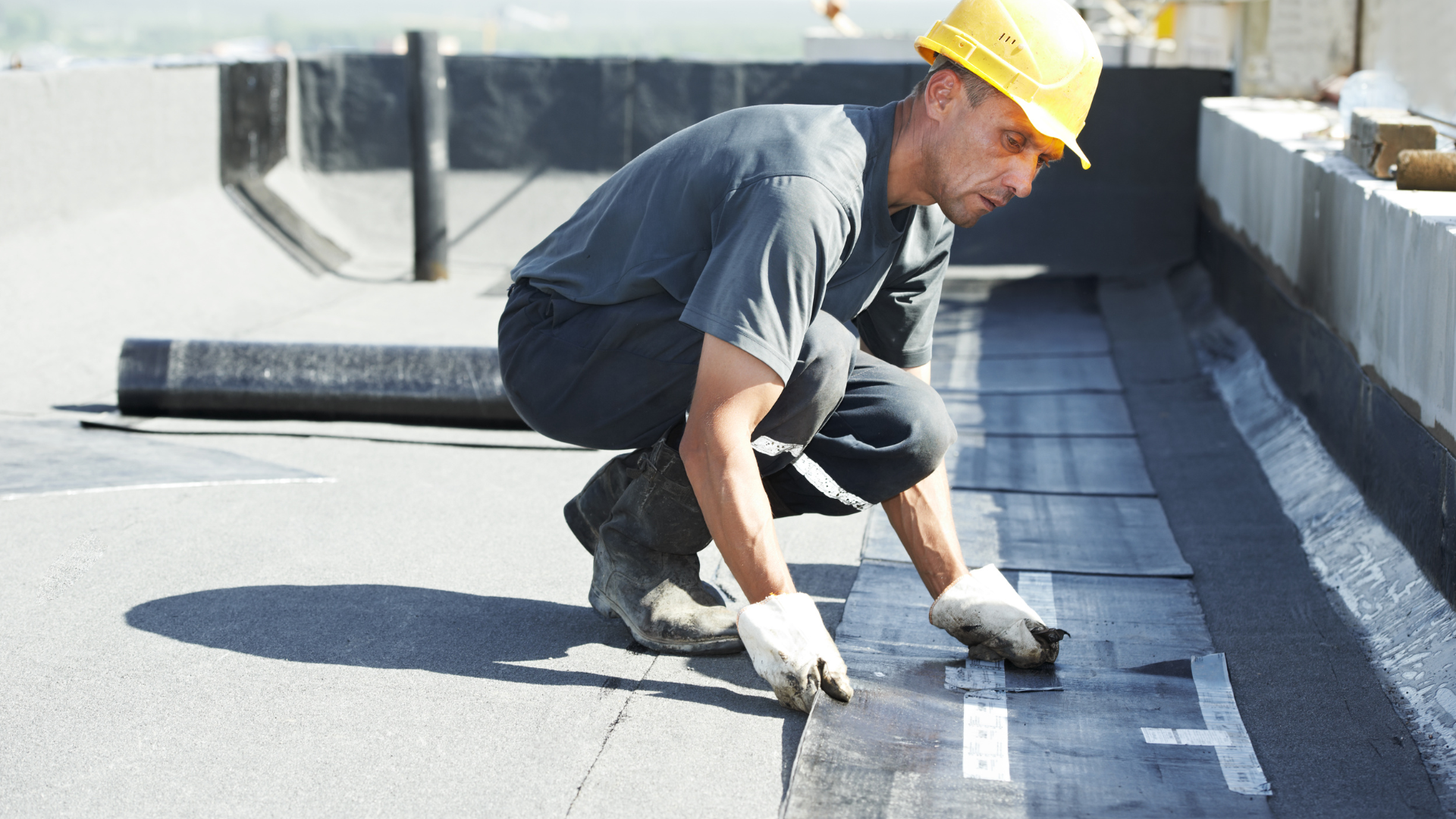
Commercial roof life cycle cost is everything a roof costs you from installation to removal: the installed price, the energy it saves or wastes, maintenance and repairs, business interruptions, and what it will cost to put the next roof on. Divide that total by the years the roof serves and you have its cost per year, which is the number that makes one system the smart, durable choice for your building rather than the lowest bid. For a proposal that shows these pieces, call NEMA Roofing at 866-631-3366.
What goes into a commercial roof’s life cycle cost?
| Cost stage | What drives it | How to keep it down |
|---|---|---|
| Installation | System type, insulation, tear-off, deck repair, flashing and access | Compare full scopes, not totals |
| Energy | Surface reflectance and the insulation under the membrane | Meet or beat the cool-roof and insulation rules at reroof |
| Maintenance | Inspections, drain cleaning, sealant and seam upkeep | A scheduled program instead of call-outs |
| Repairs and interior damage | Leaks at flashings, penetrations and ponding areas | Good details at install; fast response to small leaks |
| Downtime | Work over occupied space, noise, odors, blocked access | Phased work and quieter application methods |
| End of life | Tear-off and disposal, or a recover or coating | Keep the roof dry so a recover stays possible |
How do you compare two roofs on cost per year?
- Price the full scope. Get each proposal’s installed cost including tear-off, insulation, flashing, edge metal and any deck repair allowance.
- Estimate a realistic service life for that system on your building, given its traffic, equipment, drainage and exposure. Ask the contractor what the estimate assumes.
- Add a maintenance budget for inspections and minor repairs across those years.
- Add the end-of-life cost: a full tear-off, or a recover or restoration coating if the system will qualify for one.
- Divide by the years of service.
A simple illustration of why this matters: a system that costs 20 percent more to install but serves 40 percent longer costs about 14 percent less per year, before counting maintenance or energy. The reverse is also true: a cheap roof that needs a tear-off early is the expensive one.
Why the second roof should be planned with the first
The biggest single saving over a building’s life is often avoiding a tear-off. The 2025 California Building Code (section 1512.3) permits a new roof covering over an existing one, and allows a new protective coating over existing coatings, metal panels, built-up, spray foam, modified bitumen and single-ply roofs without tear-off. It does not permit a recover when:
- the existing roof is water-soaked or deteriorated to the point it is not an adequate base;
- it is a tile roof (clay, cement, asbestos-cement) or slate; or
- two or more layers of roof covering are already in place.
Two practical lessons follow. A roof that is kept dry, with leaks fixed early and wet insulation replaced, keeps the cheaper recover or coating option open at the end of its life. And a roof installed today as a recover over an old layer uses up that option for the next owner, so the next roof will be a full tear-off.
Energy rules follow the second roof as well. A recover or recoat big enough to trigger California’s Title 24 reroof rule (half the roof, or 2,000 square feet if that is less) needs a cool surface and added insulation, although a recover that adds R-10 above the deck satisfies the insulation part. Budget for it in the end-of-life line.
What makes a system durable on your building?
Durability is a match between the system and the conditions it will see, not a property of one material:
| Condition on the roof | What to specify |
|---|---|
| Frequent foot traffic to rooftop units | Walkway pads on service routes; thicker or reinforced membrane in those areas |
| Restaurant exhaust, grease or oils | A membrane rated for that exposure (PVC is often chosen) and grease containment at the fan |
| Water that sits after rain | Tapered insulation or crickets toward drains before choosing any membrane |
| Full sun and heat | A reflective surface with rated aged values; UV-stable top layer |
| Salt air near the coast | Corrosion-resistant fasteners, edge metal and metal panel coatings |
| Solar planned within a few years | A system with enough service life to outlast the array; mounts designed with the roofer |
For how common membranes compare, see commercial roofing materials: pros, cons and best uses and how long each flat roof material lasts.
Is maintenance really part of the cost of a durable roof?
Yes, and it is the cheapest line in the table. Most service life is lost to small problems left alone: a clogged drain that ponds water for weeks, a split in sealant at a curb, a puncture from a dropped tool. A basic program covers:
- Inspections on a fixed schedule and after major storms.
- Drains, scuppers and gutters cleared before the rainy season.
- Seams, flashings and penetrations checked and resealed where needed.
- A log of every repair and every trade that works on the roof.
Our commercial roof maintenance guide goes through a full program.
What to ask for in a proposal
- The service-life assumption behind the recommendation, and the conditions it depends on.
- Whether the new roof could take a recover or coating later, and what would prevent it.
- How the energy code will be met: the product’s rated values and the insulation thickness.
- The manufacturer warranty and whether the contractor is approved to register it. NEMA Roofing holds GAF Master Elite status and is an Owens Corning Preferred Contractor and a Polyglass Preferred Contractor.
- A suggested maintenance schedule for the first years.
From five locations (Santa Barbara, Oxnard, Woodland Hills, Tarzana and Downey), NEMA Roofing prepares commercial proposals across all of Santa Barbara, Ventura, Los Angeles, Riverside and San Bernardino counties, including the Inland Empire (see our San Bernardino County service area). Visit our commercial roofing service page or call 866-631-3366 to have your roof assessed and priced on a cost-per-year basis.




