
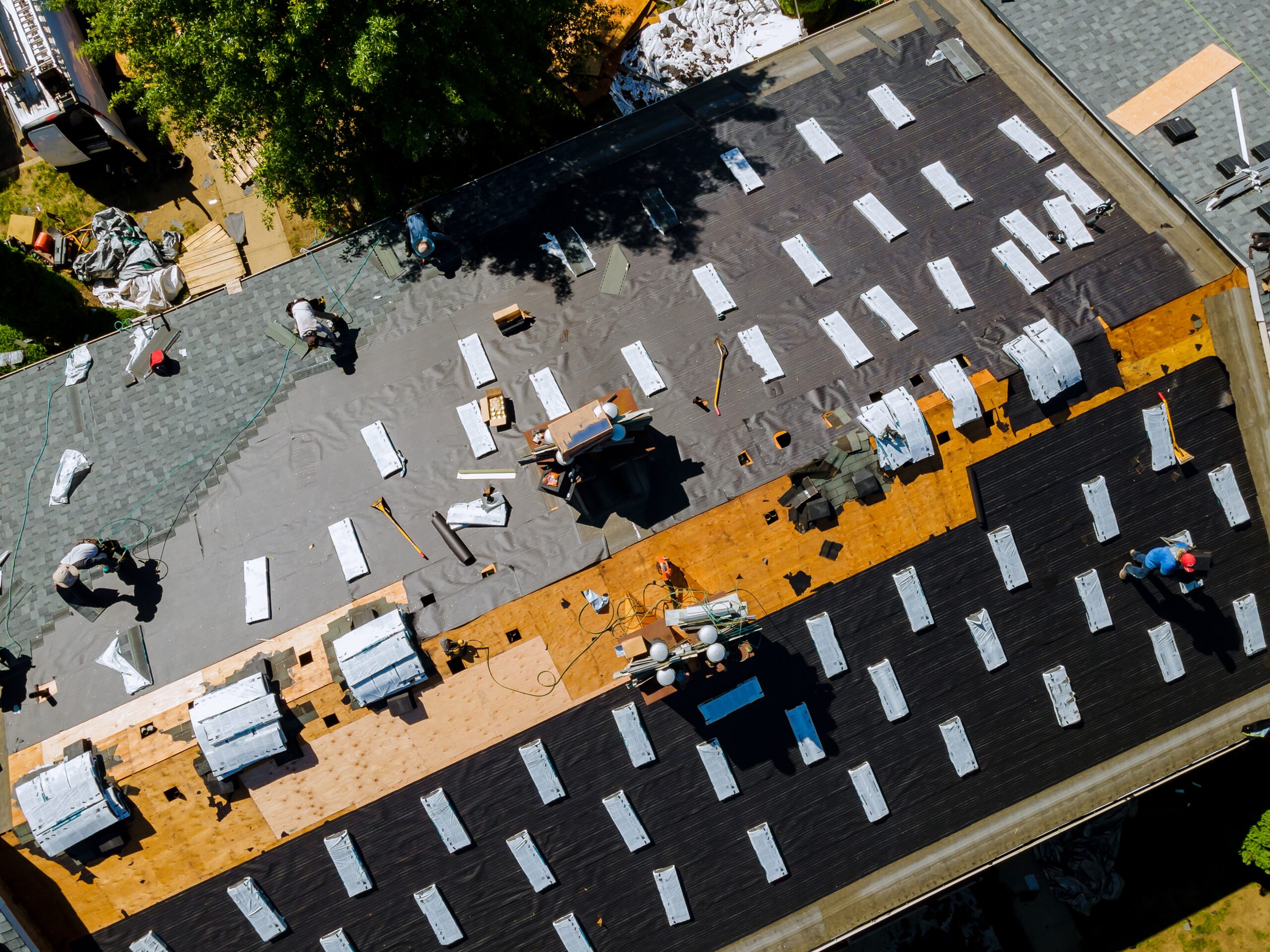
The top commercial roofing materials are single-ply membranes (TPO, PVC and EPDM), modified bitumen, built-up roofing (BUR), metal panels and spray foam with a coating; each has clear pros, cons and best uses depending on the roof’s slope, what sits on it, and how the building is used. In California, a commercial low-slope reroof also has to meet the state’s cool-roof values in every climate zone, which steers many buildings toward white or highly reflective surfaces. For a commercial roof assessment, call NEMA Roofing at 866-631-3366.
How do the main commercial roofing materials compare?
| Material | Pros | Cons | Best uses |
|---|---|---|---|
| TPO (single-ply) | White, highly reflective; heat-welded seams; lighter labor than multi-ply systems | Performance depends on seam welding and membrane thickness | Large, simple low-slope roofs where reflectance matters |
| PVC (single-ply) | Heat-welded seams; handles oils and grease better than many membranes | Material cost higher than bituminous systems | Restaurants and kitchens with exhaust grease; roofs with chemical exposure |
| EPDM (single-ply rubber) | Flexible, long-used; tolerant of movement | Seams are taped or glued, not welded; black versions absorb heat | Roofs where a black surface is allowed or a reflective coating is added |
| Modified bitumen | Multi-ply redundancy; tough surface; low maintenance cost | Heavier; torch-applied versions carry fire-safety requirements during installation | Roofs with foot traffic and equipment, where long service life is the priority |
| Built-up roofing (BUR) | Several plies; aggregate surface protects and cools the membrane | Heavy; hot-applied installation; gravel must stay in place | Buildings that can carry the weight and want a proven multi-ply system |
| Metal panels | Sheds water fast; many factory cool finishes | Needs enough slope; corrosion risk near salt air without the right metal and finish | Sloped commercial roofs, warehouses and agricultural buildings |
| Spray foam with coating | Seamless; adds insulation; fills irregular shapes | The coating must be renewed to protect the foam | Irregular roofs and recover projects over a sound existing roof |
The U.S. Department of Defense’s roofing criteria give a useful independent view: properly constructed TPO and PVC systems may last 15 years or more, modified bitumen must be considered when long service life is required, and aggregate-surfaced BUR tends to outlast cap-sheet BUR because the gravel keeps the membrane cooler.
What does California require on a commercial reroof?
Under the 2025 California Energy Code (Title 24, Part 6), in force since January 1, 2026, the cool-roof rule for nonresidential low-slope reroofing applies in every climate zone, not just the hot ones. When more than 50 percent of the roof area or more than 2,000 square feet, whichever is less, is altered, the new roofing must meet an aged solar reflectance of at least 0.63 and a thermal emittance of at least 0.75 (or an equivalent solar reflectance index), unless an allowed insulation trade-off is used, and the altered area must also be insulated to the code level.
That rule favors white TPO or PVC, reflective cap sheets and rated coatings. A black EPDM or a standard gravel surface needs a reflective top layer or the insulation trade-off to comply. Check the aged values in the Cool Roof Rating Council directory for the exact product.
How do you choose the right material for your building?
- Slope and drainage. Membranes and multi-ply systems suit low slopes; metal panels need slope.
- What happens on the roof. Heavy foot traffic and rooftop units favor tougher multi-ply surfaces or walkway protection on single-ply.
- Chemical exposure. Restaurant exhaust and oils point to PVC or a membrane rated for them.
- Location. Near the ocean, salt air shortens the life of some metals; the DoD criteria note that aluminum-zinc coated steel does not perform as well in salt spray.
- Structure. BUR and ballasted systems add weight; confirm the deck can carry it.
- Code and operations. Budget for the cool-roof values and insulation on a reroof, and plan the work around business hours.
When is a recover better than a tear-off?
A recover (a new membrane or coating over the existing roof) avoids tear-off disruption when the existing roof is dry and sound. Wet insulation, soft deck or more existing layers than the code allows mean a tear-off. An infrared or core-sample survey of the existing roof tells you which case you are in before choosing a material.
How do you keep a commercial roof performing?
- Inspect in spring and fall and after major storms.
- Keep drains, scuppers and gutters clear, and fix ponding early.
- Protect traffic paths to rooftop equipment with walk pads.
- Reseal flashing at curbs, walls and penetrations as soon as it opens.
For more, see how to choose the best commercial roofing system, how to maintain a commercial roof and what to expect from a commercial roof inspection. NEMA Roofing serves businesses from five locations, in Santa Barbara, Oxnard, Tarzana, Woodland Hills and Downey, across Santa Barbara, Ventura, Los Angeles, Riverside and San Bernardino counties; our commercial roofing service covers repair, recover and replacement. To discuss your building, call NEMA Roofing at 866-631-3366.




