
Flat Roof vs Pitched Roof Cost: Which Is Cheaper for Your Home?
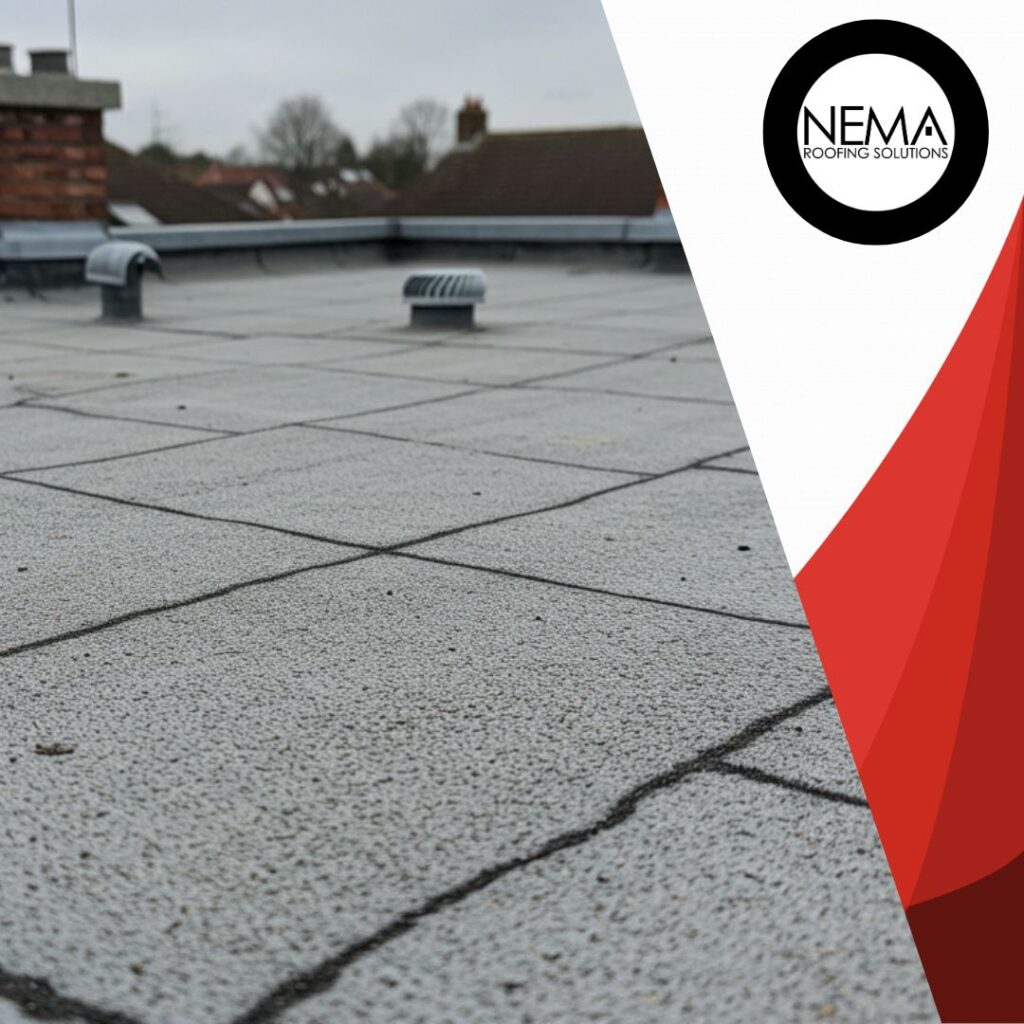
On flat roof vs pitched roof cost, a flat roof is usually the cheaper one to build, because it covers only the house’s footprint, needs simpler framing and is quicker and safer to work on; over the roof’s whole life the gap narrows, because the membrane needs more regular care and may be replaced sooner […]
Low Slope Roofing: The Right Roof for Modern Buildings
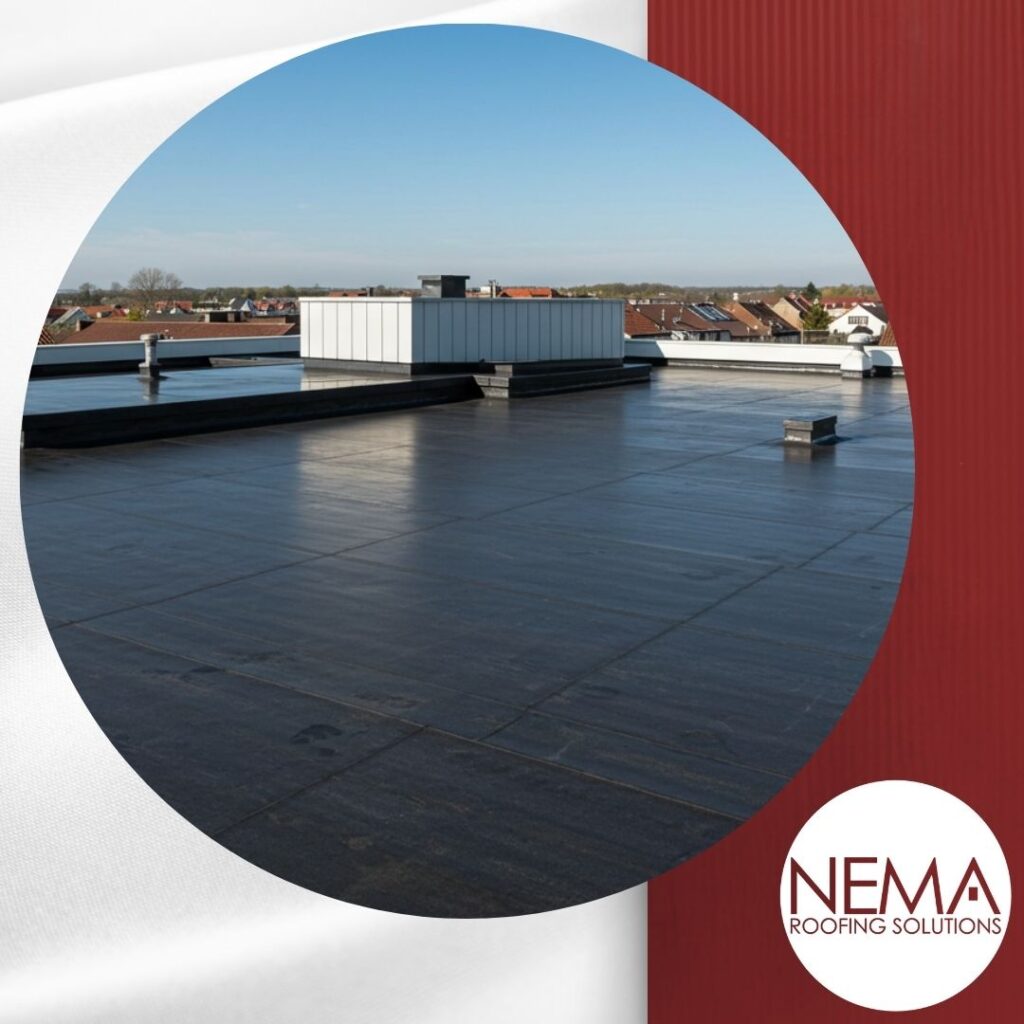
Low slope roofing is roofing for roofs that rise less than 2 inches per foot of run (under 2:12), which is where California’s energy code draws the line between low-sloped and steep-sloped roofs. Water drains slowly at these pitches, so the roof needs a continuous waterproof system (single-ply membrane, modified bitumen, built-up roofing, spray foam, […]
Best Flat Roof Material for a House: A Durable Choice for Each Roof

The best flat roof material for a house is the one that fits how that particular roof is used: a white TPO or PVC membrane for a sunny roof over living space, modified bitumen (often self-adhered or cold-applied) for a small porch or addition roof that meets a shingle roof, a protected PVC or multi-ply […]
Flat Roof Maintenance Checklist Every Homeowner Needs
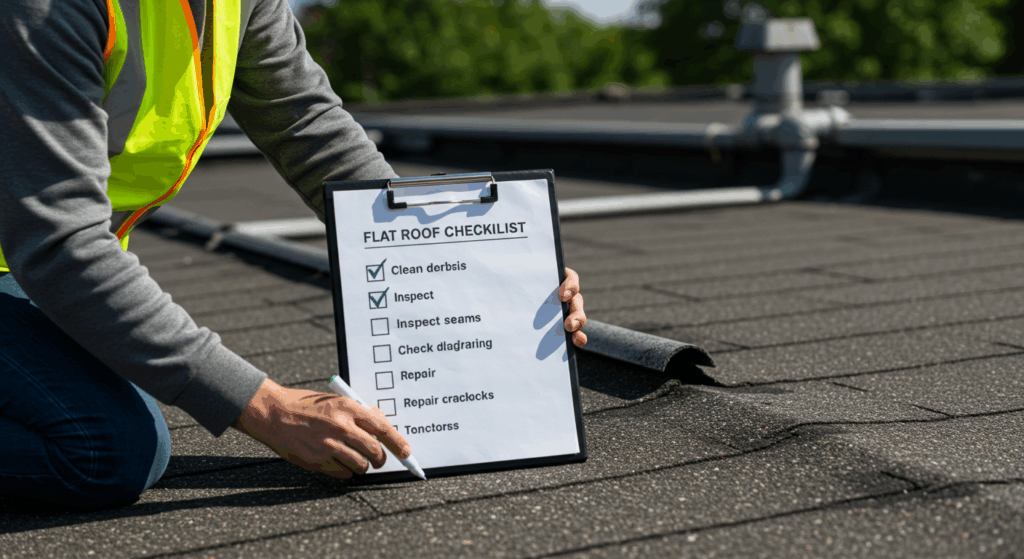
Flat roof maintenance comes down to two jobs: keep water moving off the roof, and keep every seam, edge and opening sealed. In practice that means clearing drains, scuppers and gutters, checking the membrane, seams and flashing for damage, watching for water that stays after rain, and having a roofer inspect the roof at least […]
Flat Roof Lifespan: How Long Does Each Material Last?
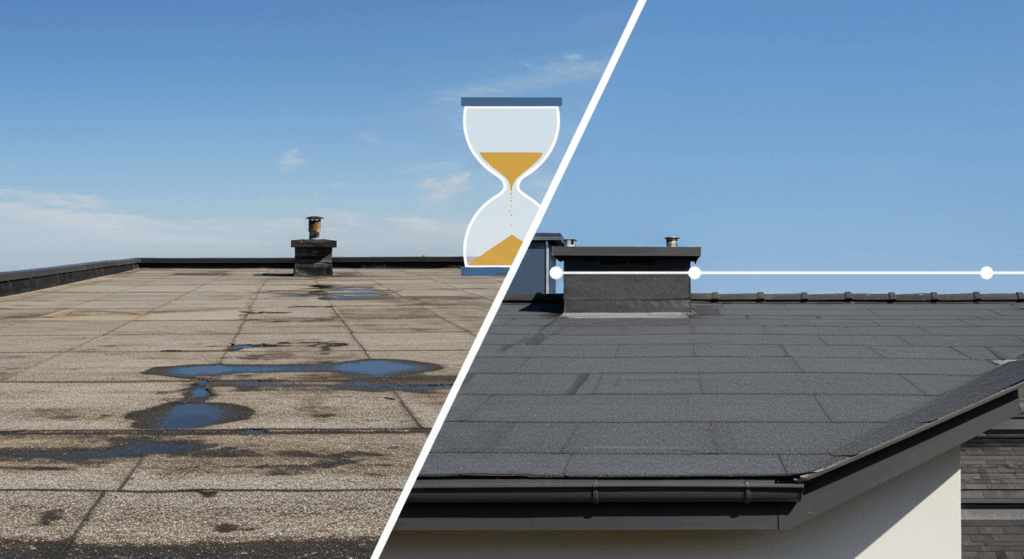
A flat roof’s lifespan depends less on the membrane’s name than on how it was installed and kept up: the U.S. Department of Defense roofing criteria say properly built TPO and PVC systems may last 15 years or more, and rank aggregate-surfaced built-up roofs and multi-ply modified bitumen among the longer-lived low-slope systems. Any single […]
How to Choose a Flat Roofing Contractor: Services That Protect and Perform
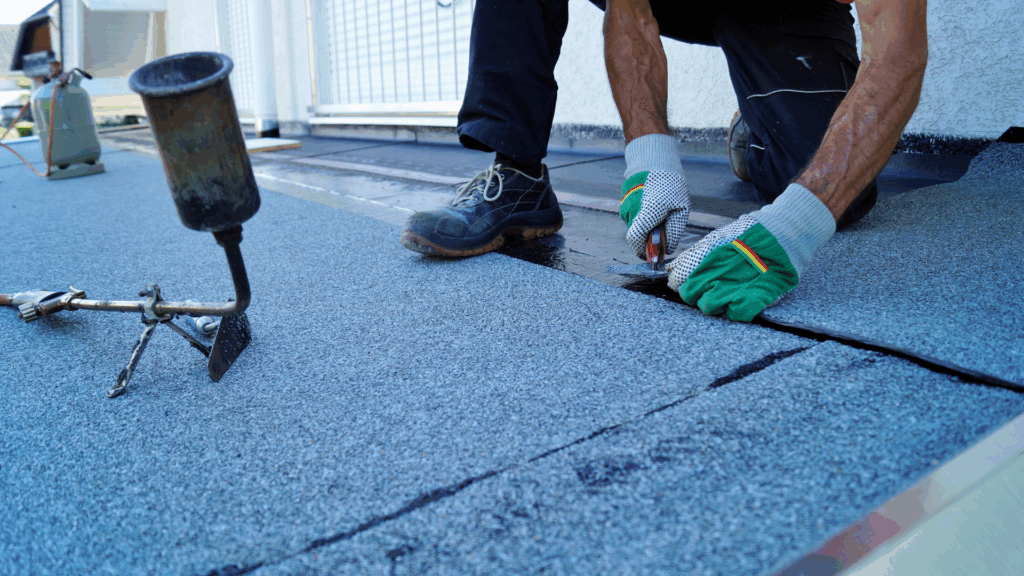
How to choose a flat roofing contractor: confirm an active California C-39 roofing license, then judge each proposal by the flat-roof details it spells out: the membrane system and the maker’s approval, how water will reach the drains, how walls, curbs and edges will be flashed, whether a moisture check decides between recover and tear-off, […]
Flat Roof Surface Finishes: Smooth, Granulated, Gravel and Coated

Flat roof surface finishes are the top, weather-facing layer of the roof: a smooth factory membrane (TPO, PVC or EPDM), a mineral-granule or coated cap sheet on modified bitumen, gravel set in asphalt on a built-up roof, or a liquid coating applied on site. The smooth, sleek look comes from single-ply membranes and coatings; how […]
Flat Roof Recover vs Replacement: Which Delivers Long-Term Results?
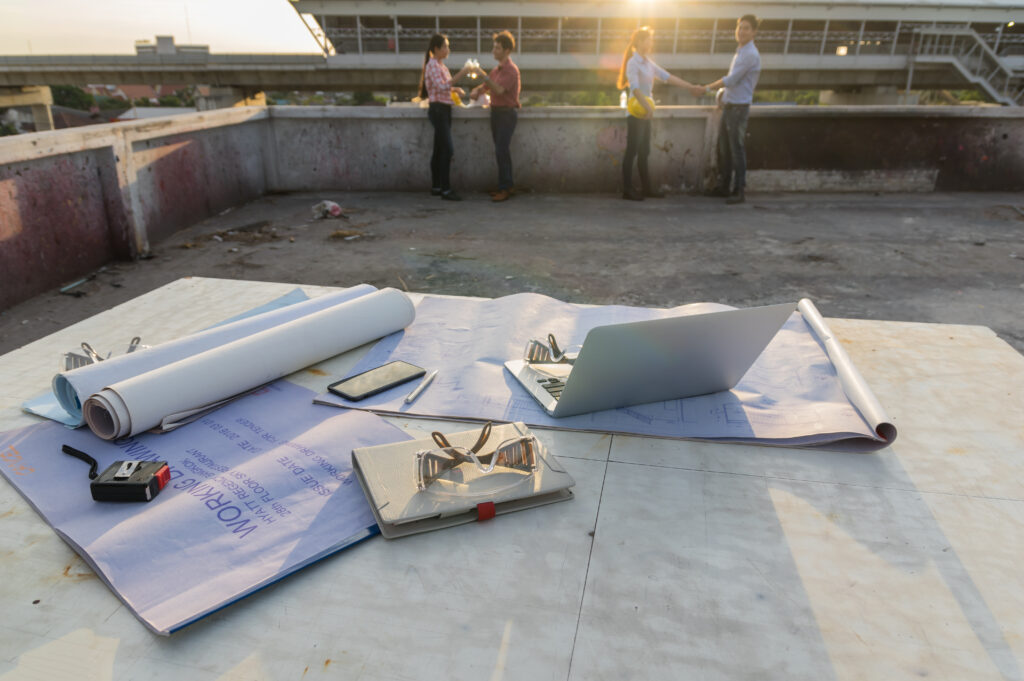
Flat roof recover vs replacement comes down to what is under the membrane: a recover installs a new roof system over the existing one, while a replacement removes every layer down to the deck. A recover costs less and disrupts less, but California’s codes allow it only over a roof that is dry and sound […]
Flat Roof Deck Planning for Modern Homes and Businesses
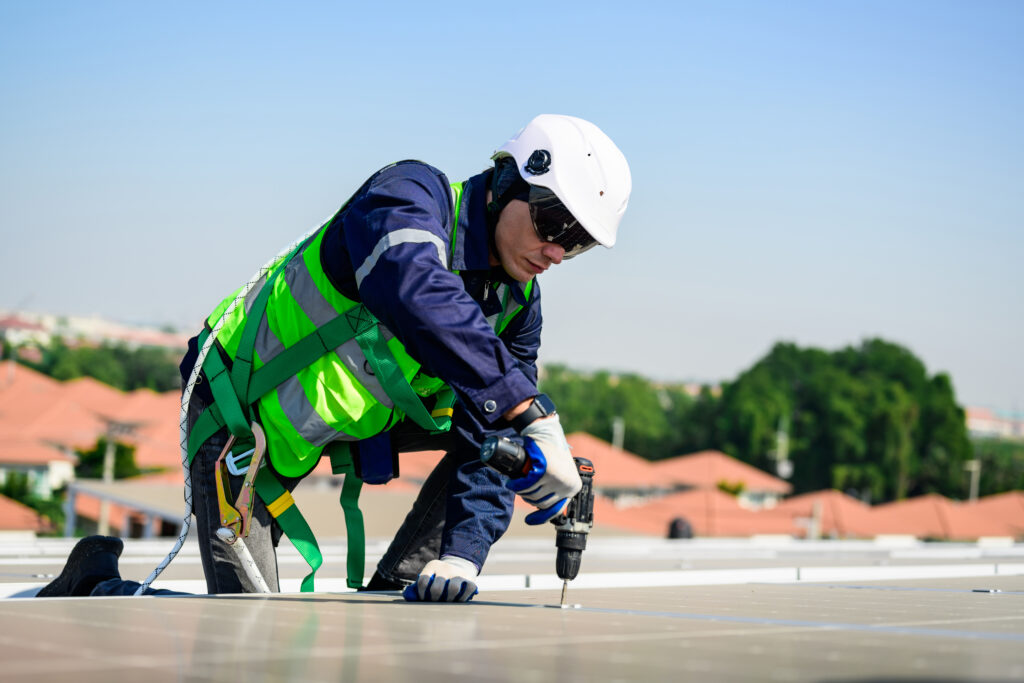
A flat roof deck can be built on most flat roofs, on a home or a business, once three things are settled: the structure is checked for the extra load, the waterproof membrane is protected from the deck above it, and rain can still reach the drains. Guards at the open edges and a permit […]
Flat Roof Flashing: Clean Lines That Keep Water Out

Flat roof flashing is the set of membrane strips, formed metal and preformed boots that seal every place where the roof surface ends or is interrupted: walls and parapets, roof edges, curbs under equipment and skylights, pipes, vents, drains and scuppers. Many flat roof leaks trace back to one of these joints rather than to […]