
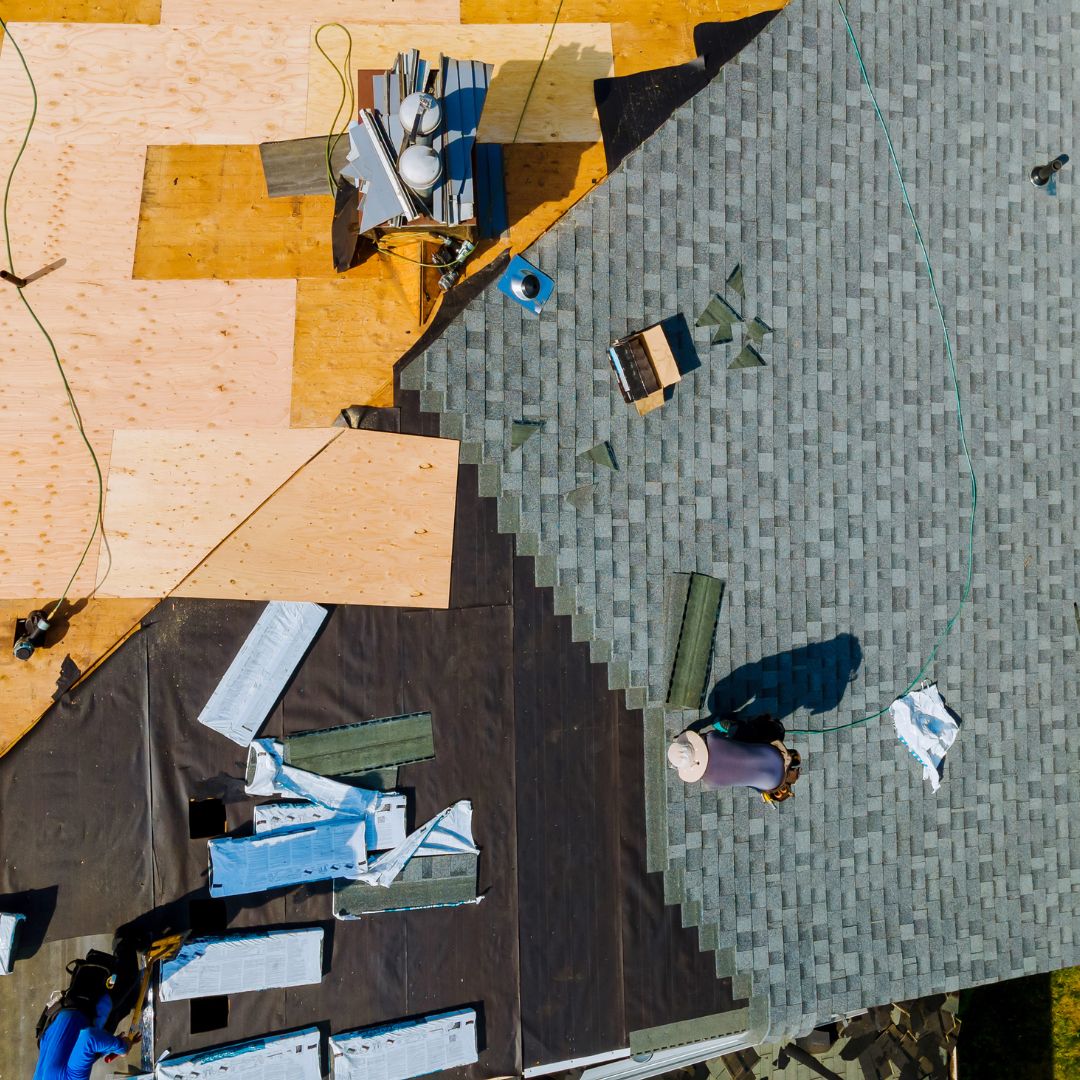
A roof replacement insurance claim generally pays when a covered event, such as wind, rain driven in during a storm or a fallen tree, damaged the roof, not when the roof has simply worn out. Protect the house with temporary repairs, photograph everything, report the claim, let the adjuster see the damage before permanent work, and get a roofer’s written scope to compare with the adjuster’s. For an inspection and a written damage report, call NEMA Roofing at 866-631-3366.
What does homeowners insurance usually cover on a roof?
Coverage depends on your policy, so start by getting a complete copy of it. The California Department of Insurance notes that homeowners policies typically exclude flood, mudslide and debris flow, but may cover water damage from wind-driven rain that occurs during a storm and damage from fallen trees. Gradual wear, age and poor upkeep are usually treated differently from sudden damage, which is why the cause matters as much as the damage itself.
The deductible matters too. If the repair or replacement costs less than your deductible, the insurer is not obligated to pay, so an early estimate helps you decide whether a claim is worth filing.
Storm damage worth photographing
- Shingles: missing tabs, creased or lifted edges, cracks and curling on the windward slopes.
- Tile: broken, slipped or missing pieces, especially along ridges and edges.
- Impact: dents, punctures or broken sections where limbs or debris hit.
- Metal and flashing: bent edge metal, loose ridge caps, lifted flashing at walls and chimneys.
- Inside: new ceiling stains, drips, wet insulation or daylight through the attic sheathing.
- Structure: a sagging roofline, which needs a professional look before anyone walks on it.
What are the steps after storm damage, in order?
- Stay safe. Keep off a wet or damaged roof and away from downed lines.
- Stop further damage. The Department of Insurance advises making temporary repairs (a tarp over the opening, for example) to prevent more damage, and keeping records of every cleanup and repair cost.
- Document. Photograph each slope, the debris and the interior damage before anything is removed, with dates.
- Report the claim and start a claim diary: every call with the insurer or adjuster, with the date, the name and what was said.
- Wait for the adjuster before permanent repairs. The Department’s advice is not to make permanent repairs until the adjuster has seen the damage.
- Get a roofer’s inspection and written scope. It should show the damage slope by slope and list what the rebuild must include to pass the permit.
- Compare the two scopes. If the adjuster says something is excluded or limited, ask them to point to the specific provision in your policy.
- Sign the contract and schedule the work. The roofing contract is still a California home improvement contract, whoever pays for it.
If water is coming in now, our emergency roof repair service can cover the opening first.
What should the roofer’s report and estimate show?
- Photos of each affected area, labeled by slope, and the likely cause (wind lift, impact, water entry).
- The extent: which slopes can be repaired and which need replacement, and why.
- Items the rebuild must meet under current code, which a patch-level adjuster estimate can miss: the local permit, flashing and vents replaced where they are rusted or damaged, a cool roof product where the state energy code requires one on a reroof, and a Class A covering where the lot is in a mapped fire hazard zone that calls for it.
- Deck repair as a unit price, since damaged sheathing only shows after tear-off.
Whether damage calls for a section or the whole roof is explained in partial vs full roof replacement.
Who can negotiate your claim?
You, your insurer and a licensed public adjuster. Under California Insurance Code section 15006, no one may act as a public adjuster without a license, and a contract for those services with an unlicensed person can be voided at the insured’s option. A roofer can inspect, document the damage, meet the adjuster on the roof and explain the scope, but should not present themselves as negotiating the claim for you. Check any roofer’s contractor license with the Contractors State License Board; NEMA Roofing’s is CSLB license #1083283. Questions or complaints about an insurer, adjuster or contractor can go to the Department of Insurance consumer line at 800-927-4357.
Can the new roof lower your premium?
It can help in wildfire areas. Under the Department of Insurance’s Safer from Wildfires program, a Class A fire-rated roof is one of the listed home-hardening steps, and the Department states that every action under the program qualifies for an insurance discount. The Department notes that most roofs qualify, including asphalt shingles, concrete or masonry tile and metal, so ask for proof of the rating with your final paperwork and send it to your insurer.
Replacing a storm-damaged roof with NEMA Roofing
NEMA Roofing works from five Google-verified locations (Santa Barbara, Oxnard, Woodland Hills, Tarzana and Downey) and inspects storm damage throughout Santa Barbara, Ventura, Los Angeles, Riverside and San Bernardino counties, including every town in Ventura County (see all service areas). Our roof replacement service covers the rebuild, from tear-off to the final inspection. To book a damage inspection and written report, call NEMA Roofing at 866-631-3366.




