
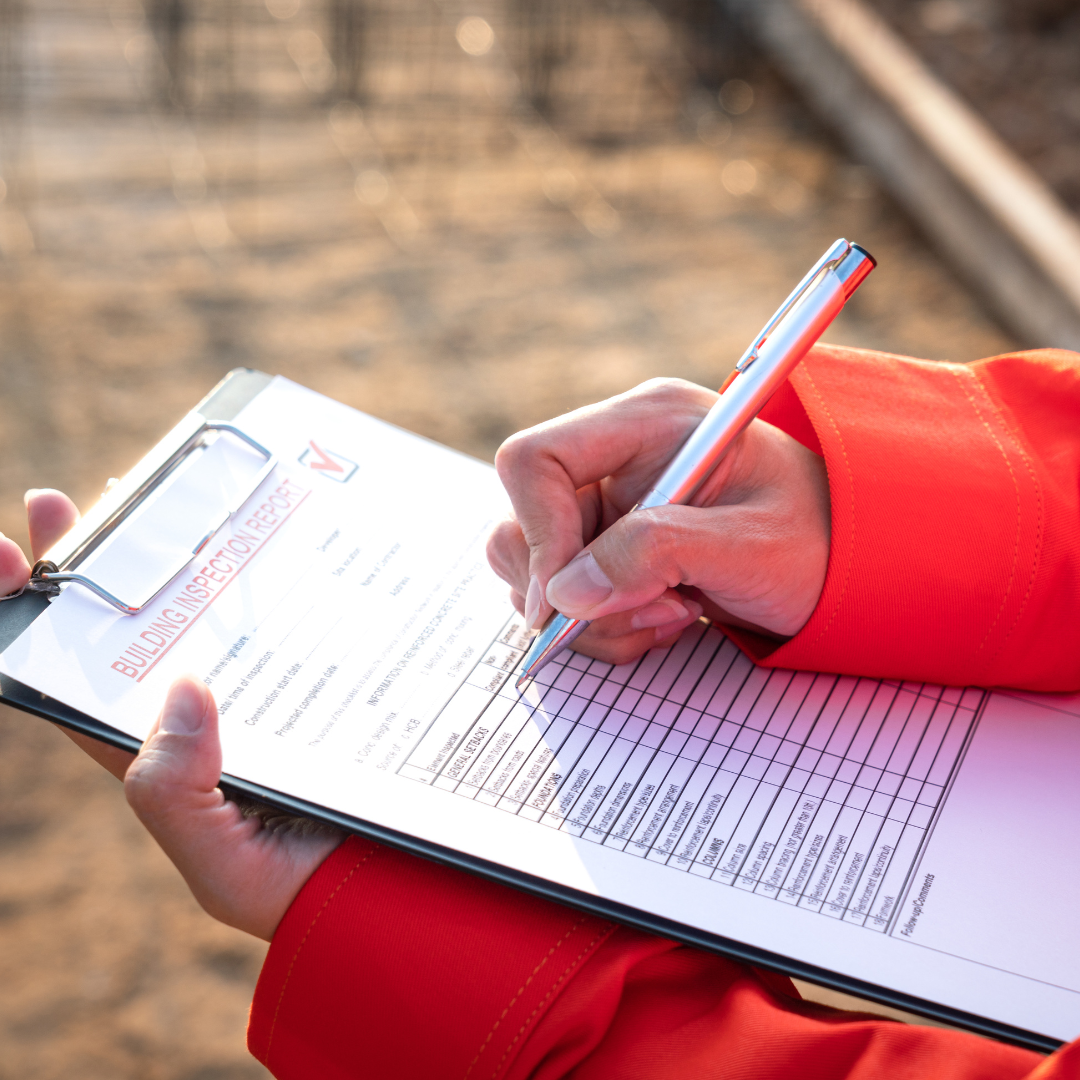
Automated roof assessments use aerial or satellite images, drone photos and software to measure a roof and flag visible damage without anyone climbing a ladder. They are quick and good at size, shape and obvious problems. They cannot see flashing, underlayment or a soft deck, so a person still confirms what needs repair. To book a hands-on roof inspection, call NEMA Roofing at 866-631-3366.
What counts as an automated roof assessment?
The phrase covers five different tools. They are often sold together, but each answers a different question.
| Tool | What you get | Where it falls short |
|---|---|---|
| Aerial or satellite measurement report | An outline of the roof with its area, facets and an estimated pitch, drawn from overhead imagery | The image can be months old; trees and shadows hide edges; pitch is estimated, not measured on site |
| Drone photo survey | Close photos of every slope, ridge, valley and gutter line | The camera records the surface only; wind and airspace rules can ground the flight |
| AI damage detection | Software marks what looks like missing shingles, broken tiles, debris or discoloration | Each mark is a probability; moss, stains and shadows fool it, and it cannot tell a cosmetic mark from a leak path |
| Infrared (thermal) scan | Temperature differences that can point to wet insulation | Built for low-slope roofs with insulation above the deck; readings need a physical test to confirm (see below) |
| Moisture sensors | An alert when a sensor inside the roof gets wet | Each sensor reports only its own spot; everything between sensors goes unwatched |
What does software catch, and what does it miss?
Image-based tools are strongest where the problem sits on top of the roof and is big enough to show in a photo:
- Measuring the roof for a material estimate.
- Finding missing or displaced pieces, tarps, fallen branches and debris in valleys.
- Comparing pictures from two dates to show what changed after a storm.
They are weakest on the parts that actually stop water:
- Step flashing and counterflashing tucked behind siding or stucco.
- The underlayment. On a tile roof, the layer that keeps water out sits beneath the tiles, where no camera reaches.
- Decking that has gone soft, which an inspector feels underfoot.
- Cracked rubber boots around plumbing vents and small gaps at skylight curbs.
- Everything in the attic: stains on the rafters, damp insulation, daylight through the boards, poor ventilation.
How reliable is an infrared roof scan?
Useful on the right roof, limited on a typical house. ASTM C1153, the standard practice for finding wet roof insulation with infrared imaging, applies to roofs whose insulation sits above the deck in contact with the waterproofing, which describes many flat commercial roofs rather than a pitched home with insulation in the attic. The practice calls for imaging at night, covers checking the infrared data with invasive tests, and states that it does not find the cause of moisture or where it got in. A thermal picture tells you where to look; a person still has to open the roof and trace the water.
Are smart roof inspections and predictive maintenance worth it for a home?
For most houses the useful part of “predictive” maintenance costs nothing but a habit: a dated record you can compare year to year. Sensor networks and scheduled drone flights make more sense on large low-slope buildings, where one hidden leak can damage stock or equipment. Our guide to commercial roofing technology covers those systems.
A home version that works:
- Pick four or five photo spots around the house and shoot the roof from the same places each year.
- Keep every inspection report and repair invoice together, with the date and the part of the roof involved.
- Compare the new photos with last year’s: granule wash in the gutters, a tile that has slipped, rust spreading at fasteners, sealant pulling away.
- Anything that changed goes on the list for the next professional visit.
Our roofing inspection checklist lists what to photograph from the ground and in the attic.
How do you read an automated roof report someone hands you?
You may get one with a replacement quote, a solar proposal or a home sale packet. Before acting on it, check:
- The capture date. An image from before a storm says nothing about the damage from it.
- Measured or estimated. Area and pitch from imagery are estimates; material is ordered from a site measurement.
- The wording. “Possible”, “likely” or a confidence score means the software is unsure and a person should look.
- What was not visible. Slopes under trees or in deep shadow are often marked as fine simply because nothing could be seen.
A good inspection report, automated or not, shows photos, locations and a ranked list of what to fix; what a roof inspection report should include walks through one.
What should you ask before a drone flies over your roof?
- Is the pilot certified? Commercial drone work in the United States falls under the FAA’s Part 107 rules for small unmanned aircraft, and flying under them requires a Remote Pilot Certificate. Ask to see it.
- Will anyone also check the attic and the flashing up close? If not, you are buying photos, not an inspection.
- Do you receive the full photo set? The raw images are your baseline for next year.
- If thermal images are included, when and on what kind of roof were they taken?
When does a person still need to go up?
A drone view is a sensible first look on a tile roof, because foot traffic cracks tiles: the Tile Roofing Institute advises keeping walking to a minimum and notes that most manufacturers do not warrant breakage caused by walking. The tile roof inspection guide explains how inspectors check tile without breaking it. A hands-on inspection still decides in these cases:
- There is a leak inside. Water runs along rafters before it drips, so the source is found by working from the attic and the roof together.
- You are buying or selling a house and need a written condition report.
- Solar panels are about to go on, and the roof under them should have years of life left.
- A storm has passed and you need photos and measurements for a repair or a claim.
Booking an inspection
NEMA Roofing works from five locations (Santa Barbara, Oxnard, Woodland Hills, Tarzana and Downey) and covers every town in Santa Barbara, Ventura, Los Angeles, Riverside and San Bernardino counties; the service areas page lists them. Our roof inspection service combines photos with a close look at the roof and the attic. Call 866-631-3366 to schedule one.




