Green roof vs cool roof: both lower roof temperatures and cooling demand, but a cool roof does it with a reflective surface that fits almost any roof at a lower cost, while a green roof uses plants and soil that also hold back stormwater and add habitat, and needs a flat or low-slope roof, extra structural capacity and ongoing care. For most houses a cool roof is the practical choice; a green roof suits a flat section built to carry it. To weigh the two for your home, call NEMA Roofing at 866-631-3366.
Green roof vs cool roof at a glance
| Factor | Cool roof | Green (vegetated) roof |
|---|---|---|
| How it cools | Reflects sunlight and sheds absorbed heat | Shade, evaporation from plants, and the insulating soil layer |
| Roof types | Sloped and flat: shingles, tile, metal, membranes, coatings | Flat or low-slope roofs |
| Structure | No added load beyond the roofing | Must carry wet soil, plants and water; engineer’s review |
| First cost | Lower | Higher |
| Expected life | That of the roofing product | Typically longer (EPA) |
| Upkeep | Periodic cleaning to keep it reflective | Irrigation, weeding, fertilizing and replanting |
| Stormwater | Sheds rain like any roof | Reduces, slows and filters runoff |
How each one keeps a house cooler
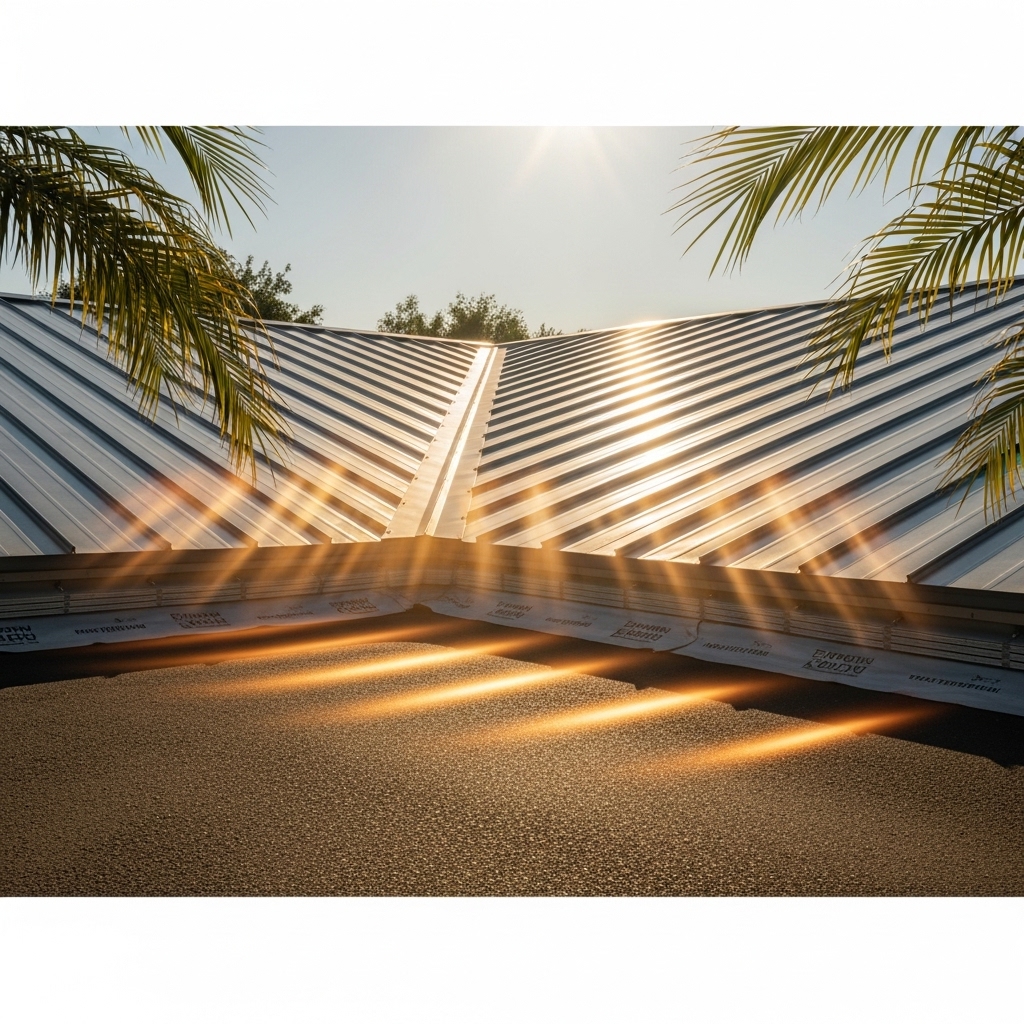
A cool roof works at the surface. High solar reflectance sends sunlight back to the sky, and high thermal emittance lets the roof release the heat it does absorb. In air-conditioned homes, EPA figures put the drop in peak cooling demand from a cool roof at 11 to 27 percent.
A green roof works through its layers. The plants shade the roof and cool the air as water evaporates from them, and the growing medium insulates the deck. The EPA notes that a green roof’s surface can be as much as 56 degrees Fahrenheit cooler than a conventional roof’s, and that green roofs reduce energy needed for both cooling and heating.
Extensive or intensive: two kinds of green roof
- Extensive: a growing medium of two to four inches with hardy plants such as succulents and groundcovers. It is the lightest type, needs the least added structural support and little maintenance once established. This is the kind that fits a house.
- Intensive: deeper soil that can hold shrubs and trees, like a rooftop garden or park. It is heavier, costs more and needs regular gardening. The EPA notes a simple extensive roof can cost as little as one-tenth to one-third of an intensive one built for public access.
Both are built in layers over the waterproofing: barriers that keep water and roots out of the structure, a drainage layer, the growing medium, then the plants.
Can your house carry a green roof?
- Slope: flat or low-slope roofs only, such as a garage, addition or accessory dwelling unit.
- Structure: a structural engineer confirms the framing can carry saturated soil, plants and people for maintenance.
- Waterproofing: the membrane underneath should be new or in excellent condition, since it will be covered for years, with root protection above it.
- Water and access: plan irrigation for dry months and a safe way up for weeding.
- Permit: ask your building department what it requires for a vegetated roof before design starts.
If any of these rules it out, a reflective membrane on the same flat roof gets much of the cooling benefit. Our flat roofing service covers both.
When a cool roof is the better choice
The EPA sums up the choice this way: cool roofs are best suited to projects with limited budgets and a focus on energy savings, while green roofs are preferred when life-cycle costs, public benefits and wider environmental effects matter most. For a sloped roof, which covers most of a typical house, a cool roof is the practical option of the two.
In much of California it is also what the code asks for. California’s Title 24 sets minimum cool-roof ratings for reroofs that replace over 50 percent of the roof: sloped roofs in climate zones 4 and 8 to 15, low-slope roofs in zones 4 and 6 to 15, each with listed exceptions. See our cool roofing service for rated products.
Using both on one house
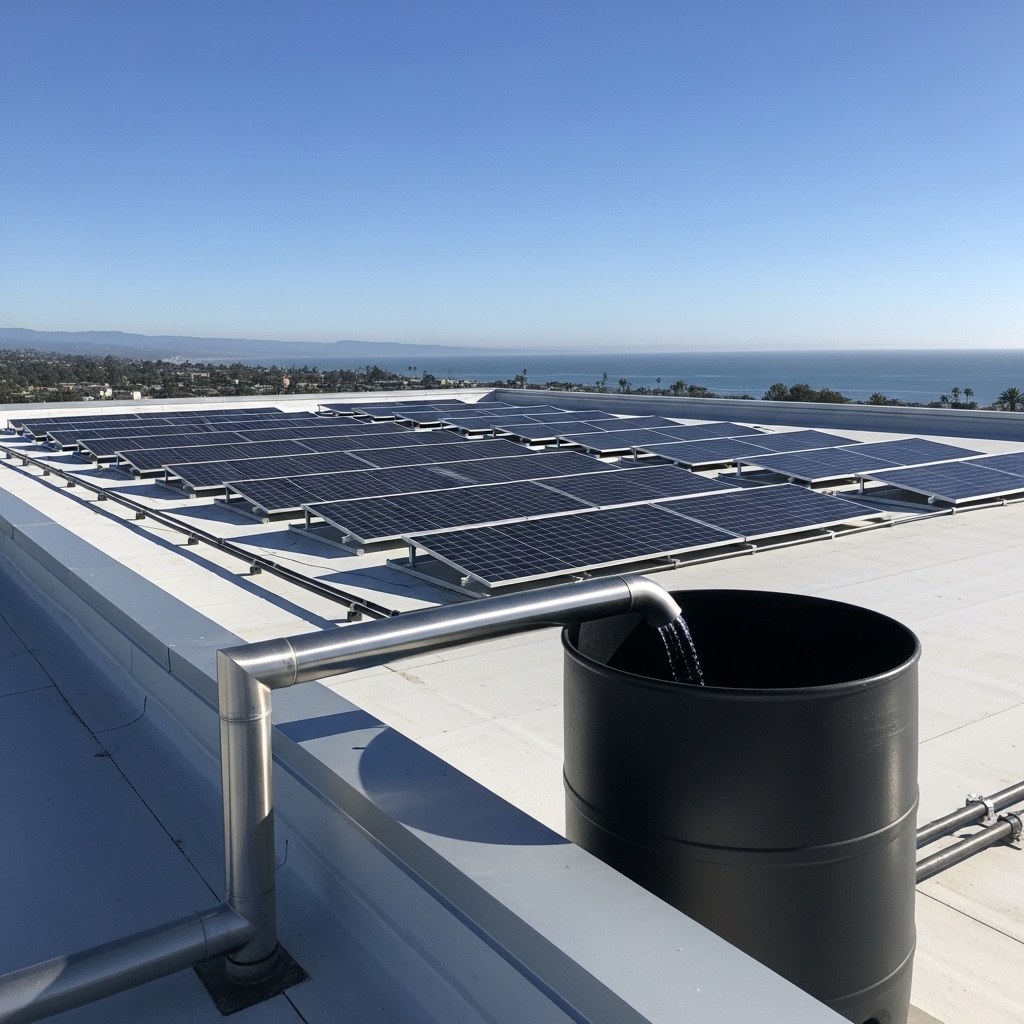
The two are not either-or. A common layout pairs a cool-rated shingle, tile or metal roof on the main sloped areas with a planted or reflective flat roof over an addition or garage. Solar panels fit on the cool roof sections; only roof area covered by building-integrated solar panels is exempt from the cool-roof values, not the roof under rack-mounted panels. For how these choices play out in daily comfort, read eco-friendly roofing for homes, and for the full list of benefits, sustainable roofing benefits.
NEMA Roofing is a licensed roofing (C-39) and general building (B) contractor, CSLB license #1083283, bonded and insured. All our materials are sourced from certified green suppliers. With five Google-verified locations (Oxnard, Santa Barbara, Downey, Tarzana and Woodland Hills), we install cool and green roofing across Santa Barbara, Ventura, Los Angeles, Riverside and San Bernardino counties; see San Bernardino County, every area we serve and our green and eco-friendly roofing service. To choose between a green roof and a cool roof for your home, call 866-631-3366.