
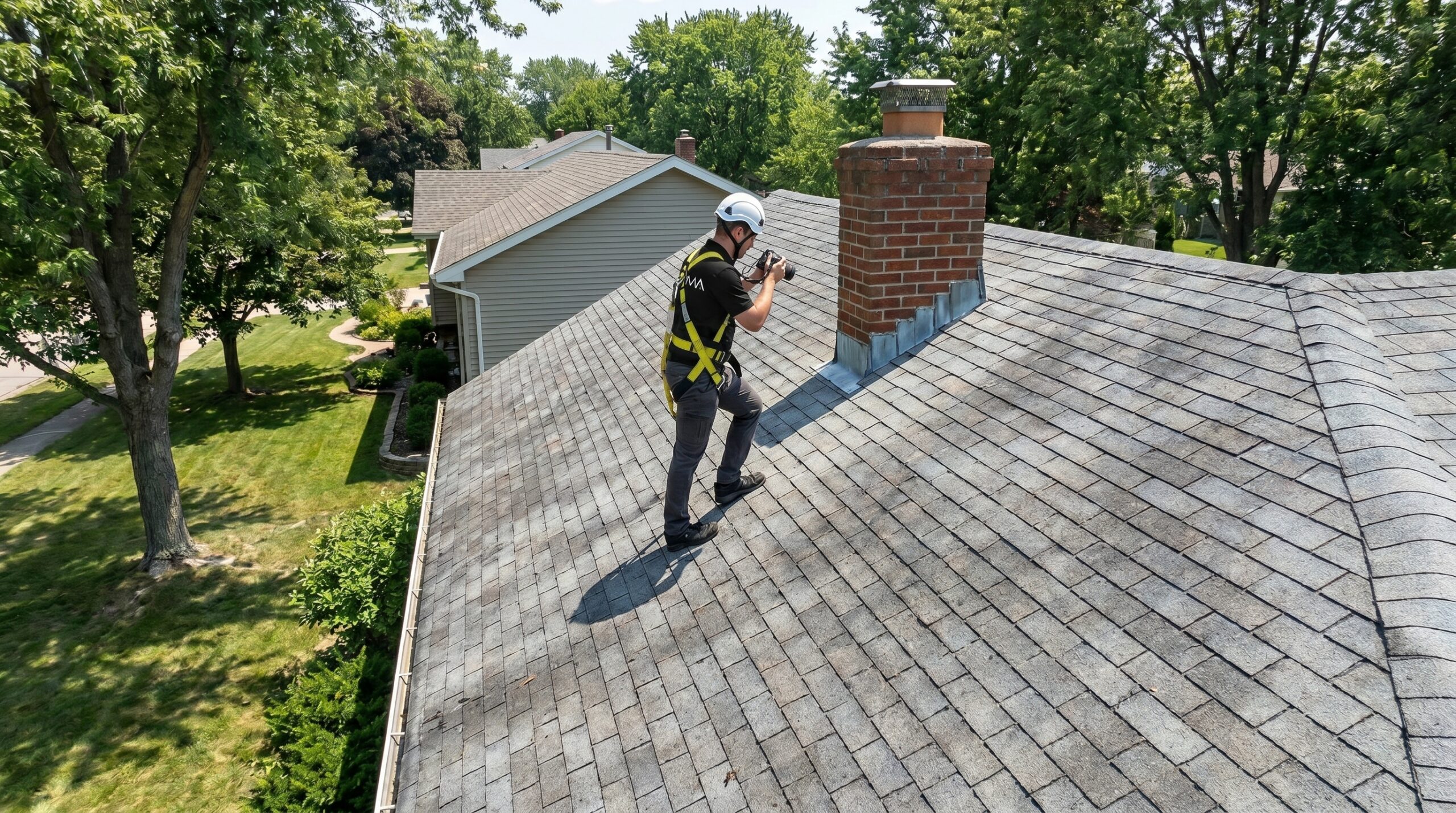
Extending roof lifespan on a home comes down to three things: keep water from getting beneath the roof covering, keep the attic below it ventilated and dry, and fix small failures (a lifted flashing, a cracked tile, a clogged gutter) while they are still small. A yearly maintenance visit plus a check after big storms covers all three. To schedule one, call NEMA Roofing at 866-631-3366.
How long do residential roofs last?
A study of home component life by the National Association of Home Builders (2007) puts it plainly: how long a roof lasts depends on local weather, how well the house was designed and built, the quality of the material and whether the roof gets adequate maintenance. Its typical figures by material:
| Roof covering | Typical life in the NAHB study |
|---|---|
| Asphalt shingles | About 20 years |
| Modified bitumen (low-slope) | About 20 years |
| Fiber cement shingles | About 25 years |
| Wood shakes | About 30 years |
| Clay or concrete tile, slate, copper | Over 50 years |
Treat these as averages, not promises. The same material can fall well short of its number on a neglected roof, and reach or pass it on a roof that is looked after. Products have also changed since the study, so the manufacturer’s data for your exact product is the better guide. On a tile roof, remember that the long figure describes the tile itself; the underlayment beneath it does much of the waterproofing, and keeping broken or slipped tiles replaced is what keeps sun and rain off that layer.
What shortens a roof’s life?
- Water that stays put. Clogged gutters, debris dams in valleys and ponding on flat sections keep materials wet and push water under edges and laps.
- Heat trapped in the attic. A hot, poorly vented attic bakes the roof deck and covering from below.
- Moisture from inside the house. Cooking, bathing and laundry send water vapor into the attic; without airflow it condenses on the deck and rots it.
- Failed seals left alone. Sealant, pipe collars and flashing age faster than the main covering. One split collar can soak a section of deck that would otherwise have lasted decades.
- Foot traffic. Walking on shingles scuffs off granules, and walking on tile cracks it. Satellite installers, painters and well-meaning owners all add wear.
- Branches and shade. Limbs scrape the surface in wind, and shaded, damp areas hold moss and debris.
- Salt air near the ocean. Metal fasteners, flashings and panels corrode faster in coastal spray, so they need closer checks.
Attic ventilation: the lifespan factor under the roof
The Asphalt Roofing Manufacturers Association lists two jobs for attic ventilation: it moves heat out of the attic, which helps the roof last longer and eases the load on air conditioning, and it carries household water vapor out before it causes mold, wood rot or wet insulation. Airflow needs an intake low on the roof (at the soffits or eaves) and an exhaust high up, usually at the ridge, with nothing blocking the path between them.
During maintenance, check that insulation has not been pushed against the soffit vents, that bathroom and kitchen fans vent outside rather than into the attic, and that ridge or roof vents are not clogged or painted over.
Extending roof lifespan with regular care: a homeowner’s list
- Book a professional maintenance visit once a year, before the rainy season.
- Have the roof checked after any major wind or rain event.
- Keep gutters and downspouts flowing; clear them more often under trees.
- Trim branches back so none touch or hang over the roof.
- Keep people off the roof unless they need to be there.
- Deal with any interior stain or attic damp spot right away.
- Keep a record of every visit and repair, with photos.
Should maintenance change as the roof ages?
Yes. What a roof needs shifts over its life:
- Early years: mostly cleaning and watching for installation issues, such as a flashing detail that lets water in during the first heavy rain.
- Middle years: sealants, pipe collars and exposed fasteners start to age; this is when renewing them on schedule does the most good.
- Later years: checks become more frequent, and each report should say plainly how much life is left, so replacement can be planned instead of forced by a leak.
When does extending the roof stop making sense?
When repairs are no longer isolated. Widespread curling or cracking, heavy granule loss across whole slopes, underlayment failing under much of a tile roof, or soft decking in several places all point to a covering at the end of its life. At that stage, money spent on patches is better put toward a planned roof replacement. Until then, routine maintenance is the least expensive form of roof lifespan extension: it keeps the roof you already paid for doing its job. For what a maintenance visit covers, see what roof maintenance involves, and for the inspection side, read why annual roof inspections matter.
Help from NEMA Roofing
Homeowners in all five of our counties, Santa Barbara, Ventura, Los Angeles, Riverside and San Bernardino, are served from our five Google-verified locations in Santa Barbara, Oxnard, Woodland Hills, Tarzana and Downey; the Ventura County page and the full service area list show the towns we cover. Read more about our roof maintenance service or call 866-631-3366 to have your roof checked and get an honest read on how much life it has left.




