Roof inspection and repair work best as one process: the inspector finds and photographs every problem, ranks each one by how soon it will let water in, and repairs follow in that order, starting with anything leaking now. Done this way, a flashing seal, a vent boot or a few shingles or tiles get fixed before they turn into deck, framing or ceiling repairs. Call NEMA Roofing at 866-631-3366 to start with an inspection.
What are the key steps of a professional roof inspection?
- Your history first. Where have you seen stains or drips, and in what weather? What has been repaired before, and how old is the roof?
- A walk around the house. Roof lines, gutters, downspouts, fascia and the walls under the eaves, looking for sagging, overflow marks and rot.
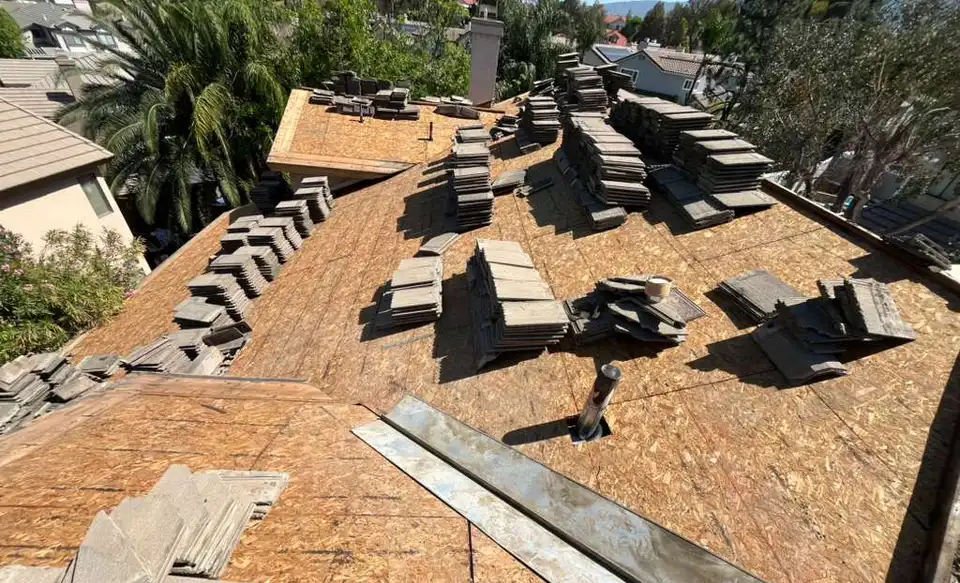
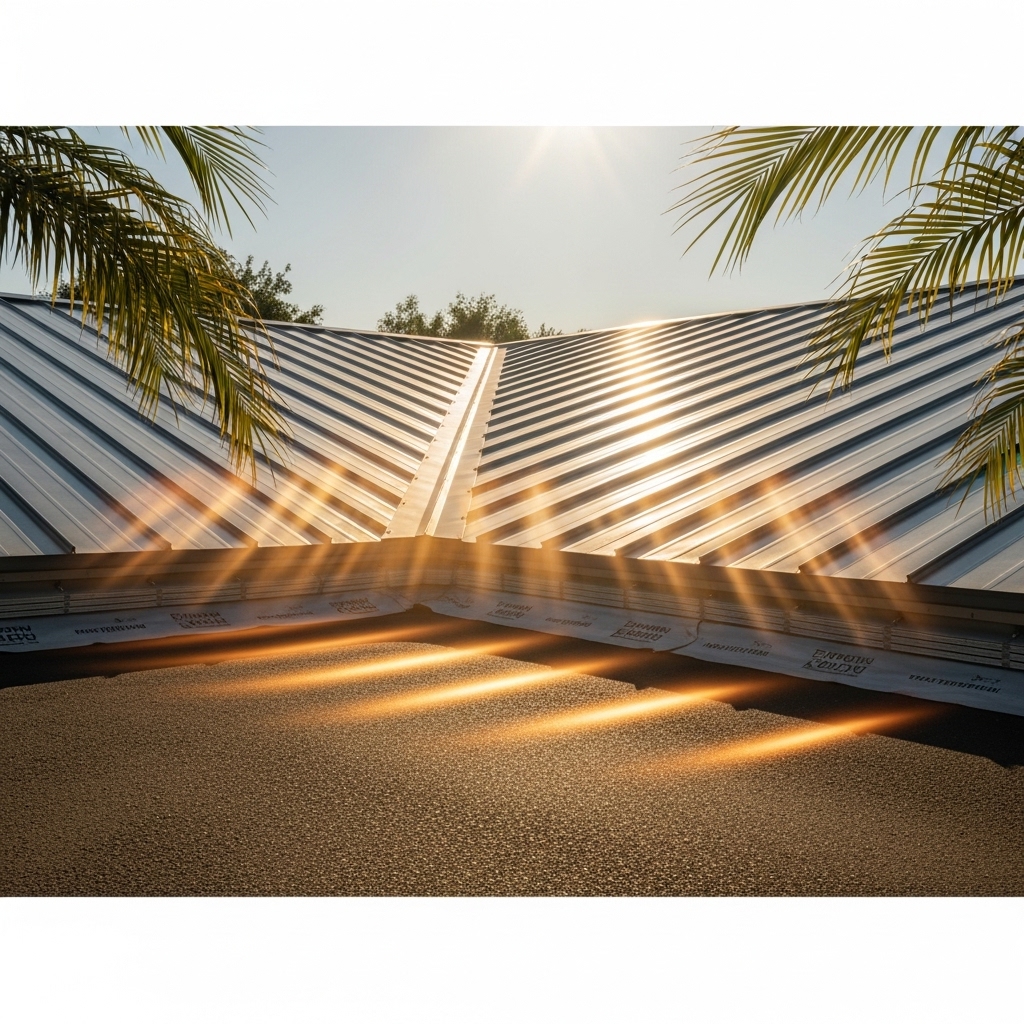
- The roof surface. Each slope checked for missing, cracked, slipped or loose pieces, granule loss on shingles, rust and open seams on metal, blisters and ponding on flat sections.
- Every opening and joint. Chimneys, skylights, plumbing vents, exhaust fans, valleys and roof-to-wall joints, where most leaks begin.
- The attic or ceiling space. Stains on the underside of the deck, damp insulation, daylight through the boards and ventilation at the eaves and ridge.
- Photos and notes. Each finding is photographed and located so you can see it without climbing up.
- The report. Problems listed in order of urgency, each with the repair it needs.
How are inspection findings turned into a repair plan?
| Priority | Typical findings | What to do |
|---|---|---|
| Now | Active leak, opening in the roof, soft deck under foot, storm damage | Temporary protection if needed, then the repair |
| Before the next rain | Lifted flashing, cracked vent boot, missing shingles or broken tiles, clogged valleys or drains | Schedule the repair while the roof is dry |
| Plan for it | Widespread granule loss, aging sealant, surface rust, worn coating on a flat roof | Budget and schedule; recheck at the next inspection |
| Watch | Minor wear with no path for water yet | Photograph and compare at the next visit |
Working from the top of the list keeps each repair small. A vent boot replaced before the rainy season is a small job; the same boot left cracked through a winter can mean replacing wet decking and a stained ceiling as well.
Which repairs usually follow a roof inspection?
| Finding | Usual repair |
|---|---|
| Cracked rubber boot around a plumbing vent | Replace the boot and the shingles or flashing around it |
| Gap at chimney or wall flashing | Refasten or replace the flashing; sealant alone is a stopgap |
| Missing or creased shingles | Replace them and check the seal strips of the rows above |
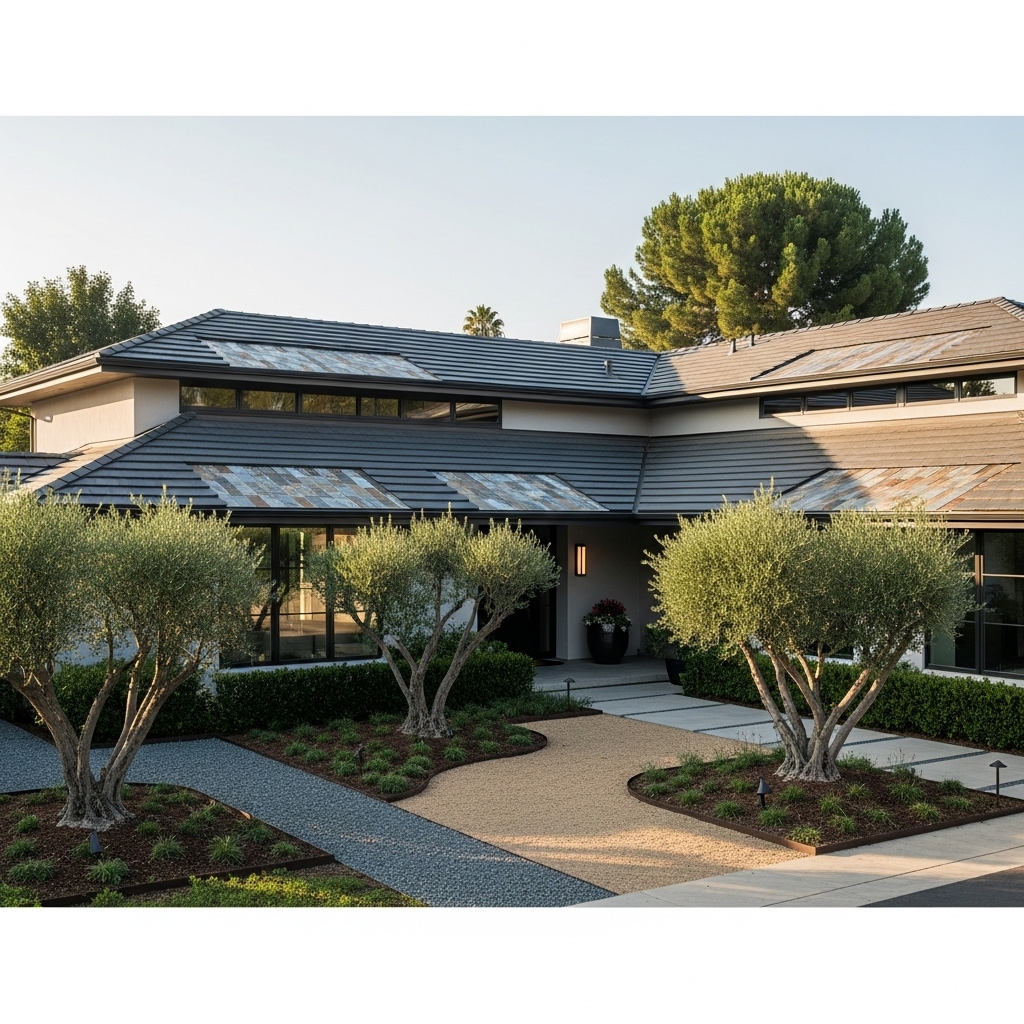
| Cracked or slipped tiles | Replace or reset the tiles and look at the underlayment beneath |
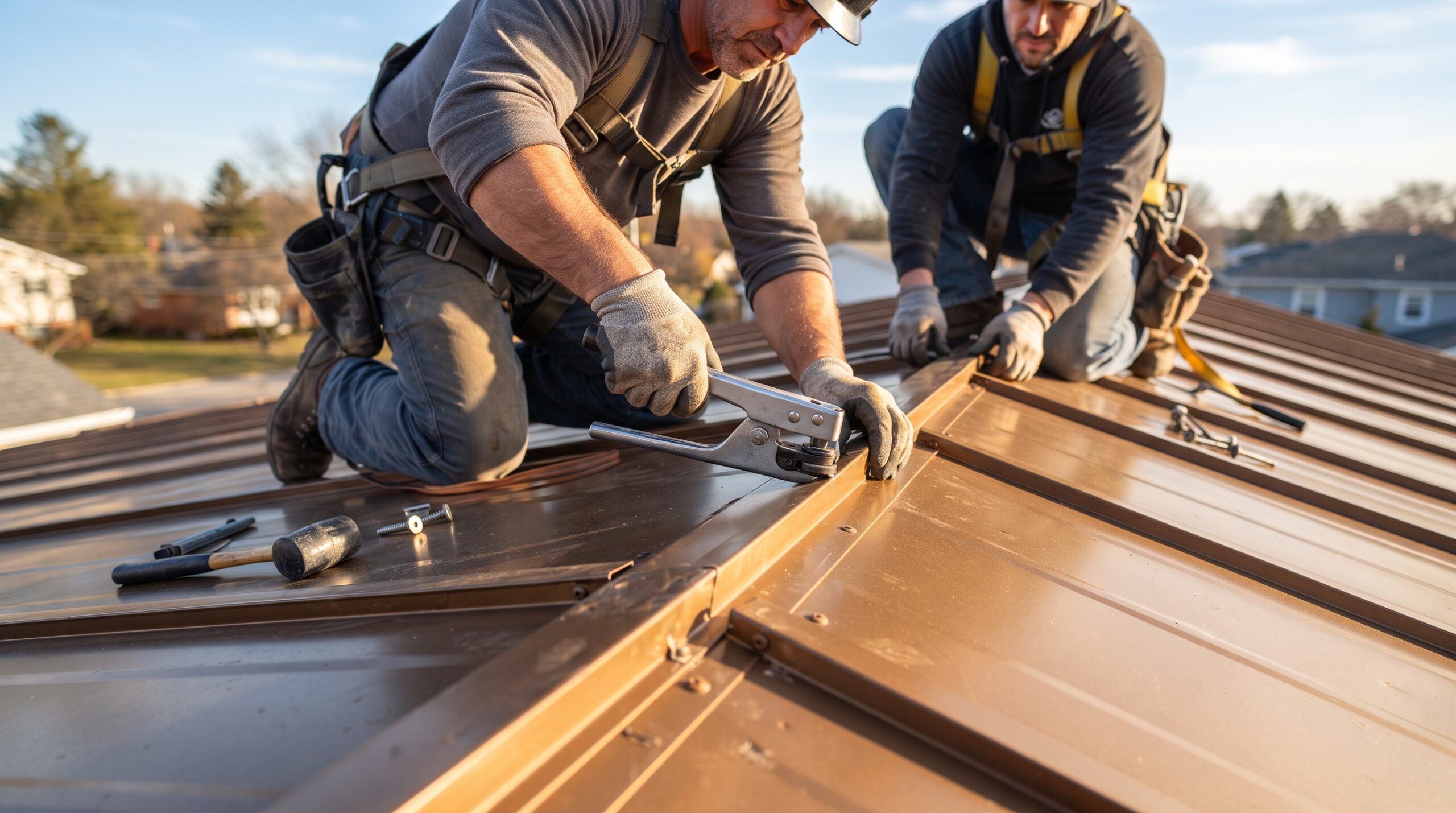
| Loose or rusted metal roof fasteners | Replace with new fasteners and washers |
| Ponding or split seams on a flat roof | Clear the drains, repair the seams, correct the low spot if possible |
| Soft or rotted deck | Remove the covering in that area and replace the sheathing |
Our roof repair service covers each of these.
When does the inspection point to replacement instead of repair?
An inspection also tells you when repairs stop making sense. Signs the report is heading there:
- The same kind of damage appears on every slope, not in one spot.
- Leaks keep returning in new places after each repair.
- The deck is soft in several areas.
- On a tile roof, the tiles are sound but the underlayment beneath them has failed, which means lifting the tiles either way.
In that case, ask for a repair-or-replace comparison in writing. Our list of signs a roof needs replacing and the roof replacement service explain the next step.
What should you check before approving a repair?
- A written scope. Where on the roof, what gets removed, what goes back and which materials.
- Photos of the problem, so you can compare them with photos of the finished repair.
- The contractor’s license. California contractors must show their license number on bids and contracts, and the Contractors State License Board website lets you confirm the license is active. NEMA Roofing holds CSLB license #1083283.
- What happens if more damage turns up once the roof is opened, and how that will be priced and approved.
How do you know the repair worked?
Ask for after photos of the finished work. During the next rain, check the attic and the ceiling where the problem showed. Add the repair invoice and photos to your roof records, and have the repaired area looked at again at the next inspection. The roofing inspection checklist covers the checks you can repeat on your own.
Get your roof inspected
NEMA Roofing’s inspection and repair crews work out of six locations, in Santa Barbara, Oxnard, Woodland Hills, Tarzana, Downey and San Bernardino, and serve all of Los Angeles, Ventura, Santa Barbara, Riverside and San Bernardino counties; the San Bernardino County page is one example of the coverage. See the roof inspection service for what the visit includes, or call 866-631-3366.