
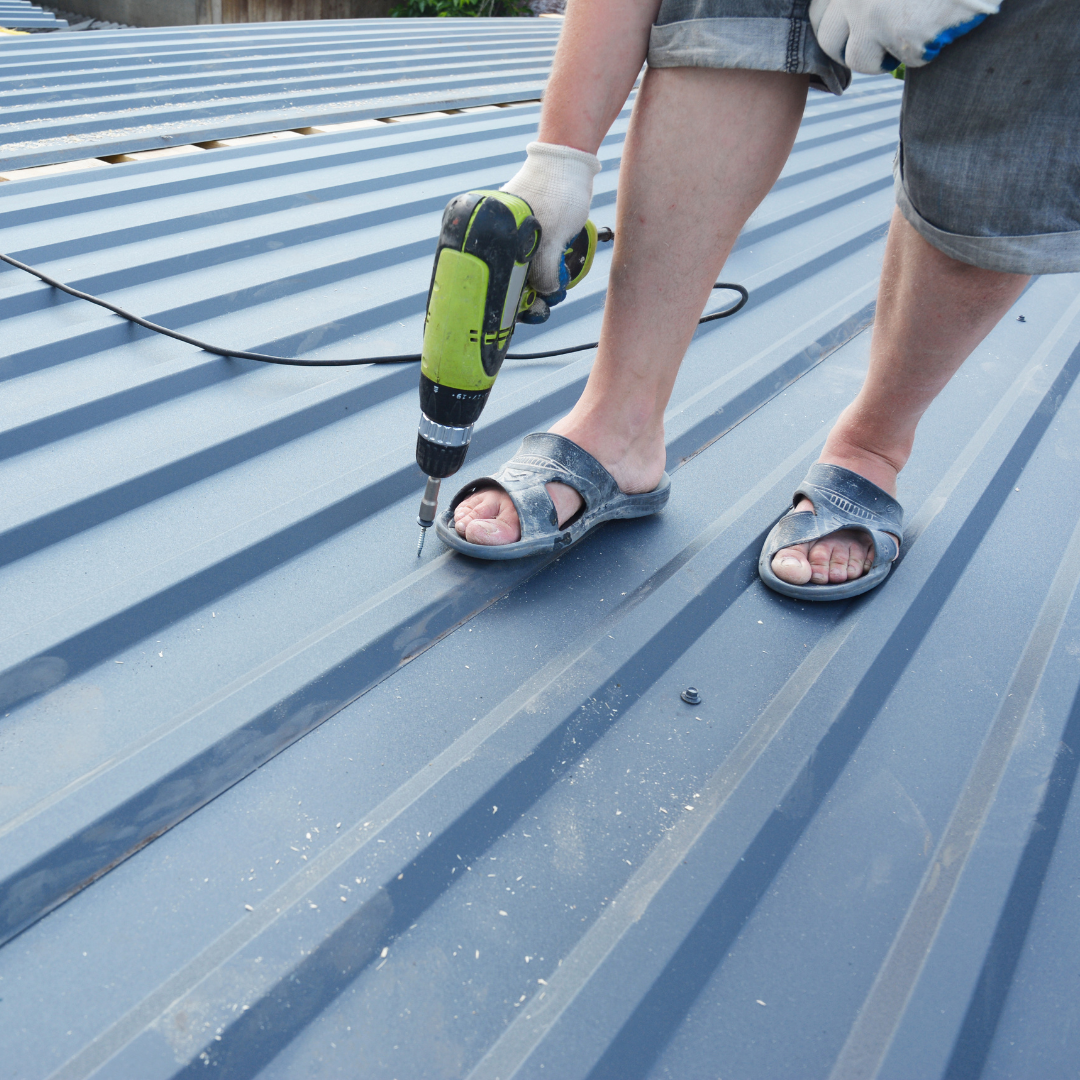
The best metal roof material depends on the climate: aluminum-zinc coated steel (Galvalume) with a PVDF paint finish suits most homes in hot valleys, the high desert and the mountains, while aluminum with a PVDF finish is often the better choice for homes in direct salt spray on the coast. Copper and zinc are architectural choices, and plain galvanized steel is the weakest option where corrosion is a concern. After the metal, match the finish color, panel attachment and accessories to the local heat, sun or snow. For advice on the right metal for your address, call NEMA Roofing at 866-631-3366.
How do the roofing metals compare?
The U.S. Department of Defense roofing criteria (UFC 3-110-03) are a clear public reference for metal choice by environment. They allow two materials for standing seam roofs, sheet aluminum and Galvalume-coated steel, and say this about each:
| Metal | Where it fits | Trade-offs |
|---|---|---|
| Galvalume steel (55 percent aluminum-zinc coating, AZ50 or AZ55) with PVDF finish | Most inland homes; the standard residential metal | Does not perform as well in direct contact with salt spray; the metal outlasts the paint |
| Aluminum with factory PVDF finish | The preferred material in corrosive settings such as salt spray | Higher cost, greater thermal expansion, less availability; minimum 0.032 inch thick |
| Galvanized steel (G90) | Sheds and short-life buildings away from corrosive air | Not acceptable in corrosive environments except on temporary buildings |
| Copper and zinc | Architectural roofs, accents and historic work | Soft metals that need specialist installers; copper runoff corrodes steel and aluminum below it |
Whatever the metal, steel and aluminum must not touch without a separating coating or membrane, and trim, flashing and fasteners should be compatible with the panels.
Which metal is best near the coast?
Along the coast, the weather is mild (NOAA’s 1991 to 2020 normals show a warmest-month average high of 75.5 F at Oxnard and 74.5 F at the Santa Barbara airport, with fewer than 3 days a year at or above 90 F), so salt, not heat, decides the metal. The UFC notes that Galvalume steel is commonly used on the coast but gives a shorter service life in direct contact with salt spray, and that aluminum may be the better choice there despite its cost. For the most corrosive settings it names aluminum with a PVDF finish as the preferred material, accepts AZ55 steel with PVDF, and asks for a factory primer on the underside of the panels. A home a few blocks inland, out of the spray, is usually well served by coated steel; a home on the beach front is where aluminum earns its price. Coastal roofs also benefit from a regular fresh-water rinse; see metal roof maintenance in coastal Oxnard.
Which colors work for a coastal metal roof?
Coastal towns such as Santa Barbara, Goleta, Carpinteria, Ventura and Oxnard are in California climate zone 6. The 2025 energy code’s cool-roof rule for steep-slope residential reroofs covers zones 4 and 8 through 15, so on a pitched roof there the code does not dictate the color. Flat and low-slope sections are held to a tougher standard: in zone 4 and in zones 6 through 15, a residential low-slope reroof must reach 0.63 aged reflectance together with 0.75 emittance (an SRI of 75 also works), unless the insulation trade-off is used instead. On the coast, color choice comes down to:
- Finish quality: the UFC specifies a 70 percent PVDF resin with inorganic pigments for exterior panels, which is the grade to look for in salt air and sun.
- Local review: in Montecito, for example, the Board of Architectural Review considers the colors and types of building materials, and reroofing is not on its list of exempt work.
- Salt and dust: residue builds up on any color near the ocean, so plan a gentle fresh-water rinse whatever you choose.
Which metal is best for hot inland valleys and the Inland Empire?
Inland, heat is the test. NOAA normals show about 115 days a year at or above 90 F at the Woodland Hills Pierce College station, 104 at Redlands and 119 at Victorville, with 26 days at or above 100 F at Redlands and 42 at Victorville. Galvalume steel with a PVDF finish is the usual choice; aluminum’s greater thermal movement is one more reason steel is preferred where roofs heat up every day. What matters more in the heat:
- A cool-rated color. Woodland Hills and Tarzana (zone 9), Redlands and Riverside (zone 10) and Victorville (zone 14) are all in the zones where a steep-slope reroof of more than half the roof needs rated cool values unless an exception applies.
- Room to move. The UFC designs standing seam clips for a 200 F panel temperature swing, 220 F for dark colors.
- A high-temperature underlayment rated for use under metal.
For the full component list in one inland neighborhood, see the metal roof material list for Woodland Hills.
Which metal is best for mountain snow?
At Big Bear Lake, NOAA’s normals show about 20 inches of precipitation and about 59 inches of snow a year, with coldest-month lows near 24 F. Steel standing seam is the usual choice, in a gauge chosen for the design snow and wind loads. Snow slides off metal in sheets, so plan snow retention over doors, walkways and lower roofs; where the UFC calls for snow guards, it requires ones that clamp to the seams and prohibits guards that are glued to the panels or screwed through them. Good attic insulation and ventilation keep the roof deck cold, which limits ice build-up at the eaves.
Does the metal change the fire rating?
All roofing metals are noncombustible. California’s 2025 Wildland-Urban Interface Code treats metal sheets and shingles on a noncombustible deck, and copper sheets of at least 16 ounces per square foot even over a combustible deck, as equal to Class A without testing. Other metal roofs over wood decks reach Class A as tested assemblies with a listed underlayment, which matters wherever a home sits in a fire hazard zone.
How do you choose the metal for your home?
- Is the house within reach of salt spray? If yes, price aluminum (or coastal-grade steel with PVDF) alongside Galvalume steel.
- Is it in a climate zone with a cool-roof rule, or does it have low-slope sections? Pick a color with the right aged ratings.
- Does it get snow? Plan seam-clamped snow retention and the right gauge.
- Is it in a fire hazard zone? Confirm the Class A assembly.
- Are any copper or other metals on the roof or draining onto it? Plan separation.
For the specification that makes any of these metals last, read metal roof durability. NEMA Roofing works from five locations (Santa Barbara, Oxnard, Woodland Hills, Tarzana and Downey) and installs metal roofs on the coast, in the valleys and in the mountains of Santa Barbara, Ventura, Los Angeles, Riverside and San Bernardino counties; see our San Bernardino County roofing page and our metal roofing service. Call 866-631-3366 for a recommendation for your roof.




