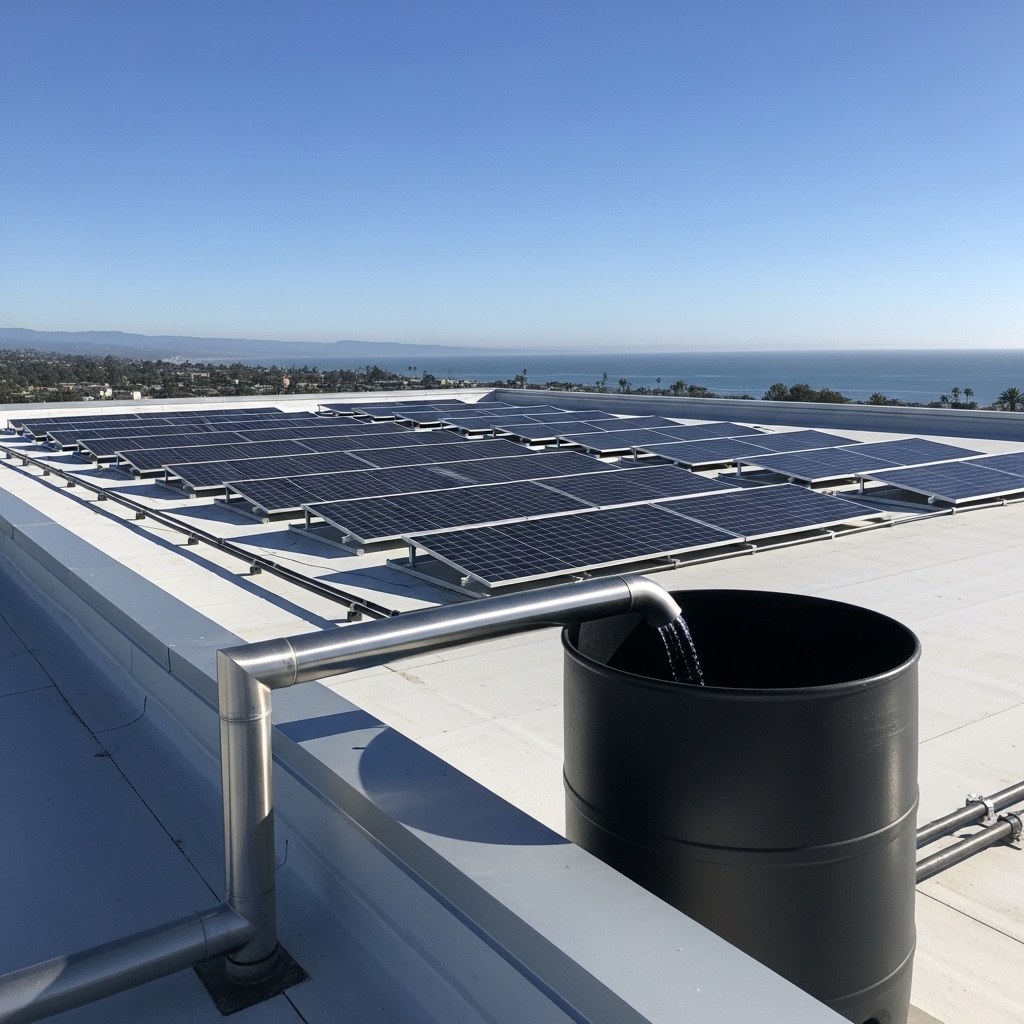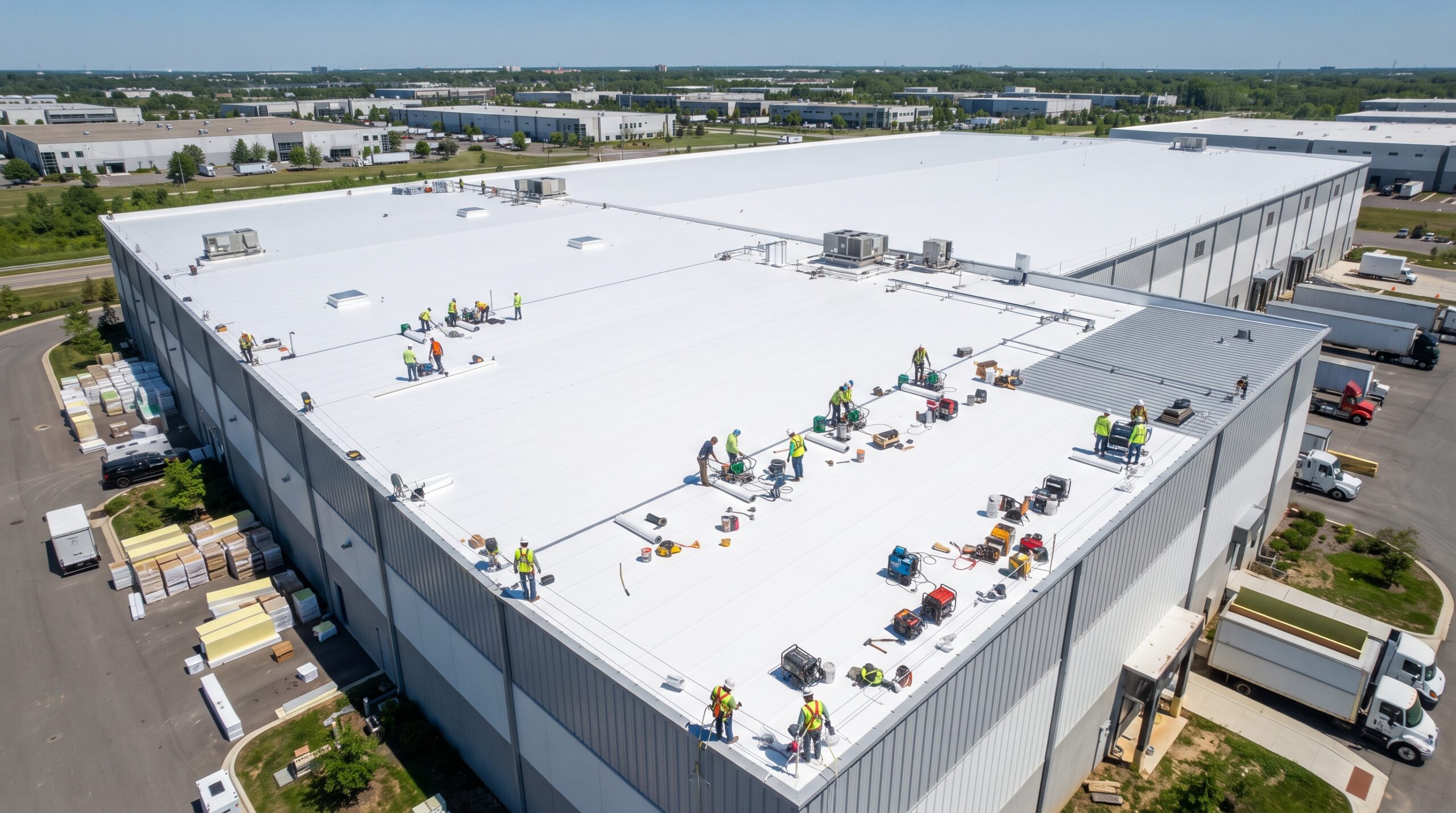
Installing a new roofing system is a major investment that affects your property’s protection, efficiency, and long-term value. Before choosing a flat roof, it is important to understand the materials, installation process, maintenance requirements, and performance benefits. Professional Flat Roofing provides a durable solution for many residential and commercial buildings, but proper planning is essential to achieve the best results. Flat roofing systems are designed with low slopes that allow efficient drainage while creating a practical surface for modern building needs. Understanding how these systems work helps property owners make informed decisions about materials, design, and installation requirements.
Important Factors Before Installing Flat Roofing
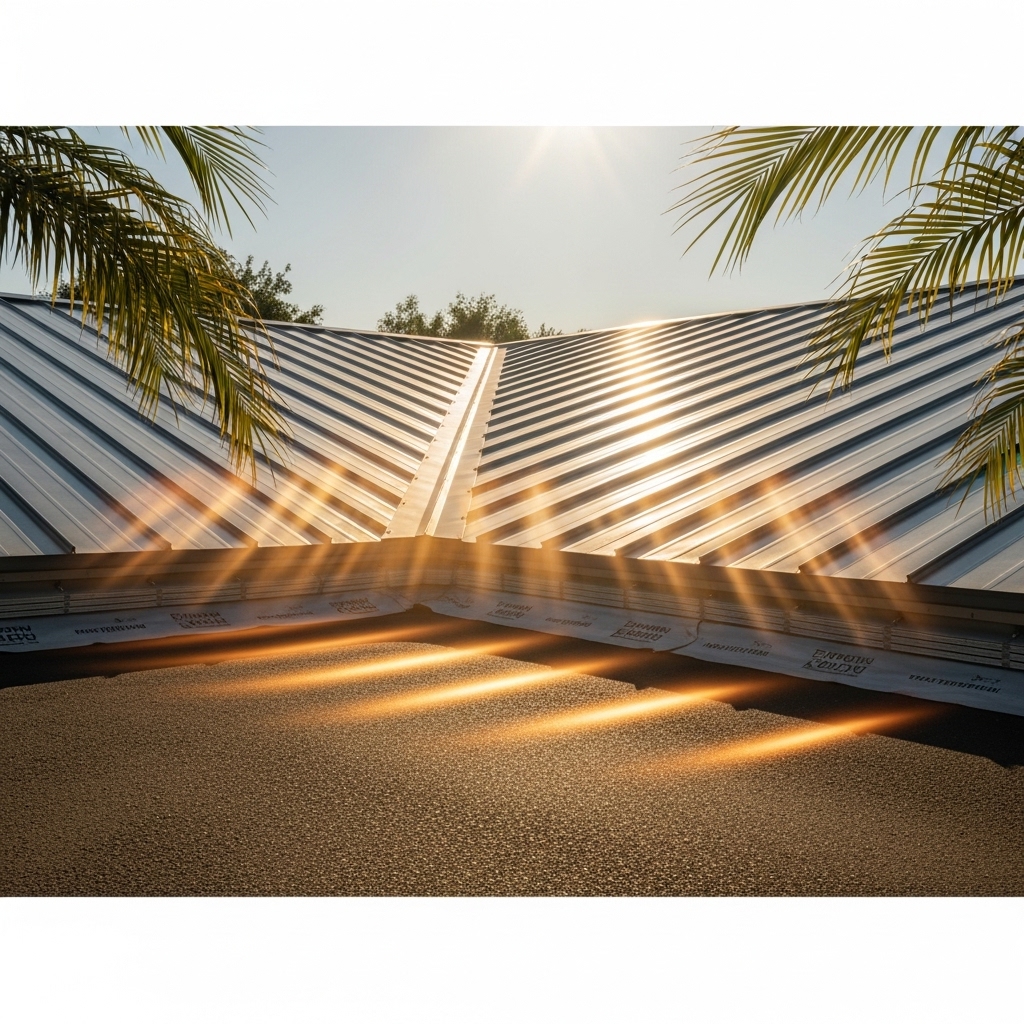
Choosing the right material is one of the most important steps. Modern Flat Roofing options include single-ply membranes, modified bitumen, and advanced coating systems. Each material offers different benefits in terms of durability, weather resistance, and energy efficiency. The condition of the existing structure should also be evaluated before installation. A professional roofing assessment can identify issues with the decking, insulation, drainage, or ventilation that may affect the new system. Addressing these concerns early helps prevent future problems. Proper drainage design is another critical consideration. Although flat roofs have a minimal slope, they still require effective water management. Correct placement of drains, gutters, and drainage channels prevents standing water and protects the roofing system from moisture damage.
The Importance of Professional Installation
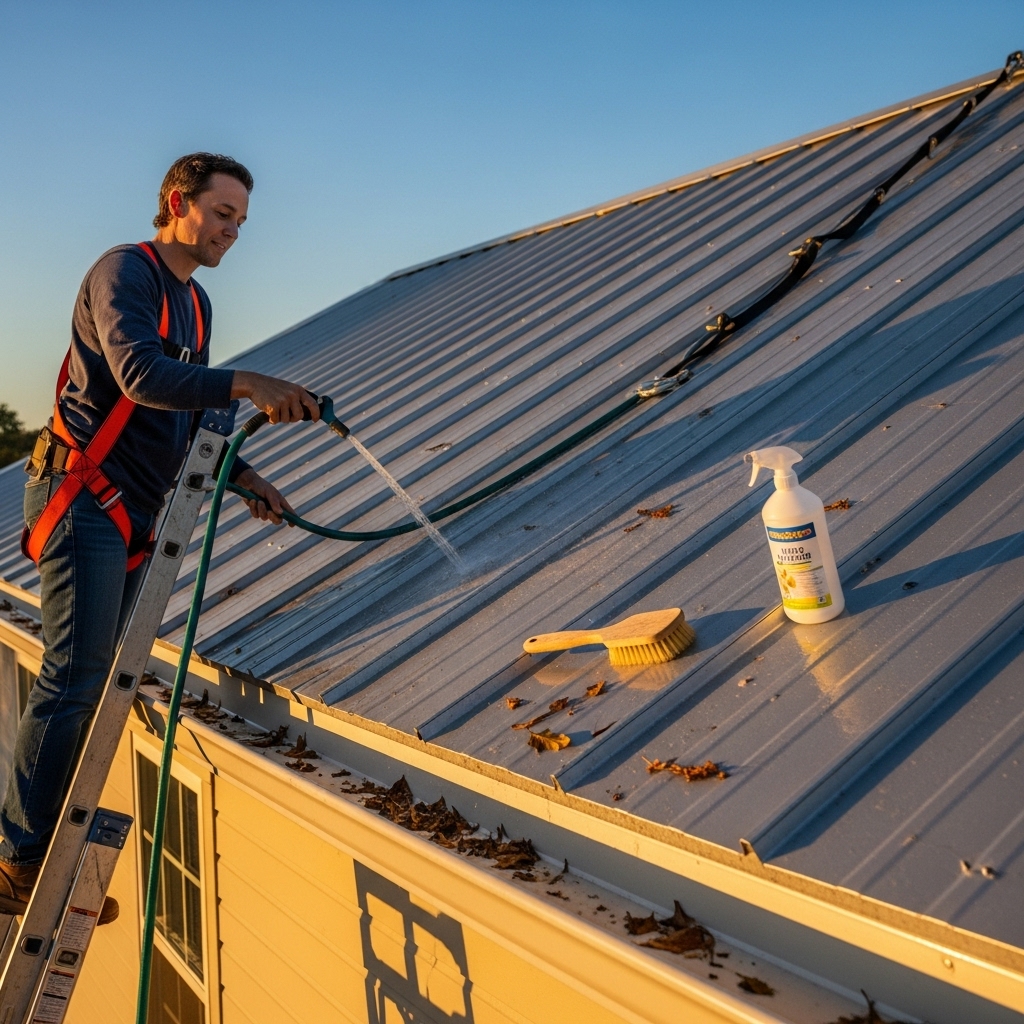
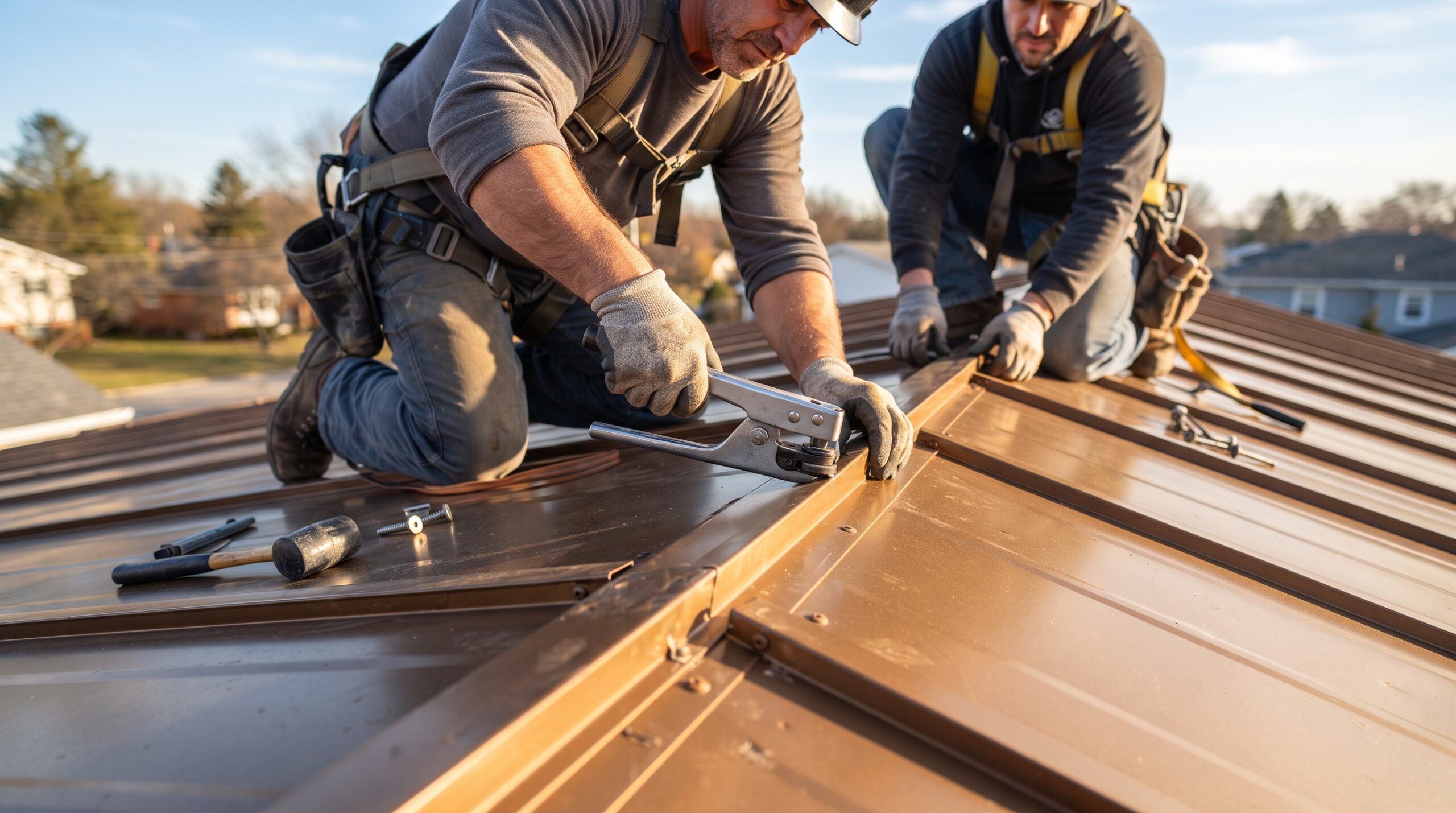
Even high-quality roofing materials can fail if they are installed incorrectly. Professional installers ensure accurate measurements, secure membrane placement, proper flashing, and complete sealing around vulnerable areas. These details help maximize durability and reduce the risk of leaks. Maintenance planning should also be considered before installation. Regular inspections, cleaning, and timely repairs help preserve the roof’s performance and extend its lifespan. A well-maintained flat roofing system can provide reliable protection for many years.
Frequently Asked Questions
Is flat roofing a good option for commercial buildings?
Yes. It offers durability, efficient space use, and easy access for maintenance.
What materials are used for flat roofing?
Common options include single-ply membranes, modified bitumen, and protective coating systems.
Does flat roofing require maintenance?
Yes. Regular inspections help prevent damage and maintain long-term performance.
Why is professional installation important?
Expert installation ensures proper sealing, drainage, and structural protection.
Preparing before installation helps ensure your roofing investment delivers lasting results. Choosing professional Flat Roofing provides the expertise, materials, and craftsmanship needed for a reliable system built to protect your property for years.
How to Extend the Life of Your Flat Roofing System
Common Flat Roofing Problems and How to Prevent Them