Flat roofing is a practical and efficient solution for many residential and commercial buildings, but like any roofing system, it requires proper design, installation, and maintenance to perform well over time. When issues do arise, they are often the result of poor drainage, aging materials, or lack of regular upkeep. Choosing professional Flat Roofing helps reduce these risks and ensures long-term protection for your property. Understanding the most common flat roofing problems—and how to prevent them—can save property owners from costly repairs and unexpected damage.
1. Water Pooling and Poor Drainage
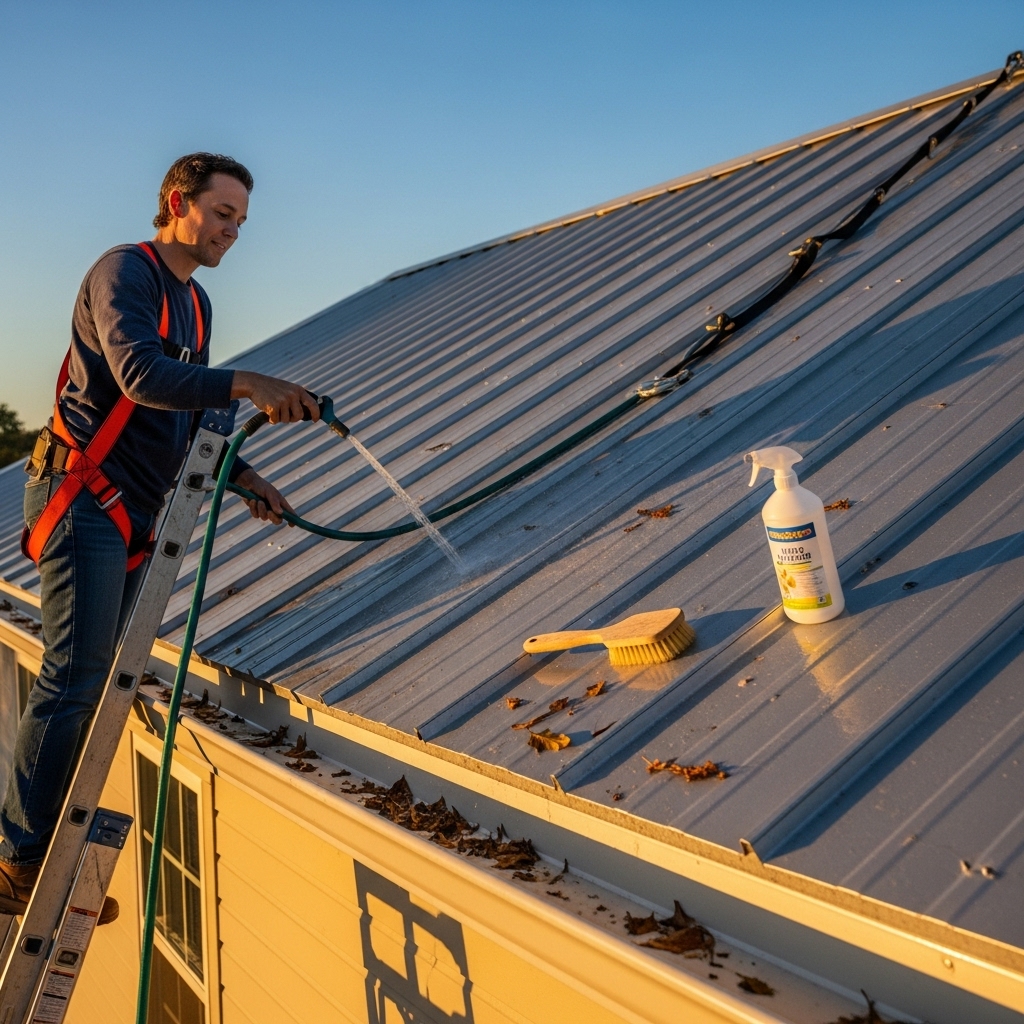
One of the most frequent issues in flat roofing is water pooling. Because the surface has a low slope, water can collect in certain areas if drainage is not properly designed or maintained. Over time, standing water can weaken roofing materials and increase the risk of leaks. Professional Flat Roofing installation includes proper slope planning and drainage systems to guide water away from the surface. Regular cleaning of drains and gutters also helps prevent blockages that contribute to pooling.
2. Roof Leaks and Membrane Damage
Leaks often occur when roofing membranes become cracked, punctured, or separated at the seams. Exposure to UV rays, temperature changes, and physical wear can gradually weaken the surface if not properly maintained. Preventing leaks starts with high-quality installation and durable waterproof materials. Routine inspections help identify small damage early, allowing repairs before water infiltration becomes a major issue.
3. Blistering and Surface Cracks
Blistering happens when air or moisture becomes trapped beneath the roofing surface, creating raised areas that can eventually crack. Temperature fluctuations can make this problem worse over time. Proper installation techniques and high-quality materials reduce the risk of trapped moisture. Professional maintenance of Flat Roofing helps detect early signs of blistering and prevents long-term structural damage.
4. Flashing and Edge Failures
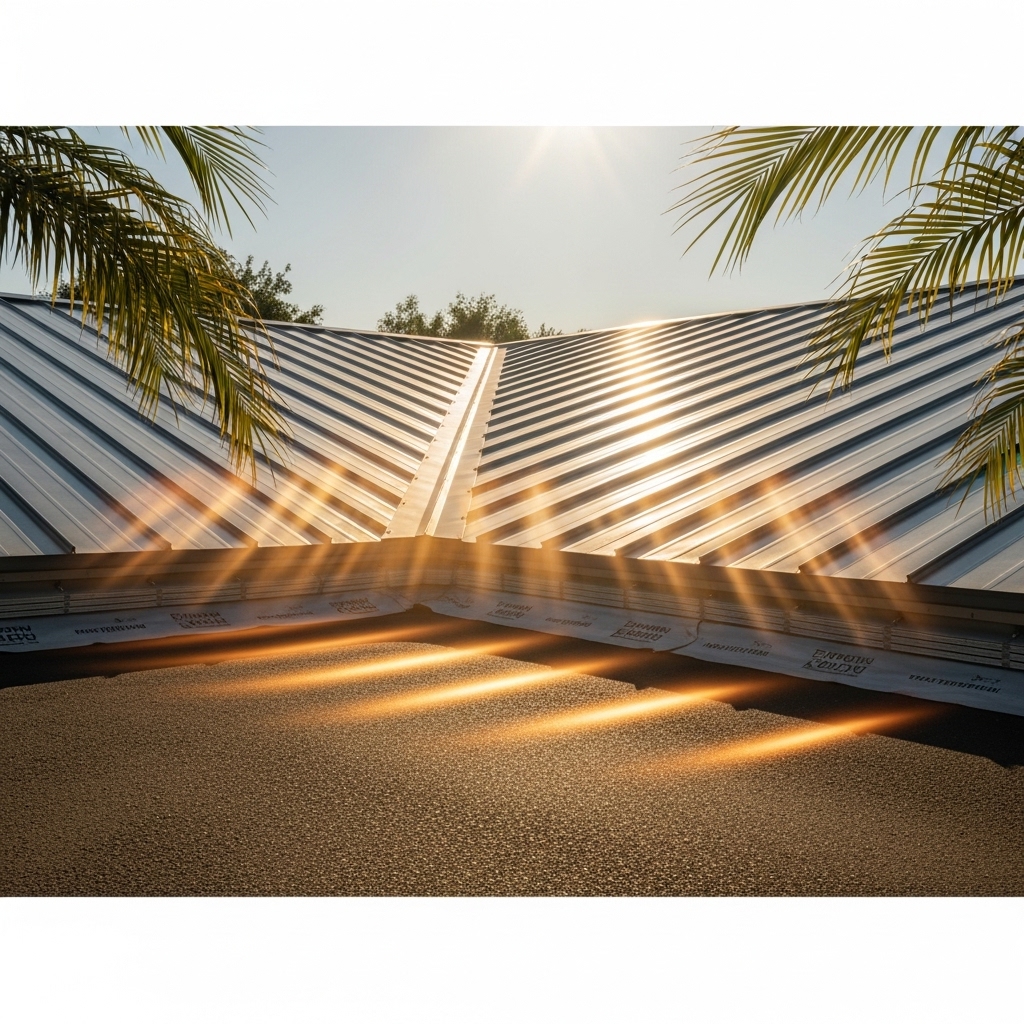
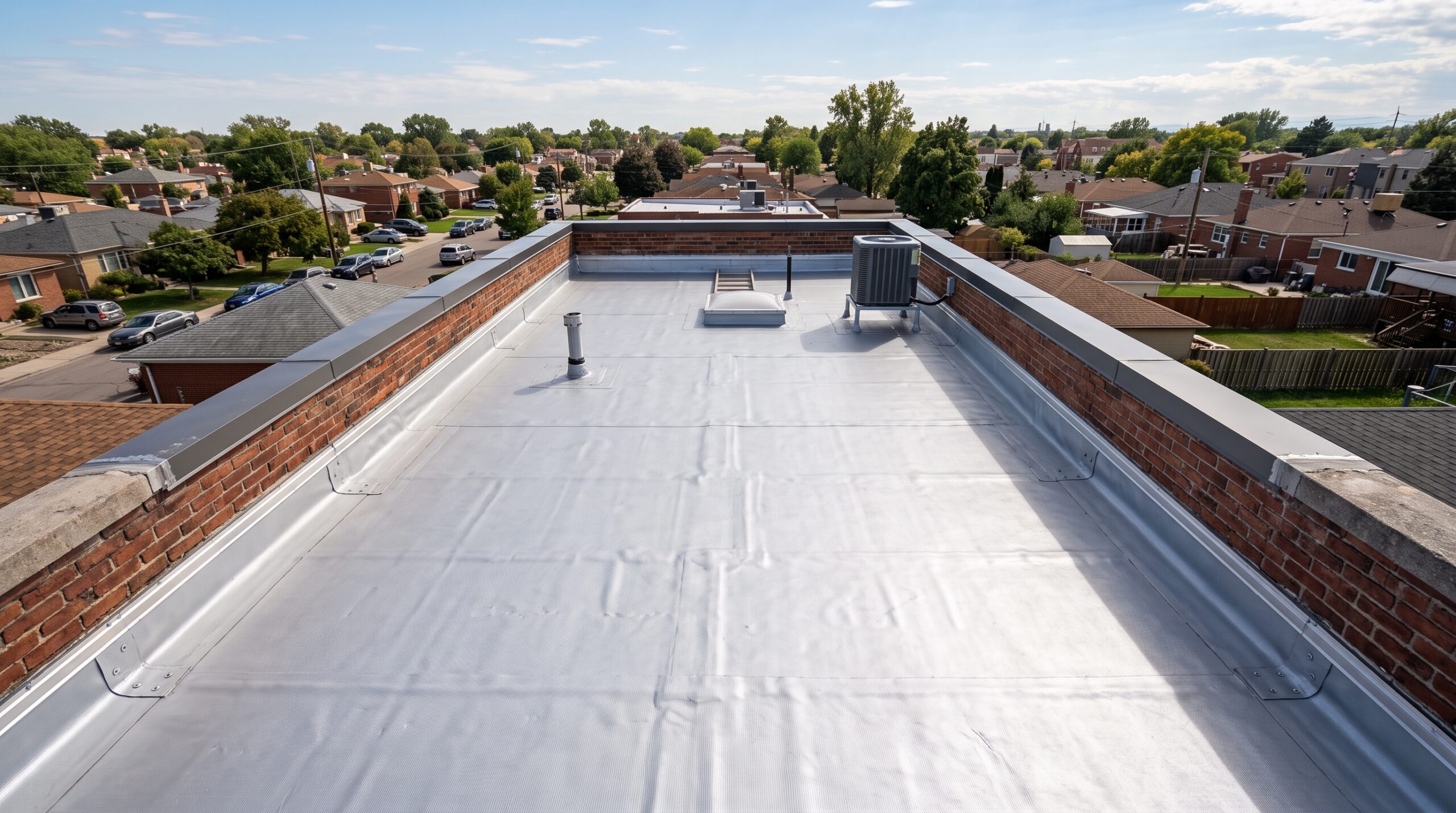
The edges, joints, and flashing areas of a flat roof are especially vulnerable to leaks if not properly sealed. These areas experience more stress from wind, rain, and movement. Preventing edge failures requires precise installation and regular inspection. Reinforced sealing and proper waterproofing around vulnerable points help maintain long-term protection.
Preventing Flat Roofing Problems Long-Term
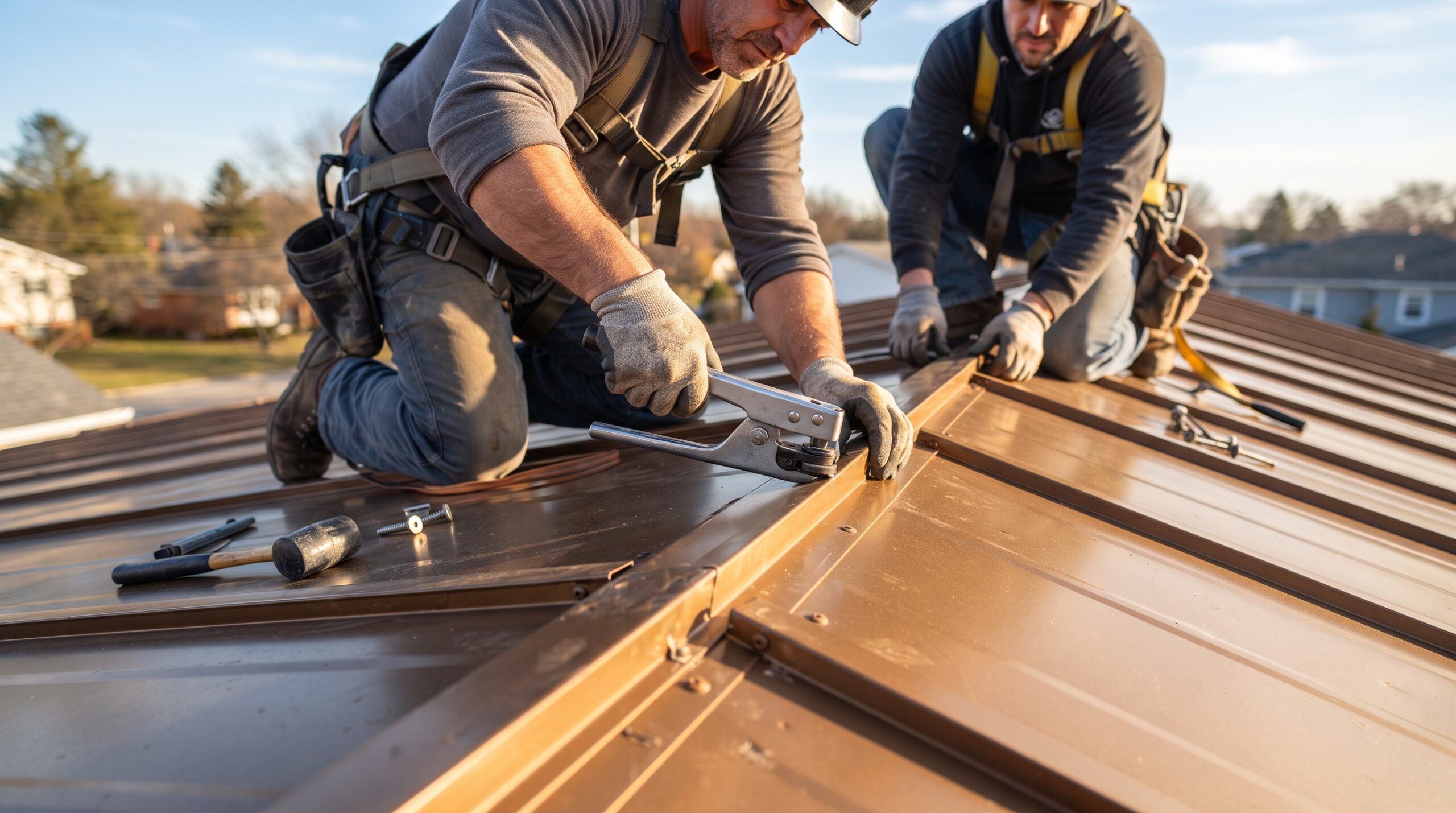
The most effective way to avoid flat roofing issues is through professional installation, quality materials, and routine maintenance. Scheduled inspections allow early detection of wear and ensure repairs are handled before damage spreads. Investing in expert Flat Roofing provides long-term durability, improved weather resistance, and consistent performance across all seasons.
Frequently Asked Questions
What is the most common flat roofing problem?
Water pooling due to poor drainage is one of the most frequent issues.
Can flat roofs be repaired easily?
Yes. Most problems can be fixed if detected early through regular inspections.
How often should flat roofs be inspected?
At least once or twice a year, and after severe weather events.
What is the best way to prevent leaks?
Proper installation, quality materials, and routine maintenance are essential.
With proper care and expert installation, Flat Roofing can provide durable, long-lasting protection and reliable performance for both homes and businesses.
Flat Roofing Installation: What to Expect Step by Step