
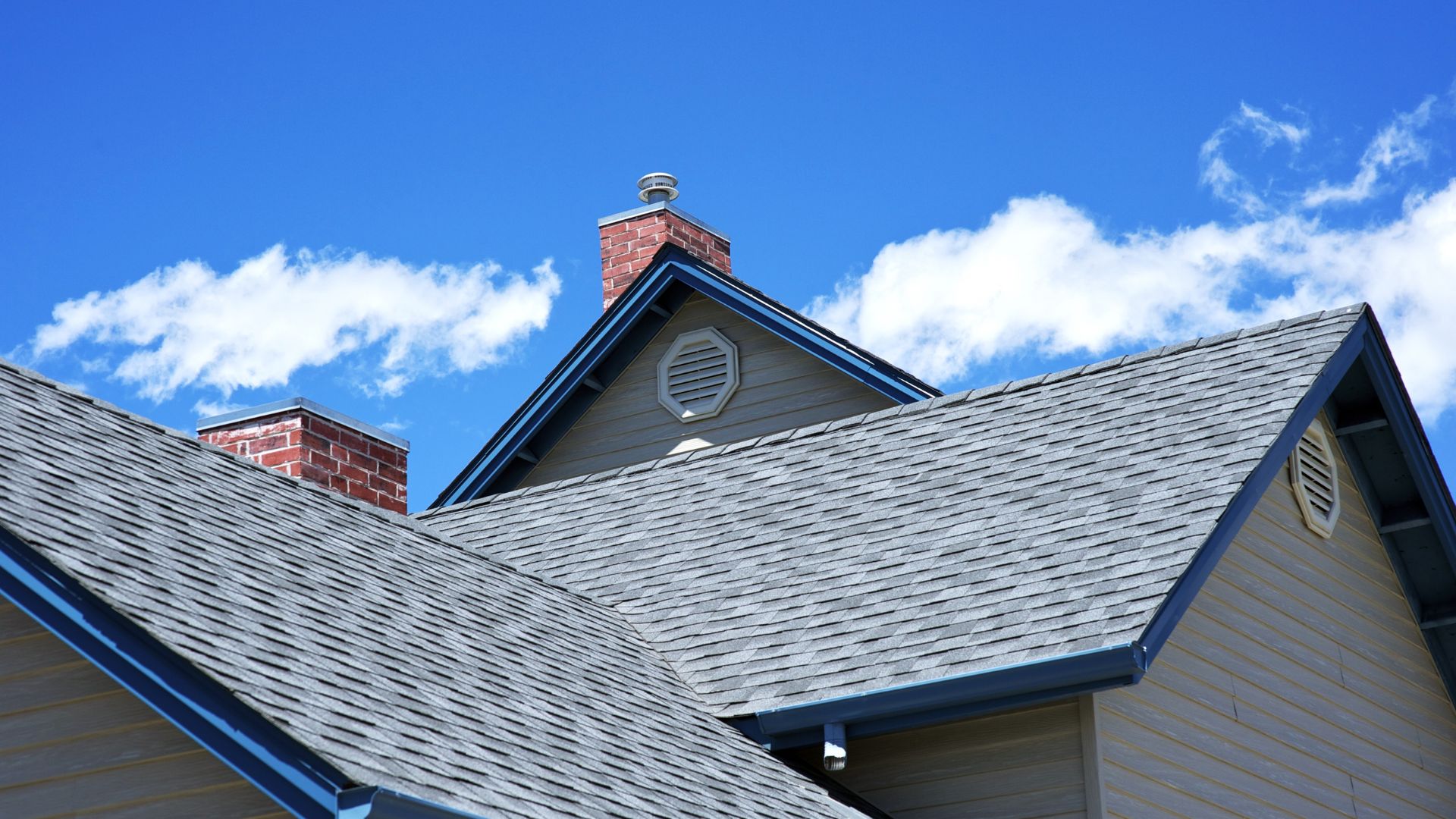
Cool roofing for hot climates means a roof surface that reflects most of the sun’s energy and quickly sheds the heat it does absorb, so less heat reaches the attic and the rooms below. It pays off most where summer brings months of 90-degree days, as in Palm Springs, the High Desert, Riverside and the west San Fernando Valley, and in desert conditions it needs its own maintenance routine. To have a hot-climate roof assessed, call NEMA Roofing at 866-631-3366.
Where does a cool roof pay off most in Southern California?
The number of hot days matters more than the map. Federal climate normals (NOAA, 1991 to 2020) show how far apart places a short drive from each other really are:
| Weather station | Days a year at 90°F or hotter | Days at 100°F or hotter | Energy code climate zone (ZIP) |
|---|---|---|---|
| Palm Springs | 183 | 123 | 15 (92262) |
| Victorville | 119 | 42 | 14 (92392) |
| Woodland Hills (Pierce College) | 115 | 36 | 9 (91364, 91367) |
| Riverside | 110 | 28 | 10 (92501) |
| Redlands | 104 | 26 | 10 (92373) |
| Santa Barbara Airport | 3 | under 1 | 6 (93117) |
On a dark roof, every one of those hot days pushes heat into the attic for hours. A cool surface cuts that heat at the source, which is why the benefit grows with the count of hot days. The Cool Roof Rating Council puts typical cooling-cost savings at 7 to 15 percent, and the savings land in the late afternoon, when electricity demand and time-of-use rates peak. On the Santa Barbara and Ventura County coast (climate zone 6), where hot days are rare, the gain is smaller and the energy code does not require a cool surface on a pitched home roof.
What does the energy code require in hot climate zones?
California’s energy code (Title 24, Part 6, 2025 edition, in force since January 1, 2026) sets cool-roof values when more than half of a roof is replaced:
- Pitched roofs (a slope of 2 in 12 or steeper) on homes in climate zones 4 and 8 through 15, which include Palm Springs, Victorville, Riverside, Redlands and Woodland Hills: the rated product must reflect 0.20 or more of sunlight after aging and emit 0.75 or more of its absorbed heat, or reach a solar reflectance index (SRI) of 16.
- Low-slope roofs on homes in climate zones 4 and 6 through 15: a much brighter bar, 0.63 aged reflectance with the same 0.75 emittance, or an SRI of 75.
- Exceptions for pitched roofs include R-38 ceiling insulation, a qualifying attic radiant barrier, no ducts in the attic (in zones 2, 4, 9, 10, 12 and 14) or R-2 insulation at the roof deck.
Mountain communities such as Big Bear Lake (92315) and Lake Arrowhead (92352) are in climate zone 16, outside the pitched-roof rule. “Aged” means the value measured after three years of outdoor weathering at a test site approved by the Cool Roof Rating Council, so compare aged numbers, not the brighter initial ones.
Which cool roofing materials handle desert heat?
- Clay and concrete tile. Terra cotta is naturally cool, and light or cool-color glazes raise reflectance further. Tile is heavy, so the framing has to carry it, and the tile still needs a rated cool value where the code applies.
- Coated metal. Factory finishes with cool pigments come in many colors, including darker ones. In big day-to-night temperature swings, panels expand and contract, so clip-fastened standing seam systems move more freely than screw-down panels.
- Cool-color asphalt shingles. Granules with reflective pigments meet the pitched-roof values in many colors; check the rated product, not the brochure color name.
- Membranes and coatings on flat roofs. White or light single-ply membranes and liquid-applied coatings reach the high low-slope values, and they are the surfaces that most need periodic cleaning to stay reflective.
Our cool roofing service covers each of these systems and how they are rated.
Roofing maintenance for desert climates
Desert sun, dust and wide temperature swings wear a roof differently from coastal fog. A yearly routine keeps a cool roof reflective and watertight:
- Clean reflective surfaces. Dust and grime lower reflectance; the U.S. EPA notes that cool roofs, especially low-slope ones, may need periodic cleaning to keep their reflectance. Use the method the manufacturer allows, never a harsh pressure wash on coatings or granules.
- Check sealants and flashings. Ultraviolet light and heat dry out sealant at vents, skylights and wall joints first. Cracked or shrunken sealant often lets in the first storm of the season.
- Inspect fasteners and seams on metal. Daily expansion can loosen exposed screws and wear their washers; standing seam clips and end laps deserve a look too.
- Look for cracked or slipped tile. The underlayment beneath tile carries the waterproofing, and it ages faster when broken tiles leave it exposed to sun.
- Clear drains, scuppers and gutters after wind and dust storms. Sand and debris block flat-roof drains, and a sudden downpour then ponds on the roof.
- Watch coating thickness on flat roofs. A coating that has worn thin or chalked needs a recoat before the membrane underneath is exposed.
- Schedule the work early in the day. Roof surfaces in summer afternoon sun are too hot for safe foot traffic and for many sealants to cure properly.
A professional roof maintenance visit covers these points and documents what needs repair before the heat of summer.
Is “warm roofing” the opposite of a cool roof?
No. “Warm roof” is a building-science term for a roof with its insulation laid above the deck, so the structure sits inside the insulated envelope. It describes where the insulation goes, not the color of the surface, and the two ideas work together: insulation slows heat once it enters the roof, while a cool surface stops much of it from being absorbed in the first place. The energy code treats R-2 or greater continuous insulation above or below the deck as an alternative path for pitched roofs.
Will a cool roof cost more to heat in winter?
Slightly, in some homes, but the Cool Roof Rating Council describes the winter penalty as usually insignificant next to summer savings: the winter sun is lower and weaker, days are shorter and cloudier. The High Desert is the one local place to think it through, because Victorville averages about 54 nights a year at or below freezing. Good attic insulation serves both seasons there, and the summer savings still usually outweigh the winter cost.
Getting a cool roof in a hot inland area
NEMA Roofing works from five Google-verified locations (Santa Barbara, Oxnard, Woodland Hills, Tarzana and Downey) and serves all of Los Angeles, Ventura, Santa Barbara, Riverside and San Bernardino counties, so inland desert and valley homes are covered as fully as the coast. See our Riverside roofing page and the San Bernardino County service area. To plan a cool roof or a desert maintenance visit, call 866-631-3366.




