
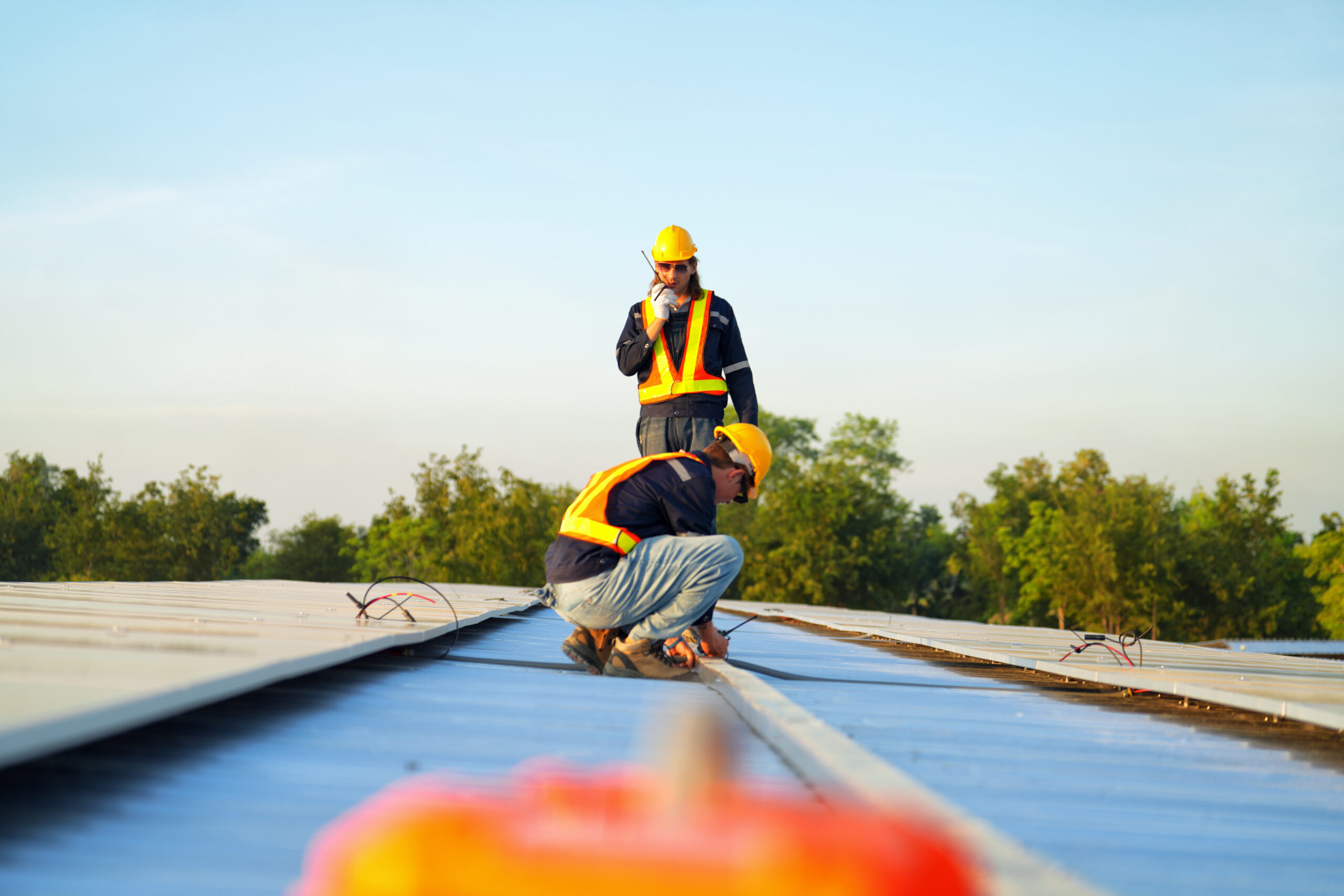
Sustainable cool roofing combines three things: a surface that stays cooler in the sun, so the building uses less energy and the roof suffers less heat stress; a roof system built to last, so it is not replaced early; and replacement choices that cut waste, such as coating a sound flat roof or reusing good tile. What makes it durable is how well it performs after years of weather, not how bright it looks on day one. To plan one, call NEMA Roofing at 866-631-3366.
Does a cool roof last longer?
It can. The Cool Roof Rating Council notes that a lower roof temperature may extend a roof’s service life, and the California Energy Commission lists “last longer than conventional roofs” among the things a cool roof can do. The reason is heat: a dark roof in full sun runs far hotter than the air around it, and heat and ultraviolet light are what age asphalt, sealants and coatings.
A cool surface does not rescue a poor installation, though. A roof’s life still depends on the parts that do not show: underlayment, flashings at walls and vents, fastening, drainage and ventilation. A cool membrane with badly detailed drains will fail at the drains.
How does cool roof performance change over time?
Every roof surface gets dirtier and weathers. That is why the Cool Roof Rating Council lists two sets of values for each product: initial, and aged after three years of outdoor exposure at an approved test site. California’s energy code accepts only the aged numbers. When comparing products for durability, compare the aged values and how far they fall from the initial ones.
| Surface | What dulls it | What keeps it performing |
|---|---|---|
| White membrane (TPO, PVC) | Dust, soot and dirt left by ponded water | Good drainage and cleaning by the manufacturer’s method |
| Liquid-applied coating | Dirt pickup and gradual wear of the coating layer | Recoating before the coating wears through, on a clean, sound surface |
| Cool-color shingles | Granule loss and grime over the years | Clear gutters and valleys; avoid pressure washing |
| Coated metal | Slow fading and chalking of the paint finish | A factory finish from a rated product line; fix scratches that expose metal |
| Clay and concrete tile | Surface soiling; broken tiles expose the underlayment | Replace cracked tiles and keep foot traffic off the field of the roof |
Flat roofs lose brightness fastest because dirt settles and water sits on them; the EPA singles out low-slope cool roofs as the ones most likely to need regular cleaning. On a regular roof maintenance visit, cleaning and recoat timing are part of the plan.
Where do the sustainability gains come from?
- Less electricity for cooling. The Cool Roof Rating Council puts the typical saving at 7 to 15 percent of what a building spends on cooling, which means fewer emissions from power plants.
- Lower peak demand. The savings fall on hot afternoons, when the grid is most strained.
- Cooler neighborhoods and cleaner air. Many cool roofs together lower outdoor temperatures. The EPA cites a study of Southern California that examined how widespread cool roofs would affect ozone and fine particle levels, since ozone forms faster in heat.
- Reflected sunlight. Cool roofs send part of the sun’s energy back to the sky. A Lawrence Berkeley National Laboratory study cited by the Cool Roof Rating Council estimated that reflective roofing worldwide would have a cooling effect equal to offsetting 24 gigatons of carbon dioxide over the life of the roofs.
How can a reroof create less waste?
Construction and demolition produced about 600 million tons of debris in the United States in 2018, according to the EPA, and asphalt shingles are one of the materials it tracks. A few choices keep a roof out of the landfill:
- Coat a sound flat roof instead of tearing it off. Under the California Building Code, most existing flat roof types (earlier coatings, built-up, modified bitumen, single-ply, spray foam and metal) can take a fresh protective coating with no tear-off, provided the roof is not water-soaked or deteriorated.
- Recover only where the code allows. A new covering over an old one is not permitted when there are already two or more layers, so check before planning it.
- Reuse good tile. The code permits existing slate, clay and cement tile to be reinstalled, except tiles that are damaged, cracked or broken, so an underlayment replacement can often keep the same tiles.
- Choose long-lived materials. Clay and concrete tile ranks among the longest-lived roof coverings in a National Association of Home Builders study of home component life, so it is replaced less often.
Is cool roofing the future of roofing?
In California it is already the present. The state energy code requires rated cool products when more than half of a roof is replaced in many climate zones, the Los Angeles Green Building Code sets minimum three-year aged values for residential roofing, and the LEED green building system gives credit for reflective roofs. The federal ENERGY STAR roof product program ended in June 2022, so the Cool Roof Rating Council directory is now the main place to check a product’s rated values.
For more on energy-saving roof choices, see green and eco-friendly roofing and our overview of cool roof benefits.
Build a cool roof that lasts
NEMA Roofing operates from five Google-verified locations (Tarzana, Woodland Hills, Downey, Oxnard and Santa Barbara) and installs cool roofs throughout Riverside, San Bernardino, Los Angeles, Ventura and Santa Barbara counties, as listed on our service areas page. See our cool roofing service for the systems we install, or call 866-631-3366.




