
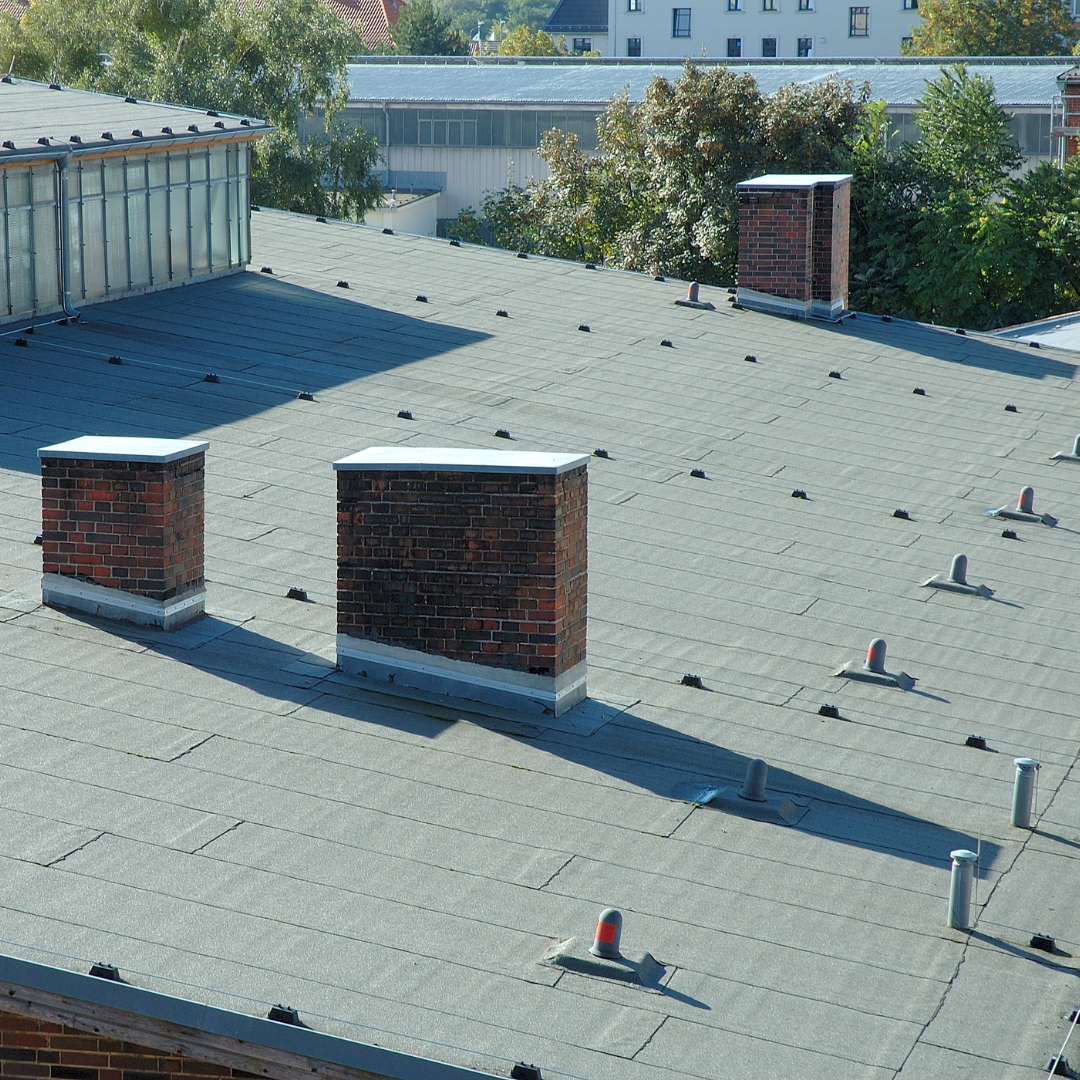
To handle a commercial roofing insurance claim, stop further damage with temporary repairs, document everything, read the policy for covered causes, deductible and deadlines, report the loss promptly, and have a roofing contractor inspect the roof and write an itemized estimate. The California Department of Insurance advises against permanent repairs until the insurance adjuster has seen the damage. For an inspection and emergency protection, call NEMA Roofing at 866-631-3366.
What does commercial property insurance usually cover on a roof?
Policies differ, so the policy itself is the only final answer. In general, property policies respond to sudden events and not to slow wear. The Department of Insurance notes that homeowners’, renters’ and commercial policies typically exclude flood, mudslide and debris flow, but may cover water damage from wind-driven rain during a storm and damage from fallen trees.
| Cause of roof damage | How policies often treat it | What helps the claim |
|---|---|---|
| Wind that lifts edges or tears the membrane | Often a covered cause, subject to the policy’s terms | Storm date, photos of lifted metal and torn sections |
| Hail or impact from debris or a fallen tree | Often covered, subject to the policy’s terms | Close-up photos with a reference object, core samples if the insulation is crushed |
| Wind-driven rain entering during a storm | May be covered | Interior photos and the storm record |
| Fire | Often a covered cause, subject to the policy’s terms | Fire department report |
| Flood, mudslide, debris flow | Typically excluded from standard policies | Separate flood coverage, if you carry it |
| Age, wear and lack of maintenance | Commonly excluded | Maintenance records that show the roof was cared for |
What should you do in the first days after the damage?
- Make the building safe. Keep people off a damaged roof and away from wet ceilings and electrical fixtures.
- Prevent further damage. The Department of Insurance tells policyholders to make temporary repairs to prevent further damage: tarping, temporary patches, clearing drains. Keep every receipt and photograph the work.
- Photograph before anything is removed. Wide shots of each roof area, close-ups of each defect, the interior damage, and damaged inventory or equipment.
- Get the policy and check the deductible. The Department of Insurance points out that if the damage is below the deductible, the insurer is not obligated to pay.
- Report the loss promptly and note the claim number, the adjuster’s name and the deadlines in the policy.
- Start a claim diary. Log every call and email with the insurer or adjuster, as the Department recommends.
If water is coming in now, our emergency roof repair service can protect the building first.
What documentation makes a roof claim stronger?
- The date, time and nature of the event, with weather records for that day.
- A roofing contractor’s inspection report: what failed, where, why, and whether insulation under the membrane is wet (core cuts or an infrared scan show this).
- An itemized estimate that separates repair of the storm damage from any work that was needed anyway.
- Maintenance and inspection records from before the loss, which answer the “wear and tear” question before it is asked.
- Invoices and photos for temporary repairs.
- The roof’s warranty certificate and installation records, if you have them.
What happens when the adjuster inspects the roof?
The insurer’s adjuster inspects the damage and decides what the policy pays. It helps to have your roofing contractor on the roof at the same time, to show the damage found during the inspection, open test cuts where wet insulation is suspected, and explain the repair scope in the estimate. If the adjuster says something is excluded or limited, the Department of Insurance advises asking the adjuster to point to the specific provision in the policy.
Ask one more question early: how the policy handles code upgrades. A commercial low-slope roof that is replaced, recovered or recoated over a large enough area in California must meet the state’s current cool-roof values, and buildings in Fire Hazard Severity Zones covered by the Building Code’s wildfire chapter need a Class A roof assembly. Your agent can tell you whether the policy includes coverage for work the code now requires beyond what was there before.
Who can negotiate a claim on your behalf?
A roofing contractor inspects, documents, estimates and repairs; negotiating the claim for you is a different job. In California, anyone who acts as a public insurance adjuster must be licensed under the Public Insurance Adjusters Act (Insurance Code section 15006), and a policyholder may void a contract with an unlicensed person. If you want someone to represent you, hire a licensed public adjuster, or talk to your insurance agent or the Department of Insurance consumer hotline.
What if the claim is denied or underpaid?
- Ask for the decision and the policy provision behind it in writing.
- Compare the adjuster’s scope line by line with your contractor’s estimate; missing items (flashings, edge metal, wet insulation, code items) are the usual gap.
- Send the insurer the additional documentation and a written request to reconsider.
- If you still disagree, contact your agent or the Department of Insurance, which helps consumers with coverage and claim questions.
Is it an insurance claim or a warranty claim?
Sudden damage from a storm, impact or fire goes to your insurer. A roof that leaks without a damaging event, because of a material defect or an installation error, is a warranty matter. Manufacturer warranties commonly exclude unusual weather, so the two usually cover different events. See our guide to commercial roofing warranties, and for materials that stand up better next time, the best commercial roofing materials for severe weather.
NEMA Roofing inspects and repairs storm-damaged commercial roofs from five locations (Santa Barbara, Oxnard, Woodland Hills, Tarzana and Downey) and covers every community in Santa Barbara, Ventura, Los Angeles, Riverside and San Bernardino counties, from Ventura County to the Inland Empire. Learn about our commercial roofing service, or call 866-631-3366 for an inspection report you can give your insurer.




