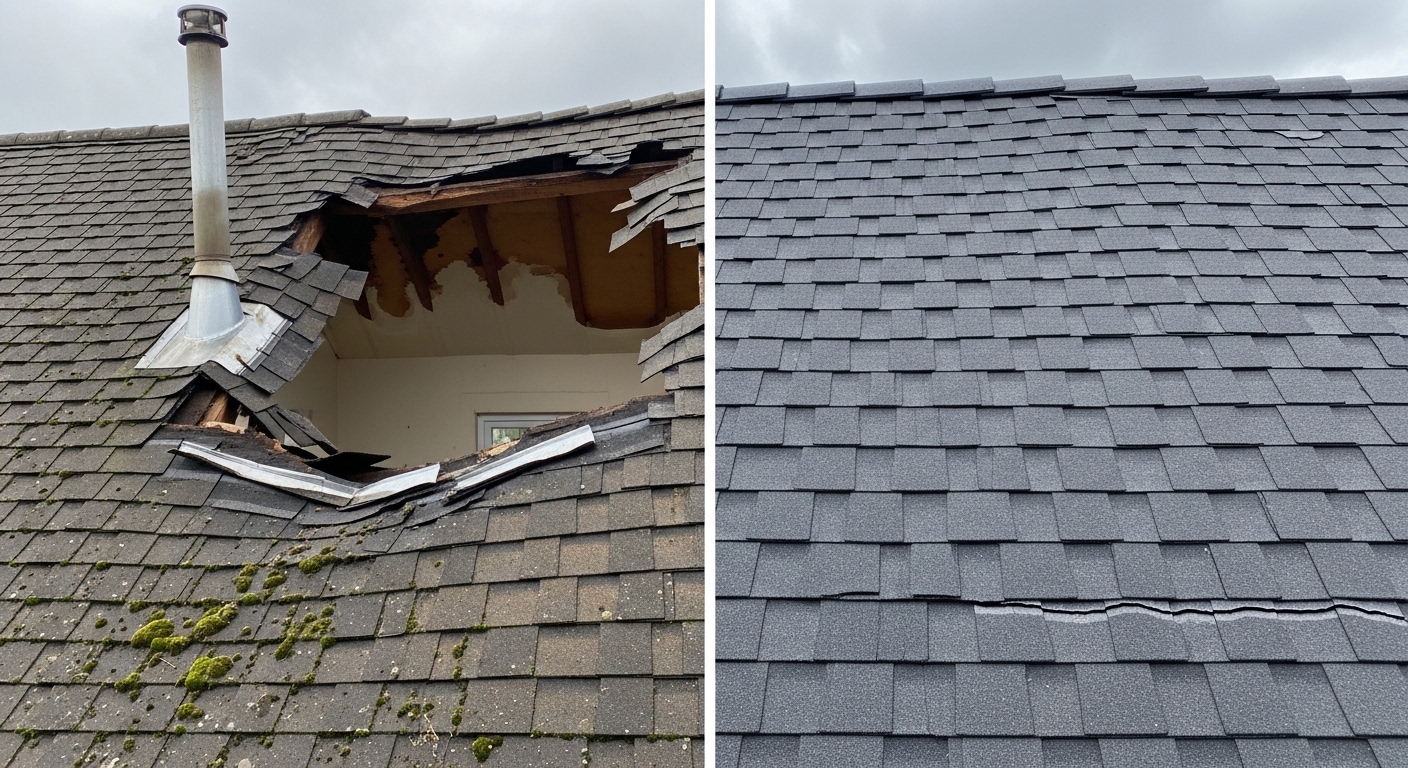
Roof problems rarely fix themselves. What starts as a small leak or minor surface damage can slowly spread beneath the shingles, affecting insulation, decking, and even interior ceilings. Homeowners who choose to Replace Your Roof before the damage escalates protect their property from a cycle of ongoing repairs and unexpected expenses. Acting at the right time restores full protection and prevents deeper structural concerns. Weather exposure plays a major role in roof deterioration. Constant sun weakens materials, rain finds vulnerable seams, and temperature fluctuations cause expansion and contraction. Over the years, these forces gradually reduce the roof’s ability to perform. Temporary patchwork may solve visible symptoms, but it does not address the aging system as a whole. Replacing the roof eliminates worn materials and installs a new system designed for long-term durability.
Why Delaying Roof Replacement Increases Repair Costs
Moisture intrusion is one of the most costly consequences of waiting too long. Once water penetrates beneath the surface, it can compromise insulation and weaken structural components. Interior drywall, paint, and even flooring may become affected. Choosing to Replace Your Roof before extensive damage occurs prevents these secondary repairs and preserves the overall integrity of your home. Energy performance also declines as roofing systems age. Compromised insulation allows heat to escape in colder months and enter during warmer seasons. HVAC systems must work harder to maintain comfort, increasing strain and reducing efficiency. A full replacement restores proper ventilation and insulation performance, supporting more stable indoor temperatures. Beyond structural and efficiency benefits, proactive replacement removes uncertainty. You gain confidence knowing your roof can withstand heavy rain, strong winds, and seasonal changes without surprise failures.
Long-Term Protection Through Professional Installation
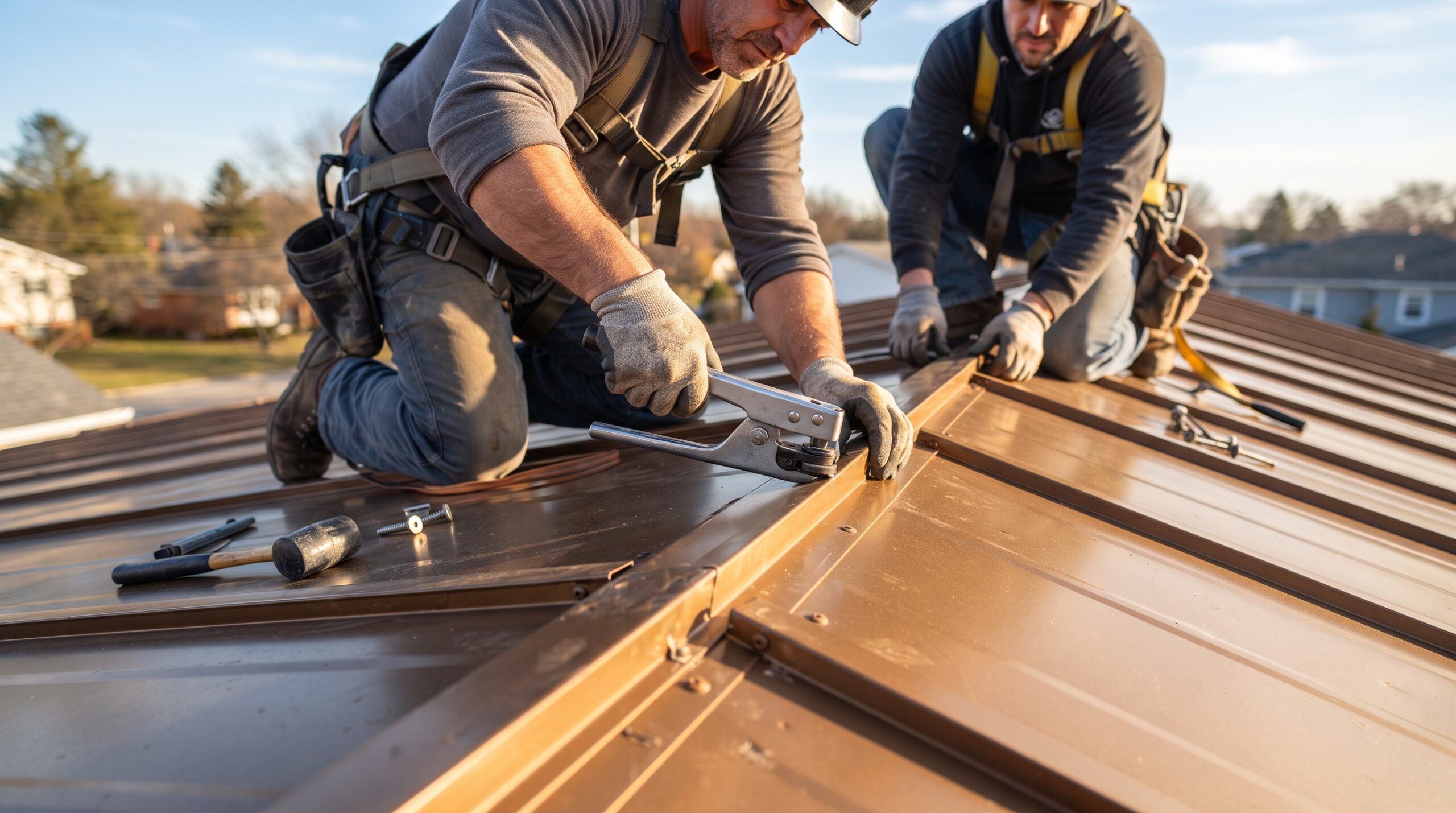
Modern roofing materials are engineered for improved durability and weather resistance. However, material quality alone is not enough. Correct installation ensures that underlayment, flashing, and surface components work together as a unified system. Professional workmanship minimizes weak points that could lead to future issues. Routine inspections after installation further protect long-term performance. When you decide to Replace Your Roof with experienced professionals, you reduce the likelihood of repeated repairs and extend the lifespan of your investment.
Frequently Asked Questions
How do I know if it’s time to replace instead of repair?
If repairs are frequent or damage is widespread, replacement often provides better long-term reliability.
Can small leaks really cause major damage?
Yes. Moisture can spread beneath roofing layers and affect insulation and structural components.
Does roof replacement improve energy efficiency?
Modern materials and proper ventilation help maintain consistent indoor temperatures.
Is professional installation necessary?
Correct installation ensures durability, watertight protection, and long-term performance.
Taking action now prevents expensive surprises later. Choosing to Replace Your Roof protects your home, improves efficiency, and helps you break the cycle of recurring repairs before they become costly structural problems.
Replace Your Roof Before Damage Gets Expensive