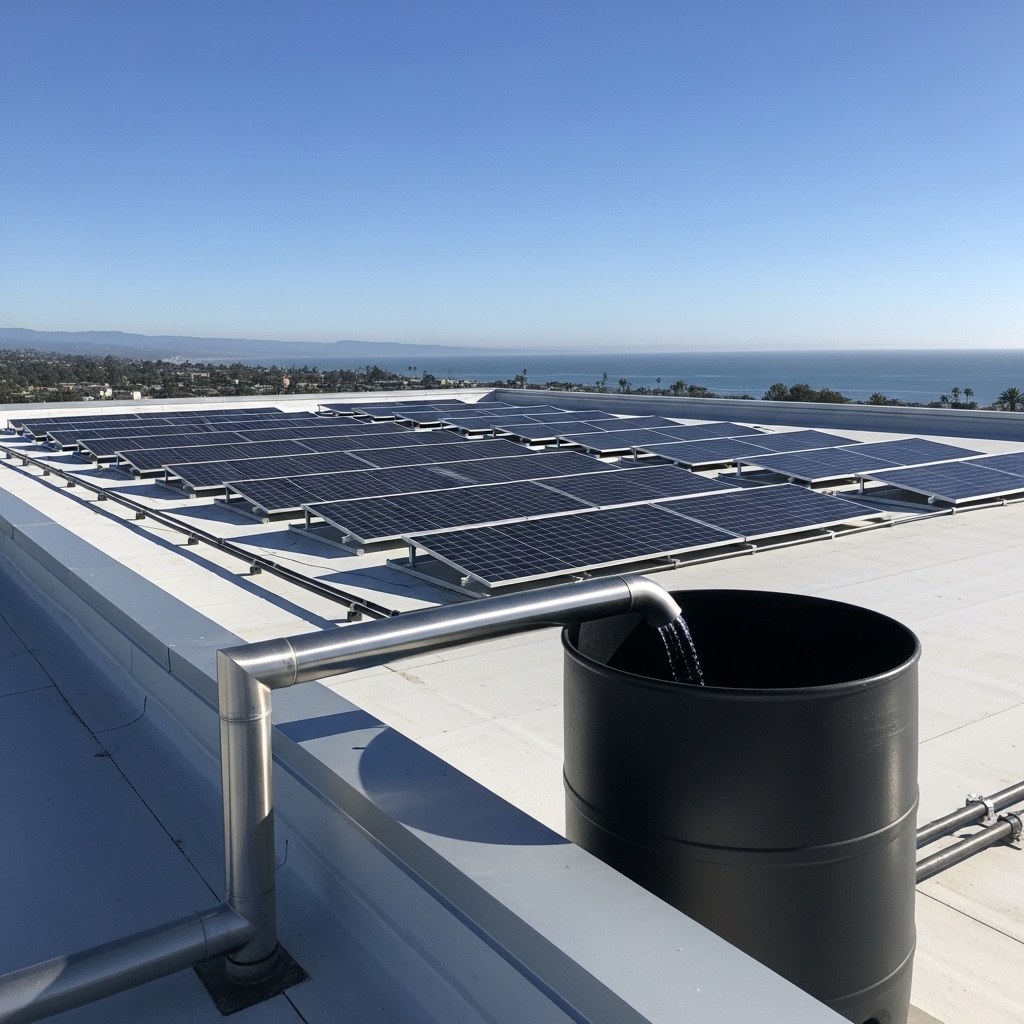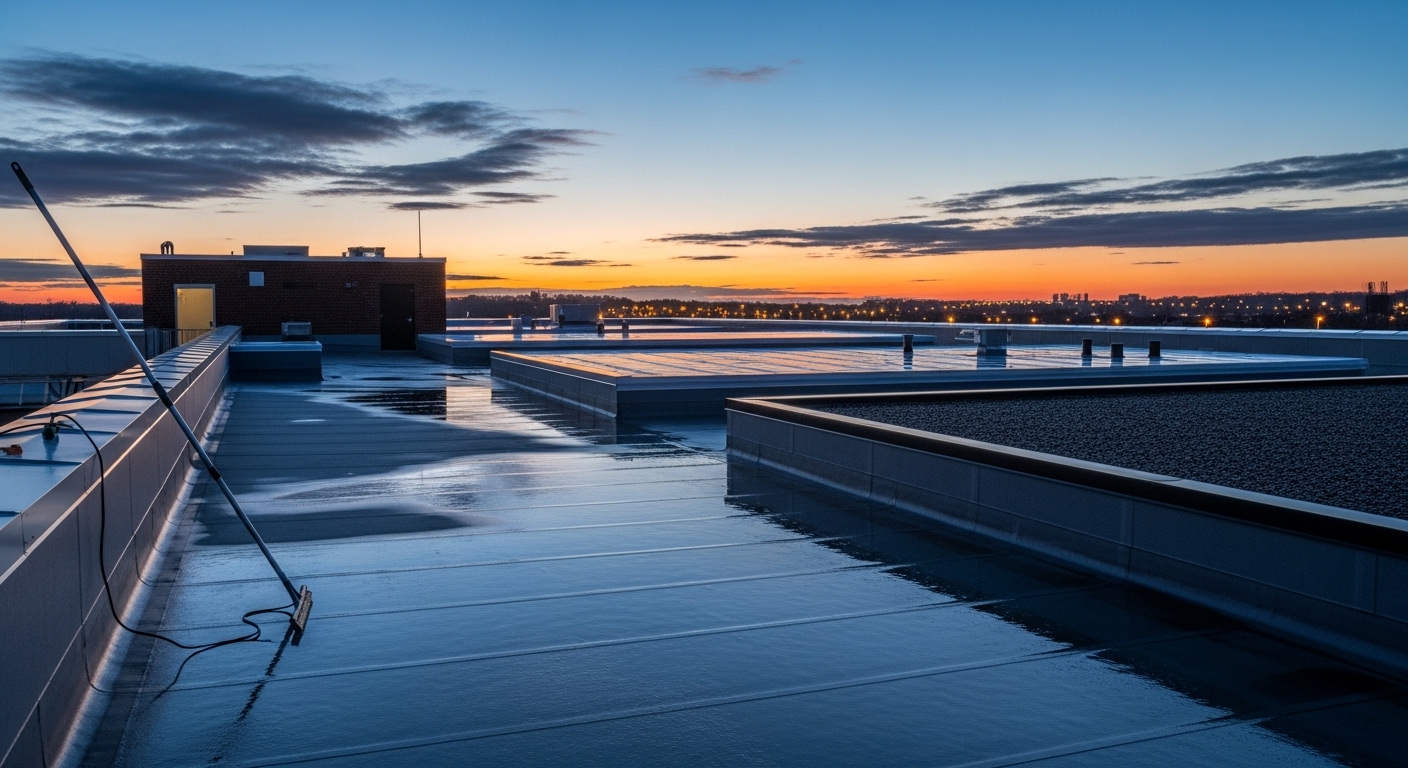
Flat roofing systems do much more than cover a building—they actively protect everything beneath them. From years of working with property owners, one thing stands out: long-term performance depends on how well the roof handles daily stress. Heat, rain, and constant exposure slowly test every layer. When professionals design and maintain Flat Roofing correctly, the system works as a durable shield that preserves structural integrity and indoor comfort over time. Flat roofs demand precision because they sit directly above living or working spaces. Materials must resist heat buildup, manage water efficiently, and maintain insulation performance year after year. When those elements weaken, problems develop quietly. Moisture can reduce insulation efficiency, while heat escapes more easily, forcing systems inside the building to work harder than necessary.
Why Long-Term Flat Roofing Performance Matters
A flat roofing system succeeds when every component works together. The membrane protects against water, insulation controls temperature, and drainage directs rain away before it causes damage. When one element fails, the entire system feels the impact. Interior spaces may experience temperature swings, and moisture-related issues can appear without warning. Upgrading to modern Flat Roofing restores that balance. A complete system improves resistance to heat, reduces moisture risks, and supports consistent indoor conditions. This approach focuses on prevention rather than constant correction, which is key to long-term protection. Durable flat roofing also brings peace of mind. Property owners no longer worry about how the roof will respond to seasonal changes or heavy rain. Instead, they rely on a system designed to perform steadily year after year.
Frequently Asked Questions
How do flat roofing systems protect a property long-term?
They manage heat, control moisture, and maintain insulation performance to protect the structure below.
Does flat roofing affect indoor comfort?
Yes. A well-built flat roofing system helps maintain stable indoor temperatures throughout the year.
When should a flat roofing system be replaced?
Replacement is recommended when materials age, insulation weakens, or recurring issues affect performance.
Is flat roofing durable in changing weather?
Properly installed flat roofing systems are designed to withstand long-term exposure to heat and rain.
If your roof no longer delivers the reliability your property needs, now is the time to plan ahead. Investing in Flat Roofing strengthens protection, improves performance, and ensures your property stays secure and comfortable for the long term.