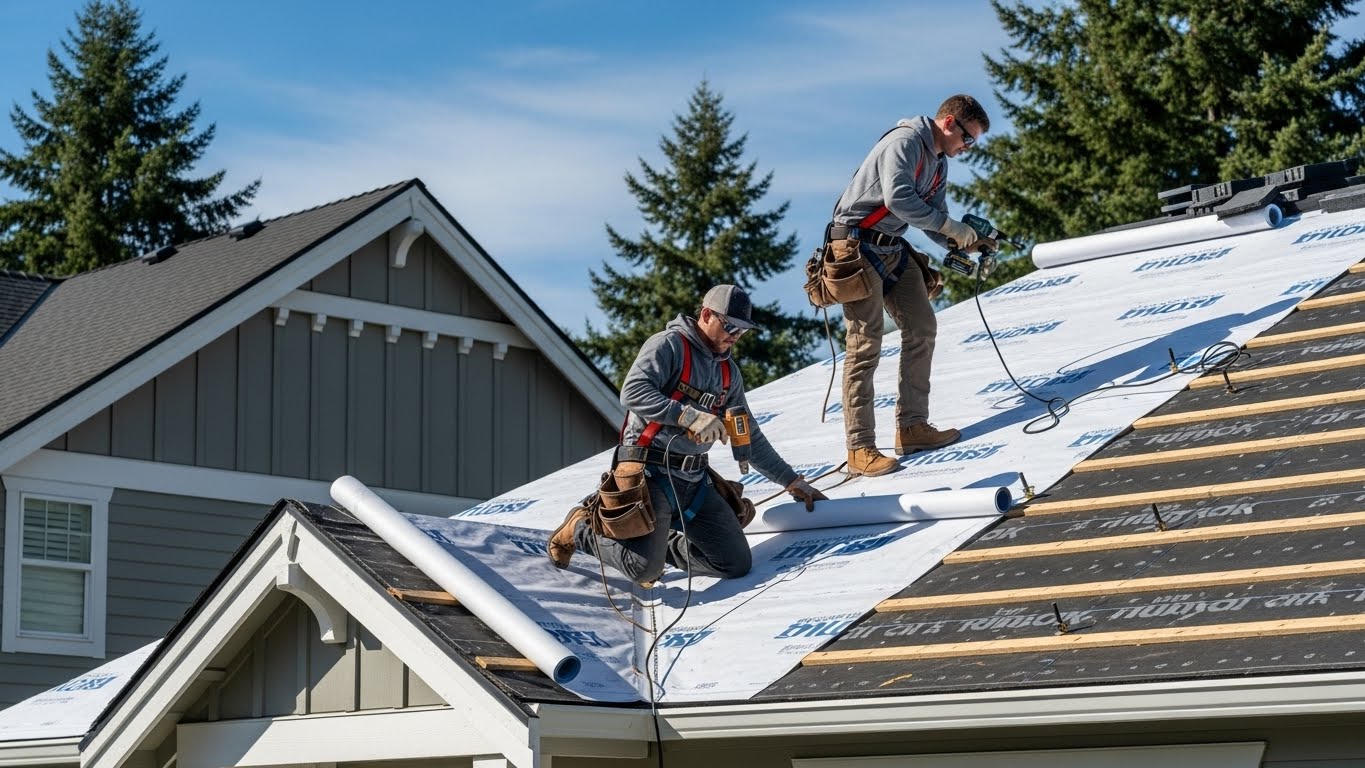
When homeowners bring up the topic of cool roofing in Santa Barbara, the conversation often turns to what influences the final investment. Even without quoting figures, it is helpful to understand the levers that shape a project’s bottom line so you can weigh options confidently. In our coastal city, factors like roof design complexity, access, microclimate, material selection, and code-driven details all play a role. Whether you live on the Mesa with afternoon winds or in a sheltered cul-de-sac in San Roque, the best way to plan a project is to break down these components and see how they interact on your specific home. As a local roofer, I start with performance goals and the realities of the structure, and I anchor recommendations in proven cool roofing assemblies that suit our environment.
Roof geometry and access shape the scope
Two homes can use the same materials yet require very different labor and staging. A simple, straight-gable roof with good driveway access is faster to prepare and cover than a roof with intersecting planes, dormers, and tight side yards. Steeper pitches may call for additional safety setup, while low-slope roofs with parapets demand careful detailing at edges and penetrations. In hillside areas or on narrow streets, moving materials, placing dumpsters, and establishing safe pathways can add time to a project plan. These are not obstacles, just realities we account for during planning so the schedule remains smooth and predictable.
Existing conditions matter as well. If the roof deck is sound and dry, we can focus on the new reflective system. If there are soft spots from past leaks, or if older coverings were layered instead of removed, those issues must be addressed to create a reliable foundation. Taking the time to correct substrate problems safeguards the performance of the cool roof you are investing in.
Material families and system choices
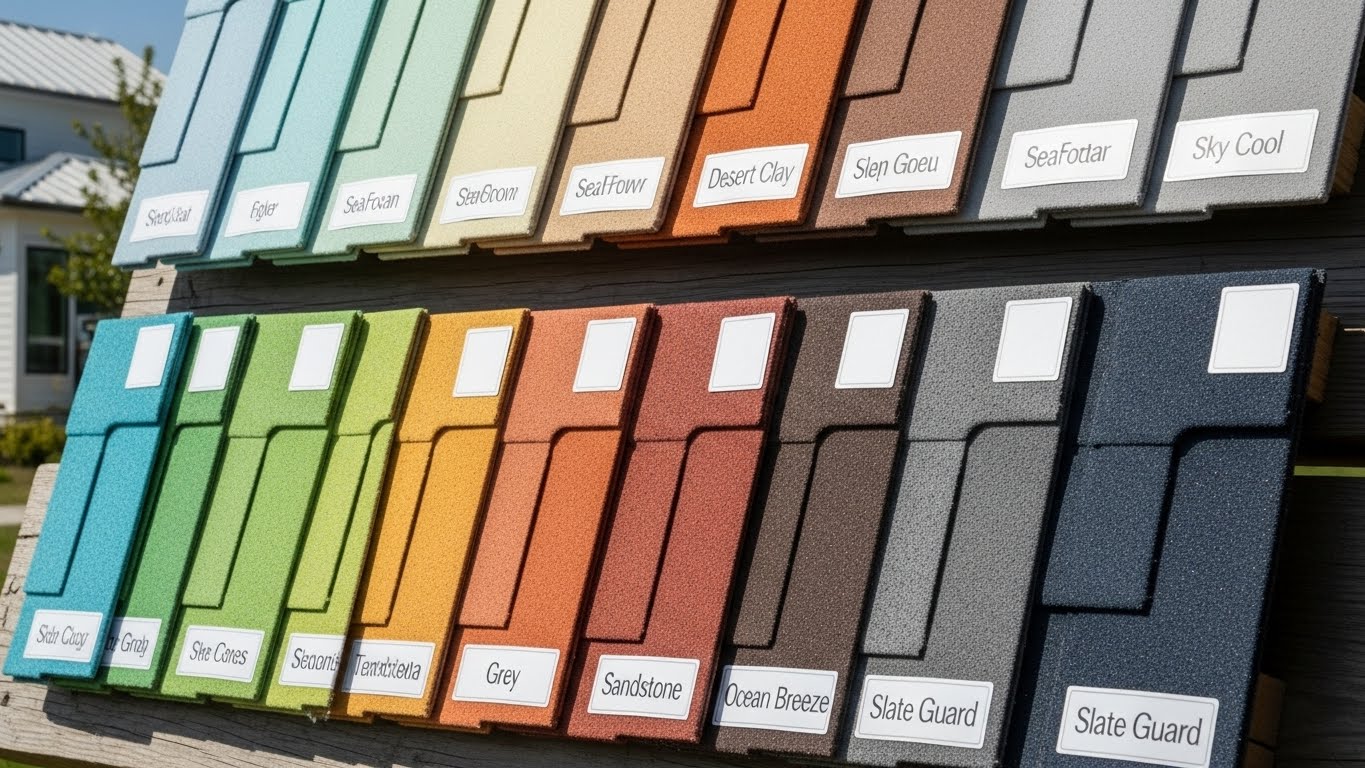
Cool roofing is a category, not a single product. Options range from cool-rated shingles with reflective granules to membranes and coatings designed for low-slope areas. Each family has installation nuances and accessory components that contribute to the whole. For instance, a reflective elastomeric coating system may include reinforcement fabric at seams, primers for specific substrates, and multiple coats to reach a target thickness. A cool shingle assembly will pair the surface product with quality underlayments, ridge ventilation, and corrosion-resistant flashing.
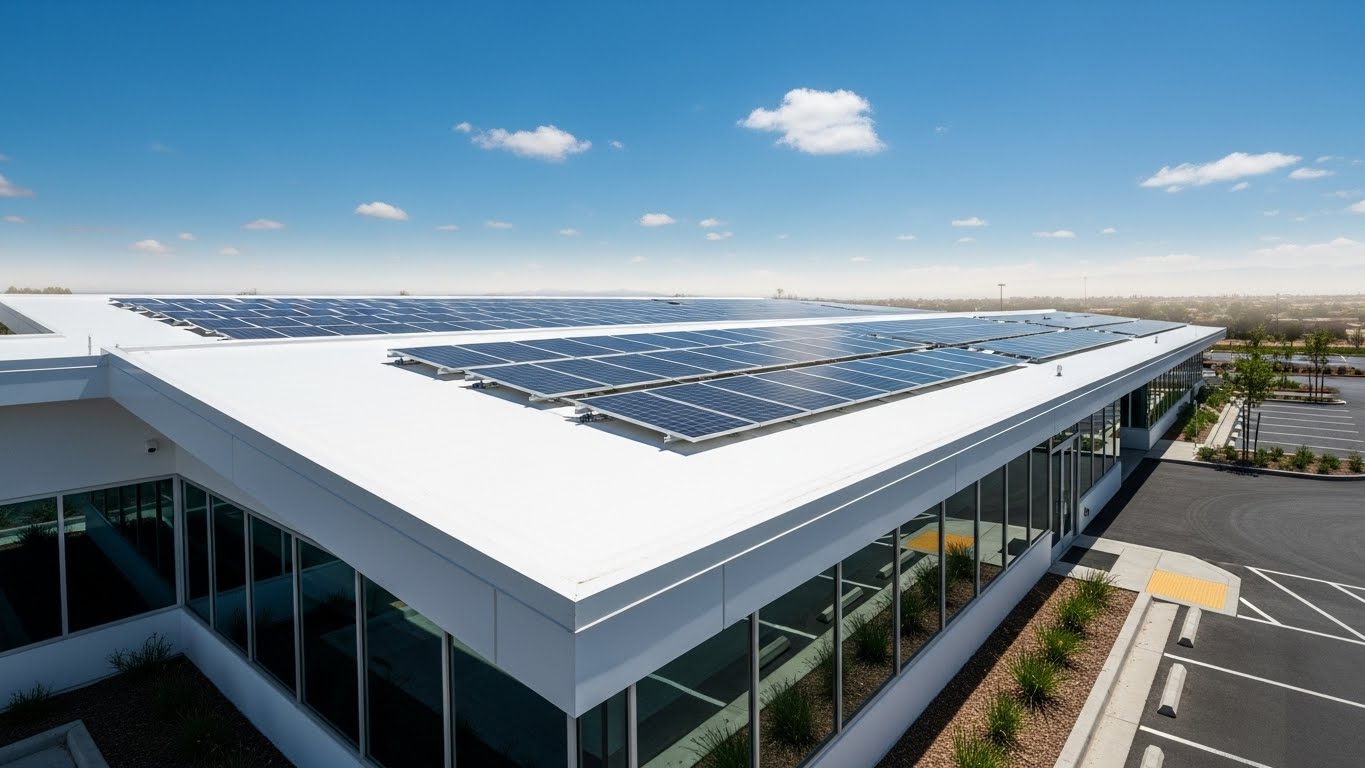
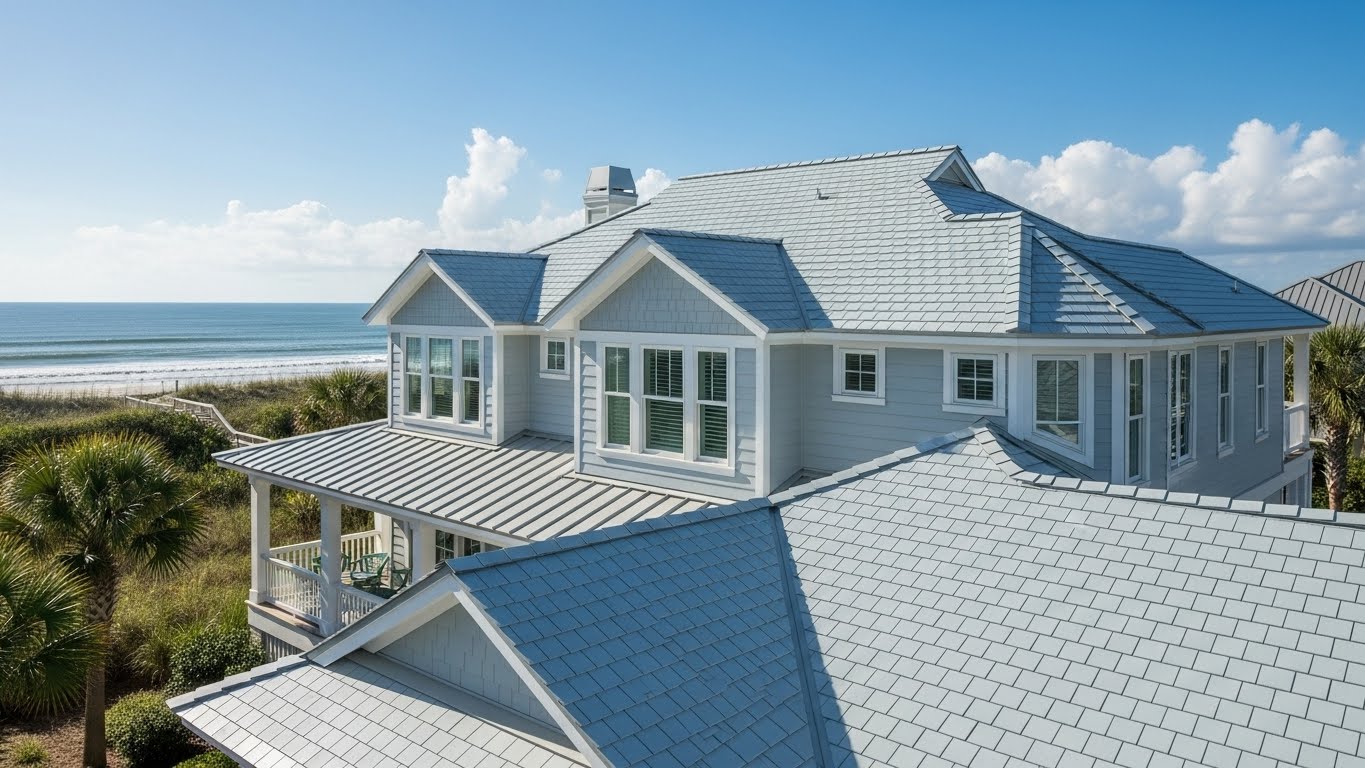
In Santa Barbara’s marine climate, we often select materials for both reflectivity and resilience. Products that hold up to dew, UV, and occasional wind events are prioritized. When owners want to coordinate with solar, we may include mounting details and pathways that support future arrays, which can streamline later work and protect the new roof from unnecessary penetrations.
Code requirements and local best practices
Our region follows energy and fire standards that influence roofing choices. Cool-rated surfaces can help meet energy performance targets, and assemblies must also satisfy fire classification and wind resistance. At skylights, chimneys, and wall transitions, modern flashing details ensure water tightness and durability. Some projects benefit from ventilation improvements—balanced intake and exhaust—so the roof assembly works as a system rather than just a new surface. While these elements add steps, they are part of a long-term, durable installation that performs as expected in our climate.
Permitting is straightforward when documentation is in order. Clear product data, manufacturer specifications, and simple plan notes smooth the path. Homes near historic districts or HOAs may have aesthetic guidelines that factor into the material selection, especially for color and profile. Early coordination keeps the schedule on track and helps avoid mid-project changes.
Timing, weather, and scheduling
Santa Barbara gives us generous weather windows, but the marine layer requires thoughtful timing. Morning fog can linger, so crews plan tear-off and installation to ensure substrates dry and adhesives set properly. During weeks with stronger afternoon breezes, material handling and staging are adjusted to keep jobsites safe and tidy. In late summer and early fall, calmer conditions often allow steady progress with fewer interruptions. Building a schedule around these patterns supports quality and predictability.
Homeowners sometimes ask whether their project can be phased to spread out work. The answer depends on roof geometry and how valleys and ridges divide the structure. Strategic phasing can work well on multifamily buildings and large homes, but each phase must be weather-tight before moving on.
Value over the life of the roof
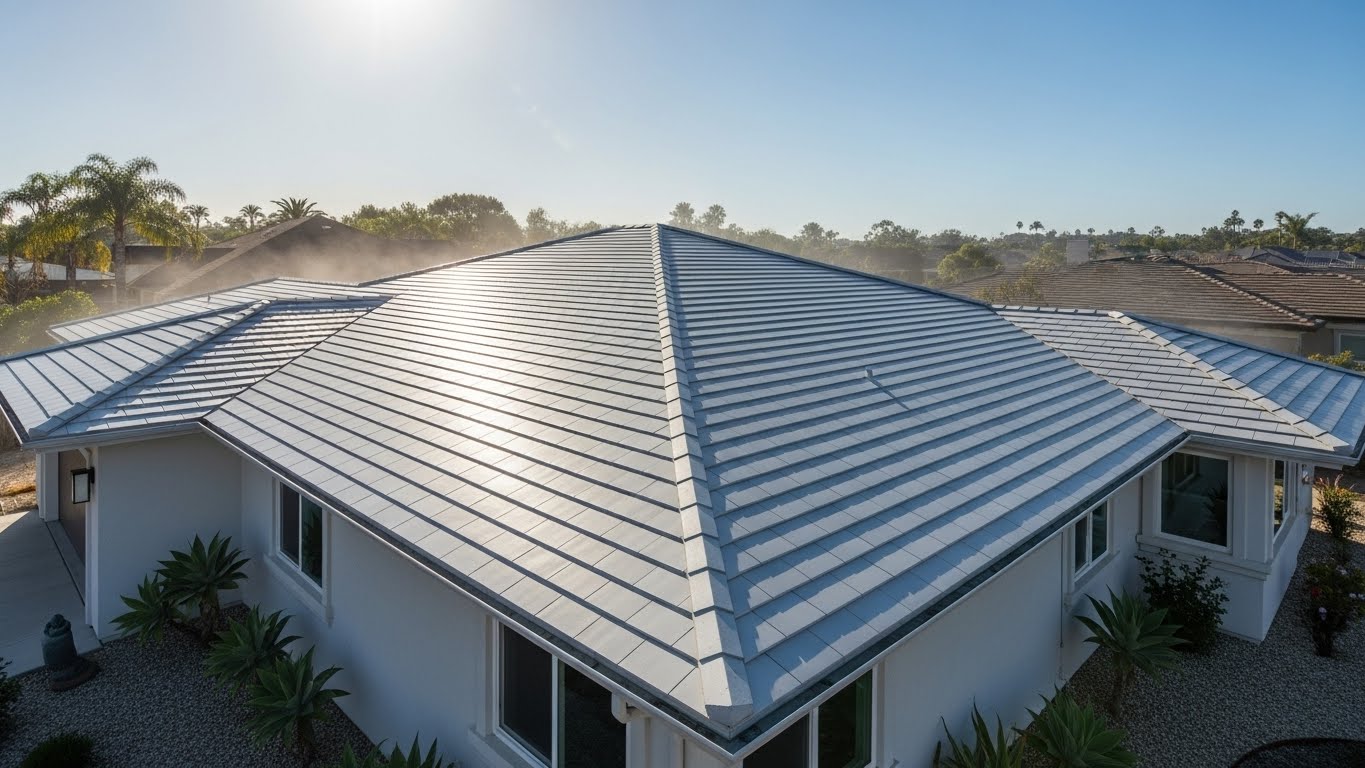
While the upfront investment matters, cool roofing returns value in several ways over time. First, reflective surfaces reduce peak roof temperatures, easing stress on materials and potentially extending the service life of the assembly. Second, indoor comfort improves on bright afternoons, particularly in second-story rooms where heat tends to accumulate. Third, cool surfaces can support adjacent systems—solar panels often perform a bit better over cooler surfaces, and attic ventilation has less heat to move. In our area, where summer days are sunny and evenings cool quickly, these benefits add up to a more stable indoor environment.
Maintenance also fits into the value picture. Coated roofs benefit from periodic cleaning and timely recoats; cool shingles appreciate regular gutter clearing and occasional rinsing. A modest maintenance plan helps preserve reflectivity and keep warranties in good standing. The key is to treat the roof as a system that rewards small, consistent care with steady performance.
Communication with your installer is another piece of the value equation. Before work begins, align on material specifications, flashing standards, ventilation improvements, and any accommodations for future solar or skylight changes. A clear scope reduces surprises and ensures your cool roof delivers what you expect.
Common questions homeowners ask
Q: What factors most strongly influence the final investment? A: Roof complexity, access, substrate condition, material family, flashing details, ventilation upgrades, and scheduling around weather all play significant roles.
Q: How long does a cool roofing project typically take? A: Duration depends on roof size, complexity, and weather. Straightforward single-family projects can move quickly when conditions are favorable, while more intricate roofs or phased work naturally take longer.
Q: Will a cool roof noticeably improve indoor comfort? A: Yes, particularly in rooms directly under the roof plane. Reflective surfaces reduce peak heat, which can make upstairs spaces feel calmer on bright afternoons.
Q: Can I coordinate a reroof with future solar? A: Absolutely. Planning attachment points and pathways during roofing avoids unnecessary penetrations later and supports efficient solar installation.
Q: Is maintenance complicated? A: Not at all. Simple cleaning and periodic inspections preserve reflectivity and catch small issues early. Your installer can outline a schedule tailored to your roof type and exposure.
Plan with a local specialist
If you are evaluating options for your Santa Barbara home and want clarity on scope, materials, and timelines, start with a site visit and a conversation about goals. We will look closely at geometry, access, and microclimate to recommend a path that balances performance and aesthetics. When you are ready to take the next step, connect with a team that installs, maintains, and stands behind cool roofing in our coastal conditions. Thoughtful planning now leads to a resilient, comfortable roof that fits your home and our climate.