In Tarzana, we ask a lot from our commercial roofs. They take the brunt of Valley sun, ride out Santa Ana winds, and then, just when complacency sets in, they handle a burst of winter rain that tests every seam and drain. Preventive maintenance is how you keep that cycle from turning small wear into big disruption. Over years of walking roofs from Ventura Boulevard to quieter industrial pockets, I have learned that the best maintenance plans are simple, consistent, and tailored to the building’s story. If you are ready to move from reactive calls to predictable care, start by aligning with professionals who know local commercial roofing services and can build a plan that fits your site.
Great maintenance begins with understanding what you have. Every roof is a layered system—deck, insulation, cover board, waterproofing, and the details that tie it all together. A baseline assessment documents membrane type, age, slope strategy, drain locations, and penetration count. We look for early tells: chalking on white single-ply, granule loss on modified bitumen, heel marks near equipment, and the faint rings that reveal ponding. With a clear starting snapshot, you can track change over time instead of guessing at each visit.
Seasonal rhythm matters in the Valley. I like a spring visit to measure how heat and expansion are treating seams and edges, and a fall visit to ready the roof for rain. Spring is also a great time to refresh reflectivity with a gentle clean, check for UV wear at south and west exposures, and review sealants that ride along with flashings. In fall, the focus shifts to drains and scuppers, ensuring strainers are intact and low spots are identified for quick corrective action. These visits do not need to be dramatic; they need to be consistent.
Drainage is the quiet hero of maintenance. A clean drain does more good than a tube of sealant ever will. We remove debris, confirm strainers are secure, and verify that water has a clear path through leader lines. Where we see persistent ponding, we plan small improvements: a tapered cricket to move water toward a drain, an adjusted bowl height, or a new overflow scupper to relieve pressure on the system. These measures do not just prevent leaks; they extend the life of the membrane by reducing prolonged immersion and thermal stress.
Foot traffic is both necessary and risky. Rooftops serve as workspaces for HVAC, electrical, and solar technicians. Without guidance, they choose the shortest path, not the safest one for the membrane. Walkway pads placed thoughtfully from access points to equipment clusters protect the waterproofing and signal where to step. We also look at equipment curbs and supports. If condensate lines drip onto the membrane, we reroute to controlled drains or install diffusers to avoid dirty streaks that accelerate UV degradation.
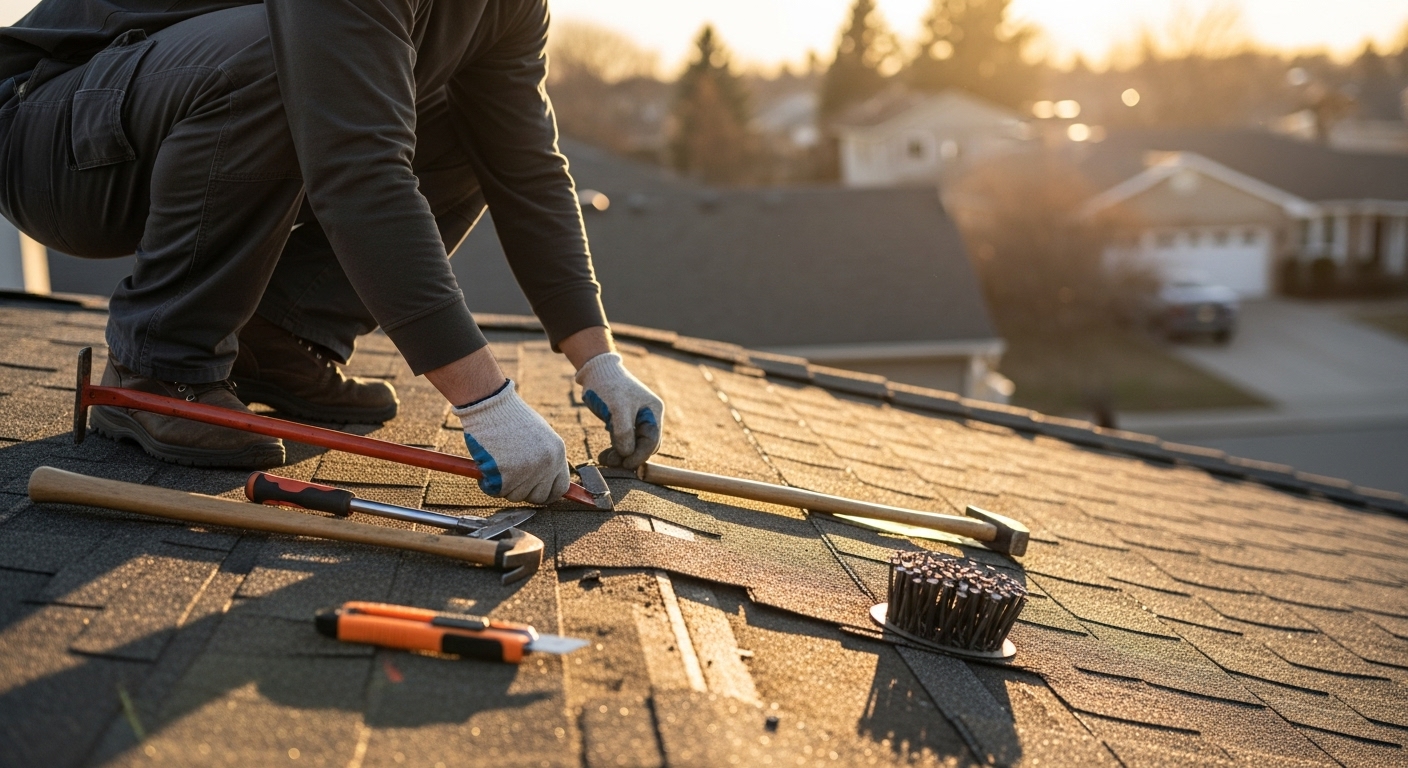
Details make or break long-term performance. Parapet corners, curb transitions, and pipe flashings deserve early attention. We watch for edge metals lifting in the wind, loose coping joints, and stress at inside corners where membranes try to pull back under thermal cycling. Small reinforcements at these stress points—a new corner patch, refreshed counterflashing, or added mechanical fastening beneath edge metal—pay dividends by preventing minor movement from becoming a tear.
Documentation is the backbone of preventive maintenance. Each visit should produce a simple, visual report: photos of key areas, notes on changes since the last cycle, a list of minor corrections performed, and recommendations prioritized by urgency. Over time, this creates a reliable story of the roof’s condition that owners, managers, and insurers appreciate. It also enables trend spotting—when a curb shows repeated stress, we can address vibration or airflow, not just the symptom.
Maintenance and warranties go hand in hand. Most manufacturer warranties expect periodic inspection and prompt attention to emerging issues. We keep an eye on compatibility when making minor fixes so that the roof stays in good standing. Even without warranty considerations, compatibility is just good practice. On single-ply, we use matching primers, tapes, and patches; on modified bitumen, we choose materials that integrate with existing plies and surfacing.
Cleaning is not cosmetic; it is performance-centric. Dirt accumulates fastest near equipment and in wind eddies behind parapets. A gentle wash restores reflectivity on white membranes, lowering surface temperature, which slows aging. Removing organic debris reduces the chance of microbial growth in ponding areas. We avoid aggressive scrubbing that can damage surfaces; instead, we combine soft-bristle tools with compatible cleaners and copious rinsing, keeping runoff out of sensitive areas below.
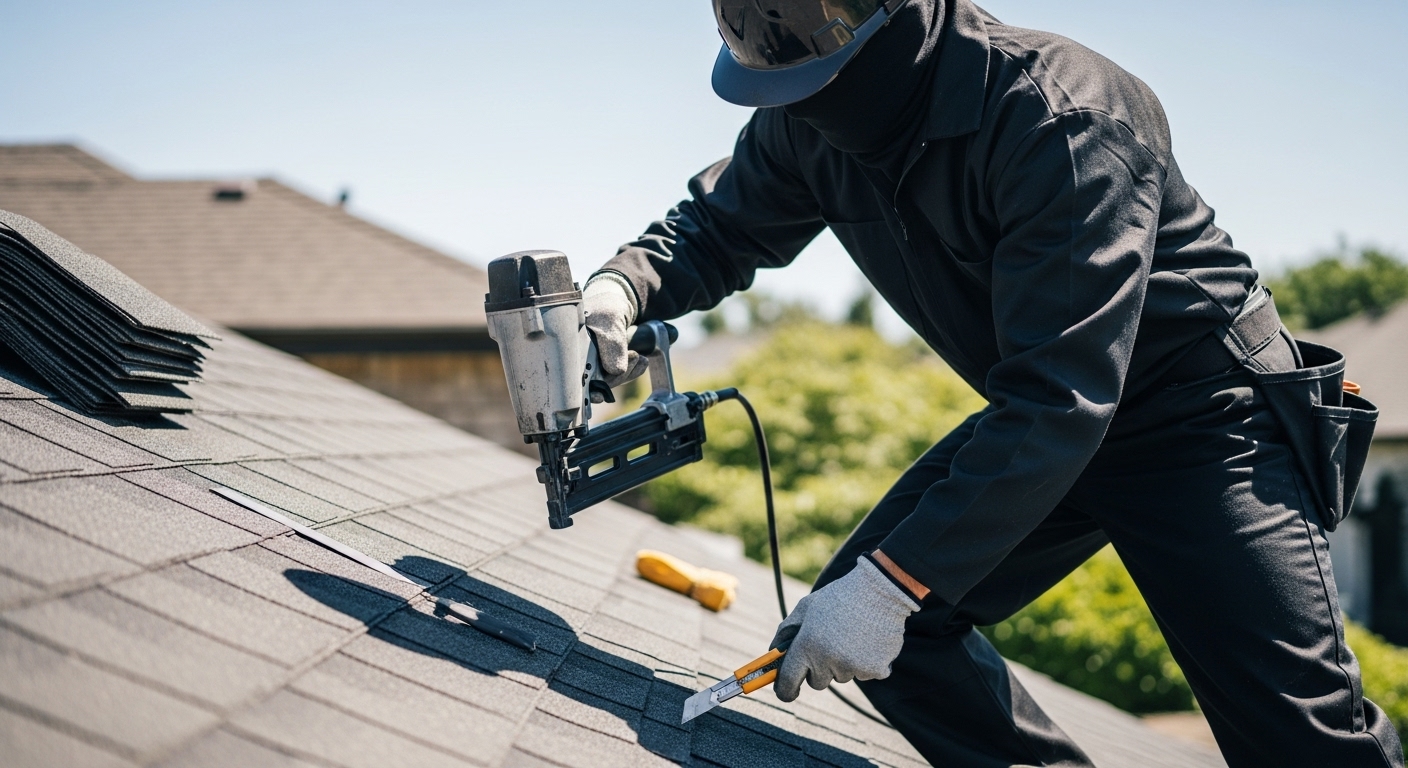
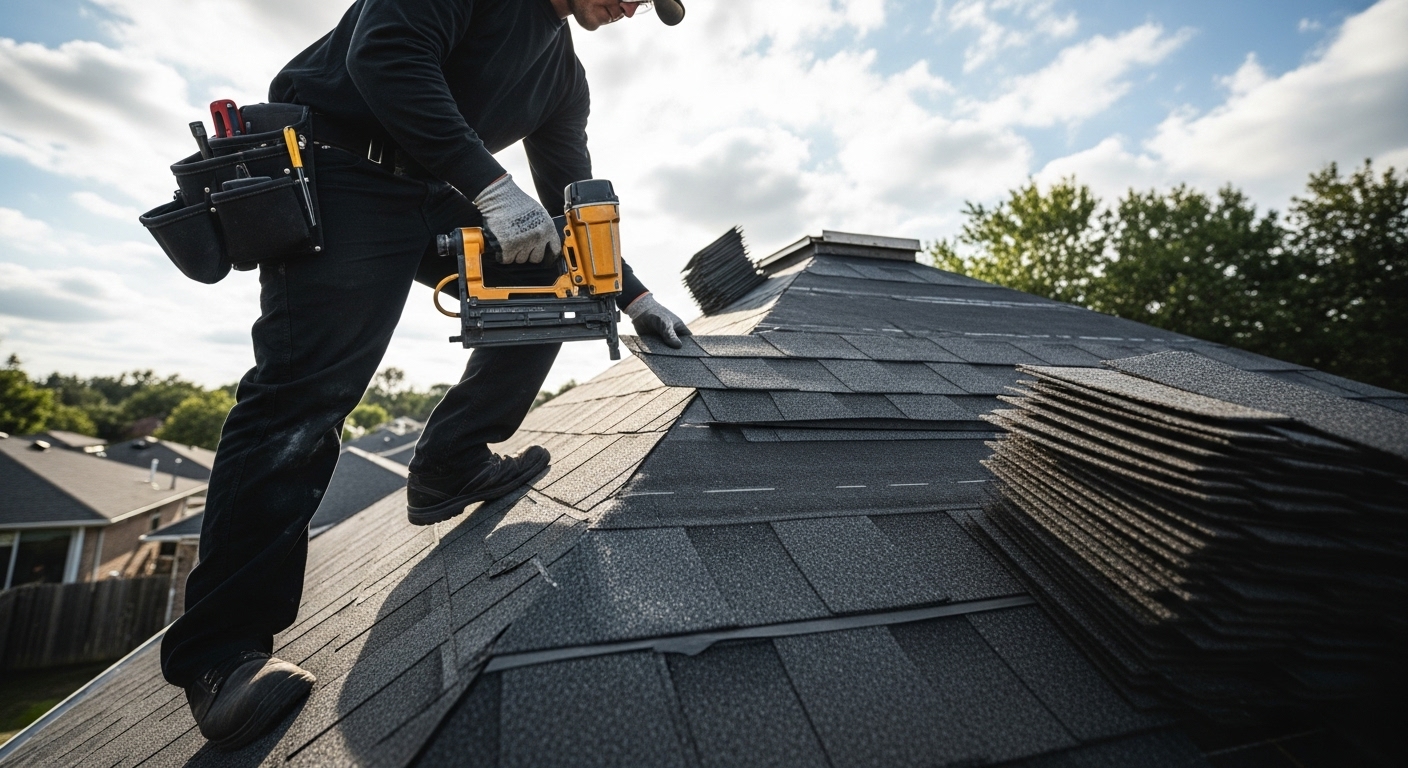
Small upgrades amplify maintenance benefits. If an aging roof sees frequent technicians, adding extra walkway pads, guard strips around penetrations, and rub strips where ladders land can cut incidental damage. Where wind exposure is pronounced, upgrading perimeter metals or increasing fastening density during a maintenance visit improves resilience with minimal disruption. These tweaks are modest compared to a reroof but meaningful in how they stabilize performance.
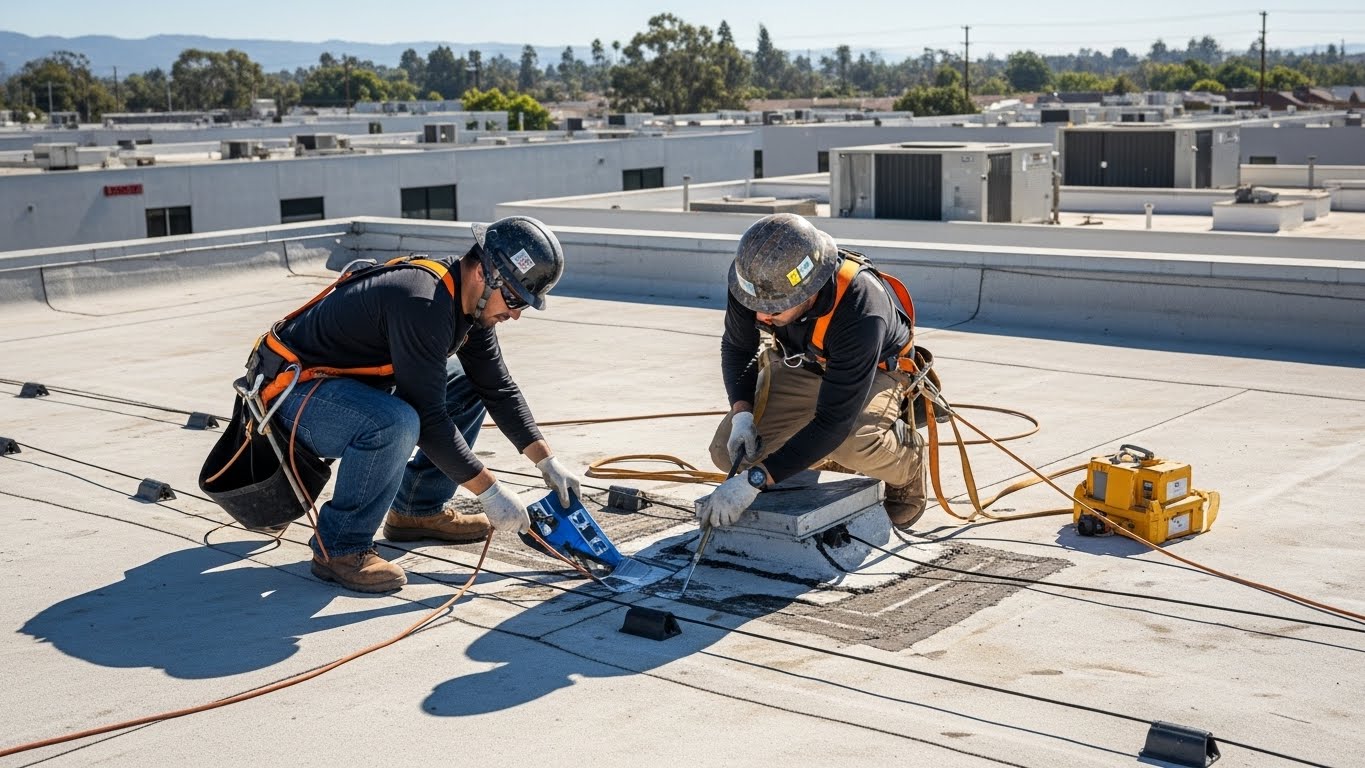
Safety planning rounds out the program. Clearly marked access points, posted roof maps, and consistent tie-off procedures protect everyone who steps onto the roof. Training on how to re-seat a drain strainer, avoid dragging tools, and report observed issues turns every visitor into an ally. I like to leave simple reminders near hatches to reinforce good habits.
Finally, a good maintenance plan knows when to escalate. If we see widespread moisture under the membrane, brittle surfaces across large areas, or recurring ponding that resists small corrections, we shift from tune-ups to a strategic plan for restoration or replacement. This is not failure; it is the system doing its job—alerting you in time to plan a controlled project rather than a crisis response.
Frequently Asked Questions
Q: How often should a commercial roof be inspected in Tarzana?
A: Twice a year—spring and fall—covers seasonal stresses, with additional checks after major wind or rain events. Buildings with heavy rooftop traffic or complex equipment benefit from quarterly walkthroughs.
Q: What are the most important maintenance tasks?
A: Keep drains and scuppers clear, monitor parapet and curb details, and protect high-traffic routes with walk pads. Small, consistent actions prevent most emergencies.
Q: Can maintenance extend the life of an older roof substantially?
A: Yes, when the roof is fundamentally sound. Regular cleaning, timely patches, and minor upgrades at edges and penetrations slow aging and prevent failures that force premature replacement.
Q: Do minor repairs affect my roof’s warranty?
A: When performed with compatible materials and approved methods, minor repairs typically preserve warranty standing. Keep records of work performed, including photos and product details.
Q: Should we coat an aging roof as part of maintenance?
A: Coatings can be valuable on dry, stable roofs to refresh reflectivity and add protection. They are not a fix for trapped moisture or structural slope issues, so diagnostics should lead the decision.
Q: How do we handle rooftop access for third-party vendors?
A: Provide a roof map, designate walk paths, and require basic roof etiquette training. Simple controls—like protective mats where tools are set—reduce accidental damage.
Q: What signs suggest it is time to move beyond maintenance to a larger project?
A: Widespread brittle membrane, repeated leaks in new locations, persistent ponding after small corrections, and moisture detected across multiple test cuts signal that restoration or replacement planning is wise.
Keep Your Roof a Step Ahead
If you are ready to put your roof on a predictable path, we can design a maintenance plan that fits your building, documents its condition, and steadily improves resilience. From seasonal cleanings to focused detail upgrades, our approach keeps disruptions down and performance up. When you want a partner who treats your roof like the asset it is, connect with local commercial roofing professionals who know Tarzana’s climate and building stock inside out. Let’s schedule that first visit and set your roof up for a strong year.