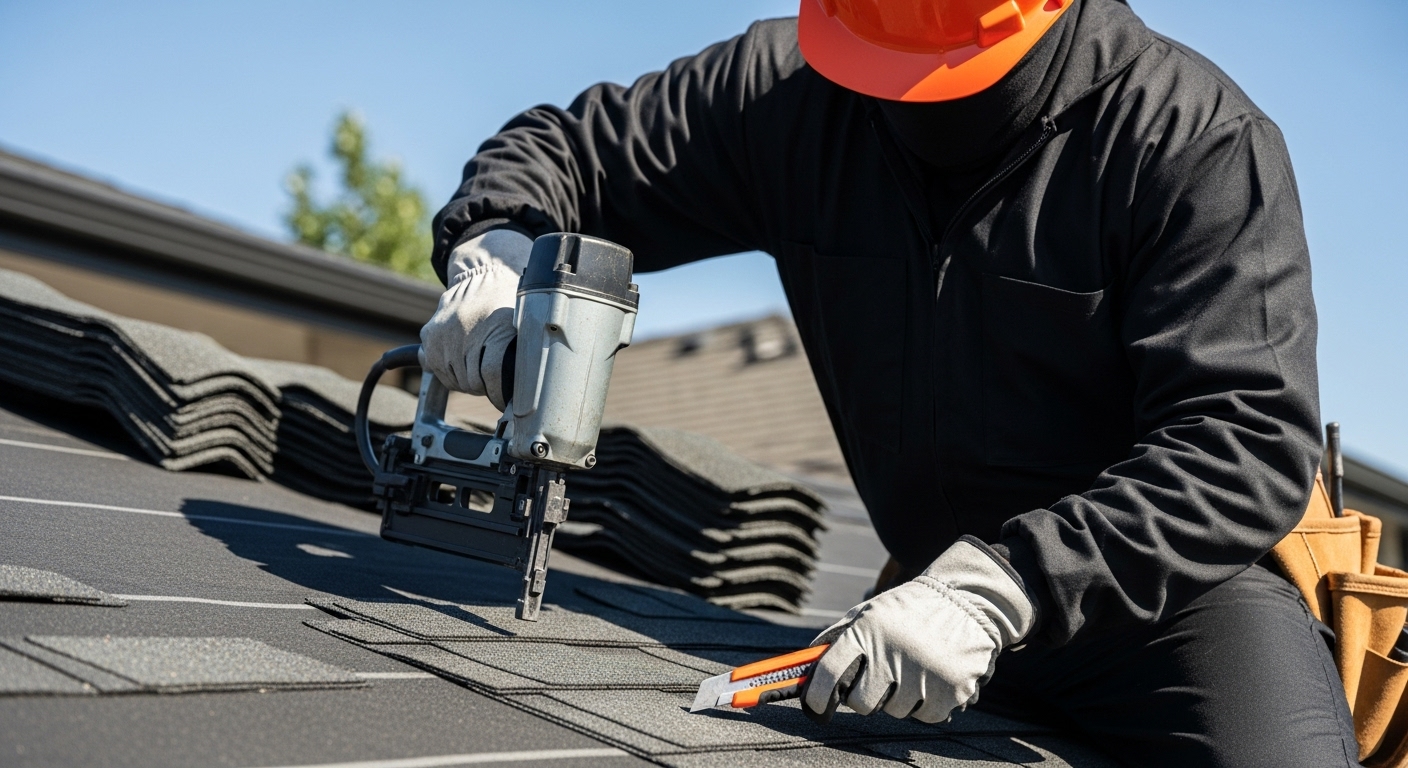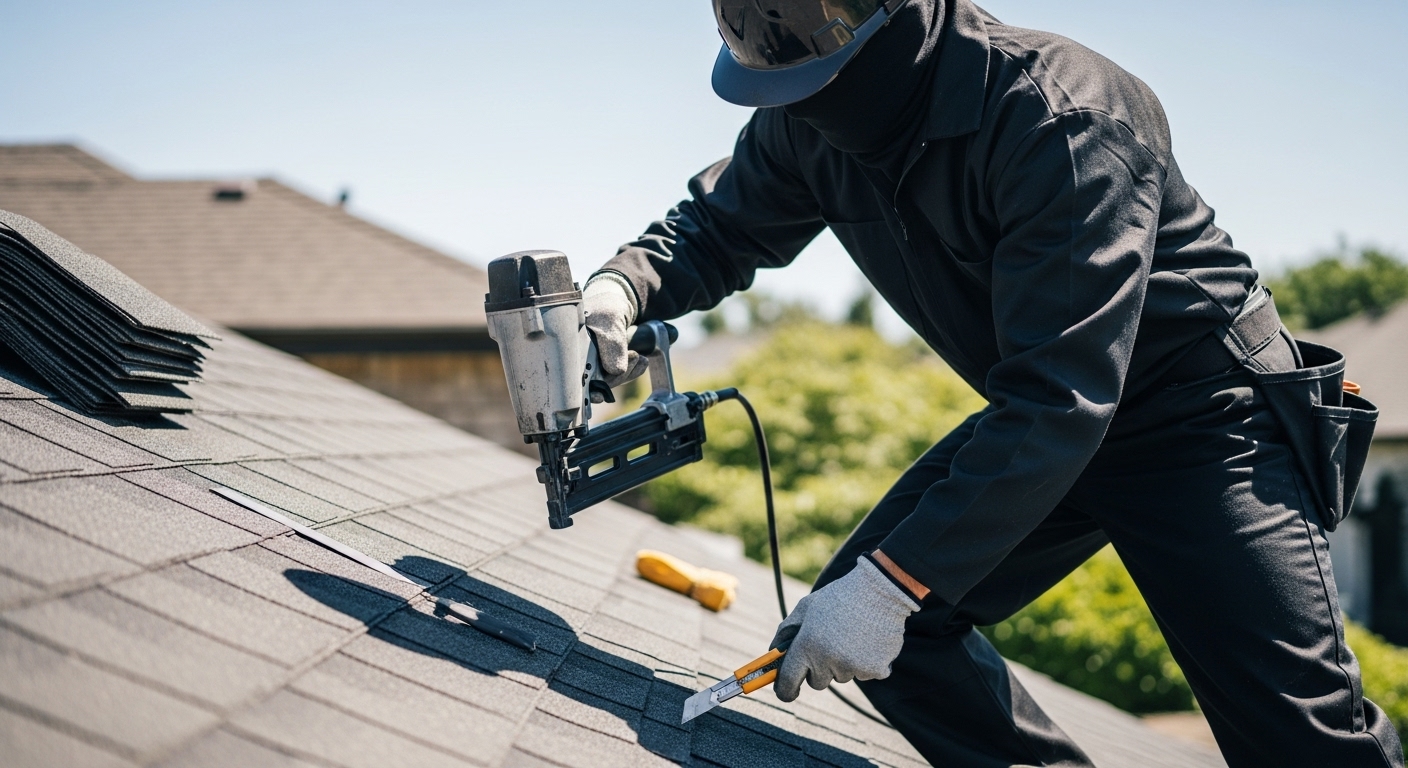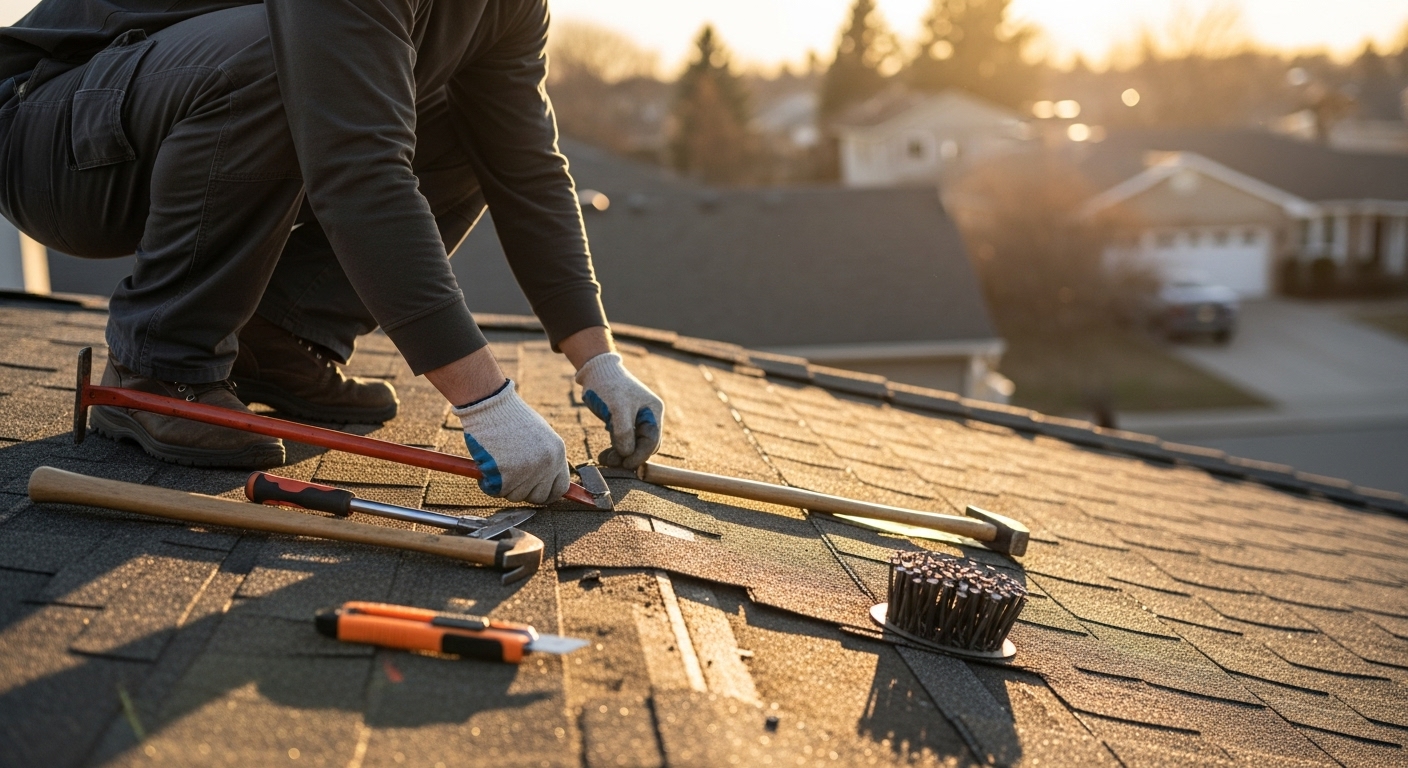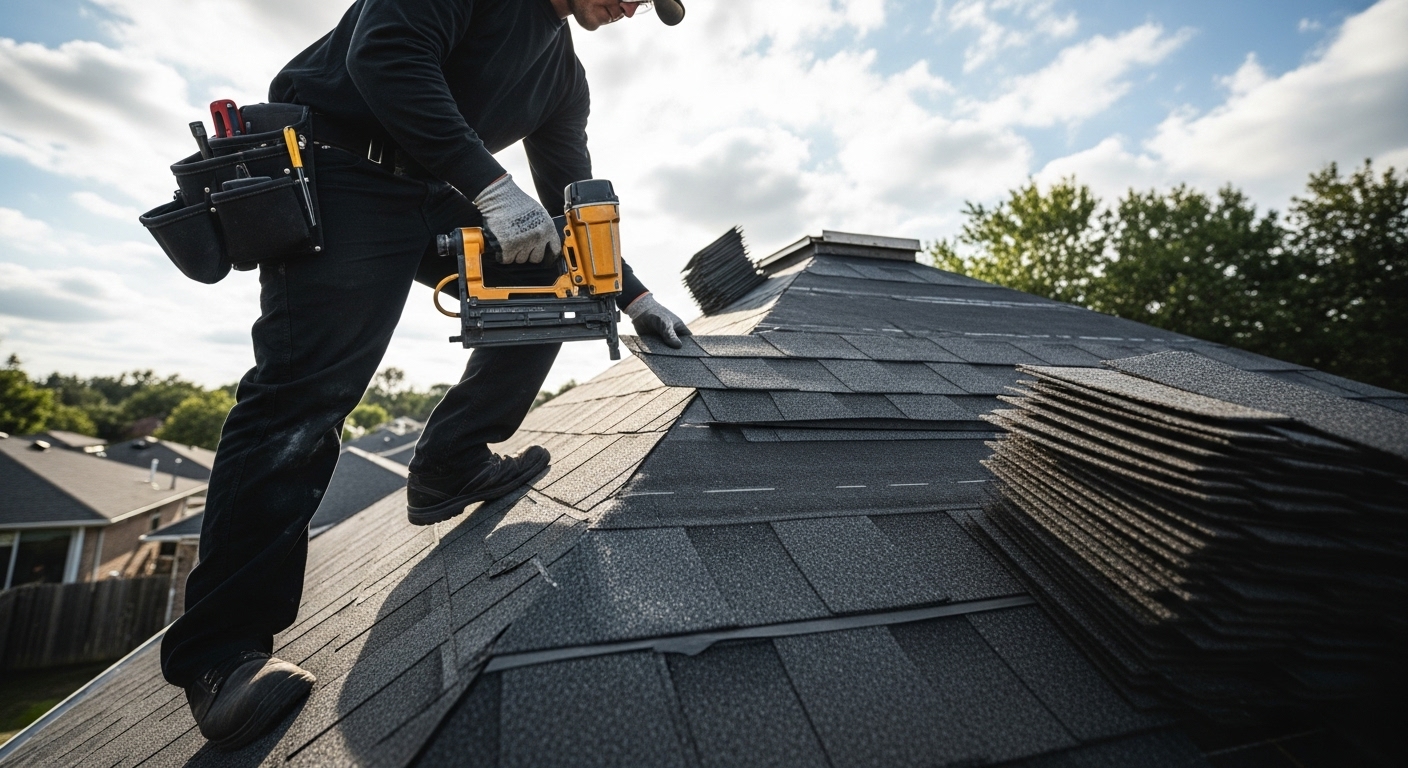
When neighbors in Woodland Hills start asking about steel metal roofing cost, they are really asking a deeper question: what will it take to get a durable, cool, and fire-resilient roof that stands up to Valley heat, Santa Ana winds, and the occasional winter storm? After years of watching roofs perform from Ventura Boulevard up into the hills by Mulholland, I’ve learned that cost is a reflection of design decisions, site conditions, code requirements, and long-term goals—far more than a single number. If you are considering upgrading to metal roofing, looking at the total picture will help you make a confident choice that fits your home and timeline.
Why Woodland Hills Homes Benefit From Steel
Before we unpack cost drivers, it helps to understand why steel is such a strong fit for our part of the San Fernando Valley. Woodland Hills lives at the intersection of intense solar exposure, seasonal temperature swings, and canyon-driven winds. Steel roofing, with modern coatings and smart underlayments, reflects heat better than many traditional materials, resists ember ignition in wildfire-prone seasons, and stands firm against gusts funneled through the passes. That means you’re investing not just in a roof, but in predictable performance under local conditions that punish lesser assemblies.
What Really Drives the Total Investment
Every home is a unique combination of roof geometry, attic ventilation, insulation, and exterior detailing. That is why talking about cost without context leads to confusion. The total you invest is shaped by the roof’s slope and shape, how many hips, valleys, and penetrations must be addressed, the choice of panel profile, the quality of coatings, and how the system is fastened. Add in local building code requirements, the condition of the existing deck, and whether you are integrating solar now or planning for it later, and you begin to see the layers that guide decisions. A thoughtful walkthrough always reveals where smart choices yield the most value.
Roof Geometry, Access, and Site Conditions
Roofs in Woodland Hills vary from classic ranches with long low slopes to contemporary rebuilds with complex intersecting planes. A straight gable with few penetrations installs more efficiently than a roof broken up by skylights, dormers, and multiple valleys. Safe access also matters. Tight side yards, steep driveways, and mature landscaping influence staging. Crane access for panels or a need to hand-carry materials along a winding path can change the plan. These practical realities are not glamorous, but they directly affect labor planning, sequencing, and the number of days your project will be active.
Deck Condition and Preparation
Steel wants a solid, smooth, and dry substrate. The existing deck might be in excellent shape, or it may show age-related concerns—warped sheathing, moisture staining near old vents, or fastener pull-through along eaves. In Woodland Hills, older homes sometimes reveal patchwork from past repairs or additions. Addressing deck irregularities, replacing compromised sheathing, and ensuring consistent nailing patterns improves finished appearance and long-term performance. Good preparation also supports code-compliant fastening schedules, which matters in high-wind events common to the Valley’s seasonal weather shifts.
Underlayment, Ventilation, and Moisture Management
A steel roof is only as resilient as the layers beneath it. Synthetic underlayments formulated for high temperatures retain integrity during hot summers, and self-adhered membranes in valleys and eaves add protection where water wants to linger. Attic airflow is equally important. Proper intake at the eaves and balanced exhaust at the ridge keep the roof deck cooler and dry year-round. In Woodland Hills, where daytime heat and nighttime cool-down can be dramatic, a well-ventilated assembly limits condensation risk while reducing thermal stress on materials. These behind-the-scenes choices are less visible than panels and colors, but they’re vital to the system’s lifespan.
Panel Profile: Standing Seam vs. Ribbed Steel
Profile selection shapes both your home’s look and installation approach. Standing seam panels, with concealed fasteners and tall vertical ribs, deliver clean lines and powerful weathering. Ribbed or corrugated panels with exposed fasteners provide a traditional profile and can suit certain architectural styles. Each approach has different accessory kits, trim details, and fastening systems, which in turn influence labor time and the number of specialty components. Woodland Hills homes that lean modern often gravitate to standing seam for its crisp aesthetic, while ranch and farmhouse styles can wear ribbed panels beautifully. Matching profile to architecture and performance expectations is a key early decision.
Steel Thickness, Substrates, and Coatings
Steel panels come in different thicknesses and base protections, such as galvanized or aluminum-zinc alloy substrates. Thicker panels add rigidity and reduce oil-canning on broad, sunlit exposures—an advantage in our bright climate. Coatings matter as much as base metal. High-performance finishes with infrared-reflective pigments help manage rooftop temperatures and color stability. In Woodland Hills, choosing a finish rated for high reflectance and good emissivity supports cooler attic temperatures and can contribute to compliance with local energy codes. While the eye sees color, performance is in the chemistry.
Color and Heat Management
Color selection does more than set the tone for curb appeal; it shapes the thermal behavior of your roof. Lighter, high-SRI colors deflect more solar energy, reducing heat gain into the attic. Darker colors can be attractive on contemporary homes and still perform well if you choose advanced coatings designed to reflect infrared wavelengths even in deeper hues. Discuss how each color performs in full sun, and consider your home’s orientation. South- and west-facing planes soak up afternoon heat in Woodland Hills; a reflective finish there can be felt inside on summer afternoons.
Fastening Method and Thermal Movement
Steel expands and contracts with temperature swings, and we have plenty of those. Panel systems accommodate this through clips, slotted fastener holes, and appropriate panel lengths. Mechanically seamed standing seam systems are superb on low slopes and in wind-prone zones, while snap-lock profiles can be ideal for steeper, residential applications. Exposed fastener systems require careful screw placement and high-quality fasteners with long-life washers. Getting this engineering right is not just a best practice; it preserves the roof’s integrity across seasons and protects against the rattles and squeaks that some people mistakenly associate with metal.
Integration With Gutters, Skylights, and Solar
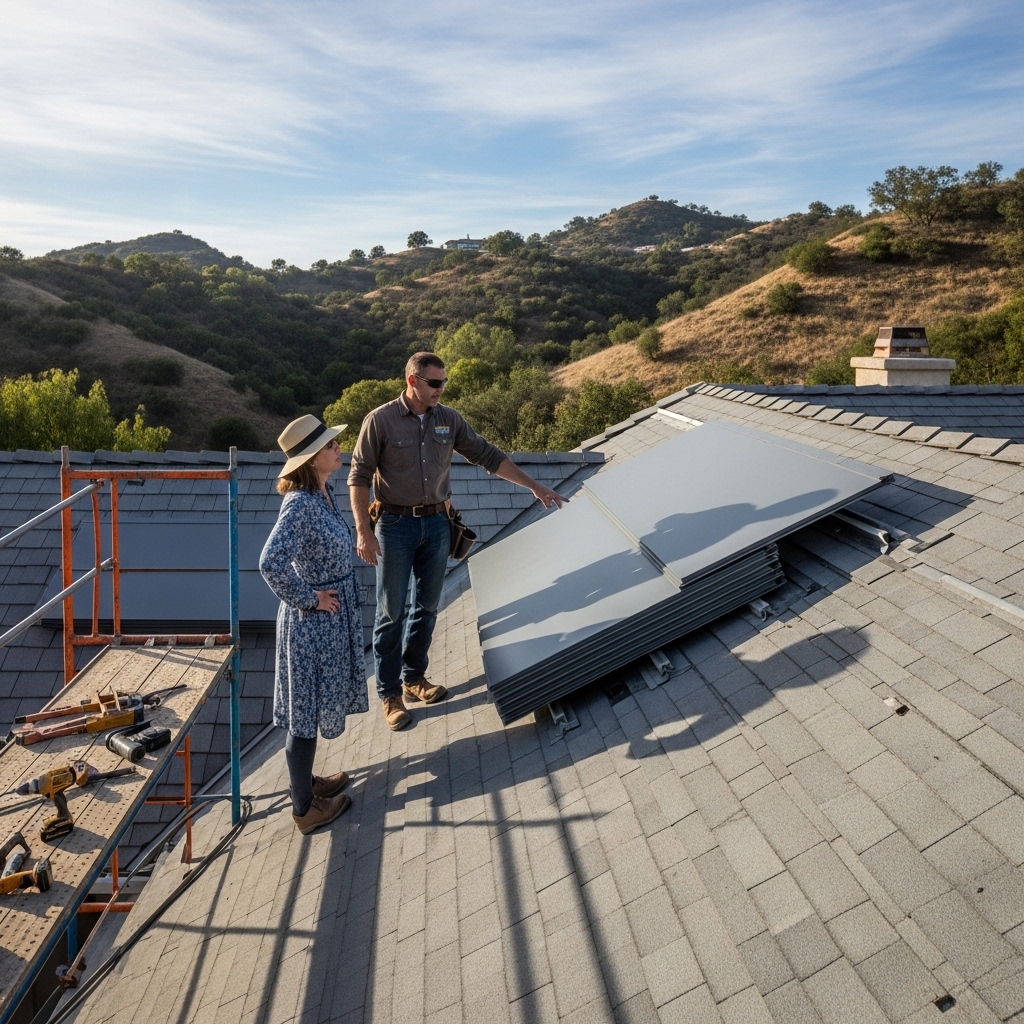
Details at edges and penetrations quietly determine whether a roof stays tight over decades. Eave and gable trims manage water cleanly into gutters, and custom flashings at skylights and vents protect your most vulnerable points. Many Woodland Hills homeowners are also considering solar, either now or in the future. Planning for rail attachments, wire penetrations, and service clearances up front avoids disruptions later. Steel roofs pair beautifully with solar when the attachment points are designed as part of the roofing system, not as an afterthought.
Permitting, Inspections, and Local Codes
In Los Angeles County and the City of Los Angeles, codes reflect both energy goals and fire safety realities. Cool roof requirements, underlayment specifications, and ventilation standards guide roofing assemblies. Expect plan review and inspections along the way. An experienced local crew understands how to present documentation and meet inspectors’ expectations, which keeps your project moving. These steps protect you and your home, and they also ensure the roof performs the way it was designed to under Woodland Hills conditions.
Scheduling, Seasonality, and Project Duration
Our microclimate allows year-round work, but summer heat and fall winds shape the daily rhythm. Savvy crews start earlier during heat waves and secure materials meticulously during windy spells. Project duration is affected by roof complexity, material lead times, and coordination with other trades, such as electricians for solar-ready pathways. Communicating clearly about access, pets, and parking goes a long way toward a smooth job, especially on hillside properties or cul-de-sacs where staging is limited.
Long-Term Value: Energy, Longevity, and Resale
Thinking beyond day one changes how you evaluate steel roofing. High-reflectance finishes, robust substrates, and careful ventilation can lower summertime attic temperatures, which supports more consistent indoor comfort. The inherent fire resistance of steel addresses a serious local risk, which many buyers in Woodland Hills value highly. A roof that looks sharp and requires minimal upkeep enhances curb appeal, and the perception of durability can be a quiet advantage when it’s time to sell. These value streams are harder to quantify than a line-item estimate, but they are real and persistent over the life of the roof.
If you are comparing assemblies, talk through the finish chemistry, the underlayment type, and the fastening approach as carefully as you discuss the panel profile. A well-matched system for Woodland Hills often combines reflective coatings with a vented assembly and carefully detailed flashings. Mid-project, this is where the craft shows, and it is also where you feel the difference years down the road during August heat or a blustery winter front.
How to Compare Bids Without Getting Lost
When estimates arrive, look for clarity and completeness. Are panel gauge, substrate, and finish specified? Is the underlayment identified, along with where self-adhered membranes will be used? Do details call out ridge ventilation, eave protection, and flashing materials at skylights and walls? Are accessories like snow guards (for mountain-adjacent homes), gutter interfaces, and attic ventilation upgrades addressed directly? Two proposals can look similar at a glance but differ substantially in these particulars. A transparent scope makes it easier to compare apples to apples and focus your investment where it counts.
Middle-of-Project Choices That Matter
Even with a clear plan, there are moments during installation when small adjustments pay dividends. Shifting a ridge vent location to align with an attic partition, upsizing intake at soffits, or revising a skylight flashing detail after removing old layers can improve performance. It is also a smart time to coordinate future solar attachment points and verify that conduit paths won’t compromise weatherproofing. Working with a contractor who is comfortable discussing these details on site ensures the roof you imagined is the roof you get. It’s also a good time to revisit options like reflective color selections if lead times change. In the thick of the process, seasoned crews keep quality and communication in lockstep, keeping your home protected and tidy while they work.
Homeowners often ask where the biggest value jump occurs. In our climate, finish quality and attic ventilation routinely deliver outsized benefits. Investing in a coating engineered to reflect heat and resist color fade is something you’ll appreciate every day of summer. Pair that with a balanced intake and exhaust path and a continuous thermal break where appropriate, and the assembly stays cooler, quieter, and drier. If you’re weighing options at this stage, it can help to revisit your goals and ask how each choice supports them. This is also a great time to explore local examples of metal roofing that have weathered several seasons, so you can see finishes and profiles in real sunlight rather than under showroom lights.
Maintenance and Peace of Mind
One of steel’s quiet strengths is how straightforward maintenance can be when the system is built correctly. Seasonal cleaning of gutters, a periodic rinse to remove dust and pollen, and a quick visual check of trims and penetrations usually suffice. In exposed fastener systems, a scheduled review of screws after the first couple of seasonal cycles can confirm everything is seated. Standing seam systems generally ask for even less, aside from routine housekeeping. The payoff is more time enjoying your home and less time scheduling repairs.
Frequently Asked Questions
How does Woodland Hills heat influence steel roof performance?
High solar exposure and hot, dry summers demand reflective coatings, proper ventilation, and underlayments designed for elevated temperatures. When these elements work together, the roof stays cooler, components last longer, and interior comfort improves during peak heat.
Will a steel roof be noisy during rain or wind?
Noise is usually a function of assembly, not the metal itself. A solid deck, high-quality underlayment, and attic insulation absorb sound. Proper fastening eliminates rattles. Most homeowners are surprised by how quiet a well-built steel roof is, even in wind events.
Is steel appropriate near wildfire-prone zones?
Yes. Steel roofing offers excellent ember resistance and, when combined with noncombustible trims and screened vents, supports a resilient building envelope. Many Woodland Hills homeowners choose steel specifically for this advantage.
Can I install solar on a steel roof?
Absolutely. Planning attachment points and conduit penetrations at the design stage streamlines future solar installation. Standing seam roofs often accept clamp-on attachments without penetrating panels, while other profiles use engineered brackets and flashings.
What about color fade in our intense sun?
Premium finishes with advanced pigments resist UV degradation and color shift. Selecting coatings rated for high reflectance and gloss retention helps the roof keep its look over years of Valley sunshine.
Do I need to replace gutters with a new steel roof?
Not always. Many gutters can remain if they are in good condition and properly sized. However, aligning new eave trims and ensuring clean water handoff may warrant upgrades or adjustments, especially if existing gutters are undersized for intense downpours.
How long will the installation take?
Timeline depends on roof complexity, access, and coordination with inspections. Straightforward homes move quickly, while intricate roofs or those requiring deck repairs take longer. Good planning and clear communication keep the schedule predictable.
When you are ready to talk specifics for your home—from panel profile and color to ventilation and solar readiness—reach out to a local team that understands the rhythm of Woodland Hills projects. If you want a durable, energy-smart upgrade that complements your architecture and handles our climate with ease, explore your options in metal roofing and schedule a site visit to map out the best path forward.