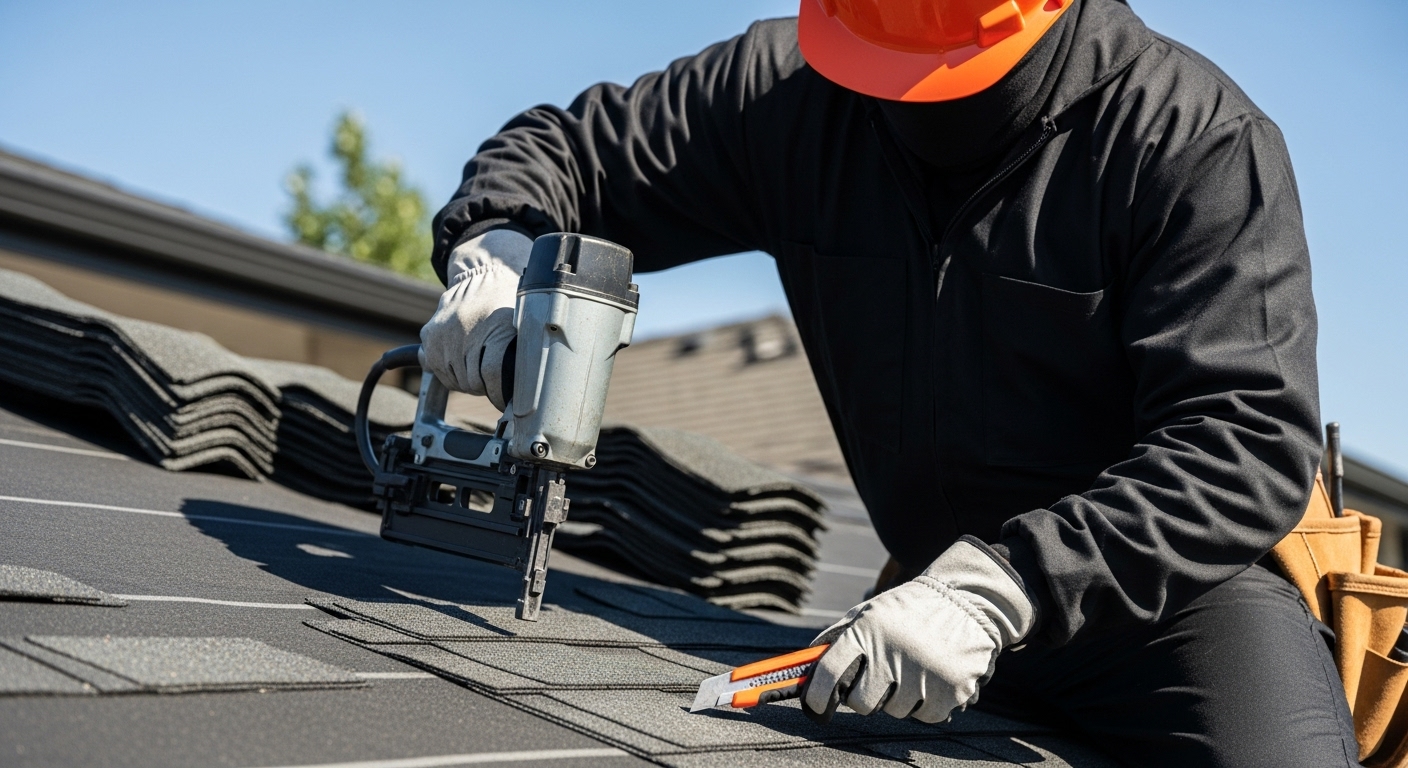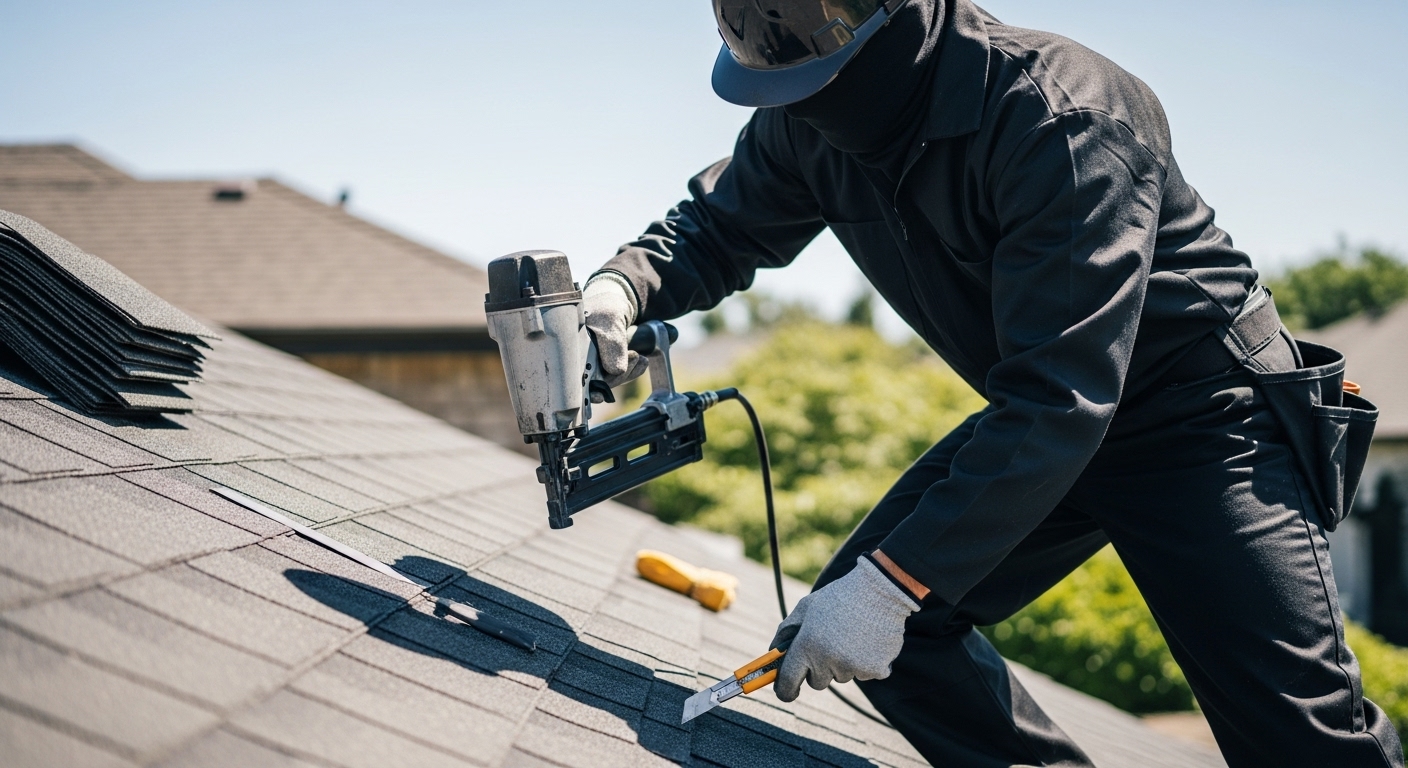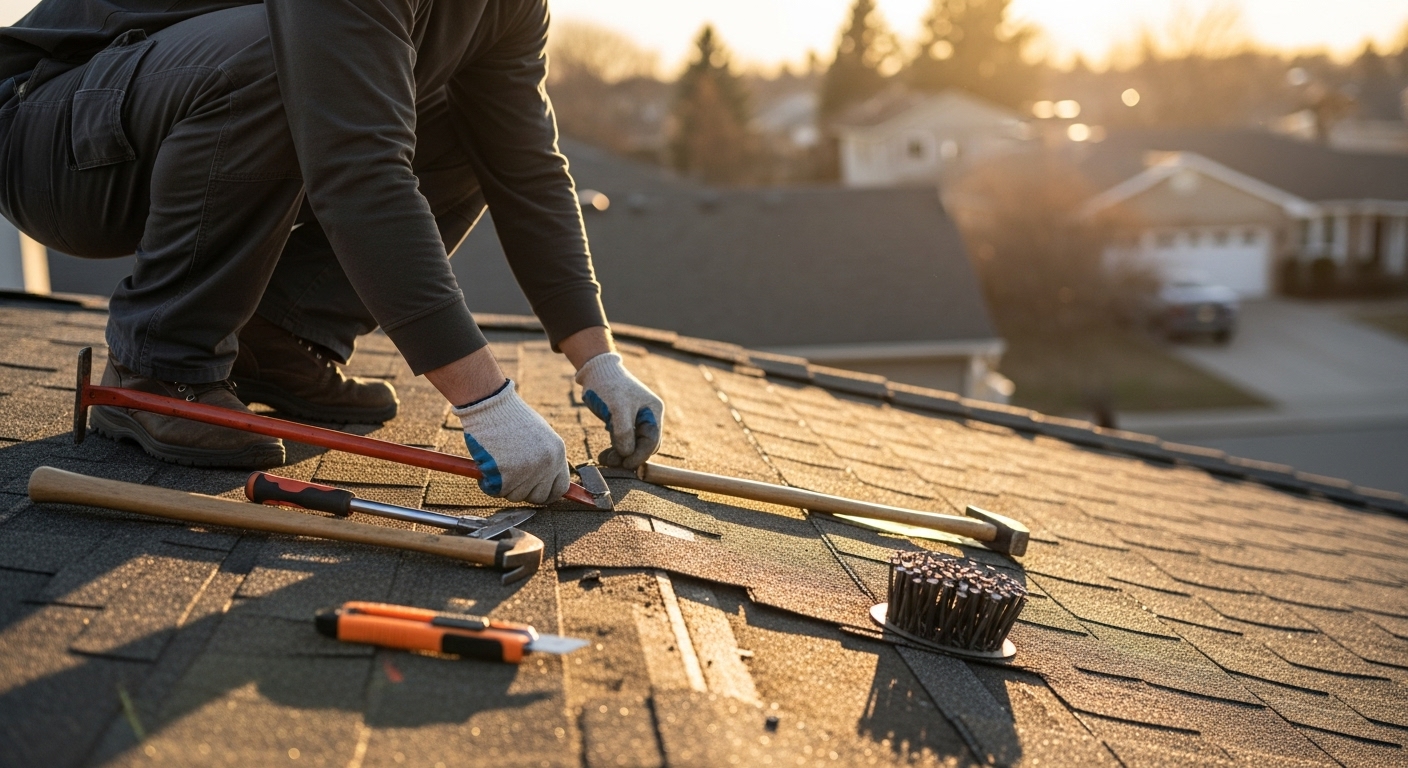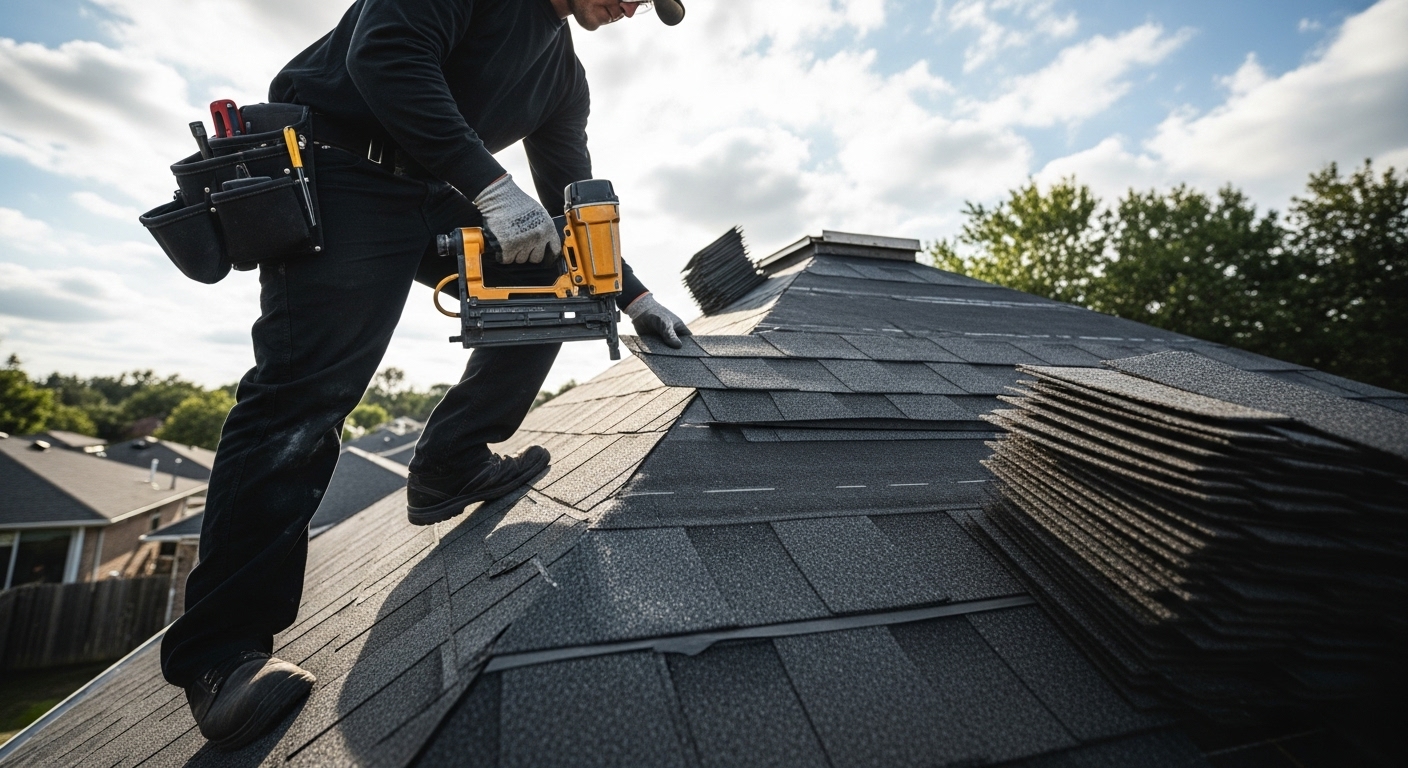
When neighbors in Tarzana start talking about roof projects, one phrase always pops up: the cost per square foot. It is an understandable way to make sense of a big home improvement decision, but it is also more nuanced than most people expect. In our part of the San Fernando Valley, where long, bright summers meet a short rainy season and the occasional Santa Ana wind, that simple figure is shaped by climate, architecture, materials, and logistics unique to this community. If you are beginning to research your options and want a grounded, local perspective, you are already ahead of the game. And if you are comparing approaches, take a moment to explore trusted roof replacement resources so you can keep the big picture in focus from day one.
Per square foot is industry shorthand, but it is not a one-size-fits-all answer. Roofs are measured in “squares,” which is simply a way of tallying surface area, but that only tells part of the story. In Tarzana, a 1960s ranch home with a simple gable roof will be planned very differently from a hillside Mediterranean with multiple hips, valleys, and architectural details. Think of per square foot as the skeleton of the estimate: the bones are there, yet the muscle and connective tissue—the specific materials, tear-off conditions, ventilation strategy, and code compliance—are what bring the number to life.
That is why two homes with identical surface areas can land in very different places. The slope of the roof, the presence of skylights or chimneys, and whether access allows for safe and efficient staging all influence your per square foot figure. Even before a contractor talks about finishes, they will be thinking about safety lines, material loading, and whether a driveway or tight side yard will complicate disposal and deliveries. The measurements matter, but context matters just as much.
What per square foot really includes in Tarzana
Homeowners are often surprised at how much is bundled into a per square foot approach. In our area, a comprehensive roof replacement typically accounts for tear-off of existing layers, disposal, underlayment, flashing components, drip edge, ventilation improvements where needed, and the installation of the primary roof covering. It is common for proposals to clarify what is assumed within that per square foot structure and what will be treated as a discovered condition—things like replacing damaged decking or correcting hidden framing issues discovered during tear-off. Clear definitions help you compare proposals on equal footing.
Underlayment is a good example. In Tarzana, building codes and our sun-heavy climate make the underlayment decision important. High-quality synthetic or enhanced asphalt-saturated underlayments provide heat resistance and durability, and when paired with proper attic ventilation, they help maintain interior comfort while protecting the roof system. The underlayment choice affects the total scope even if the surface area stays the same, and that shows up in the per square foot figure.
Home styles and roof geometry
Tarzana’s housing mix spans mid-century ranches, stucco bungalows, and newer custom homes with architectural flourishes. Roof geometry follows suit. A low-slope gable with uncluttered planes is straightforward to stage and install, while a roof broken up by dormers, valleys, and decorative parapets requires more time and detail work. Each transition, from a skylight curb to a cricket behind a chimney, introduces flashing details and additional material handling. Those details do not change your square footage, but they do influence the per square foot calculation because they shape the real-world effort to install a watertight system.
It is similar with tile roofs. Many Tarzana homes have clay or concrete tiles, and these projects involve careful handling, sometimes with salvage and reuse when feasible, or a full reset with new underlayment and flashings tailored to tile. Tile’s weight also brings structural considerations to the table. None of this is visible when you merely glance at a roof from the street, yet it is central to a per square foot discussion.
Materials and the Valley climate
Material selection exerts major influence without ever mentioning a dollar amount. Asphalt shingles, tile, and standing seam metal all behave differently in heat, wind, and sporadic rainfall. Cool roof shingle formulations are popular in the Valley, reflecting more sunlight to keep attic temperatures down. Tiles provide classic Southern California style and durability, with modern underlayments designed to handle heat cycles. Metal has grown in interest thanks to its long service life and crisp aesthetic. Each option carries distinct installation requirements, accessory components, and maintenance expectations, which is why one per square foot figure cannot be universal across materials.
Ventilation is a quiet hero in our climate. Proper intake and exhaust—soffit vents paired with ridge or low-profile vents—help keep the roof system healthy, reducing heat buildup that can age components prematurely. Correct ventilation is part of a well-structured scope, and a careful contractor will evaluate attic conditions, existing vents, and opportunities to improve air movement during replacement. That evaluation weaves into the per square foot conversation because it affects both material counts and labor planning.
The tear-off factor
Tear-off conditions can vary widely even in the same neighborhood. Some roofs come apart cleanly, with sheathing in good shape beneath. Others reveal soft spots, delamination, or outdated flashings that no longer meet current best practices. In older homes, it is not unusual to encounter roof-to-wall intersections that were never flashed to today’s standards, especially around patio covers or additions. A thoughtful proposal will explain how discovered decking repairs are addressed and how those contingencies relate to the per square foot structure, so surprises are handled smoothly if they appear.
Disposal and site protection are also part of the story. Protecting landscaping, ensuring that nails and debris are fully collected, and staging materials without damaging driveways are the details that keep a project clean and neighbor-friendly. In Tarzana’s leafy streets, this matters just as much as the technical craft atop the house.
Access, safety, and scheduling
Per square foot figures are not developed in a vacuum; logistics drive real-world efficiency. Steep roofs require additional safety measures, which means more time to set anchors, run lines, and manage material movement. Tight side yards may limit ladder placement, and hillside lots can complicate loading. In summer, crews plan around heat to maintain safety and quality, adjusting work hours and hydration breaks. These considerations may not be visible on a simple spreadsheet, yet they directly inform the per square foot approach a responsible contractor uses in Tarzana.
Timing also matters. Scheduling around the rainy season and periods of strong winds helps protect open roof decks during tear-off, and it keeps the project moving predictably. A clear schedule with contingency planning is as valuable as any material line item, because it reduces risk for both the crew and the home.
Permits and inspections in the City of Los Angeles
Tarzana falls under the City of Los Angeles, which means your roof replacement follows city permit and inspection processes. A solid contractor will handle the permit, adhere to current code, and coordinate inspections at appropriate milestones. From cool roof requirements to proper nailing patterns and ventilation calculations, meeting code is part of a quality install. This is one of the reasons “apples to apples” comparisons can be tricky: two per square foot figures may look similar at a glance, but only one may fully reflect code compliance and inspection coordination.
It is also worth noting that some neighborhoods include homeowners’ associations with architectural rules. If your home is subject to HOA guidelines for color, profile, or materials, your contractor should integrate that into the planning phase so approvals do not delay the schedule.
How contractors measure
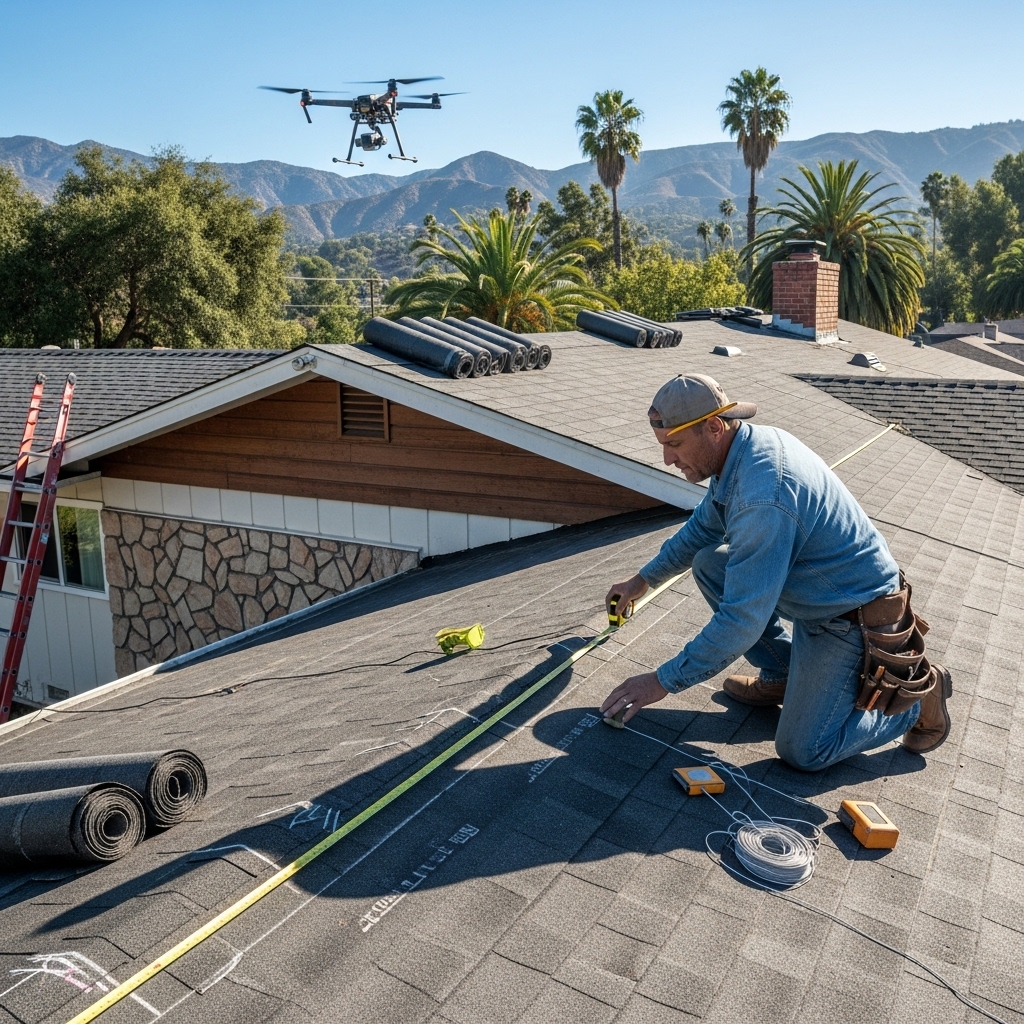
Today, many contractors combine on-roof measurements with aerial imagery and, in some cases, drone photography for complex roofs. On a clear Tarzana morning, that means a technician might verify ridge lengths, valleys, and eaves in person, then use imagery to cross-check dimensions and calculate ridge caps, starter strips, and waste factors. Waste is not a negative; it is the planning buffer that ensures you have enough material to account for cuts at hips and valleys and to maintain consistent quality throughout the installation. All of these details show up in the per square foot framework because they influence material ordering and crew planning.
When reviewing a proposal, ask how the measurements were verified and what assumptions shape the per square foot number. The goal is not to interrogate but to understand. Clarity on assumptions is the most reliable way to make sure your final result matches your expectations.
Comparing materials within a per square foot mindset
Homeowners often want to see the difference between popular materials in a comparable format. That is reasonable, and a good contractor can present options in a way that makes differences transparent without reducing the decision to a single figure. For example, a cool roof shingle system might include a specific underlayment recommendation and an upgraded ridge vent to keep attic temperatures in check. A tile system could be paired with a high-performance underlayment designed for heat cycling and a batten system if appropriate to the roof design. A metal option would account for panels, clips, and expansion joints that allow the roof to move subtly with temperature shifts. Each choice shapes the per square foot picture and the long-term experience of living with the roof.
Think beyond the day of installation, too. Maintenance expectations differ across materials. Shingles may be easier to service after a wind event. Tile installations, while durable, sometimes require access considerations for future trades working on skylights or solar. Metal can be exceptionally stable in wind, provided details at penetrations are thoughtfully designed. Your long-term goals should be part of the conversation so that the per square foot path leads to the right roof for your home and lifestyle.
The value of workmanship
Everyone focuses on materials, but workmanship is the engine that makes a roof last. In Tarzana’s climate, where ultraviolet exposure is relentless for most of the year, proper fastening, sealing, and ventilation protect your investment. Craft shows up at transitions: pipe flashings, roof-to-wall details, chimney crickets, and valley construction. When a contractor discusses per square foot, ask about crew experience, supervision, and quality control practices. Those human factors are embedded in the number even though you will not see them itemized in the same way you see shingles or underlayment.
Communication is part of workmanship, too. Clear daily updates, respectful site behavior, and a tidy wrap-up each day reduce stress and keep your home life running smoothly during the project. In neighborhoods where driveways are shared or street parking is tight, coordination and courtesy count.
Mid-project discoveries
Even with the best planning, roof replacement is partly exploratory. Once the old layers are removed, your contractor finally sees the condition of the deck, rafters at bearing points, and hidden flashings along vertical walls. Good proposals explain how these discoveries are handled, how approvals work, and how they affect schedule and scope. This transparency ensures mid-project adjustments do not feel like curveballs, and it keeps the per square foot framework honest rather than aspirational.
At about this stage in the conversation, it is helpful to revisit your goals and material choice. If you have been considering an upgrade for energy performance or aesthetics, the midpoint is a sensible time to confirm your selection. If you would like a clear comparison or a second look at options, a reliable partner can walk you through it. When in doubt, consult local pros who specialize in roofing replacement to test your assumptions against real-world experience in Tarzana.
Warranty and aftercare
Warranties come in two parts: the manufacturer’s coverage for materials and the contractor’s warranty for workmanship. In practice, both matter. Manufacturer warranties often require the system to be installed according to specific guidelines, sometimes with approved accessory components. Contractor warranties reflect confidence in the crew and processes. Ask how ventilation and underlayment choices affect eligibility for enhanced material warranties, and make sure you understand how to keep your warranty in good standing over time. Periodic roof checkups, gutter maintenance, and prompt attention to penetrations made by other trades go a long way.
Aftercare is also about relationships. A contractor rooted in Tarzana’s community understands how seasonal conditions affect roofs locally and can recommend maintenance timed to our climate. That knowledge is worth seeking out because it extends the life of the roof you choose.
Reading proposals with confidence
When you are ready to compare proposals, read them as narratives, not just numbers. What does each contractor assume about tear-off? How do they plan to protect your property and manage disposal? Which underlayment is specified and why? How do they propose to ventilate your attic to align with code and best practice? Do they mention specific flashing details at chimneys, skylights, and roof-to-wall intersections? These answers paint a complete picture. The per square foot figure becomes more meaningful when the underlying plan is sound.
If two proposals look similar but one is thin on details, ask follow-up questions. A clear, specific scope avoids misunderstandings and helps ensure that the installation you receive matches the outcome you expect. The goal is a durable, attractive roof that serves your home for years—not merely a low headline number that leaves crucial work unaddressed.
Timing your project
Although Tarzana enjoys many workable months for roofing, planning ahead allows you to land a schedule that fits your life. Summer heat encourages early starts and thoughtful pacing; fall can be an excellent window before winter rains; spring is often busy with homeowners who want to get ahead of the next hot season. Your contractor should set a schedule that accounts for weather monitoring and protection plans during tear-off, so your home is never left exposed. That planning is as important as the material choices, especially for complex roofs that require multiple phases.
Noise and access are part of the planning conversation as well. Think about pets, remote work schedules, and any special accommodations a crew should know about. The smoother the logistics, the smoother the project—and the more reliable the per square foot plan becomes in practice.
Common myths about per square foot
One myth is that per square foot is purely a function of roof size. As we have seen, complexity, materials, and logistics all shape the figure. Another myth is that any contractor can provide the same result if the surface area is the same. In reality, crews differ, supervision differs, and attention to detail differs. Those differences may not be obvious until years later, when a roof weathers a wind event or when a small leak appears around a neglected penetration. Finally, some believe that up-front planning is unnecessary for straightforward roofs. The best projects are those with careful planning and open communication, regardless of how simple the roof may seem.
Replacing a roof is a major step for any home. Approached thoughtfully, the per square foot concept can help organize your decision without oversimplifying it. Ground your choices in Tarzana’s climate, your home’s unique geometry, and the proven practices that keep roofs sound in the Valley.
Frequently Asked Questions
Below are some of the questions Tarzana homeowners ask most often when they start comparing roof replacement options and trying to understand the per square foot concept. Clear, straightforward answers help you evaluate proposals and set expectations from the beginning.
What does per square foot typically include on a roof replacement?
In Tarzana, a comprehensive roof replacement structure often includes removal of existing roofing layers, site protection, disposal, installation of underlayment, drip edge, flashings, ventilation improvements as needed, and the primary roof covering. Proposals usually clarify that replacing damaged decking or addressing hidden issues discovered during tear-off will be handled as a separate, pre-approved item. This keeps the initial per square foot figure fair while making room for mid-project realities.
How does roof complexity affect the calculation?
Complexity adds labor and detail work that are not captured by surface area alone. Roofs with multiple valleys, dormers, skylights, and penetrations require additional flashing and time, which shapes the per square foot approach. Even the pitch of the roof matters because steeper slopes demand more safety measures and slower, more careful movement across the surface during installation.
Do Tarzana’s weather conditions change how per square foot is planned?
Yes. Extended heat, occasional winds, and short rainy periods influence underlayment choices, ventilation plans, and scheduling. Crews plan around temperature to keep installations safe and consistent. Materials that reflect heat or perform well under thermal expansion cycles are popular in our area, and those selections are accounted for in a responsible per square foot framework.
How are measurements verified?
Contractors typically combine on-roof measurements with aerial imagery and sometimes drones for complex roofs. Verification helps calculate waste factors, ridge caps, and accessories accurately. Asking how measurements were obtained is a smart way to understand why two proposals might differ even when your home’s surface area is the same.
What should I look for when comparing two proposals?
Focus on scope clarity. Look for explicit notes on tear-off, underlayment type, flashing details, ventilation plans, site protection, and how potential decking repairs will be handled. A detailed narrative lets you compare like with like. If a proposal is sparse, request clarification so you are not left assuming crucial tasks are included when they may not be.
Are tile roofs treated differently in per square foot terms?
They are. Tile projects often involve either salvaging existing tiles or providing new ones paired with a high-performance underlayment suited to heat. Handling and staging are different from shingle work, and the weight of tile can introduce structural considerations. All of that is reflected in how the per square foot framework is built for a tile roof.
Will improving attic ventilation change the figure?
Improved ventilation is frequently a worthwhile upgrade in the Valley, and it can affect material counts and installation time. The benefits include better thermal performance and longer component life. When ventilation enhancements are recommended, your contractor should explain the reasoning and how those adjustments fit within the overall plan.
How do permits and inspections factor into the process?
Permits and inspections ensure your new roof meets current code in the City of Los Angeles. Coordinating these steps requires time, documentation, and sometimes minor adjustments based on inspector feedback. A well-managed project accounts for this in the per square foot structure so that compliance is built into the plan rather than treated as an afterthought.
If you are ready to plan next steps for your Tarzana home and want a clear, locally grounded approach, it helps to connect with a team that values craft, communication, and follow-through. For a thoughtful conversation and a roof built to thrive in our climate, reach out and explore your options with seasoned pros who handle every detail from measurements to inspections. When you are ready, you can get started with expert roof replacement support and move forward with confidence.