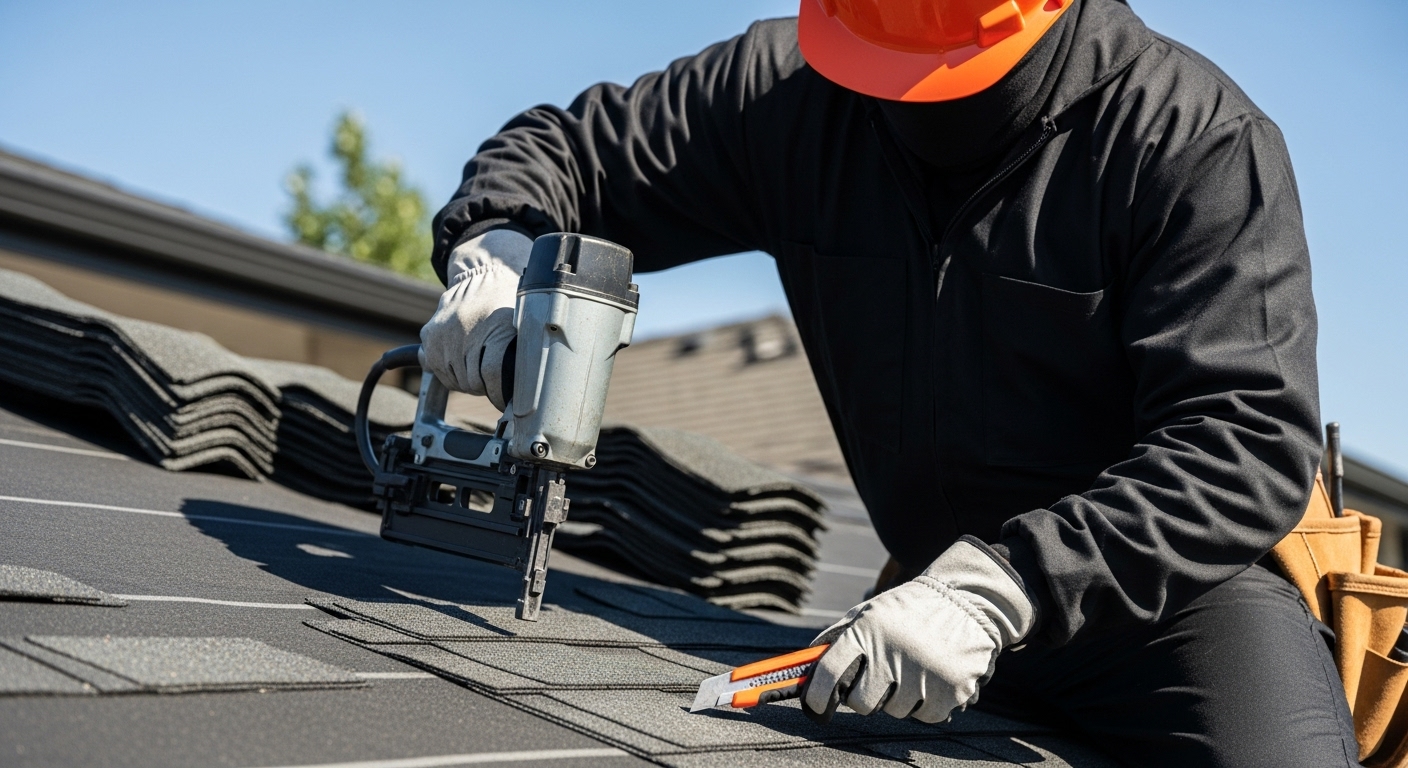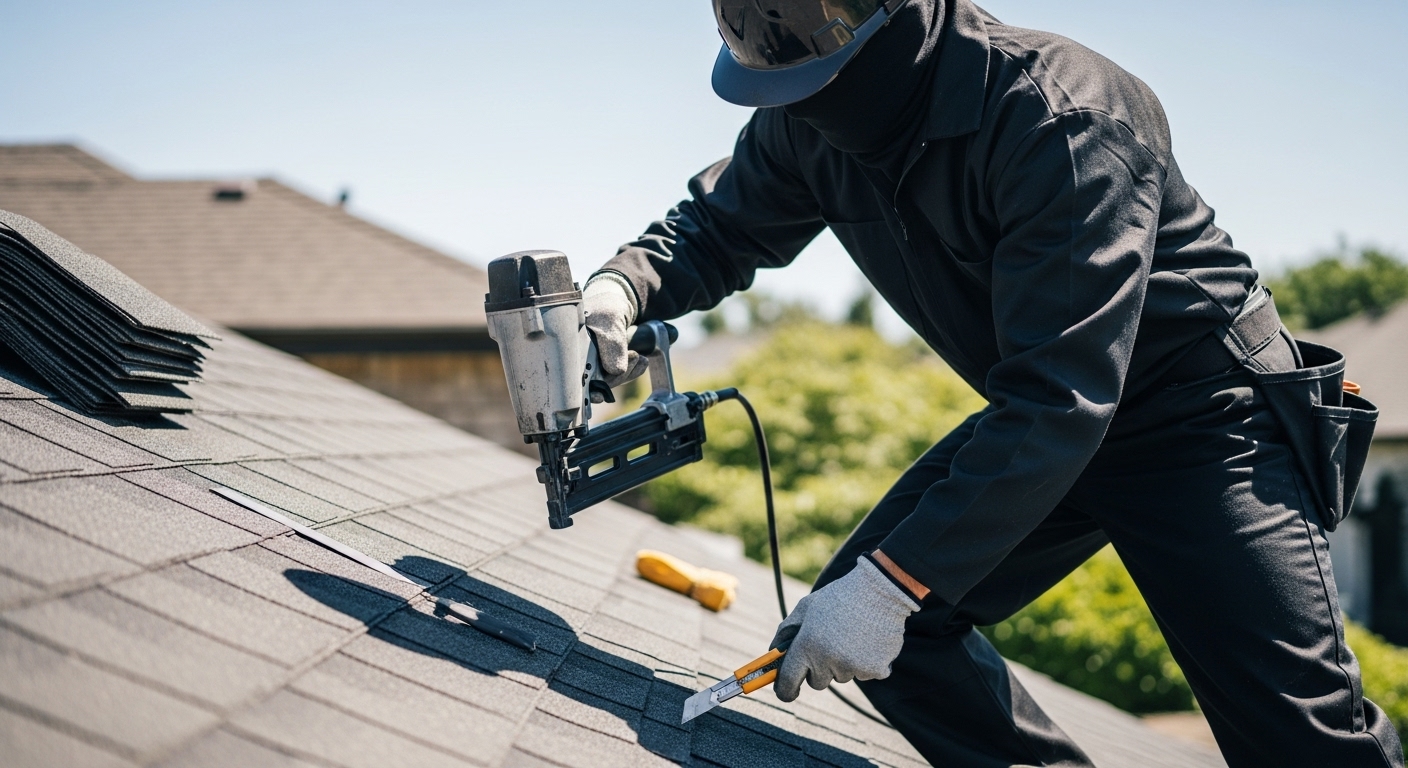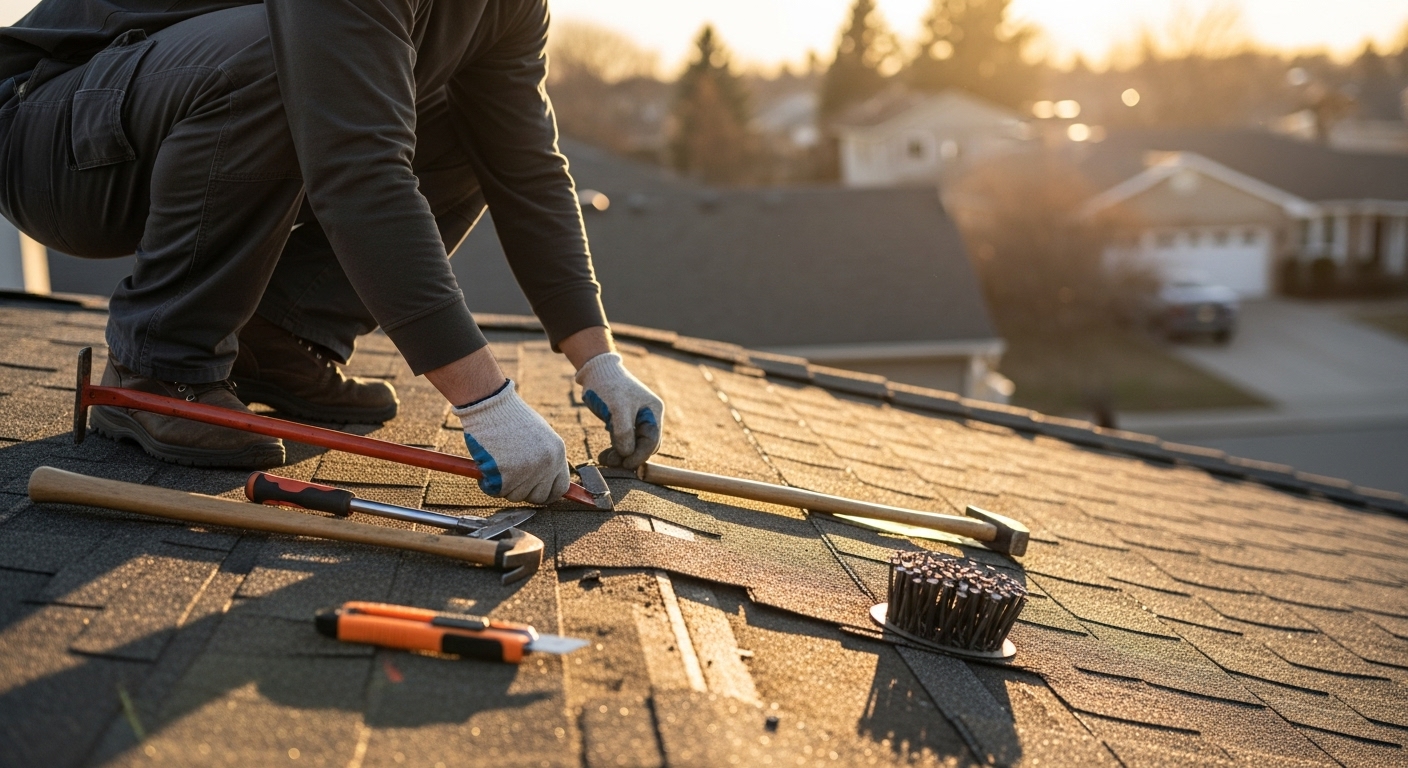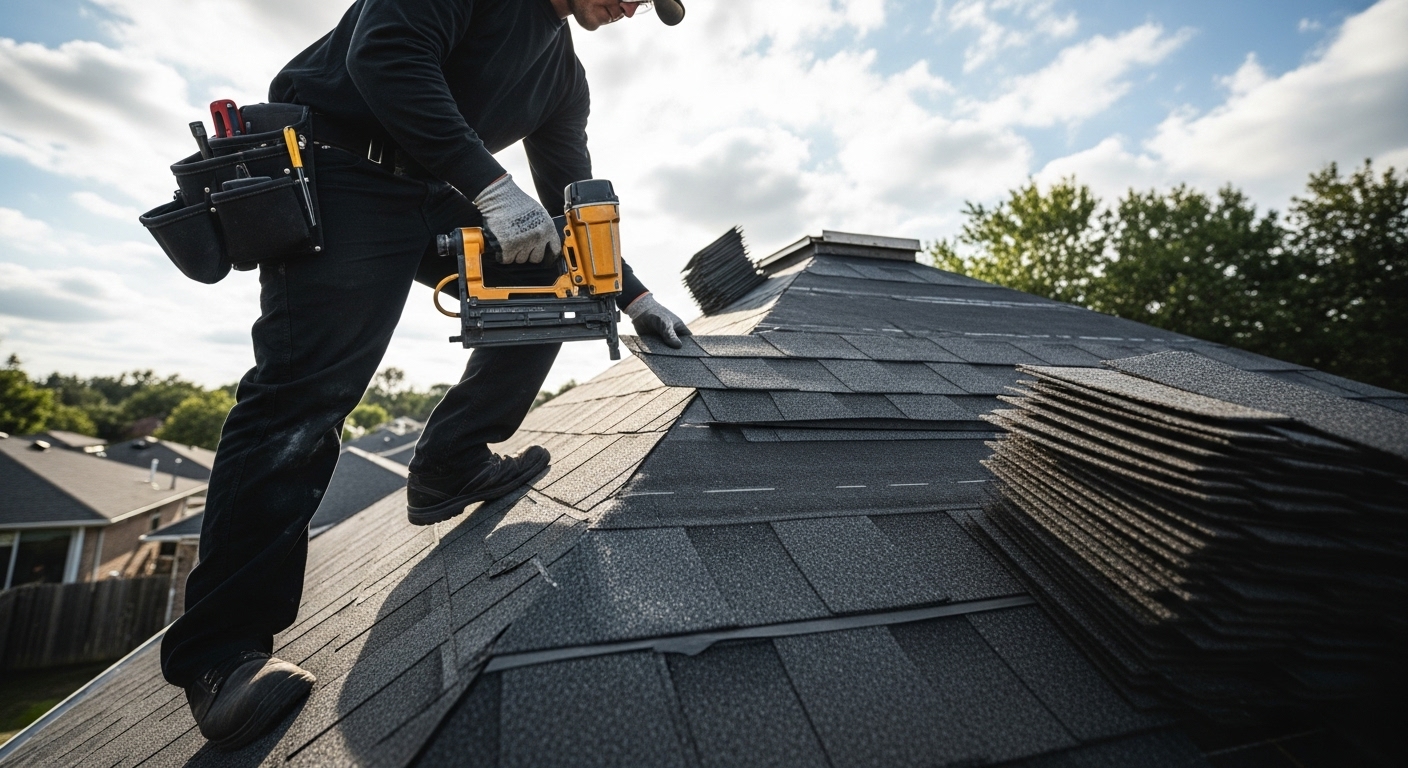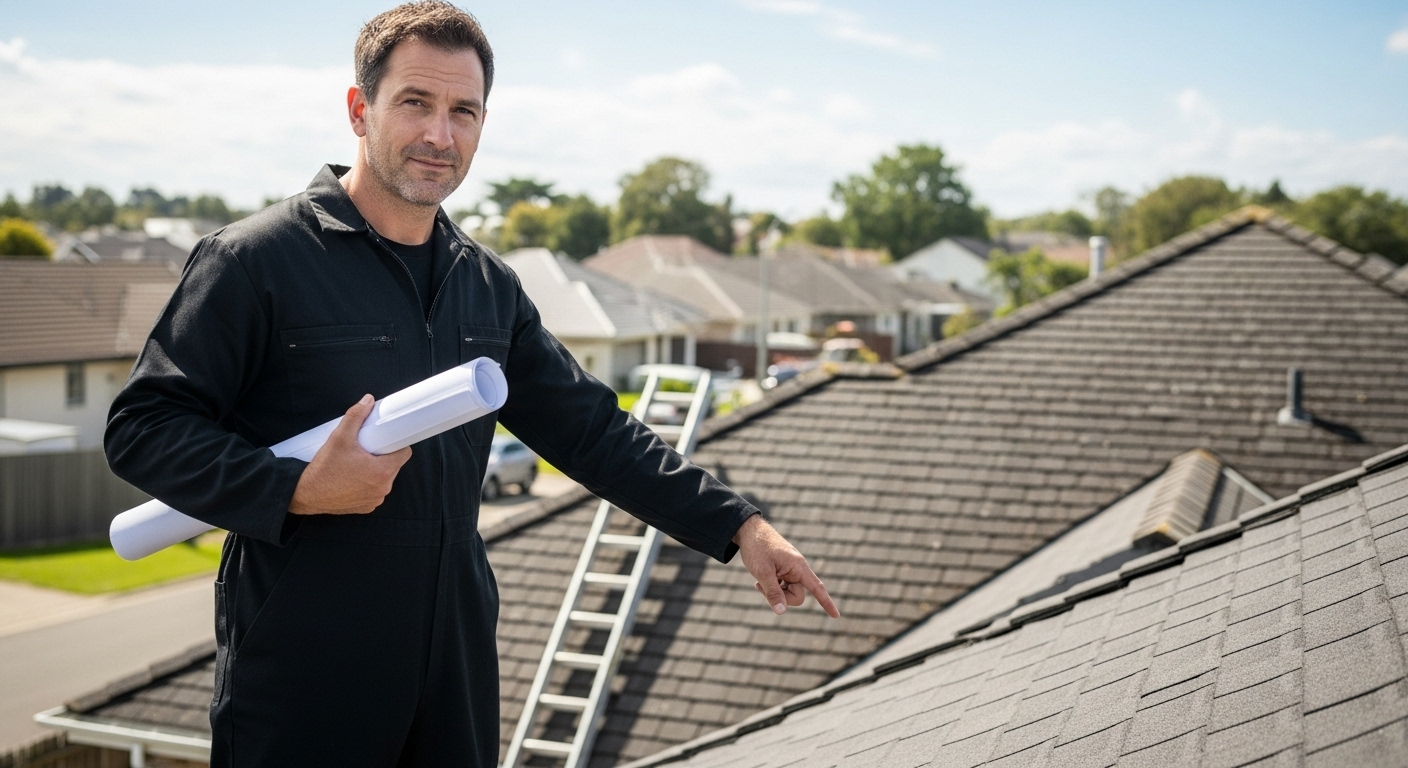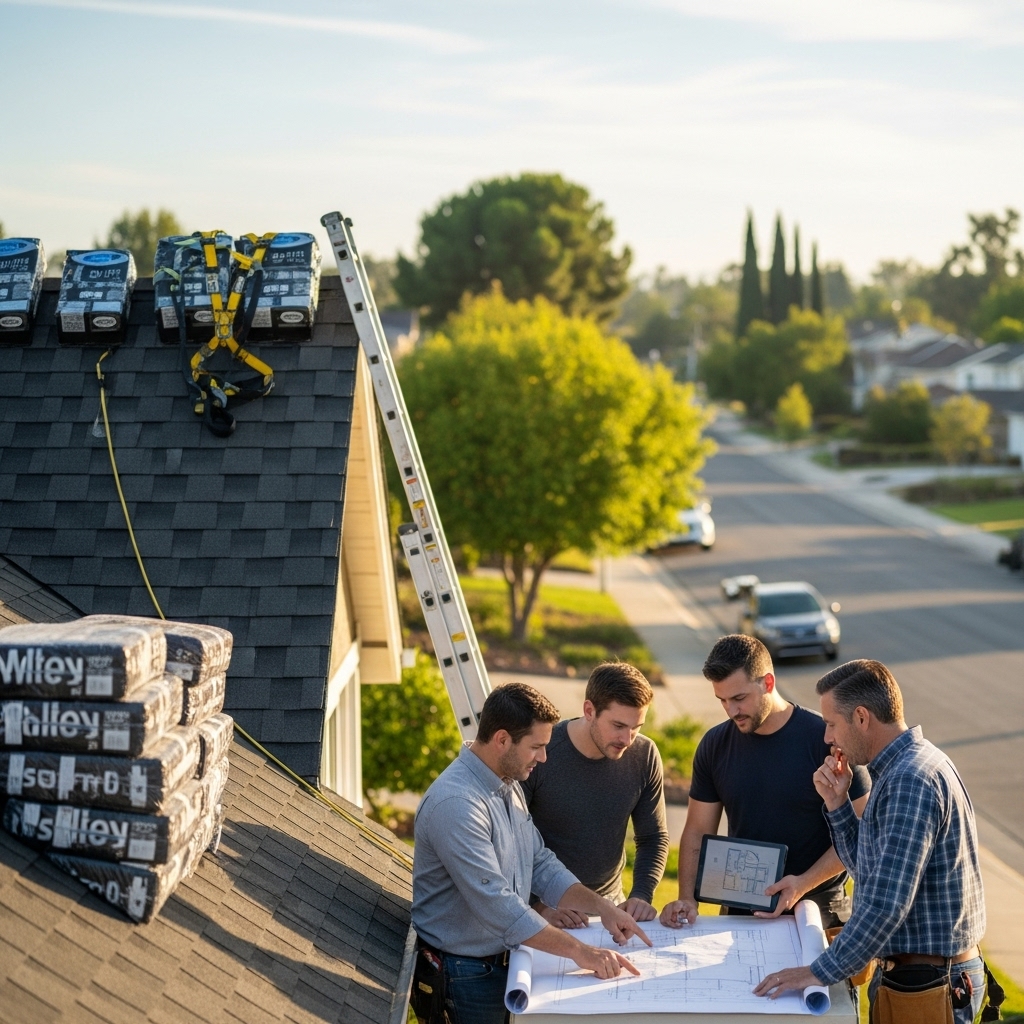
Searching for roof replacement contractors near you in Tarzana is as much about people as it is about materials. In neighborhoods that stretch from Ventura Boulevard’s bustle to tranquil hillside cul-de-sacs, homeowners want a partner who understands local architecture, the Valley’s long sunny season, and the practical details that keep a project smooth. The best contractors are listeners first and builders second. They translate your goals into a plan that respects your home’s character, your household’s routine, and the specifics of our climate. As you begin your search, it helps to ground the conversation in proven practices, and to lean on reputable guides to roof replacement so your shortlist starts strong.
What sets a standout contractor apart is not just the brand of shingles or tile they carry, but consistency and clarity. A well-run team will walk your roof with care, verify measurements, and explain how they protect your property during tear-off. They will ask about attic ventilation, gutters, and whether you plan to add solar, because those details shape the design. They will also describe how city permits and inspections work in Tarzana and offer a schedule that makes sense for both weather and your lifestyle. This kind of transparency builds trust quickly because you can see how the project will unfold from the first day to the last.
Local knowledge shows up in subtle ways. A crew familiar with our Santa Ana winds pays extra attention to edge details, ridge vents, and the fasteners specified for your chosen system. A team accustomed to summer heat structures workdays to keep quality high and surfaces protected. In older homes, seasoned roofers recognize legacy details—like outdated roof-to-wall flashings—and know how to bring them up to current standards. These instincts are honed by years of working in and around Tarzana, and they pay dividends on installation day.
Where to start your contractor search
Begin with clarity about your goals. Are you seeking improved energy performance with a cool roof shingle? Restoring a classic tile look? Modernizing a façade with standing seam metal? When you can articulate what matters most—appearance, durability, or the lowest maintenance path—you can evaluate contractors by how well they respond to those priorities. The right contractor will not push a single solution; they will outline several options and explain the trade-offs between them.
Next, consider verification. Licensing and insurance are essentials. In California, any contractor you invite onto your roof should hold appropriate licensure and active insurance. Beyond credentials, ask about the foreman who will be on site daily, how often the project manager visits, and how communication flows during the job. A transparent communication plan is as important as the material list because it keeps your project predictable and respectful of your routines.
On-site evaluation and measurement
Good contractors treat the first visit as a discovery session. They will look at your roof’s geometry, inspect penetrations like skylights and vents, evaluate ventilation, and note access constraints. Measuring is both art and science: on-roof verification paired with aerial imagery provides a complete picture. This allows the contractor to estimate ridge caps, starter courses, and waste factors accurately, and to plan safety measures for any steep or complex sections. A thorough evaluation at this stage reduces surprises later and ensures the proposal you receive reflects your home, not a generic template.
Expect questions about your attic and interior, too. Contractors may ask about temperature swings or any signs of past moisture issues. These clues inform the ventilation plan, underlayment selection, and flashing details that keep the roof resilient through hot summers and winter rain.
Proposal clarity and scope
A strong proposal reads like a roadmap. It should explain tear-off procedures, site protection, disposal, underlayment type, flashings at all transitions, ventilation adjustments, and the installation of the new roof covering. It should outline how decking repairs will be handled if discovered and how inspections with the City of Los Angeles will be scheduled. When proposals are this specific, you can compare contractors with confidence because you are looking at clearly defined plans rather than vague promises.
Material options should be presented in a way that aligns with your goals. If heat reduction is a priority, ask how cool roof products fit your design. If you love the look of tile, discuss underlayment systems that hold up under heat cycles. If modern lines appeal to you, talk through the expansion allowances and edge details that make metal systems perform and look great over time. The contractor who explains these nuances is investing in your long-term satisfaction.
Scheduling, safety, and site etiquette
Roof work is physical and visible. The best contractors combine efficiency with respect. They establish safety lines, protect landscaping, and keep the site tidy at the end of each day. In Tarzana’s heat, they plan early starts and shade-sensitive tasks intelligently. They communicate when noisy phases will occur and coordinate parking or access limitations with you and your neighbors. These practices matter because they reduce stress and demonstrate professionalism where it counts—on your property.
Weather awareness is woven into good scheduling. Forecasts guide tear-off timing so the roof deck is never unnecessarily exposed. Materials are staged smartly to keep pathways clear and to prevent damage to driveways or planters. If you work from home or have pets who are sensitive to noise, a contractor who listens and adapts will make the experience far more comfortable.
Quality control and warranties
Quality control begins with training and ends with inspection. Ask how the contractor supervises crews, how they verify details at penetrations and valleys, and how they document progress. Manufacturers’ warranties for materials and the contractor’s workmanship coverage both matter. Contractors who install complete systems according to best practice can often offer enhanced material warranties. Just as important, they will explain your role in maintaining the warranty through simple seasonal maintenance like keeping gutters clear and checking critical flashings before the rainy season.
After the project wraps, reputable contractors stand by their work. If you need a minor adjustment or have a question months later, the team should be easy to reach and quick to respond. This aftercare is another sign you chose well.
What distinguishes a great contractor in Tarzana
Beyond the basics, great contractors are teachers. They explain how heat affects underlayment, why ventilation matters, and what a particular flashing detail accomplishes. They are proud of past projects in the neighborhood and happy to connect you with references. They do not shy away from discussing discovered conditions because they know how to handle them and keep projects on track. Everything about their process says, “We know this work, and we know this place.”
They also respect design. A roof is a major visual element, and the right profile, color, and edge detail can elevate your home. When a contractor brings samples, photos, and clear explanations of how each choice affects the finished look, you gain confidence that the final appearance will match your vision.
Red flags to avoid
Vagueness is the biggest red flag. If a proposal glosses over underlayment, flashings, and ventilation, or if the contractor resists questions about site protection and scheduling, keep looking. Another concern is a lack of local references or unfamiliarity with City of Los Angeles inspections. You want a team that is comfortable with Tarzana’s rhythms and requirements, not one learning on the job at your expense.
Be mindful of anyone who dismisses the importance of attic airflow or suggests shortcuts at transitions like chimneys and skylights. These details are where roofs prove themselves over time. A strong contractor treats them as non-negotiable elements of a durable installation.
Working relationship and communication
The most successful roof projects are partnerships. Your contractor should welcome your questions and offer clear points of contact. Regular updates—brief, informative, and timely—keep everyone aligned. If you prefer text updates, ask for that. If you want a quick end-of-day call, say so. When expectations are set early, projects feel calm and predictable.
During construction, expect small decisions to arise. With a solid plan in place, those decisions are straightforward. Good contractors present options with pros and cons, make recommendations, and then respect your choice.
Frequently Asked Questions
Here are answers to common questions Tarzana homeowners ask when choosing roof replacement contractors nearby. Use them to guide conversations and to compare providers on what matters most: clarity, craftsmanship, and care.
How do I verify a contractor is qualified for my roof?
Confirm licensure and insurance, ask about the on-site foreman and supervision, and request local references. Look for proposals that specify underlayment, flashings, ventilation, and inspection coordination. Clear documentation is a strong indicator of a professional operation.
What should an initial roof evaluation include?
A thorough evaluation covers measurements, roof geometry, penetrations, ventilation, and access logistics. It should also consider attic conditions and any signs of past moisture. This information shapes the scope and leads to a proposal that fits your home rather than a generic template.
How can I compare two contractors fairly?
Compare the completeness of their scopes. Do they describe tear-off, site protection, debris handling, flashings, underlayment, and ventilation? Do they outline how discovered conditions will be handled? Are inspection steps with the City of Los Angeles included? Transparent answers make fair comparisons possible.
Do local weather patterns affect the installation?
Absolutely. Heat and wind shape scheduling and material choices. Contractors who work regularly in Tarzana plan early starts, monitor wind forecasts during tear-off, and select components that perform in our climate. Their familiarity with local conditions helps keep the project steady from start to finish.
What happens if decking repairs are needed?
Your proposal should define how decking repairs will be identified, documented, and approved. This ensures that if repairs are needed, they are handled promptly and transparently without derailing the project timeline.
Will the contractor help with HOA approvals?
Many reputable contractors assist with HOA submittals, providing specification sheets, color samples, and photos as needed. Early coordination avoids delays and ensures the finished look aligns with neighborhood guidelines.
If you are ready to narrow your shortlist and want a partner who values clear planning, careful installation, and responsive communication, start a conversation with a team that has deep roots in the Valley. For guidance, options, and a project plan that respects your home and schedule, reach out to specialists in roof replacement and take the next step with confidence.