Ribbed metal roofing panels—often recognized by their rhythmic ribs and timeless profile—bring a practical, handsome option to many Woodland Hills homes. From remodeled ranches along the flats to hillside cottages tucked near the canyons, ribbed panels deliver strength, character, and reliable weathering when detailed correctly. If you’re exploring metal roofing and want a look that balances tradition with performance, ribbed panels deserve a thoughtful look.
What Defines Ribbed Panels
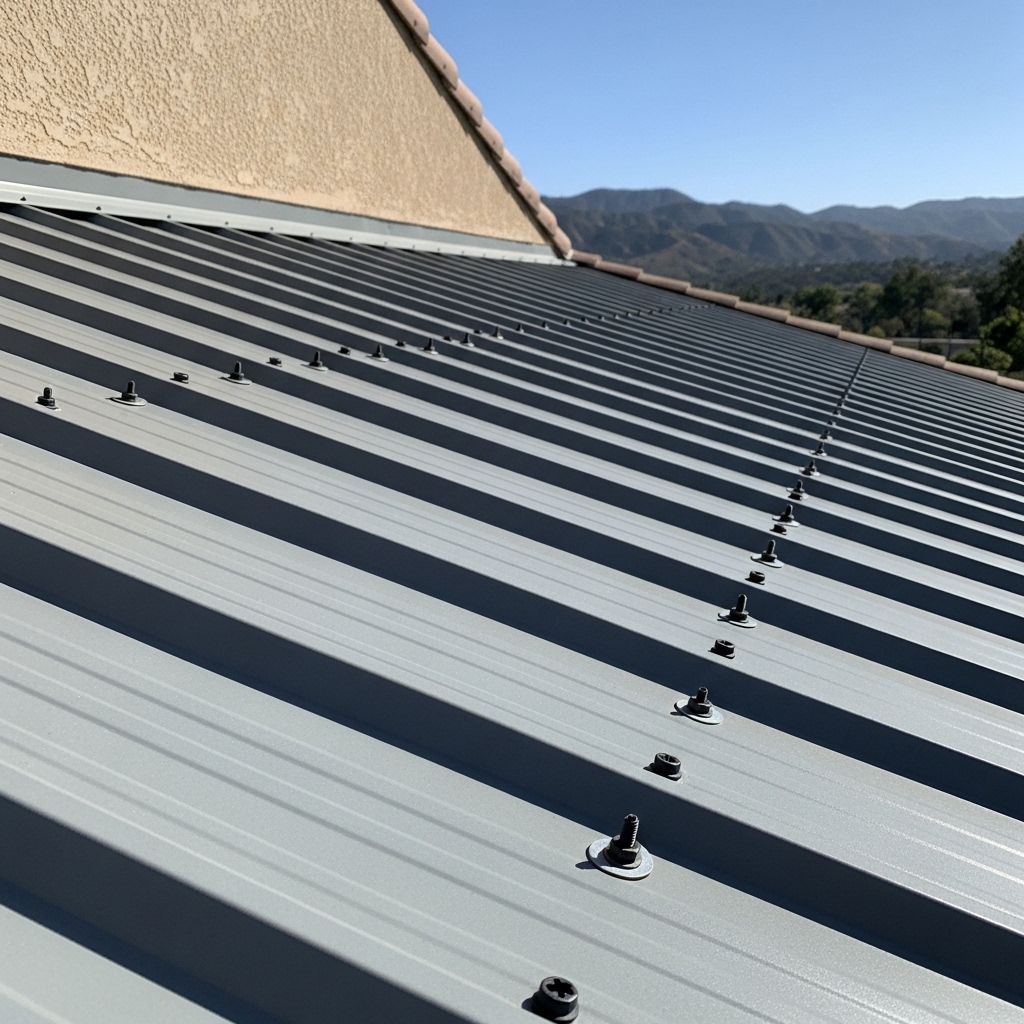
Ribbed panels are typically exposed fastener systems with repeating ribs that add stiffness and shed water effectively. The visible fasteners contribute to the classic aesthetic and simplify certain trim conditions. While standing seam gets attention for its hidden fasteners, ribbed panels excel for many homes because they offer a familiar texture, broad color choices, and robust performance when installed over a solid deck with high-quality underlayment.
Profile Choices and Visual Rhythm
Rib spacing, rib height, and panel width shape the look. Tighter rib spacing creates a fine, architectural texture that reads elegantly on smaller roof sections and porches. Wider spacing imparts a bold, farmhouse feel that has become popular in modern updates. In Woodland Hills’ abundant sunlight, those ribs cast subtle shadows throughout the day, giving the roof dimension without calling attention to itself. Seeing sample panels on your roofline in real light helps you settle on a rhythm that complements your home’s façade.
Steel, Coatings, and Color Strategy
Most residential ribbed panels are steel with protective substrates and advanced color coatings. In our hot, dry climate, finishes with infrared-reflective pigments reduce heat absorption, especially on south- and west-facing slopes. Light grays and earth tones are strong performers, while richer hues still hold their own when formulated for reflectance. Color selection should harmonize with exterior elements—stucco, stone, wood—and respect the way Woodland Hills’ sunlight deepens tones at midday and softens them at dusk.
Underlayment and Elevated Temperatures
Because rooftops here run hot, high-temperature-rated synthetic underlayments are the baseline, with self-adhered membranes supplementing valleys, eaves, and transitions. This layered approach ensures durability under fasteners and trims exposed to intense sun. A solid deck provides a quiet, stable platform that helps the roof feel substantial under wind and rain.
Fasteners: Small Parts, Big Role
Exposed fastener systems rely on quality screws with long-life washers. Proper spacing, alignment, and seating pressure prevent over-compression of washers and preserve watertightness. On sun-facing slopes, thermal movement is real, so fastener selection and placement matter. Periodic checks—especially after the first seasonal cycles—confirm everything remains tight and true. With good practice, ribbed roofs age gracefully and remain quiet through gusty conditions.
Edges, Closures, and Wind Integrity
Ribbed panels perform beautifully when edges and penetrations are handled with precision. Eave trims with hemmed edges guide water cleanly into gutters, and ridge caps paired with closures block wind-driven rain and pests. At sidewalls and headwalls, kick-out flashings steer water away from stucco and siding. In our Santa Ana seasons, those details keep the assembly composed when wind pushes rain sideways across the roof.
Ventilation and Assembly Breathability
Balanced ventilation supports comfort and panel longevity. Soffit intake feeding a ridge vent allows hot air to escape naturally, reducing the load on coatings and underlayment. Some assemblies benefit from a ventilated space beneath panels to further moderate heat transfer. When the roof breathes, everything from finish to fasteners lives an easier life in Woodland Hills’ diurnal temperature swings.
Integrating Skylights, Chimneys, and Solar
Ribbed roofs accommodate accessories easily with the right flashings. Skylight curbs are wrapped with layered metal and membrane details, while pipe boots seal around vents. For solar, engineered brackets pair with flashing kits that respect the panel profile and protect fasteners from exposure. Planning attachment points and conduit routes during roofing avoids later disruptions and keeps the roof’s weatherproofing intact.
Noise, Comfort, and Everyday Living
A ribbed metal roof installed over a solid deck with quality underlayment is quiet and composed. The idea that metal “pings” in the rain typically comes from open-frame installations or loose fasteners, not the material itself. With proper fastening and attic insulation, most homeowners find the interior soundscapes calm and consistent, even during stormy spells.
Maintenance: Simple and Predictable
Keeping a ribbed roof in top shape is straightforward: clean gutters, rinse dust and pollen periodically, and give trims and penetrations a quick visual once-over after big winds. On a schedule, verify that exposed fasteners remain seated and washers are healthy. Because panels are finished with UV-resistant coatings, color and gloss hold up well under our sun, especially when dust is rinsed away before it can abrade the surface.
When Ribbed Panels Are the Right Choice
Ribbed roofs suit a wide range of homes. They offer a grounded, familiar aesthetic on ranch and farmhouse designs and a rugged counterpoint to crisp modern additions. For accessory structures—garages, studios, covered patios—the profile can tie the property together. Where budgets and timelines favor efficient installation without sacrificing durability, ribbed panels deliver a compelling balance.
Comparing Ribbed Panels to Standing Seam
Standing seam’s concealed fasteners and tall ribs make it the minimalist’s favorite, while ribbed panels showcase texture and classic hardware. Both can excel in Woodland Hills. The deciding factors often include architectural intent, desired maintenance rhythm, and how you feel about visible fasteners. When installed by experienced crews with the right trims and closures, both profiles provide excellent weathering and heat management with reflective finishes.
Frequently Asked Questions
Are exposed fasteners a liability?
Not when high-quality screws and washers are used and installed correctly. A simple inspection routine keeps everything tight. The visibility of fasteners is part of the profile’s character and, when aligned neatly, adds to the roof’s crafted look.
Will a ribbed roof be noisy?
Installed over a solid deck with proper underlayment and insulation, ribbed metal roofs are typically quiet. Secure fastening prevents movement that could cause sound, and most homeowners report calm interior acoustics during rain and wind.
How do ribbed panels handle Woodland Hills heat?
Reflective coatings, high-temperature underlayments, and balanced ventilation work together to manage heat gain. Choose finishes with strong reflectance and pair them with a well-breathing assembly for consistent comfort.
Can I add solar later?
Yes. Use engineered brackets and flashing kits designed for your panel profile. Planning attachment points during roofing keeps the weatherproofing intact and simplifies future installation.
What color works best?
Lighter tones reflect more heat, which helps on sun-exposed slopes. That said, modern finishes allow medium and even darker colors to perform well. Select a color that complements your exterior and verify its reflectance values.
How long will the finish last?
Premium coatings resist UV aging and maintain color stability over time. With routine rinsing and basic care, ribbed panels keep their look through many seasons of Woodland Hills sunshine.
If ribbed panels sound like the right blend of character and reliability for your home, let’s walk the property together. We’ll look at roof geometry, talk through color and coating performance, and map the details—fasteners, closures, flashings—that make a roof tight and handsome for years. When you’re ready to move forward with expert-installed metal roofing, schedule a visit and see how ribbed profiles can elevate both style and performance across your Woodland Hills home.