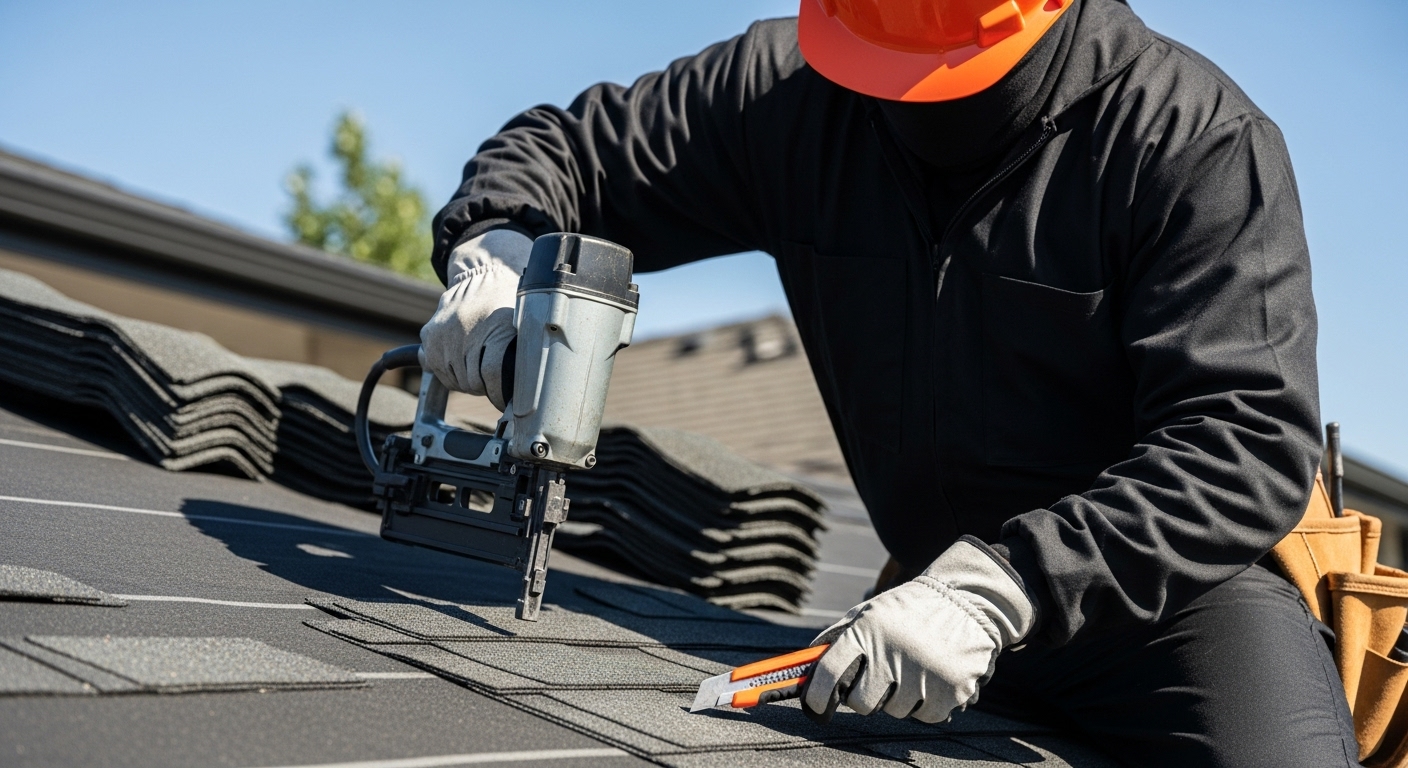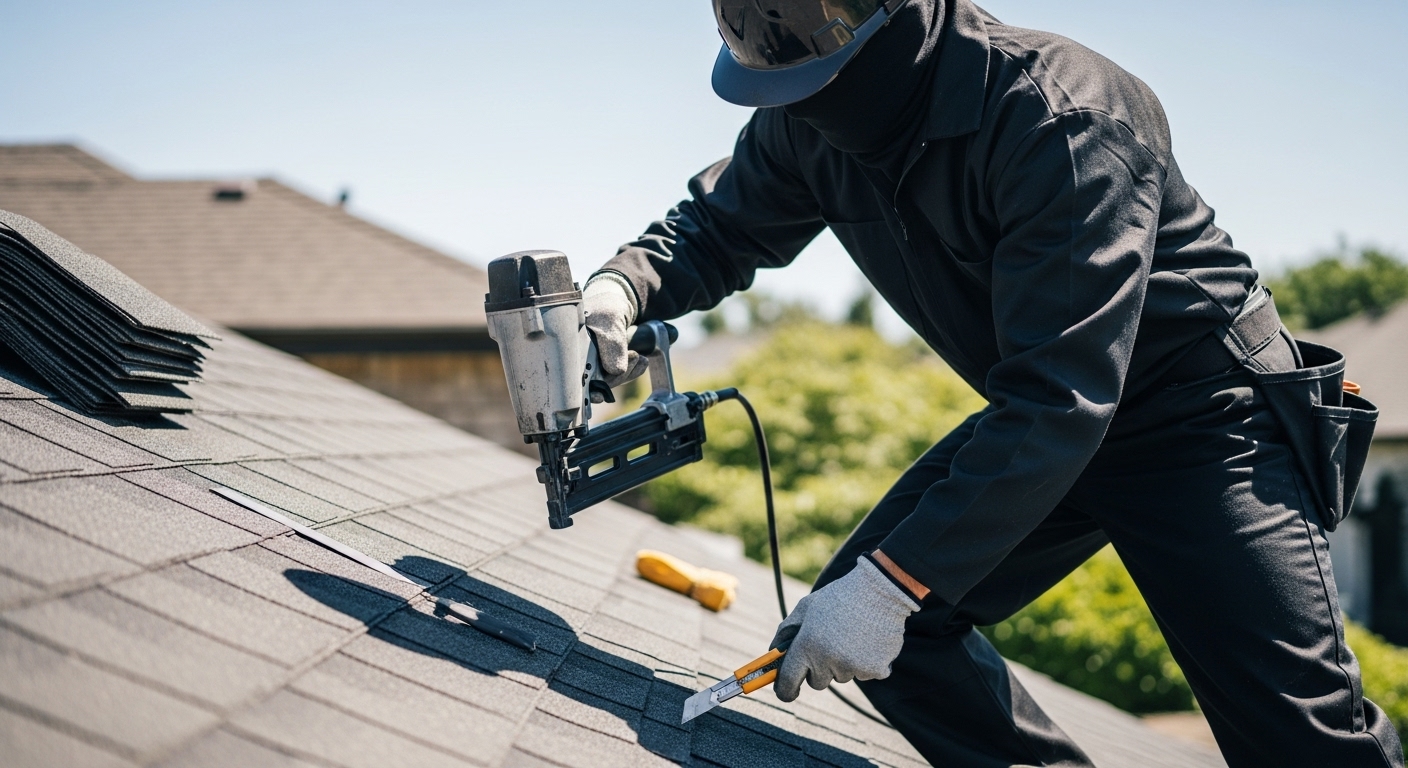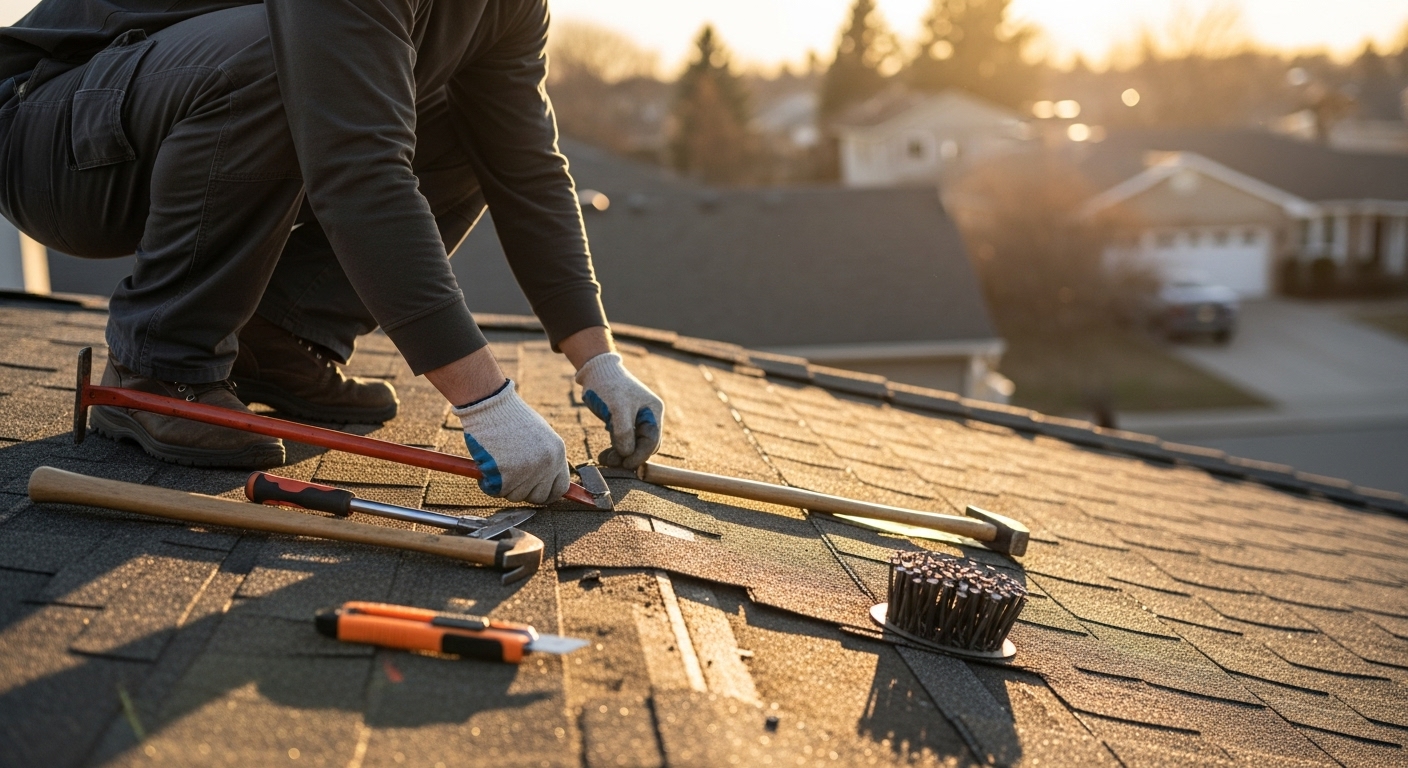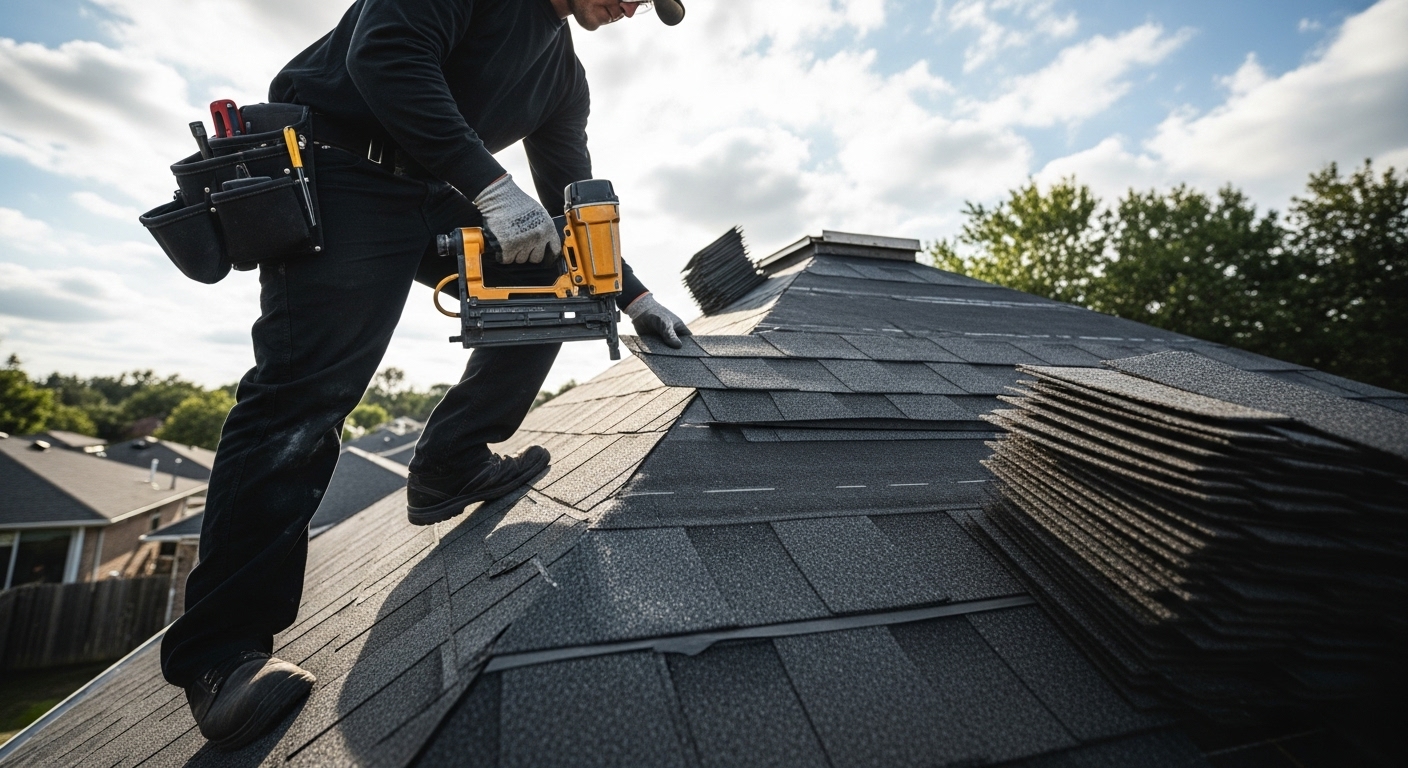
Coatings can add years of life to a roof in Oxnard, but success depends on choosing the right product for the membrane and applying it under the right conditions. For TPO and PVC systems in particular, surface chemistry and preparation are everything. These thermoplastic membranes have relatively low surface energy, which means many coatings will not adhere well without specialized primers and diligent cleaning. When you factor in our coastal environment—salt air, morning marine layer, and bright afternoon sun—the case for a careful, locally informed approach becomes even stronger. If you are considering a refresh for reflectivity, added weather protection, or to extend service life, it helps to begin with a clear picture of what flat roofing coatings can and cannot do for TPO and PVC in Ventura County.
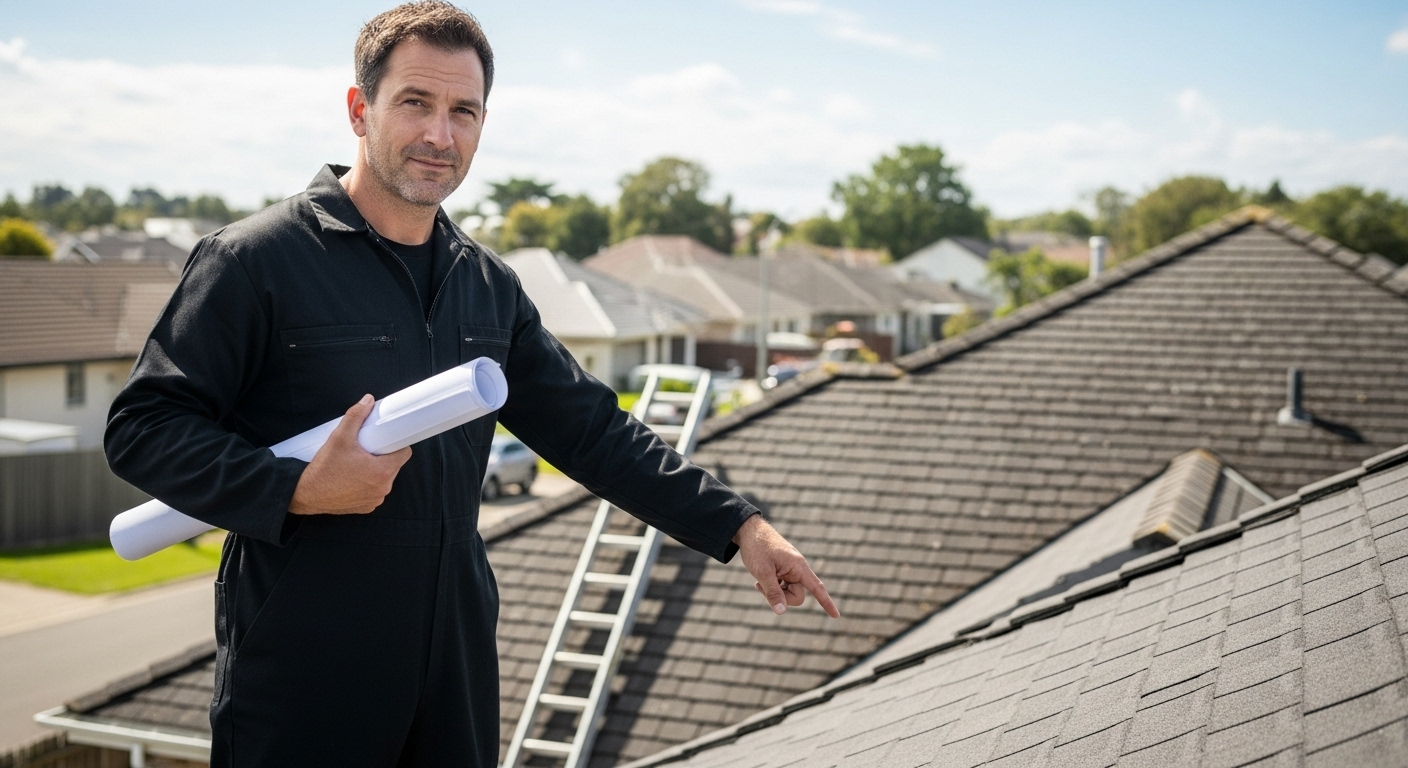
Start with the roof’s condition. Coatings are not a cure-all. They work best when the underlying membrane remains sound. Seams must stay intact, flashings secure, and the substrate completely dry. In Oxnard, overnight moisture often lingers on roof surfaces. Morning fog can delay drying far longer than expected. Rushing this stage often leads to adhesion failures.
A thorough inspection sets the foundation. Crews should check moisture levels and document seam integrity. Any problems—open laps, punctures, or failing flashings—need repair before coating begins. Addressing these issues first prevents future delamination and uneven wear.
Cleaning requires more than a quick rinse. Salt residue, grime, and biofilm from standing moisture form barriers that weaken adhesion. Crews typically use manufacturer-approved cleaners with soft-bristle agitation to remove contaminants. They then follow with a thorough rinse. On TPO and PVC membranes, manufacturers may recommend a solvent wipe or dedicated surface prep solution before priming. The goal is simple: a clean, dry surface that readily accepts the coating.
Dry time matters in coastal conditions. In Oxnard, the marine layer often slows evaporation. Surfaces may look dry while moisture still hides within the membrane texture. Patience during this phase pays off with stronger bonding and longer coating life.
Primers designed for TPO and PVC make a real difference. Many silicone and acrylic systems require specialty primers to chemically prepare low-energy surfaces. Skipping this step almost guarantees adhesion problems. Professionals perform adhesion tests by applying small patches and checking them after cure. These tests confirm compatibility under local conditions and prevent costly surprises.
Once preparation is complete, product selection becomes critical. Silicone, acrylic, and polyurethane coatings dominate the local market. Each option brings advantages and limitations. Silicone resists ponding water and UV exposure. That makes it attractive for low-slope roofs or areas prone to standing water. Acrylic coatings offer excellent reflectivity and strong value, but they perform best when roofs drain well and weather remains dry during cure. Polyurethane coatings excel in abrasion resistance. Crews often use them in traffic zones or as reinforcing layers beneath other systems.
For TPO and PVC roofs in Oxnard, silicone often leads the discussion. Persistent rains and shallow slopes favor its hydrophobic properties. Acrylic systems still perform well when drainage is reliable and application windows stay dry. Polyurethanes strengthen seams and high-traffic areas. The right choice depends on drainage, exposure, and roof use.
Seams and details demand extra attention. Even intact seams benefit from reinforcement before coating. Crews first heat-weld loose edges. They then embed polyester fabric or scrim into compatible mastics or base coats. This treatment extends to penetrations, drains, scuppers, and parapet transitions. Reinforcement distributes stress and allows the topcoat to flex without cracking.
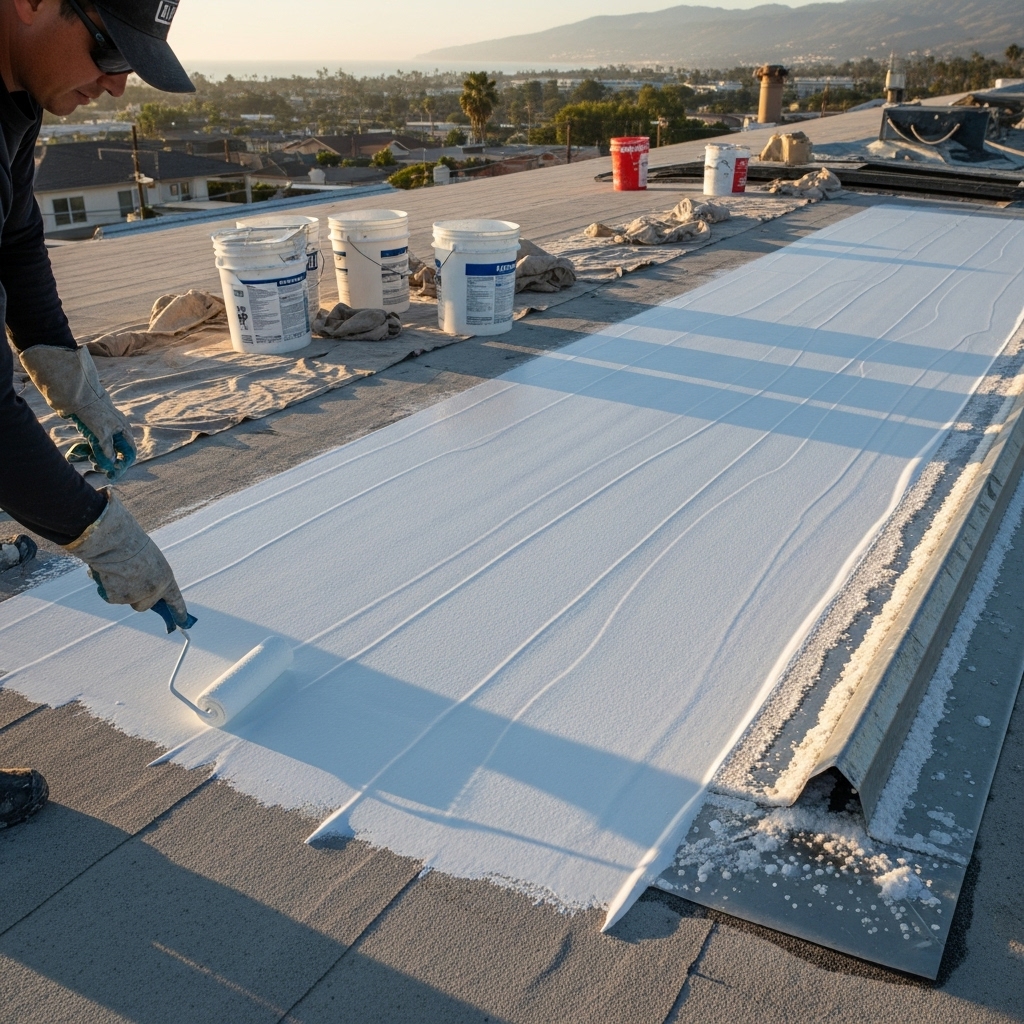
Application technique influences results as much as product choice. Oxnard breezes can complicate spray work. Crews often rely on rollers, especially near edges or on smaller roofs. When spraying, wind screens and careful staging control overspray. Technicians verify mil thickness during application. Thin coats wear too quickly, while thick coats slow curing and invite defects.
Weather timing remains essential. Coatings dislike moisture during cure. In Oxnard, fog and dew bracket the day. Crews usually work from late morning through afternoon, when surfaces warm and humidity drops. They monitor dew point spread to avoid condensation during cure. Smart sequencing helps, with eastern exposures coated later and western exposures earlier.
Reflectivity drives much of the appeal. Fresh coatings lower surface temperatures and reduce heat gain. This improves comfort and supports California energy goals. Coatings refresh performance between full replacements, but they cannot fix structural or drainage failures.
Maintenance keeps coated roofs performing. Keep drains clear. Avoid dragging equipment across surfaces. Schedule inspections after heavy wind or rain. Use walk pads in traffic zones. When touch-ups are needed, use compatible products from the original system. Good documentation simplifies future work and warranty discussions.
Manufacturers often offer warranties when crews follow system guidelines. For TPO and PVC, those rules usually include specific primers and adhesion testing. Photos, mil readings, and cure records support warranty approval. Local contractors who understand Oxnard’s weather reduce risk and keep projects on track.
Sometimes coating is not the right solution. Widespread membrane failure, saturated insulation, or structural damage call for repair or replacement first. Coating should enhance a sound system, not hide deeper problems. Reputable teams say so upfront.
Operational planning also matters. Low-VOC or water-based systems help when odors are a concern. Coordinating HVAC intake and roof access prevents disruptions. Clear planning turns a coating project into a smooth upgrade.
Think of coatings as part of a roof’s lifecycle strategy. Applied at the right time, they extend service life and boost reflectivity. Applied too late, they become temporary fixes. The difference lies in honest assessment and disciplined execution. That approach helps Oxnard roofs withstand salt air, foggy mornings, and intense sun for years to come.
Can TPO and PVC roofs be coated successfully?
Yes, when surface preparation and product pairing are handled correctly. These membranes often require specialized primers to promote adhesion, and verification with adhesion tests is smart practice. Repairs to seams and details should precede coating, and the application window should avoid moisture during cure. With those steps in place, coatings perform well on sound TPO and PVC systems.
Which coating type is best near the coast?
Silicone is a strong candidate because it tolerates ponding water and resists UV degradation, both valuable in our coastal climate. Acrylics also perform well when drainage is good and application conditions are dry. Polyurethanes provide toughness in high-traffic or mechanically busy areas and can serve as underlayers in multi-coat systems. The right choice reflects your roof’s drainage, exposure, and usage.
Do I always need a primer on TPO and PVC before coating?
Nearly always. These membranes have low surface energy, which means many coatings will not bond reliably without a compatible primer. Manufacturers specify primers designed for thermoplastic surfaces. Skipping primer is a common cause of early failure. Adhesion testing confirms the system will hold under real-world conditions on your specific roof.
How do Oxnard’s weather patterns affect coating schedules?
The marine layer and evening dew compress the application window. Crews often work late mornings through afternoons, watching dew points and surface temperatures to ensure proper cure. Wind management and overspray control are also considerations. Planning around these conditions leads to better adhesion and a cleaner finish.
What maintenance is needed after coating?
Keep drains and scuppers clear, avoid dragging equipment, and designate walk paths. Inspect after significant weather and touch up with compatible materials as needed. Maintaining records of the coating system and application details supports any warranty and simplifies future maintenance.
If you are weighing whether to renew reflectivity and protection on your TPO or PVC roof, talk with local pros who live in this weather pattern every day. With the right plan, a coating can add durable protection and a crisp finish that stands up to Oxnard’s salt air and sun. For guidance on preparation, primers, and application windows—and a clear path from evaluation to completion—reach out to discuss your flat roofing coating options with a team that understands our coast.