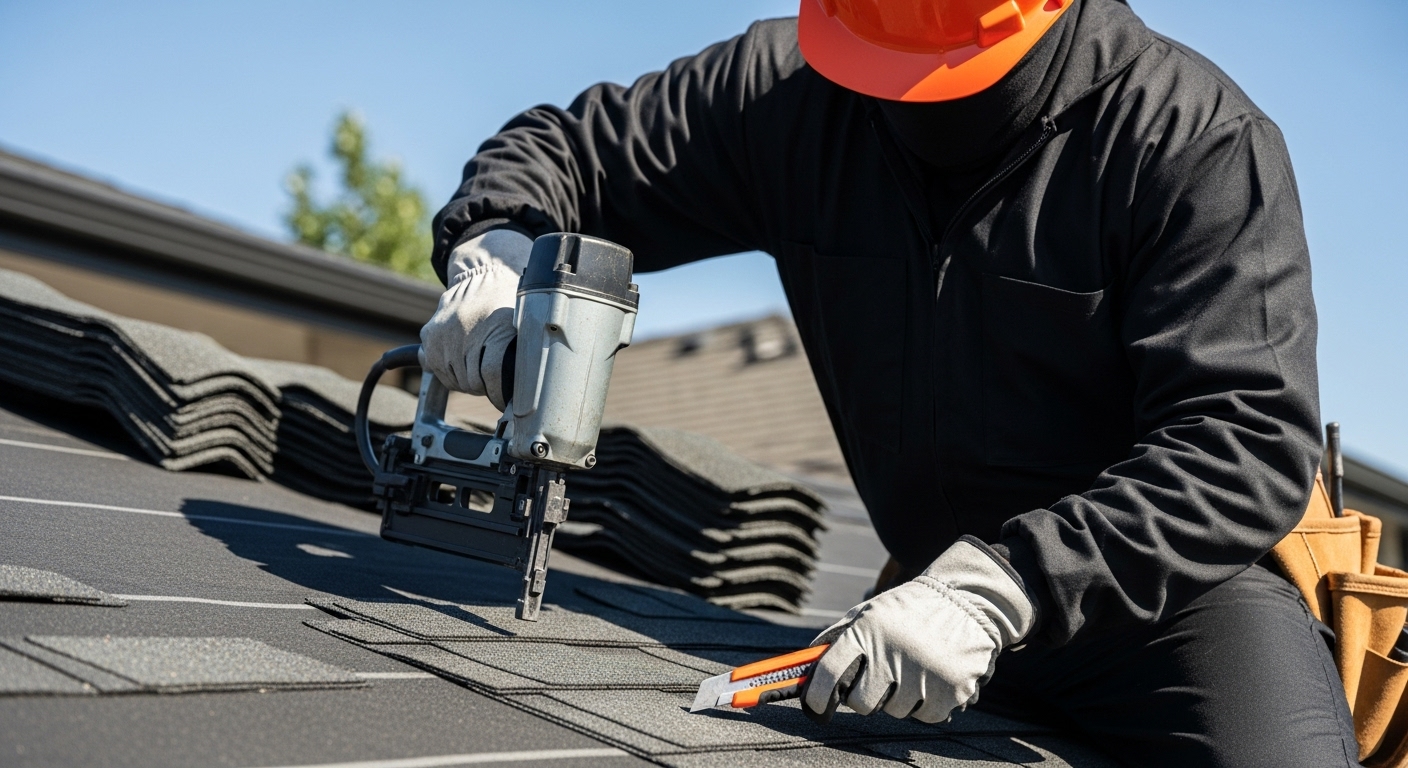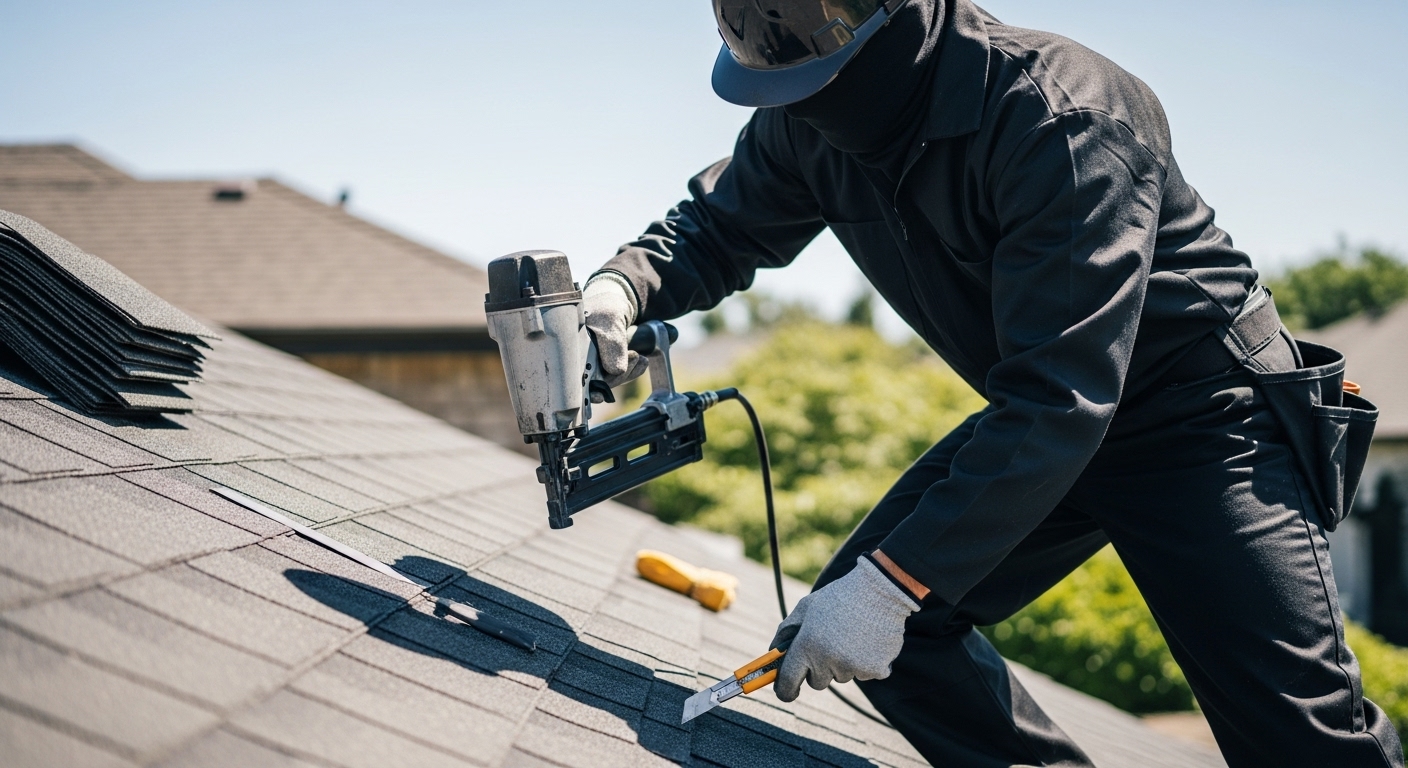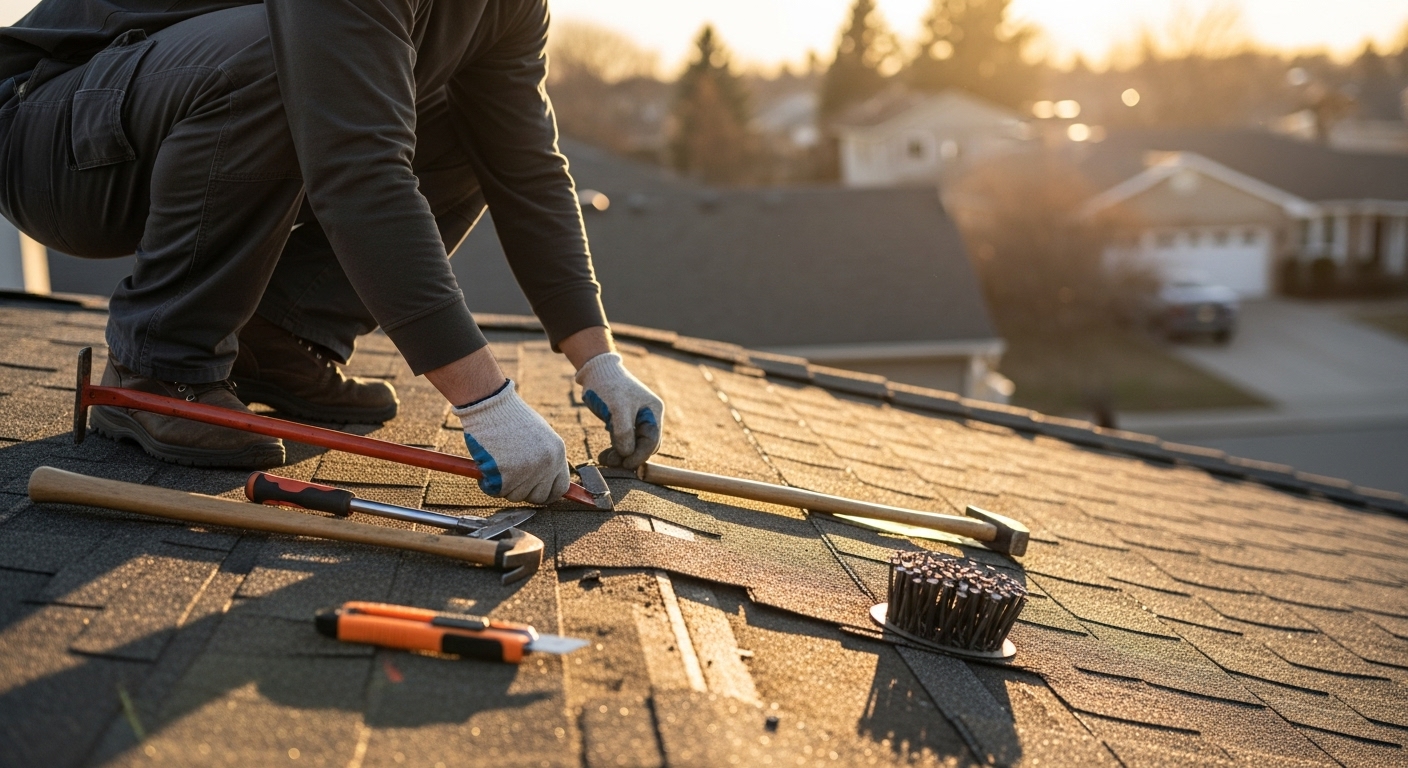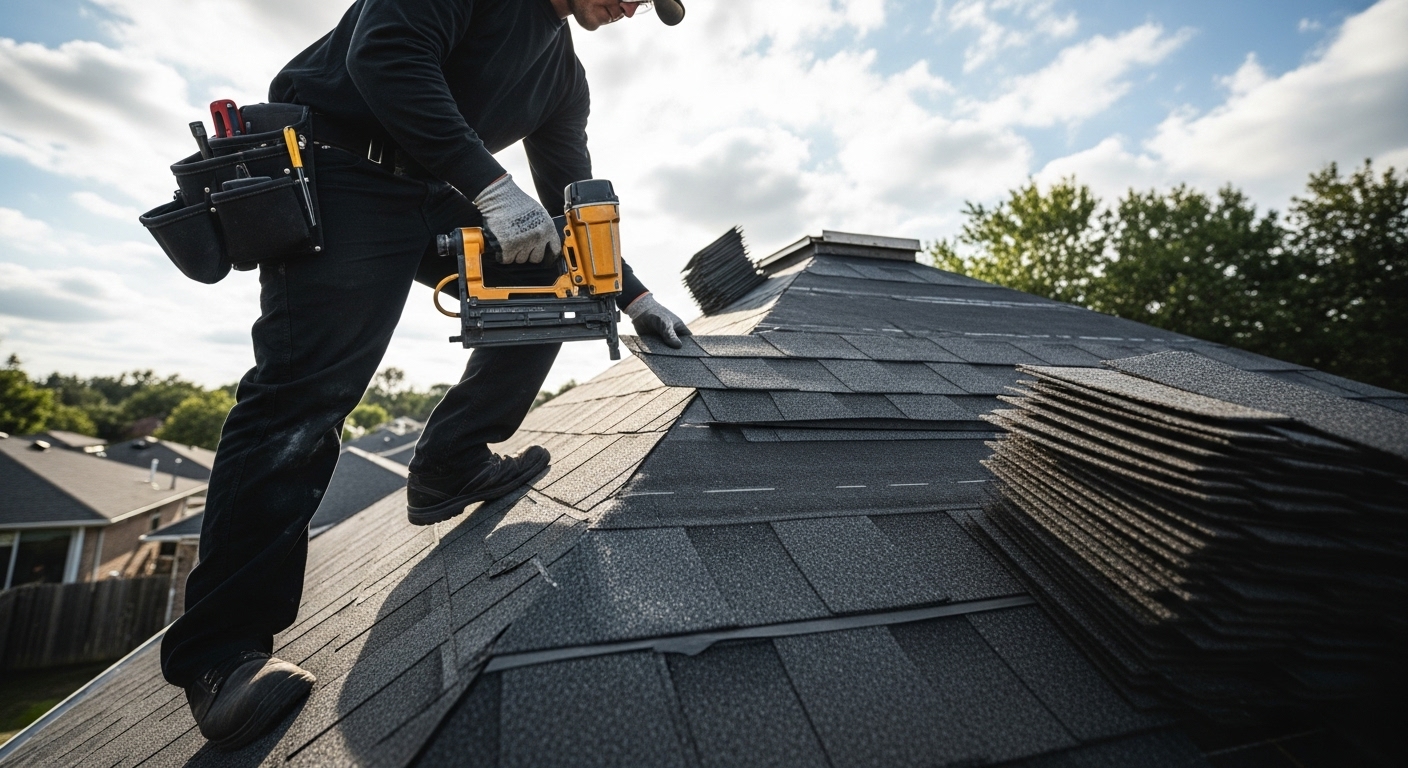
When you live in Tarzana, you get to enjoy quiet, leafy streets, canyon breezes, and that signature San Fernando Valley sunshine. You also inherit the realities of our microclimate: wide temperature swings, bursts of Santa Ana winds, and the occasional drenching winter storm that tests every seam, shingle, and flashing on a roof. Finding the right roofing professional here is less about picking a name from a directory and more about choosing a partner who understands how Tarzana homes and businesses are built, how local conditions stress materials, and how to keep a roof performing year after year. If you are starting your search and thinking to yourself, “I need a roofing contractor near me,” you are already on the right track because proximity and local expertise matter more than most people realize.
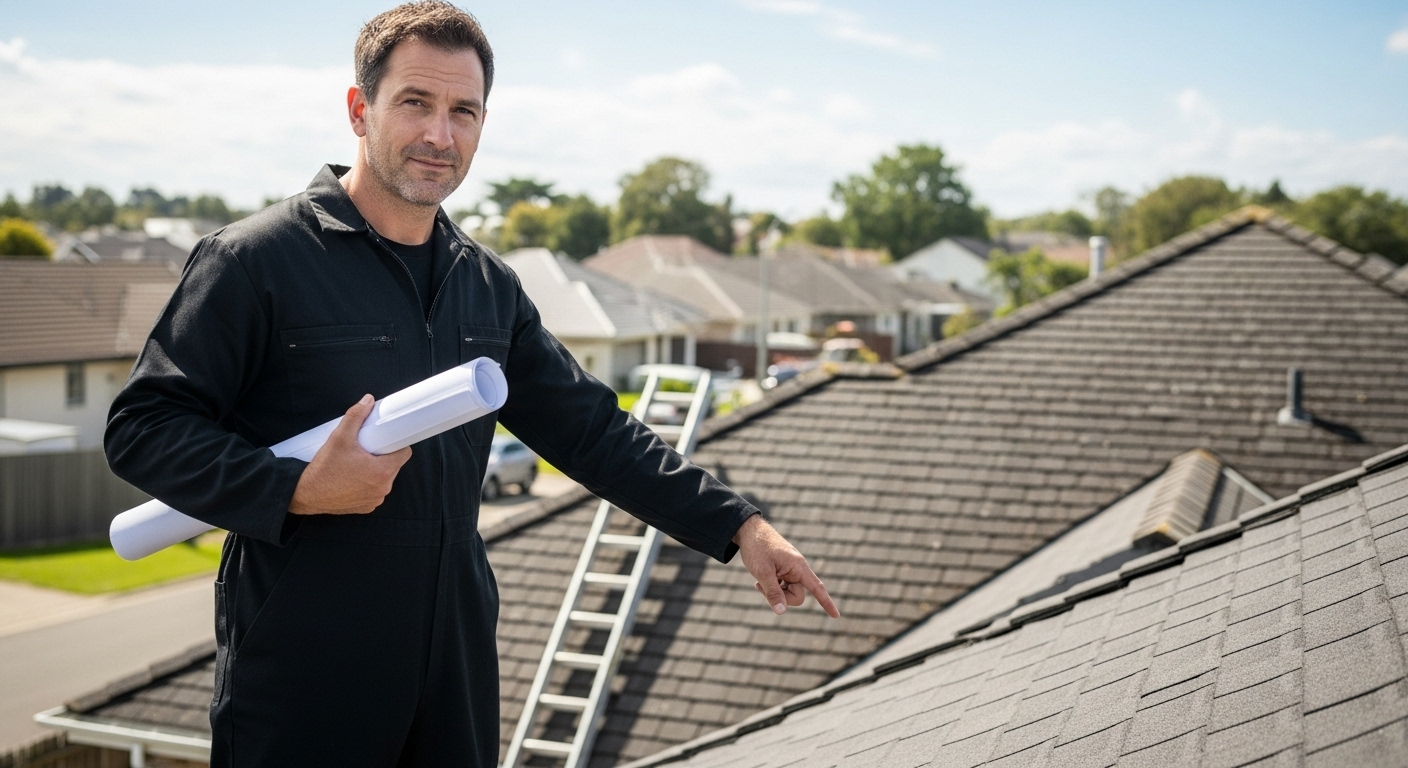
From Ventura Boulevard’s mixed-use buildings to hillside homes tucked above the canyons, roofs in Tarzana are diverse. Some homeowners prefer the classic look of dimensional asphalt shingles that complement ranch and mid-century profiles, while others opt for tile that echoes Spanish and Mediterranean styles. On the commercial side, we see flat and low-slope systems that must handle ponding water, roof-mounted HVAC, and heavy foot traffic from service technicians. A qualified local contractor recognizes these differences not in theory but in practice, bringing solutions tailored to each roof’s shape, slope, and structural load. That first site visit should feel like a conversation, not a sales pitch—an exchange where the contractor listens closely to your priorities and surveys the roof with a methodical eye.
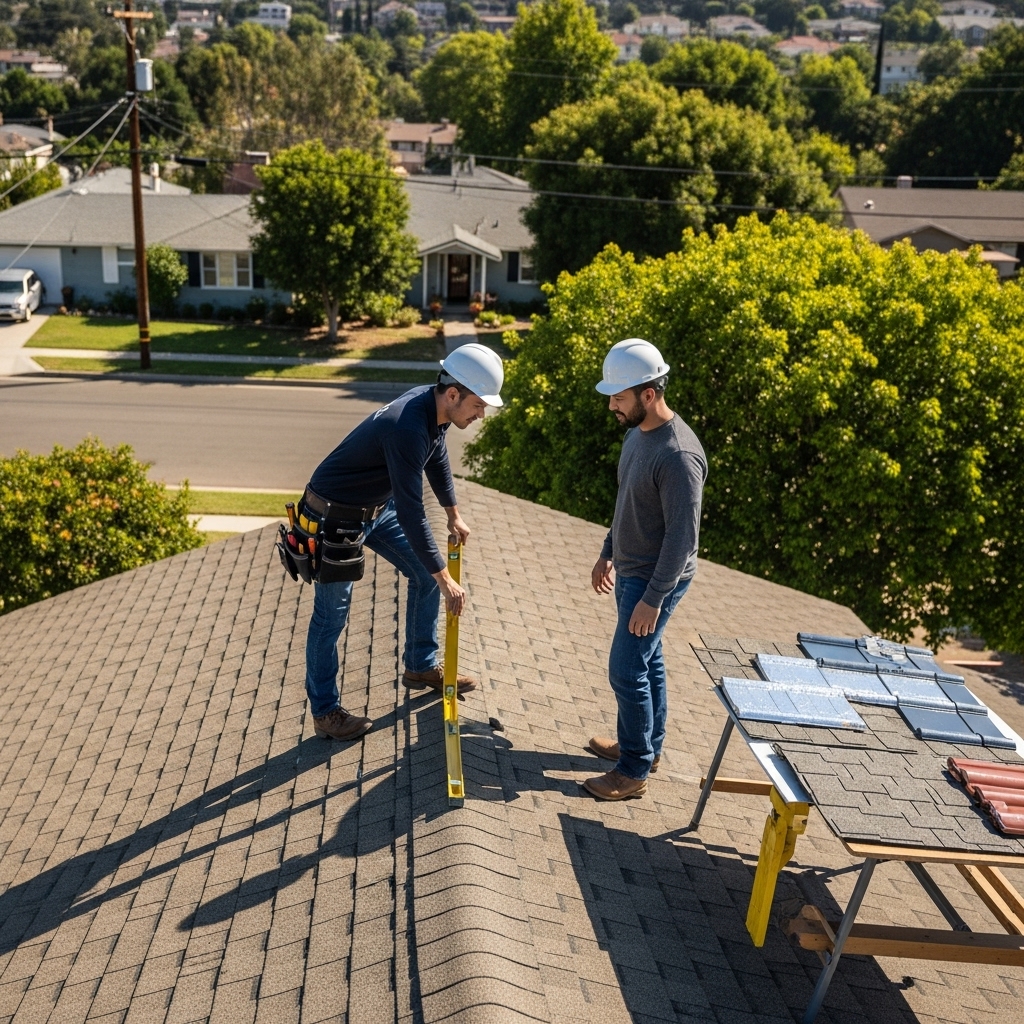
One hallmark of a thoughtful roofing process is the initial assessment. Expect a careful review of the attic or underside when possible, because what is happening beneath the roof surface often tells the story: moisture stains at the sheathing, insufficient ventilation, or compressed insulation. Outside, a contractor should check edge metal, penetrations around vents and skylights, chimney counterflashing, and the condition of gutters and downspouts. In Tarzana, UV radiation is brutal; even premium materials age faster here without proper ventilation and reflective components. A contractor who discusses heat management—ridge vents, balanced intake, and the role of underlayments—demonstrates an understanding of performance, not just appearance.
Many Tarzana homeowners ask about materials, and for good reason. Asphalt shingles remain popular because of their versatility and improved impact and algae resistance. Modern shingles can mimic wood shake or slate while staying within the weight limits that many Valley homes prefer. Tile, whether clay or concrete, is prized for its longevity and distinctive look, but it requires correct battens, flashing details, and structural consideration for weight. On low-slope and commercial roofs, single-ply membranes like TPO or PVC and built-up systems dominate. The right choice depends on slope, exposure, foot traffic, and your building’s mechanical layout. A contractor should explain tradeoffs without jargon, outlining not only what looks best today but what will still look and perform well after years of heat and occasional wind events.
Permitting and code compliance are part of the local equation. The City of Los Angeles, which covers Tarzana, updates its codes regularly, incorporating energy standards and fire safety measures. Proper permits are not red tape; they are documentation that your project meets the region’s safety and performance benchmarks. Ask how your contractor handles permitting, inspections, and final sign-off. Their answer should be confident and transparent, with a timeline that accounts for plan check and inspector availability. When a contractor coordinates smoothly with city offices and keeps you informed, the process feels predictable rather than stressful.
Communication is the backbone of a successful roofing project. Clear proposals detail scope, materials, ventilation strategy, flashing upgrades, and cleanup plans. During the job, a daily progress update—whether delivered in person or sent electronically with photos—helps you understand what stage the crew is on, any discoveries made after tear-off, and what comes next. In our area, it is common to find surprises once the old materials come off, especially around chimneys, skylights, and eaves where water and debris tend to linger. A professional will show you photos, explain the repair options, and keep the work moving forward without drama.
Timing is another consideration unique to the Valley. Summer heat can be punishing on crews and materials, so smart scheduling avoids the worst of midday temperatures. In winter, we plan carefully around storm windows and make sure temporary protections are robust enough to handle sudden showers. For many homeowners and building managers, minimizing disruption is as important as the final result. That is where staging, debris management, and site cleanliness come into play. A well-run job site looks orderly: materials stacked safely, walk paths clear, magnet sweeps for stray nails performed daily, and neighbors kept in the loop when access could be impacted.
Warranties are often discussed as paperwork, but they are really about confidence in the system you are installing. There are two parts: the manufacturer’s coverage for the materials and the contractor’s warranty for workmanship. The best local contractors have relationships with manufacturers that allow them to offer enhanced protections when systems are installed according to specific guidelines. More important, they have a reputation to uphold in the community and plan to be around long after the final inspection. Ask how warranty claims are handled in practice. The answer you want sounds like: we diagnose quickly, we protect the property, and we make it right.
As you continue your search, pay attention to how a contractor educates you. Do they walk you through underlayments and why a synthetic option might fare better against our UV and heat cycle than a basic felt? Do they explain how drip edge and starter courses control water at the eaves, a detail that becomes critical when heavy rain slams against the fascia in a winter storm? Do they look beyond the roof to discuss gutters, attic insulation, and even landscaping that can clog valleys with seasonal debris? When a professional sees the whole picture, your roof lasts longer and performs better, saving you headaches down the line.
Midway through any renovation plan, homeowners often revisit their short list and refine their priorities. If you are at that stage—comparing inspection notes, material options, and projected timelines—it is perfectly appropriate to get a second look at the roof with each finalist. Invite them back to revisit tricky valleys or to talk through skylight upgrades. The more specific the conversation, the more confident you will be with your choice. And if you find yourself thinking, “I still need a trustworthy roofing contractor near me who understands Tarzana homes,” treat that as a sign to choose based on clarity and comfort, not just the proposal itself.
On commercial properties, different considerations rise to the top. Roof access ladders, fall protection anchors, and pathways for technicians matter. Mechanical curbs must be flashed to manufacturer specifications, and the roofer should coordinate schedules with HVAC teams to ensure units are disconnected and reconnected safely. Drainage becomes a design element, not just a detail, because ponding water is a chief enemy of low-slope systems. A reliable contractor documents existing conditions, maps out positive drainage, and plans for overflow scuppers and relief points where appropriate. Maintenance plans are key too, since commercial roofs benefit from seasonal inspections after high-wind events and before rainy periods.
Another point rarely discussed but crucial here is wildlife and vegetation. The Valley’s trees can shed heavily in the fall and after hot, dry stretches. Leaves and seed pods accumulate in valleys and behind chimneys, holding moisture and encouraging rot at the underlayment. Birds and small mammals sometimes explore gaps at eaves and vents. The fix is not complicated—screened vents, sealed gaps, and good housekeeping—but it requires a roofer with a preventive mindset. They should leave your roof better defended than they found it, not just newly surfaced.
Homeowners sometimes hesitate to replace skylights or upgrade flashing when replacing a roof, hoping to save time. In Tarzana, we advise handling those components during the main project. Integrating new skylights and flashing with the new system avoids mismatches and future leaks. Similarly, if you are considering solar, a coordination conversation now ensures the roof deck is ready for mounting systems, with penetrations planned and flashed correctly. A good roofing contractor will either coordinate with your solar provider or recommend a sequence that protects your warranty and keeps everything watertight.
Lastly, think about long-term care. A brand-new roof deserves routine checkups. After the first year, a quick inspection verifies that sealants and flashings are performing. Before the rainy season, a look at gutters, valleys, and penetrations prevents most surprises. The same contractor who installed your roof is often the best one to maintain it; they know the system intimately, and their maintenance notes become a history for future reference. In a community like Tarzana where neighbors talk and refer, that ongoing relationship is part of what makes a local expert so valuable.
Choosing the Right Tarzana Roofing Partner
When you interview contractors, look for proof of local projects, familiarity with hillside access challenges, and a crew structure that emphasizes safety. Ask who will be on your roof and how they are trained. Inquire about decking repairs and how those are handled if discovered during tear-off. You want a contractor who sets expectations clearly, works neatly, and treats your property as if it were their own. Their references should come from nearby streets and neighborhoods you recognize, and their portfolio should reflect the architectural diversity of Tarzana.
Equally important is how they handle unforeseen weather. Rapid deployment of temporary protections, from tarps to secure edge seals, is a skill honed only through experience. In our area, a small storm can turn intense quickly, and a crew that has a plan for securing an open roof is a crew that respects both your home and the elements. The same goes for post-project follow-up; a reliable pro checks in after the first significant rain to confirm everything is as expected.
What a Quality Estimate Includes
A detailed estimate reads like a blueprint. It lists the tear-off scope, specifies underlayments by brand and weight, and identifies all flashings to be replaced or fabricated. It explains ventilation strategy, whether through ridge vents, gable vents, or a balanced system of intake and exhaust. It addresses skylights, chimneys, and satellite mounts, clarifying who handles removal and reinstall. It outlines site protection measures, including landscaping safeguards and deck covering. And it presents a reasonable timeline that accounts for material lead times and inspection scheduling.
When an estimate is clear, you can compare apples to apples. If two bids look far apart, it is usually because one includes essential details the other omits. Ask questions until you understand the differences. A contractor who takes time to educate you is investing in the relationship, not rushing to a signature. That attitude often mirrors how they will manage your job from start to finish.
Expectations During the Project
On day one, you should see protective coverings go down over vulnerable areas, from garden beds to paved walkways. Tear-off is typically the noisiest phase, and it moves quickly with an organized crew. Once the deck is exposed, the team should pause to evaluate the sheathing. Any soft sections are replaced immediately, ensuring a solid substrate for the new system. As underlayment and flashing go in, the roof starts to look tidy, and you can track progress each day. By the time shingles or tiles are installed, the messy part is behind you, and final detailing brings the roof to life.
Punch lists matter. A conscientious foreman reviews pipe boots, attic vents, ridge caps, and paint touch-ups on flashing. Cleanup is not an afterthought; it is part of the craft. Magnetic sweeps, debris removal, and a final walk-through with photos give you confidence that the work has been done right. The last step is documentation: warranty registration, city inspection approval, and a packet of before-and-after images for your records.
Frequently Asked Questions
How do I know if my roof needs repair or full replacement?
Age, recurring leaks, widespread granule loss, curled shingles, or brittle underlayment are signs that replacement may be wise. Localized damage around a vent or chimney might be repairable, but when problems show up across multiple areas, a full system upgrade typically performs better and lasts longer.
What roofing materials work best in Tarzana?
Asphalt shingles with reflective options perform well on pitched roofs, while clay or concrete tile suits certain architectural styles. For low-slope roofs, TPO, PVC, or built-up systems are common. The best choice depends on slope, exposure, and ventilation, which a local contractor will evaluate on site.
How long does a typical roofing project take?
Most single-family pitched roofs can be completed in several days depending on size, complexity, and inspection timing. Commercial and low-slope projects vary more widely because of staging, mechanical coordination, and weather windows.
Do I need to be home during the work?
Not necessarily. Many clients prefer to be away during tear-off because of noise, but access for power and occasional attic checks helps. Your contractor will coordinate entry needs and daily updates so you always know the status.
Can my roof be installed around my solar panels?
Yes, but it requires coordination. Often, it is best to remove and reinstall panels to ensure proper flashing and warranty coverage. Planning this sequence with your roofer and solar provider prevents leaks and protects both systems.
What about ventilation—why is it emphasized so much?
In our hot Valley climate, proper ventilation reduces heat buildup, preserves shingles and underlayments, and improves indoor comfort. Balanced intake and exhaust help manage moisture year-round, reducing the risk of deck damage and mold.
How often should I schedule roof maintenance?
We recommend seasonal checkups before the rainy months and after significant wind events. Clearing debris, inspecting flashings, and verifying sealants can prevent small issues from becoming bigger problems.
Will a new roof change the look of my home significantly?
It can, in a good way. Color, profile, and edge details influence curb appeal. Your contractor can show mockups or nearby examples so you can visualize how different materials complement your home’s architecture and neighborhood.
If you are ready to protect your home or business with a roof that fits Tarzana’s climate and your long-term plans, reach out to a trusted local professional. Start the conversation, ask your questions, and expect clear guidance backed by real neighborhood experience. When you are ready to move forward with a roofing contractor near me, choose a team that treats your property with care, communicates every step, and stands behind the work long after the final inspection.