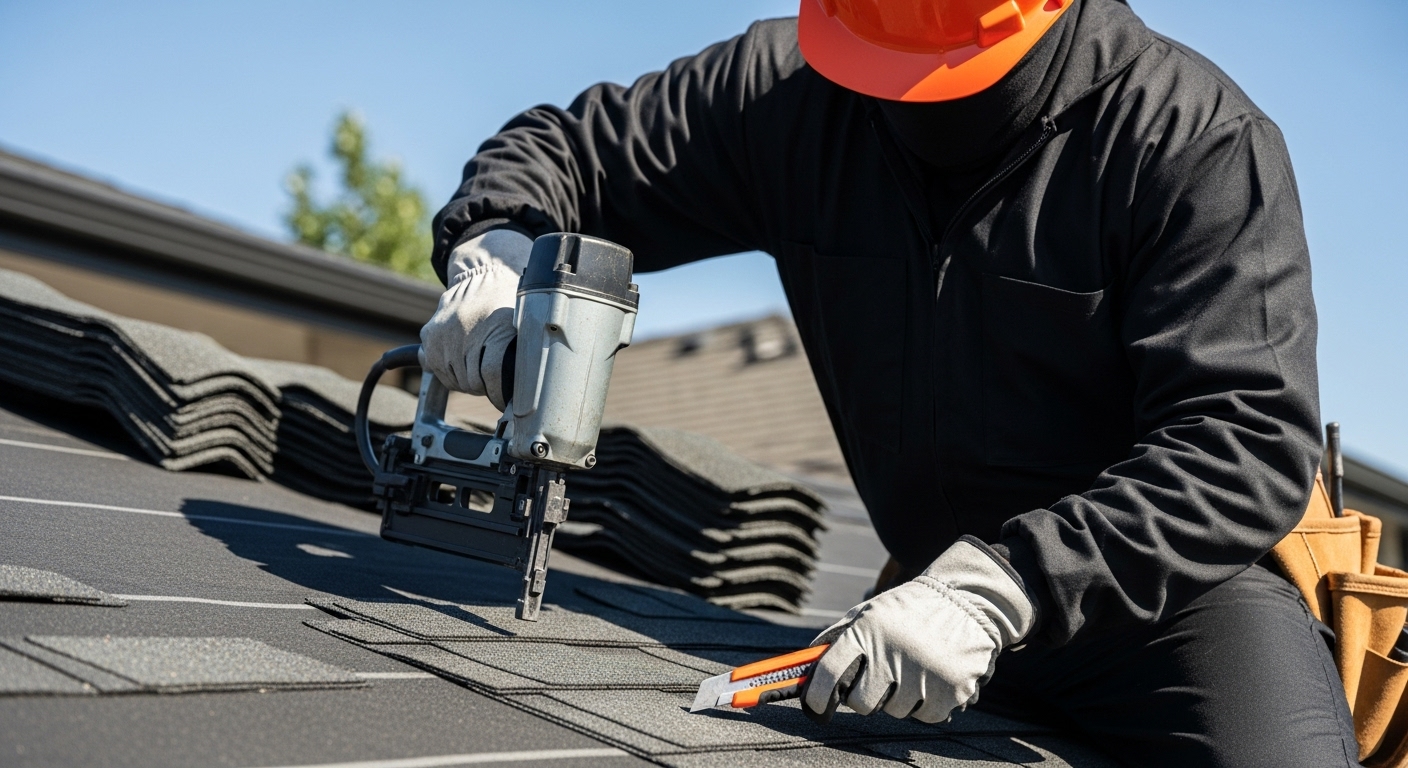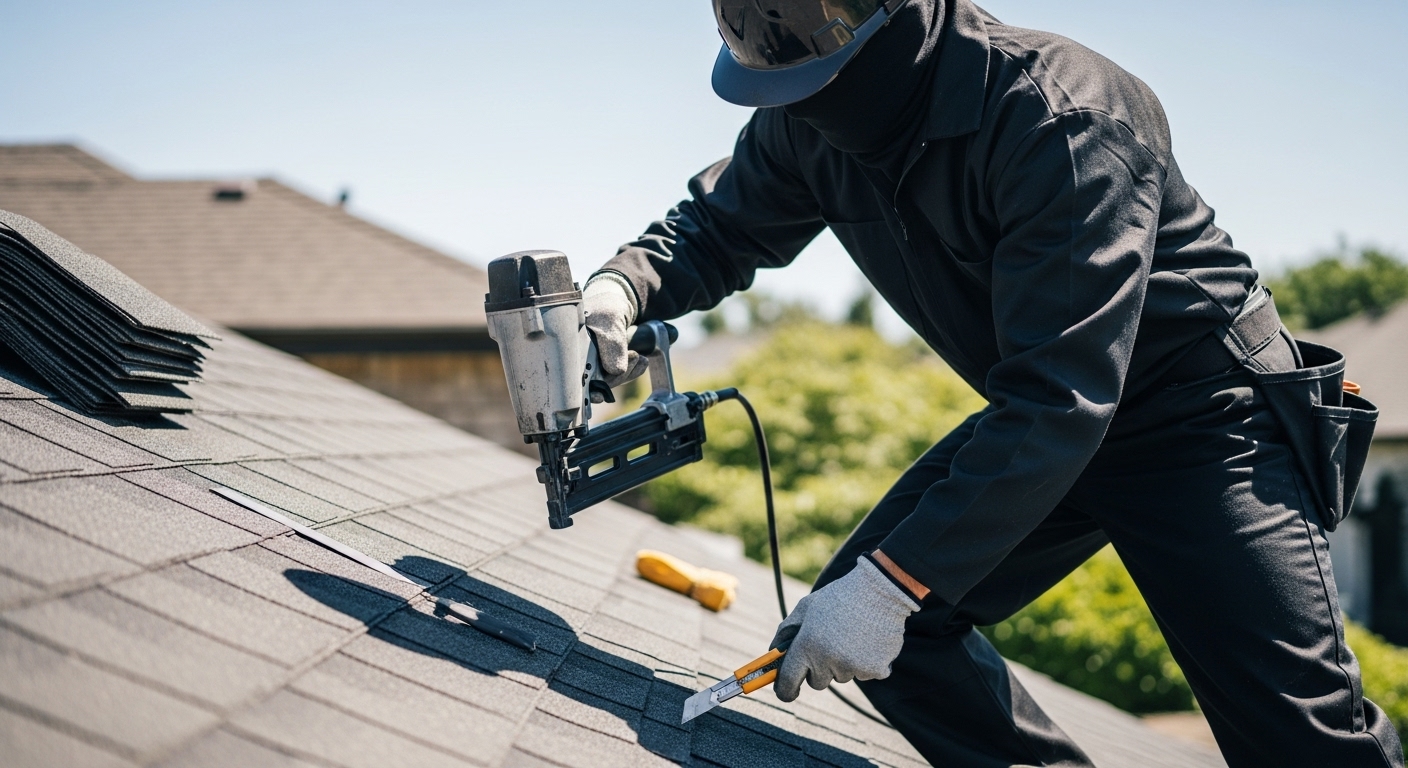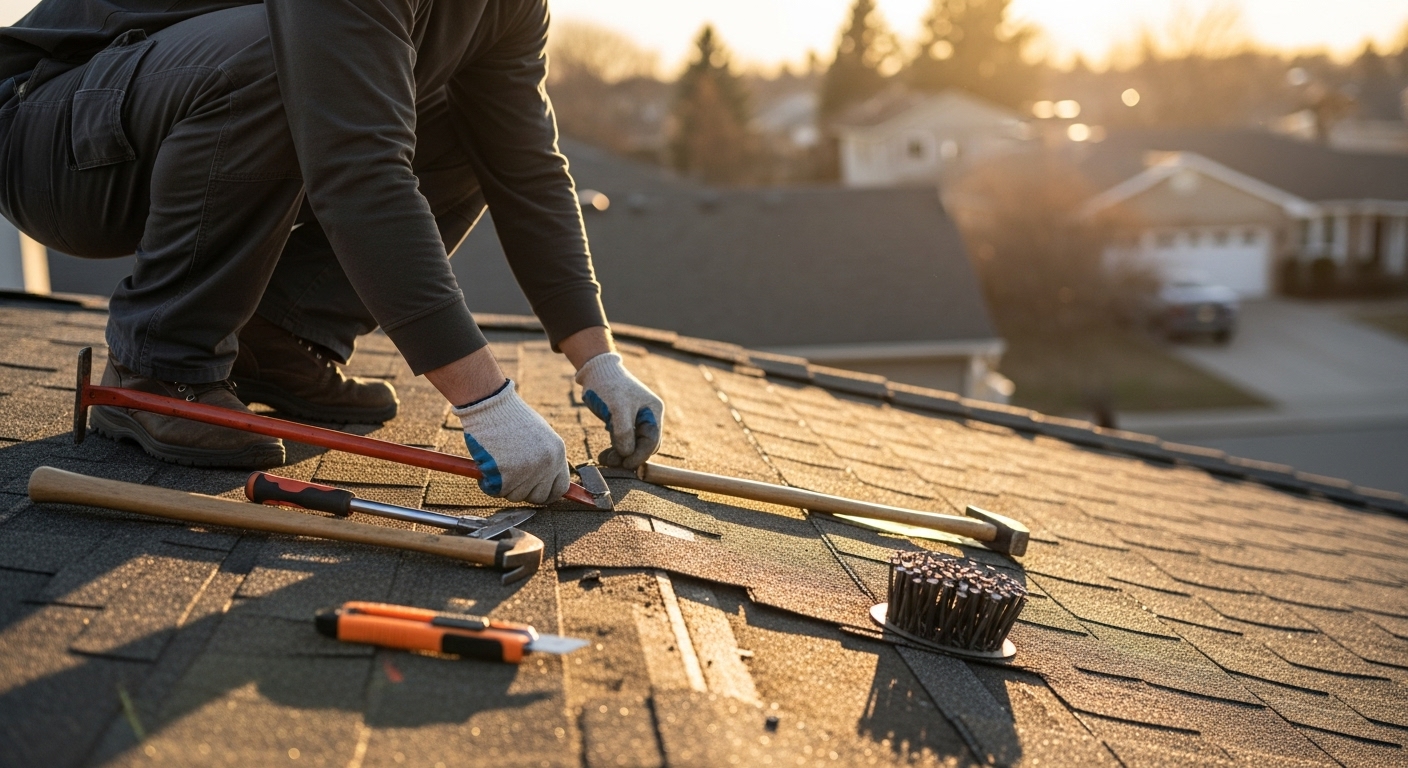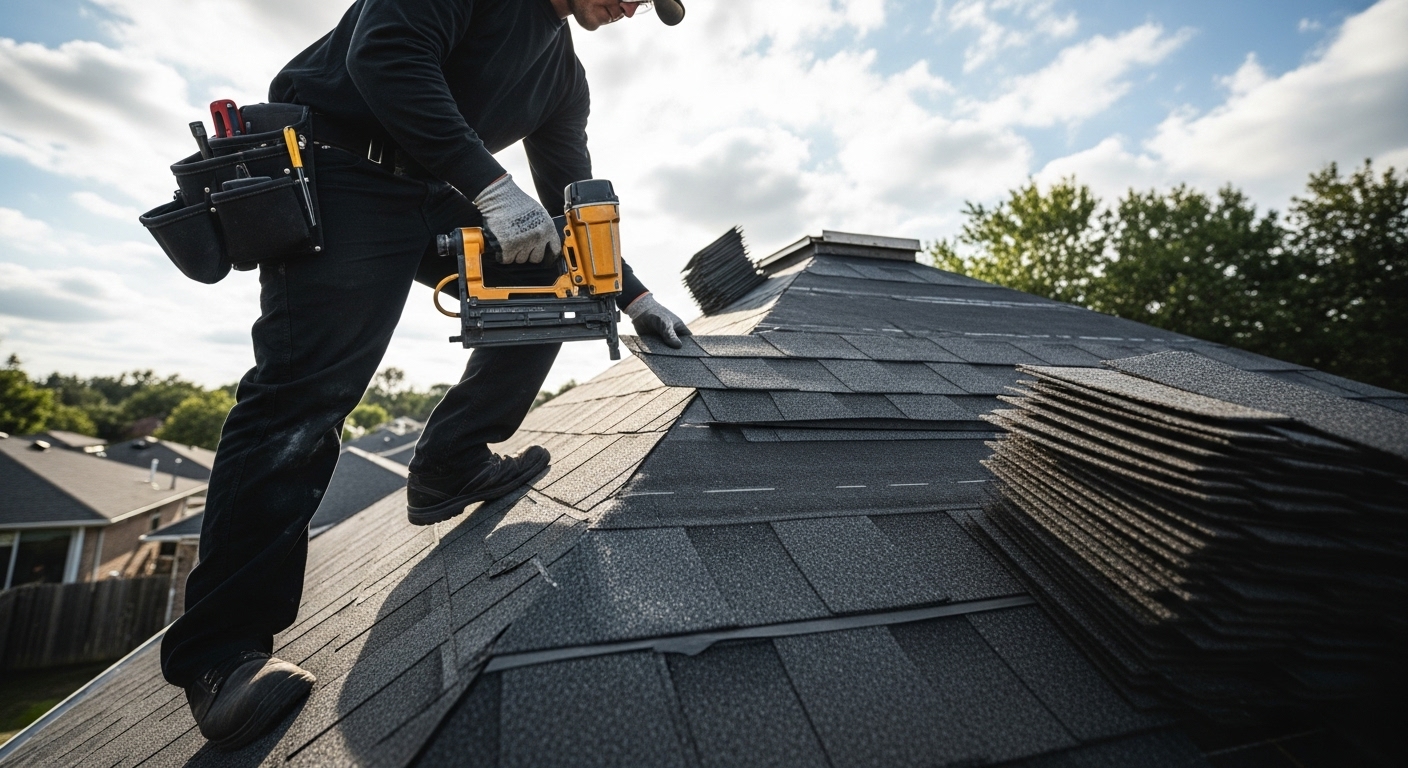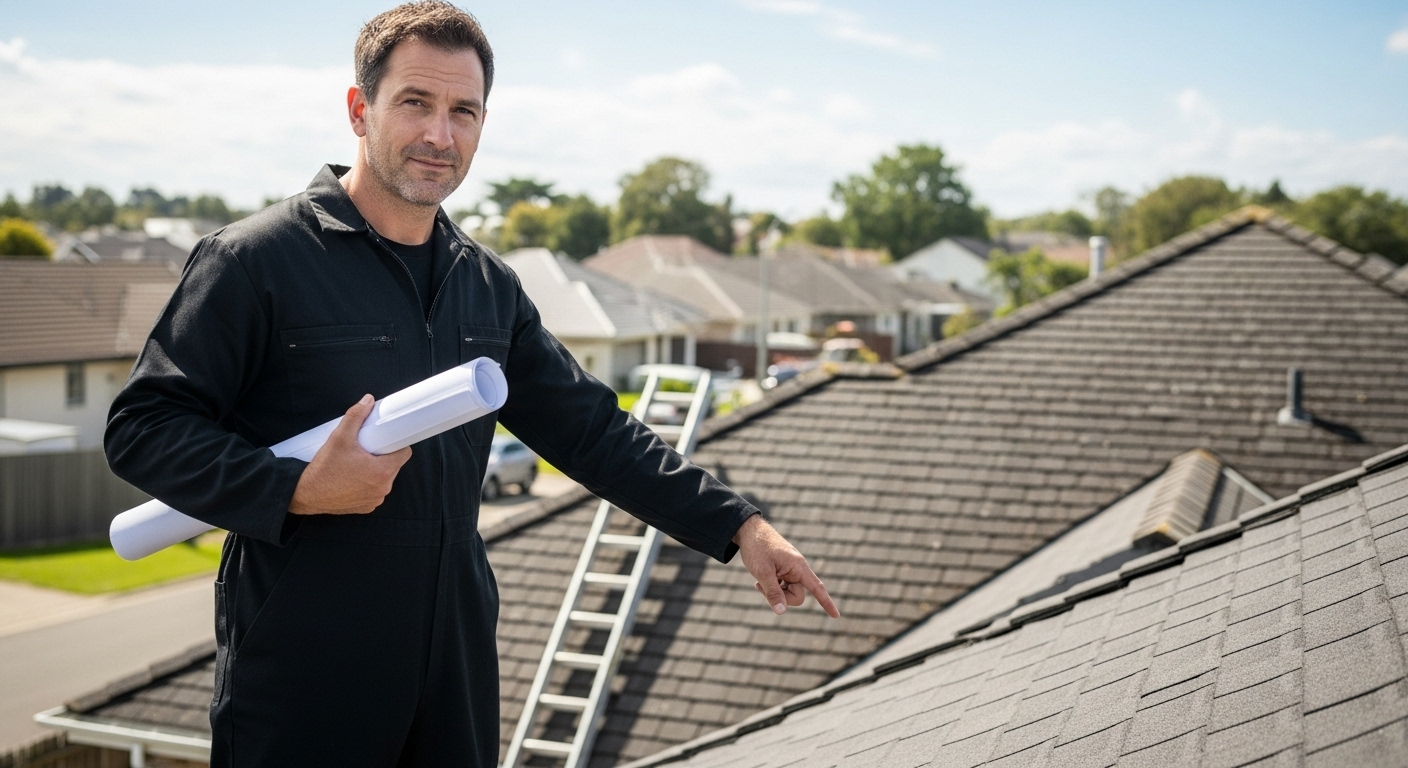
Ask three Tarzana homeowners about the best time of year to replace a roof and you will hear three different answers—each shaped by personal schedules, the house’s condition, and our Valley’s distinctive climate. The truth is that Tarzana offers multiple good windows for roof work, provided your contractor plans around heat, wind, and the short bursts of rain that mark our cooler months. Choosing the right moment is more about strategy than luck: coordinating inspections, staging materials, and customizing the installation pace to local weather. If you are weighing your options now, it helps to pair that timing conversation with guidance from experienced roof replacement teams who navigate these rhythms every season.
What makes Tarzana unique is the balance of long, sunny stretches and occasional weather events that demand respect. Summer sun can be intense, while fall often brings stable conditions that make for smooth scheduling. Winter is not severe by many standards, but when it rains, it tends to do so in short but meaningful clusters, and that is exactly when you appreciate a contractor who sequences tear-off and dry-in work intelligently. Spring can be a prime time to get ahead of heat and to lock in a schedule before calendars fill up.
Summer: early starts and heat-wise planning
Summer is when roofing crews sharpen their scheduling discipline. In Tarzana, heat drives early start times, carefully planned breaks, and smart staging that keeps materials shaded until needed. Premium underlayments are chosen with temperature resistance in mind, and crews balance exposure so that no more of the deck is uncovered than necessary at any given time. For homeowners, summer projects can be very successful, particularly on roofs that are straightforward and well-ventilated once the new system is in place.
If you work from home, expect daytime noise and foot traffic, especially during early hours when crews take advantage of cooler temperatures. Good contractors will map out daily routines with you, coordinate parking for deliveries, and ensure that landscaping is protected. Summer also calls for meticulous attention to safety. Steep slopes and reflective surfaces raise temperatures further, so experienced crews plan their sequences to sustain quality throughout the day.
Fall: a favored season for smooth execution
Fall is often a favorite for Tarzana homeowners and contractors alike. Cooler temperatures and relatively stable weather simplify scheduling and inspection coordination. By aiming for this window, you position your home well ahead of winter rains. The crew can move efficiently, and materials like shingles, tile underlayments, and sealants behave predictably. If your project includes ventilation improvements, fall is an ideal moment to lock them in before the next hot season arrives.
Because fall is popular, calendars can fill quickly. If you want this timing, it pays to plan early. A clear scope and a firm schedule ensure that permits, materials, and crew availability line up neatly, minimizing the chance of last-minute adjustments.
Winter: watchful eyes on the forecast
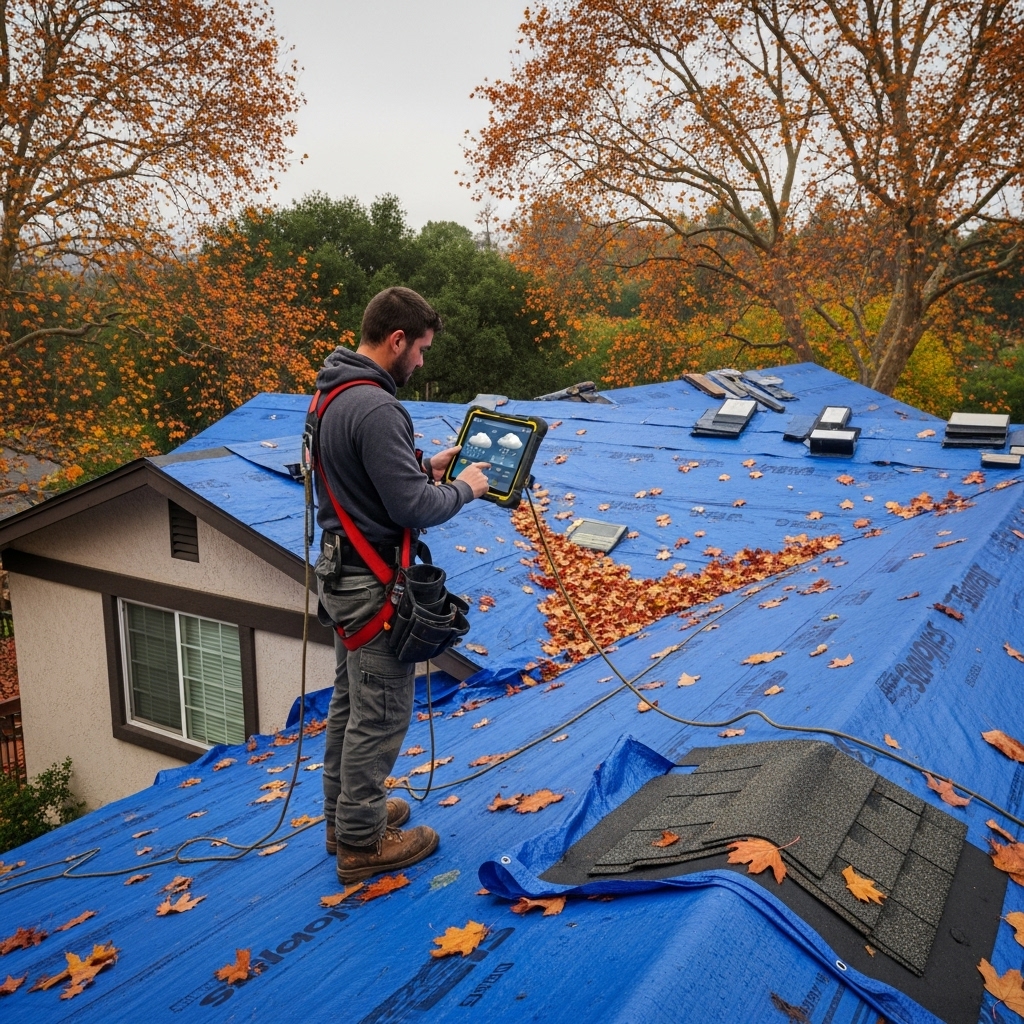
Tarzana winters are mild, but rain clusters demand planning. Responsible contractors watch forecasts closely and avoid exposing large sections of the deck if rain is near. They will stage tarps and temporary protection to ensure your home stays dry if a shower arrives during the workday. With careful sequencing, many winter projects proceed without issue, particularly when crews focus on completing each section to a watertight state before opening new areas.
Another advantage of winter work is flexibility. While some homeowners prefer to wait for spring, winter schedules can sometimes accommodate projects sooner, especially if you want the roof ready ahead of peak spring demand. The keys are weather awareness and a contractor who prioritizes protection over speed when conditions change.
Spring: get ahead of the heat and the rush
Spring blends comfortable temperatures with rising demand. As days lengthen and dry out, many homeowners decide it is time to replace aging roofs before summer heat. This seasonal mindset makes spring a great opportunity to install a cool roof system, improve ventilation, and fine-tune attic airflow before the hottest months arrive. Crews enjoy steady conditions, and materials are easy to work with in mild temperatures.
Because spring can become busy, early planning is your friend. Getting on the schedule before calendars fill lets you choose dates that minimize disruption at home—vacations, school events, or home office priorities. A well-prepared plan accelerates permits and inspection coordination, keeping your project smooth from start to finish.
Weather factors that influence scheduling
Heat, wind, and rain each leave their mark on scheduling decisions. Heat encourages early starts, limits mid-day tear-off, and prompts careful material handling to prevent premature adhesion or scuffing. Wind brings attention to edge details, ridge vents, and how materials are secured even before final fastening. Rain demands sequencing that always keeps your home protected, with sections completed to watertight stages before moving on.
In Tarzana, the Santa Ana winds can arrive in fall and winter, and responsible crews adjust accordingly. They will avoid opening large, vulnerable areas on high-wind days and may schedule detail-oriented tasks—like flashing work—during those periods to maintain momentum without risking exposure.
Household considerations when choosing timing
Your life matters just as much as the weather. If you have young children or pets, talk with your contractor about noise and access. If you rely on your home office, ask about the noisiest phases so you can plan meetings around them. If your property has sensitive landscaping, request specific protection measures and a daily cleanup routine. These conversations ensure your roof project fits your routine rather than overtaking it.
Some homeowners plan roof work alongside other improvements. If you are repainting the exterior, rebuilding a patio cover, or upgrading gutters, sequencing matters. Roofing typically precedes exterior paint and follows structural work that attaches to the house. Coordinating timing prevents rework and keeps all trades moving in the right order.
Permits, inspections, and HOA coordination
Because Tarzana is within the City of Los Angeles, permits and inspections are part of the process. Lead time for paperwork and inspection scheduling is a quiet factor in choosing the best time. Fall and spring often make coordination straightforward, but good contractors handle these steps smoothly year-round. If your neighborhood has an HOA, factor in their review timeline for materials and colors, especially for tile profiles or distinctive metal finishes.
Documentation is your ally. A clear plan, material specifications, and a schedule that aligns with inspection checkpoints help keep the project predictable, regardless of season. The more organized your team is, the less your experience hinges on the calendar.
Material behavior and seasonal performance
Different materials respond to temperature in different ways. Shingles tend to seal more quickly in mild warmth, while tile and metal require attention to expansion, contraction, and handling. Underlayment choice matters across seasons, but especially in summer when heat resistance is paramount. Ventilation upgrades improve year-round performance, moderating attic temperatures in summer and reducing moisture accumulation in cooler months.
If you are aiming for maximum energy comfort, pairing a cool roof shingle with balanced attic ventilation is a proven strategy in the Valley. Planning those components into your project, regardless of season, gives your home steadier indoor temperatures and supports the longevity of the roof system.
Preparing your home for installation
Whatever the season, a little preparation goes a long way. Move patio furniture, cover sensitive items in the attic, and plan parking for delivery trucks. Share any special considerations—like a sleeping baby’s schedule or a pet that needs a secure space—with your contractor. Good crews thrive on clear expectations; they will protect landscaping, manage debris, and keep the site tidy at day’s end. Those predictable rhythms matter as much as the technical details atop the roof.
It is also smart to communicate with neighbors. A quick heads-up about the schedule reduces surprises, and courteous contractors will help by managing noise and street access as responsibly as possible. Roof work is temporary; good communication makes it feel that way.
Choosing the right contractor for the right season
Skill and timing go hand in hand. Contractors comfortable with summer heat know how to pace work and protect materials. Teams who thrive in winter watch forecasts and keep protection close. In every season, the standouts are those who don’t cut corners at transitions—chimneys, skylights, and roof-to-wall intersections—because those details keep your home dry when conditions change. Ask potential contractors to explain how they adapt their process by season. Their answers will tell you a lot about their experience and care.
Reference checks are helpful here. Ask for recent projects completed in the season you are targeting. Photos and homeowner feedback will show you what to expect, from site protection practices to the finished look and how well the roof performs under seasonal stress.
Frequently Asked Questions
Below are answers to the questions Tarzana homeowners often ask when choosing the best time for a roof replacement. Let them guide your planning and conversations with contractors.
Is there a single best month to replace a roof in Tarzana?
No single month is universally best. Fall and spring often offer the steadiest conditions, but well-planned projects succeed in summer and winter, too. The most important factors are forecast awareness, careful sequencing, and a contractor who adapts to conditions in real time.
Will summer heat compromise installation quality?
Not when managed correctly. Experienced crews start early, stage materials thoughtfully, and limit open decking during peak heat. High-quality underlayments with heat resistance and good ventilation design keep the system stable once installed. Summer projects can be excellent when these practices are followed.
Is winter roofing risky because of rain?
Winter requires vigilance, not avoidance. Contractors should watch forecasts, avoid exposing large areas ahead of rain, and keep protection on hand. By completing sections to watertight stages before opening new areas, crews can deliver successful results through winter’s occasional showers.
How far in advance should I schedule?
As early as practical. If you prefer fall or spring, secure your spot ahead of the seasonal rush. Early scheduling also streamlines permits, material orders, and inspections, giving you a predictable start date and a calmer experience overall.
Do material choices change with the season?
Core system choices remain consistent, but details may shift. In summer, heat-resistant underlayments and careful handling prevent scuffing or premature adhesion. In cooler months, crews pay attention to sealant behavior and curing times. Your contractor will tailor techniques to the season while staying true to the manufacturer’s guidelines.
Can I coordinate roofing with other projects?
Yes, and it is smart to do so. Roofing typically precedes exterior painting and follows structural work that ties into the roof. If you plan to add solar, discuss timing early so mounting and flashing integrate cleanly. A coordinated schedule reduces rework and keeps all trades moving efficiently.
When you are ready to settle on dates and want a plan that respects both your routine and Tarzana’s climate, partner with a team that sets realistic schedules, communicates clearly, and executes with care. For a project roadmap, material options, and timing that fits your life, connect with trusted roof replacement specialists who will guide you from first consultation to final inspection with confidence.