Choosing Materials With Tarzana’s Climate in Mind
Picking the best roof replacement materials for a Tarzana home is an exercise in balancing style, performance, and the realities of our warm Valley climate. Sun drives the conversation here. Long summer afternoons test adhesives and coatings, while seasonal winds sweep down from the passes and over the foothills south of Ventura Boulevard. The most successful roofing systems are those that anticipate heat, manage airflow gracefully, and present a profile that looks at home among our mix of ranch, Spanish, and contemporary architecture.
Before you dive into sample boards, it helps to understand how a roofing system works as a whole. Decking, underlayment, flashings, field material, hip and ridge components, and ventilation all work together. That system perspective is why homeowners often start by discussing roof replacement as a coordinated project rather than a series of disconnected choices. When components match and support one another, the roof looks cohesive on day one and continues to perform season after season.
Architectural Asphalt Shingles: Versatile and Valley-Smart
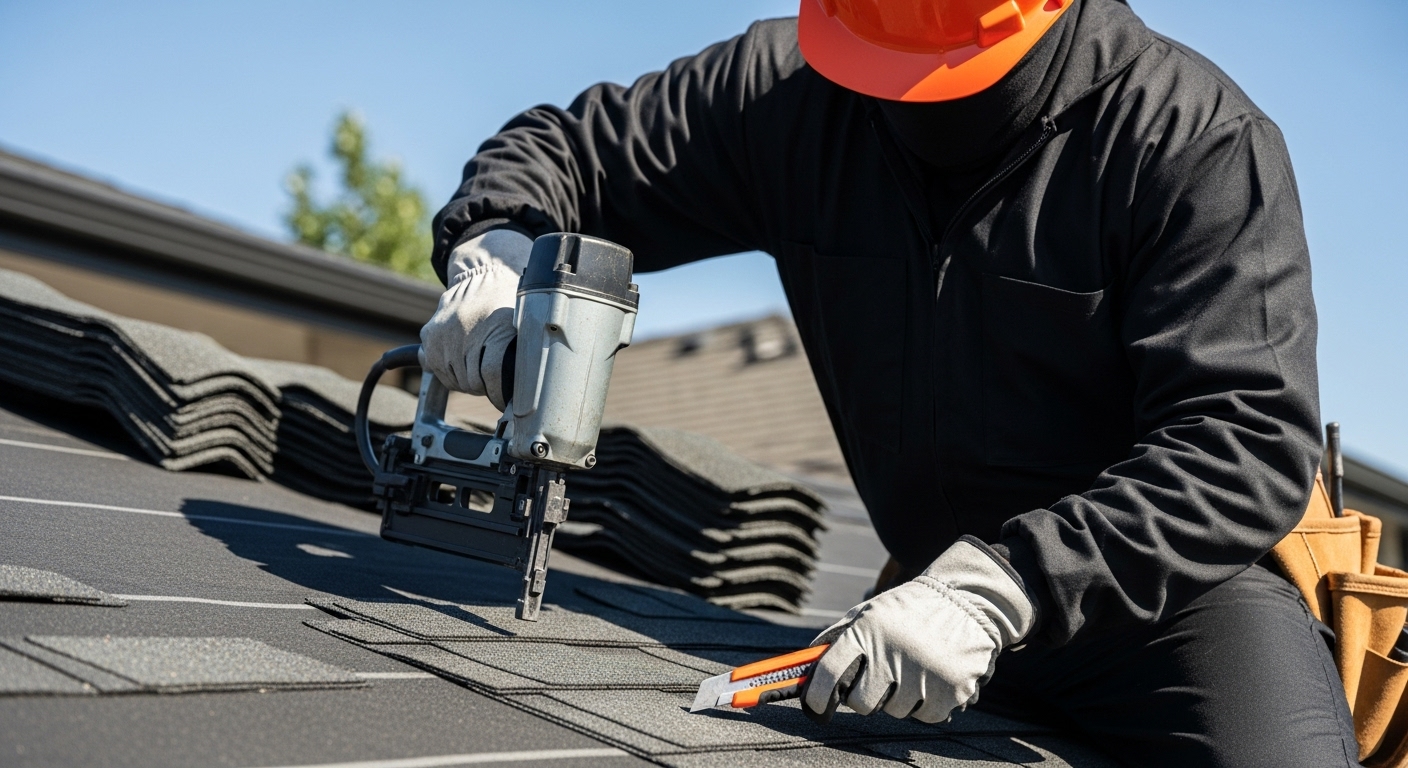
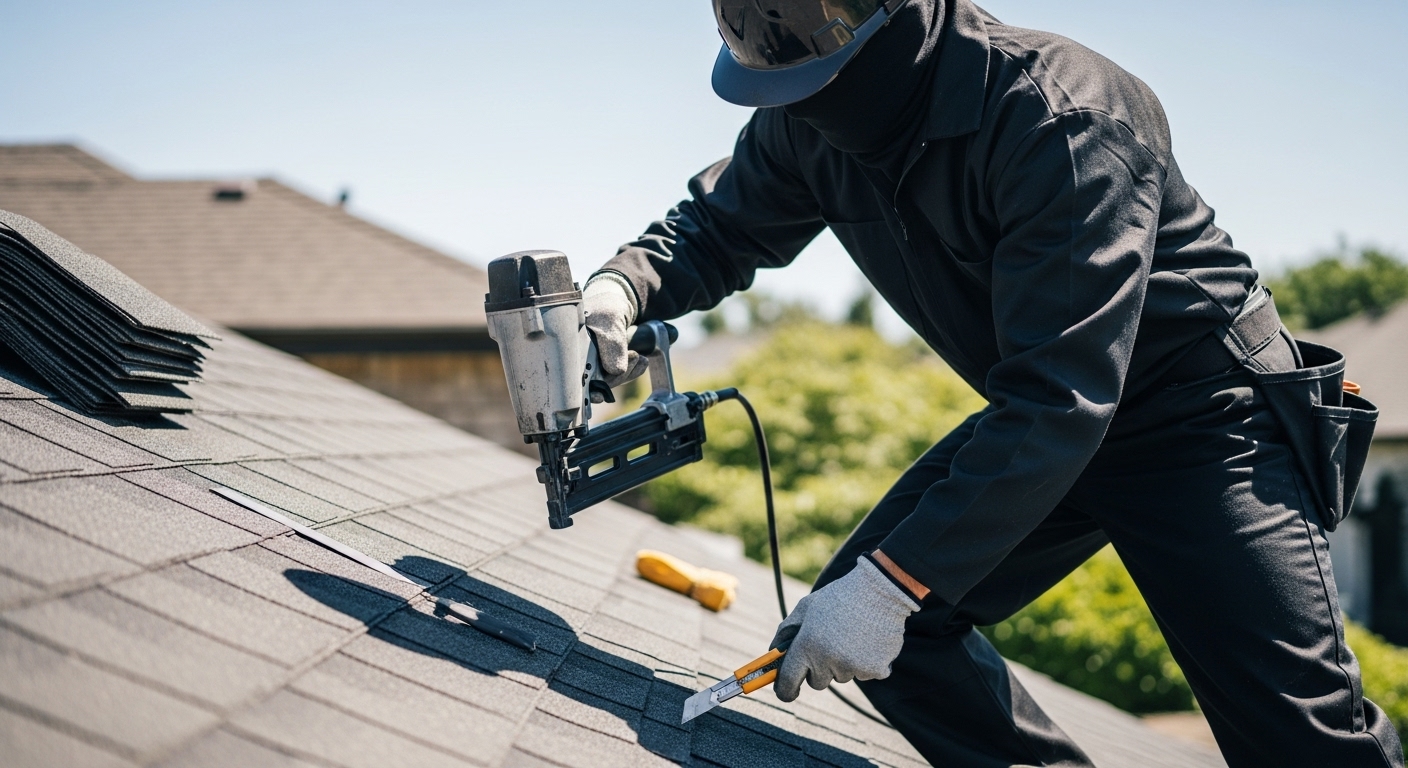
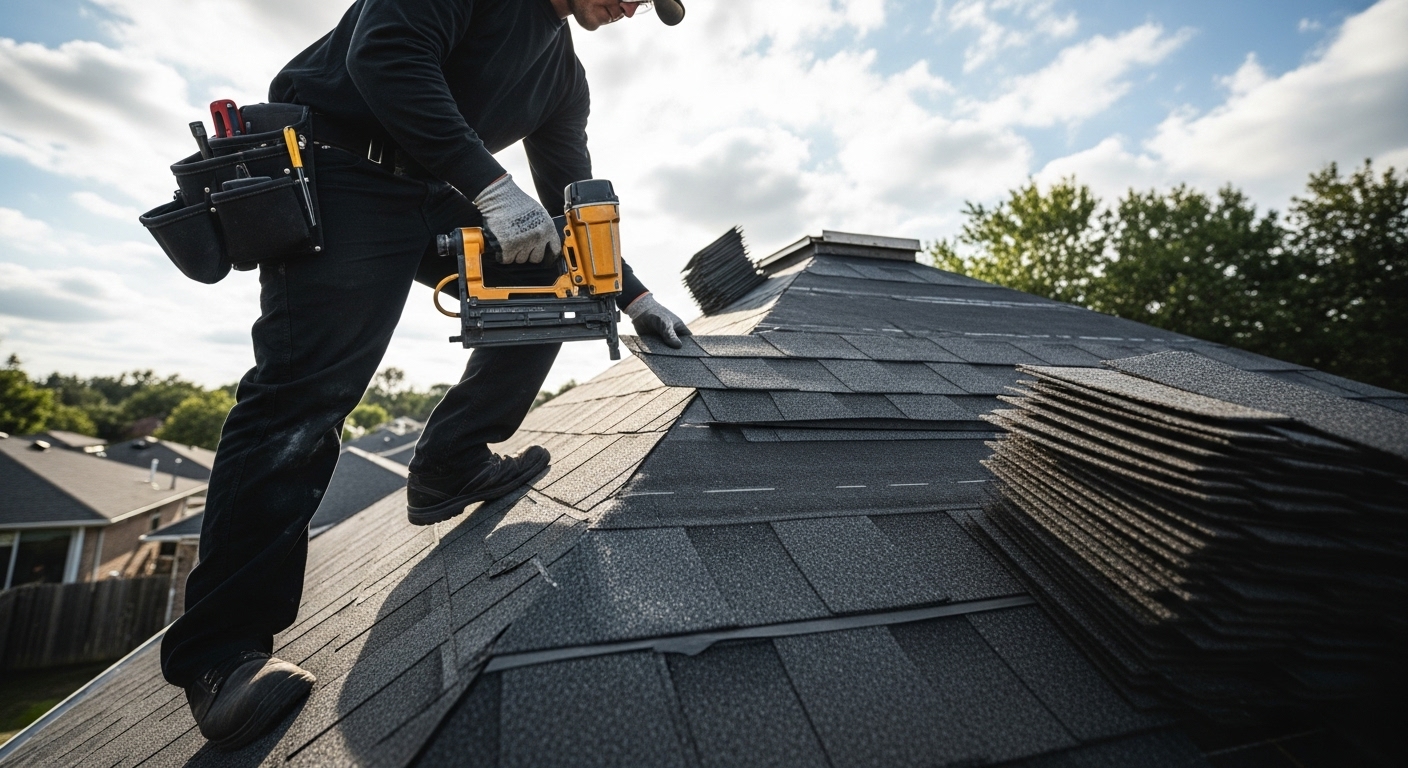
Architectural shingles remain a favorite across Tarzana for good reasons. They offer dimensional texture, strong fire performance, and a wide palette of colors—including cool roof options that reflect more sunlight and help reduce heat gain. On single-story ranch homes along tree-lined streets, they deliver a familiar, comfortable look; on two-story contemporaries, they offer crisp definition without overwhelming the facade. Under our sun, high-temperature rated underlayments below the shingles are a wise pairing, maintaining stability and resisting wrinkling or uplift as temperatures rise and fall.
Edge details matter with shingles. Drip edges protect the deck and fascia, while starter strips and matched hip and ridge components provide a clean, durable finish at the lines your eye notices most. In debris-prone areas beneath mature trees, enhanced valley designs that shed leaves prevent pooling and keep water moving during winter showers.
Clay and Concrete Tile: Timeless Texture and Heat Resilience
For Spanish and Mediterranean-inspired homes, clay and concrete tiles create a timeless silhouette. Their mass and profile help buffer heat, and they pair beautifully with stucco walls, wrought iron accents, and terraced landscaping common on Tarzana’s sloped lots. Tile systems require attention to weight, substrate preparation, and flashing details unique to their profiles. In many cases, battens and high-temperature underlayment build a robust foundation beneath the field tiles, while carefully formed flashings maintain clean lines at chimneys, walls, and valleys.
When replacing older tile roofs, it is important to evaluate the deck condition and the capacity of the framing. Reinforcement may be recommended for structural peace of mind. Also consider color fastness and surface finishes designed to resist UV exposure, keeping the roof’s rich tones vibrant through the Valley’s sunny seasons.
Standing Seam Metal: Modern Lines and Lasting Strength
Standing seam metal roofs have grown in popularity on hillside homes and modern renovations. Their sleek panels and concealed fasteners deliver a clean, contemporary appearance with strong resistance to wind and fire. Light, reflective finishes can assist with heat management, and because panels are often custom-fabricated, they can accommodate complex geometries with precision. Successful installations in Tarzana rely on careful planning of thermal expansion, proper underlayment selection, and meticulous detailing at penetrations. When done well, the result is both striking and exceptionally durable.
Metal often pairs nicely with mixed-material exteriors—stucco, wood, and glass—common in renovations across the Valley. Consider how the sheen and color will interact with sunlight at different times of day and whether you prefer a matte or satin finish to temper reflections.
Low-Slope Solutions for Additions and Patios
Many Tarzana homes include low-slope sections over additions, patios, or garage transitions. These areas demand membranes designed to manage ponding risk and UV exposure. Modified bitumen, TPO, and PVC are common choices, each with distinct advantages. The key is integration: clean terminations, well-executed transitions to adjacent sloped areas, and flashing details that keep water moving. On patios shaded by large trees, debris management matters as much as membrane selection, so discuss maintenance expectations with your contractor.
Insulation above or below the deck may be part of the conversation for comfort, especially when living spaces sit directly under low-slope roofs. Coordinating insulation with ventilation in adjacent sloped sections preserves a consistent thermal profile across the whole structure.
Underlayment: The Hidden Workhorse
Under the surface, high-temperature rated synthetic underlayments have become the go-to in our climate. They offer stability in heat, excellent walkability for crews, and strong resistance to wind-driven rain during construction. In key areas like eaves and valleys, self-adhered membranes provide an extra layer of defense. Think of underlayment as the safety net that supports your chosen field material; if you are investing in a premium look up top, give equal attention to what lies beneath.
In tile systems, underlayment plays an outsized role because tiles themselves are not the primary waterproofing layer. Specification should align with the expected lifespan of the field material so that the assembly ages gracefully as a unit rather than forcing early replacement of a single component.
Ventilation and Accessories: Completing the System
A balanced ventilation plan is essential in Tarzana. Intake at the eaves and exhaust at the ridge or through low-profile vents keep attics cooler and support manufacturer warranties. Even the best materials suffer in stagnant heat, so your selection process should always include a ventilation check. Accessories like pipe boots, attic screens, and skylight flashing kits round out the system and are worth specifying by name to ensure compatibility and performance.
Color-matched flashings and low-profile vents help maintain a clean look. Small touches—like consistent ridge caps and neatly aligned fasteners on metal panels—make the difference between a roof that looks okay and one that looks expertly crafted.
Blending Performance With Curb Appeal
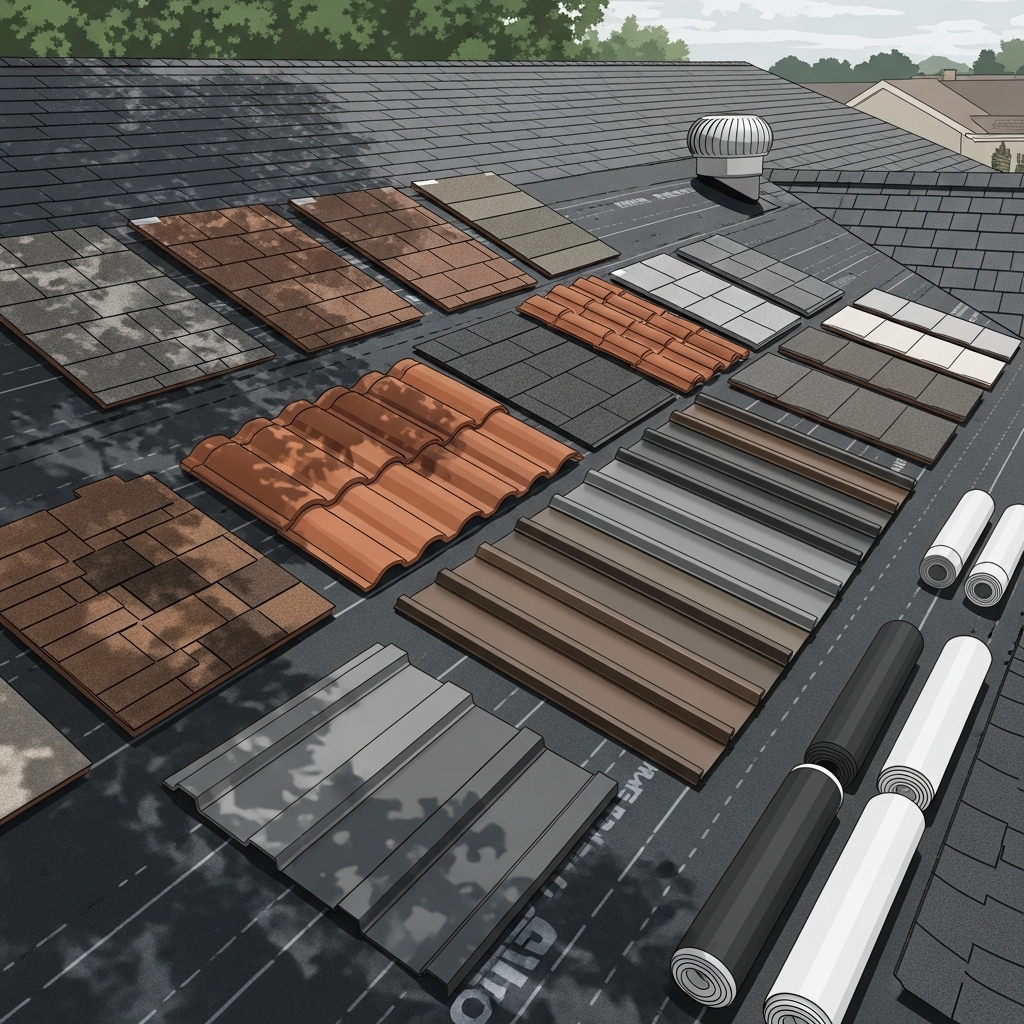
Material selection is also a design choice. Walk your block and notice patterns: warm earth tones on tiles, charcoal and weathered wood tones on shingles, or muted grays on metal. The best roofing projects feel natural in their setting while quietly improving the home’s character. Sample boards viewed outdoors in full light are more honest than showroom lighting, and nearby reference projects provide living examples of how colors read from the street.
If you plan future solar, talk with your contractor about panel layout and attachment zones while selecting materials. Certain profiles simplify attachment and flashing, preserving the integrity of your new roof when panels arrive.
Maintenance and Longevity in the Valley
Regardless of the material you choose, simple maintenance goes a long way in Tarzana. Seasonal gutter cleaning, clearing leaves from valleys, and visual checks after windy days protect your investment. After a replacement, a first-year inspection confirms everything is settling as expected and provides an opportunity to fine-tune ventilation or sealant touch-ups if needed. Good materials installed thoughtfully tend to be low maintenance, but periodic attention keeps them at their best.
When you want to see how these choices come together as a cohesive plan, ask a local expert to walk you through a complete roofing replacement scope tailored to your home’s architecture and microclimate. The conversation connects aesthetics with performance so your decision feels both beautiful and practical.
Q&A: Materials for Tarzana Roof Replacements
Which materials stay coolest in Tarzana’s sun?
Cool-rated asphalt shingles, light-colored tiles, and reflective metal finishes can all help reduce heat absorption. Pairing them with balanced attic ventilation further improves comfort inside the home.
Are tiles too heavy for older homes?
Not necessarily. Many older homes can support tile with proper engineering and substrate preparation. A structural review determines whether reinforcement is advisable so weight and safety are addressed confidently.
How do I choose between TPO, PVC, and modified bitumen for low-slope areas?
Each has strengths. The best choice depends on sun exposure, debris patterns, foot traffic, and adjacent roof materials. The key is designing transitions carefully and selecting components that work as a system.
Will metal roofing be noisy during rain or wind?
With solid decking, high-quality underlayment, and proper fastening, modern metal roofs are quiet. In our climate, the bigger considerations are expansion detailing and color choice, which affect heat management and appearance.
Do cool roof shingles limit my color choices?
Manufacturers offer a wide range of cool-rated colors today, including warm grays, taupes, and lighter charcoals that harmonize with many Tarzana exteriors. Viewing samples outdoors helps you pick the tone that fits your home.
Can I mix materials on different sections of the roof?
Yes, many homes combine shingles on the main house with a membrane on low-slope additions. The crucial part is designing transitions so water moves off cleanly and flashings remain watertight.
How important is underlayment in tile systems?
It is critical. Because tiles are not the primary waterproof layer, high-performance underlayment matched to the expected life of the system is essential to long-term success in Tarzana’s heat.
Will my new material choice affect future solar installation?
It can. Coordination during the roofing project can reserve attachment zones and plan conduit paths, making future solar integration clean and watertight without unnecessary penetrations.
Bring Your Tarzana Roof Vision to Life
If you are weighing shingle, tile, metal, or a combination for low-slope sections, let’s walk your home and discuss how each option performs on your block and in our climate. We will translate aesthetics and performance into a clear plan that fits your goals. For a streamlined path from samples to a beautifully finished roof, connect with specialists in roof replacement services and feel confident from the first pick of color to the final ridge cap.