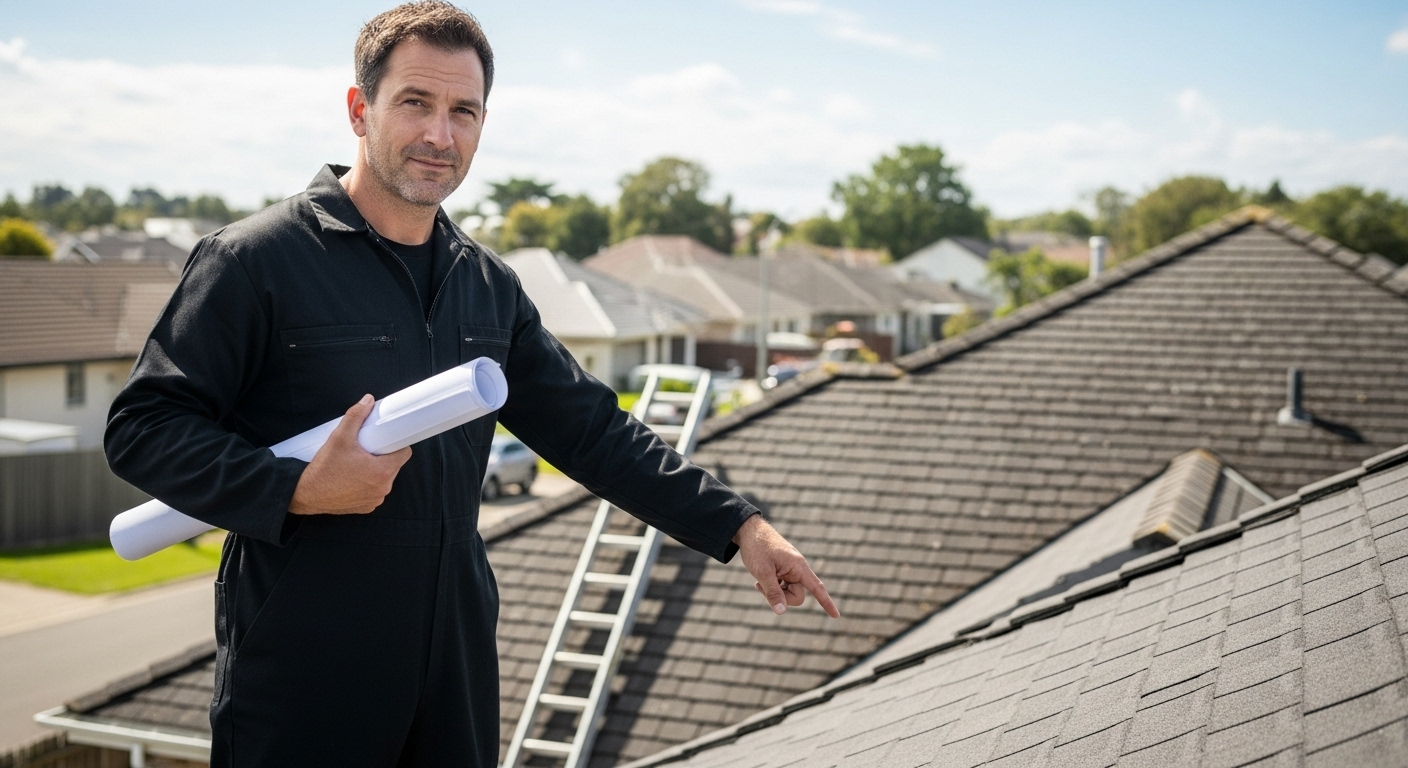
Start With a Clear Picture of Your Home
Getting a roof replacement estimate in Tarzana is easier when you begin with a few basics. Know your home’s age, any history of leaks, and how the roof behaves during windy afternoons when debris moves through the Valley. Tarzana’s mix of ranch houses and hillside properties means access, slope, and eave details can vary dramatically from block to block. The more context you share, the smarter and more tailored the estimate becomes. A good contractor will listen closely, ask follow-up questions, and explain what they will be looking for during the site visit.
Before you invite anyone to the property, it can help to speak with a local team that regularly performs roof replacement in our climate. They will outline the steps of a professional inspection, the photos and measurements they will collect, and how they convert that information into a clear, actionable proposal that fits your home rather than a generic template.
The On-Site Inspection: What to Expect
A thoughtful estimate starts on the roof and in the attic. On the roof, expect a close look at shingles or tiles, ridge and hip lines, flashings around chimneys and walls, and the way valleys handle debris. In Tarzana, leaf load from mature trees and long sunny days create specific wear patterns that experienced eyes pick up quickly. Inside the attic, your estimator will look for daylight at penetrations, signs of past moisture, insulation levels, and pathways for intake and exhaust ventilation. Photos from both spaces document conditions and guide the proposal.
Modern tools help streamline measurement and visualization. Drones can safely survey complex sections and tall ridgelines, while digital mapping and satellite imagery provide preliminary area calculations. Still, there is no substitute for walking the roof, feeling the spring in the decking, and seeing how gutters and downspouts handle water after a storm. The on-site visit is where craft meets data, and where questions about your preferences—materials, colors, and any future solar plans—are best discussed.
Translating Findings Into a Scope of Work
The best estimates read like a story about your roof, not just a parts list. They explain what will be removed, how the deck will be inspected and repaired if needed, the type of underlayment planned, the flashing metals to be used, and the design of the ventilation system. In Tarzana, high-temperature rated underlayments and balanced ventilation are common recommendations because they stand up to Valley heat. If your home has a mix of slopes and a low-slope patio or addition, the estimate should describe how those transitions will be handled with membranes and metal details that manage water gracefully.
Expect clarity around accessories like pipe boots, attic screens, and skylight treatment. If skylights are staying, specialized flashing kits may be included. If you are replacing them, the estimate should describe the new model and how it integrates with the roofing system. Photographs tie each recommendation to what the inspector observed, which helps you evaluate the plan with confidence.
Materials and Aesthetics for the Neighborhood
Tarzana’s architectural palette supports a wide range of roofing looks. Architectural shingles are a popular choice for their dimensional texture and performance, especially in cool-rated colors that tame afternoon heat. Tile—clay or concrete—adds timeless character to Spanish and Mediterranean-inspired homes, while standing seam metal offers crisp lines for modern updates and hillside views. Your estimate should include color ranges and profiles that complement your exterior finishes and the feel of your street, whether you are along Ventura Boulevard’s side streets or up near the scenic ridges.
In addition to field materials, the proposal should address hip and ridge components, starter courses, drip edges, and the thickness and coating of flashing metals. These details often determine how a roof looks at the edges and how it weathers over time. A well-specified system feels cohesive and finished rather than pieced together.
Ventilation: The Quiet Performer
Attic ventilation is easy to overlook, but it is central to performance in our hot, dry summers. A balanced system draws air in at the eaves and exhausts it at the ridge or through low-profile vents. In homes without continuous ridge lines, alternative exhaust strategies can maintain airflow without visual clutter. Your estimate should quantify intake and exhaust areas and show how the plan meets manufacturer guidelines, which supports both comfort and warranty coverage.
For vaulted ceilings or additions with limited attic space, specialized venting solutions help move heat out without compromising the roof’s appearance. Discussing these early ensures your materials list and scope support the desired result.
Comparing Estimates: Apples to Apples
Once you have two or three estimates, lay them out and read them for scope, not just totals. Do they define deck repair thresholds? Do they specify underlayment by name and temperature rating? Do they list flashing metals and thicknesses? Are valley styles and transitions explained? The proposals that give you the most detail usually reflect the most thoughtful planning. If a line item is vague, ask for clarification; good contractors welcome the chance to explain their reasoning and adjust wording for clarity.
Pay attention to communication style. You will be working with the company for several days, so responsiveness and transparency matter. The right team will outline a staging plan, discuss how they protect driveways and landscaping, and explain daily cleanup protocols. Those cues are strong predictors of a smooth project from start to finish.
Scheduling and Preparation
In Tarzana, good crews manage heat carefully. They plan tear-off in sections, install underlayment quickly, and maintain watertight protection each night. Before work begins, you will agree on parking, bin placement, and how to shield delicate areas like pool decks and planters. Indoors, covering items in rooms directly under the roof can reduce dust. Your estimator should provide a simple checklist tailored to your home so you feel ready on day one.
If you are exploring multiple material options, ask for separate scopes that mirror each other, so the only differences are the materials themselves. That structure makes comparison easy and keeps the conversation focused.
Mid-Process Checkpoints and Final Walkthrough
Great contractors invite you to review progress at logical checkpoints. After tear-off and deck inspection, they can show you photos of any repairs. As underlayment goes down, you will see how valleys and penetrations are detailed. At the end, a final walkthrough ensures you are comfortable with the result and understand maintenance recommendations, including simple seasonal checks after windy days.
If you would like a high-level overview of how professionals turn inspections into clear proposals, ask for a brief walkthrough of full-scope roofing replacement planning. A few minutes spent on system thinking can make the rest of your decisions easier.
Q&A: Estimating a Roof Replacement in Tarzana
How far in advance should I schedule an estimate?
Reach out at least a week or two ahead of when you want the visit, especially during mild weather when calendars fill quickly. If you have an urgent concern, most local contractors will try to accommodate sooner to evaluate risk and protect your home.
Will my estimate include attic work?
It should account for ventilation and note insulation and air sealing observations. While some items may fall outside the roofing scope, awareness of attic conditions helps your roofer design a system that performs well in Tarzana’s heat.
Can I get multiple material options in one estimate?
Yes. Ask for alternatives presented as separate but parallel scopes. That way, you can compare appearance and performance directly without re-reading different wording for the same steps.
How precise are satellite measurements?
They provide a useful baseline, but on-site verification is essential. Roofs change over time with additions and repairs, and satellite images may not capture detail like skylights or unusual transitions. Nothing replaces a careful roof walk and attic look.
What should I prepare before the estimator arrives?
Clear access to gates and driveways, move vehicles as needed, and note any interior spots where you have seen moisture. If pets are sensitive to strangers or noise, plan a quiet space for them during the visit. These small steps make the inspection efficient and thorough.
How long should a walkthrough take?
Most homes can be inspected in under an hour, though complex roofs may take longer. The goal is not speed; it is completeness. Time invested in a careful look reduces surprises during construction and leads to a more accurate scope.
Will I get photos with my estimate?
Ask for them. Photos of current conditions explain recommendations better than words and help you evaluate competing proposals. They also serve as a record for future maintenance.
What happens if hidden issues appear during tear-off?
Your proposal should explain how such findings are handled and who approves next steps. Clear criteria and communication channels keep projects moving smoothly even when something unexpected shows up.
Ready for a Clear, Local Estimate?
When you are ready to see your roof through a professional lens and receive a proposal that makes sense for your Tarzana home, we are here to help. We will listen, inspect thoroughly, and present a scope that aligns with your goals for durability, comfort, and curb appeal. Start by connecting with specialists in roof replacement services and take the guesswork out of planning your project.