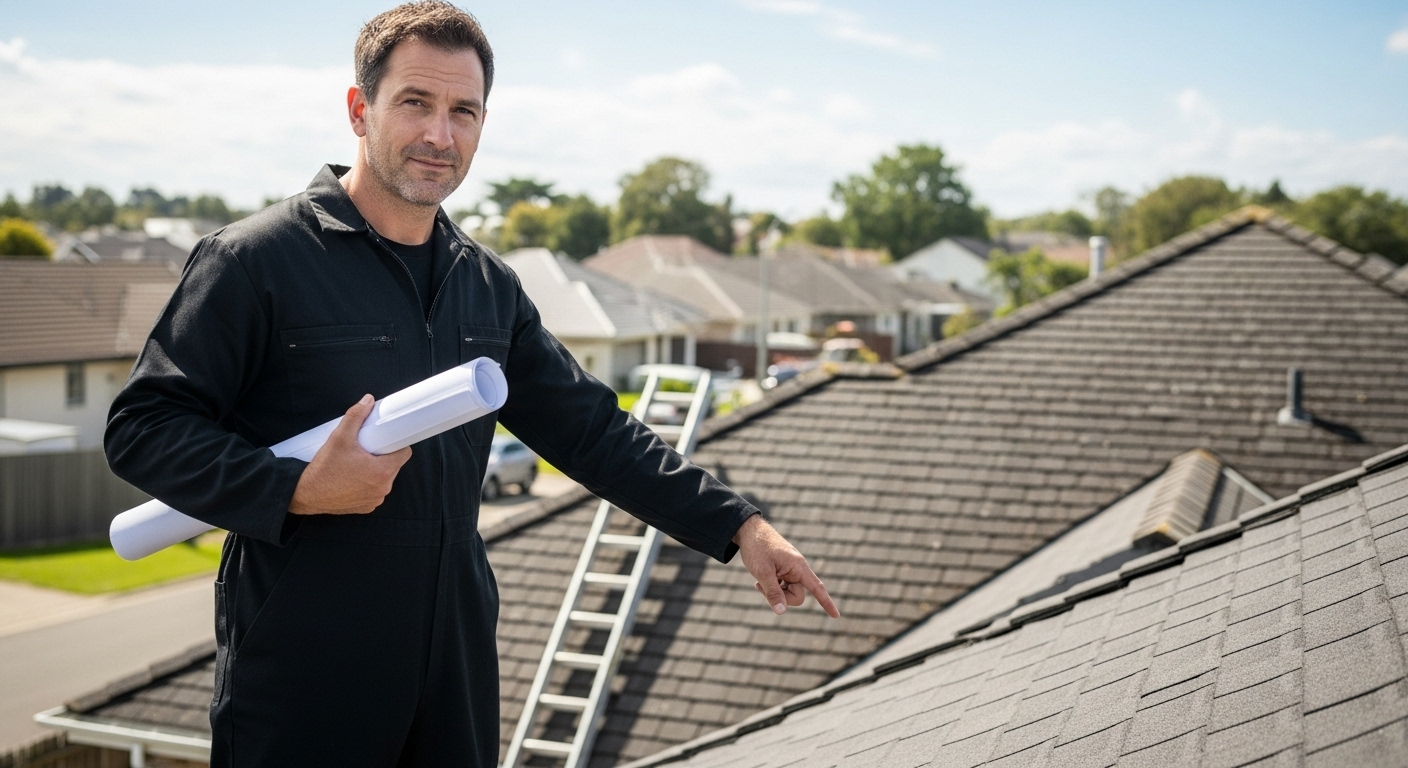
When you ask how much a roof replacement costs in Tarzana, what you are really asking is how your home’s unique story translates into a well-planned project. In the San Fernando Valley, where the sun lingers and rainy days arrive in bursts, a roof is more than a protective shell; it is an energy, comfort, and durability system that has to perform across seasons. While it is natural to search for a single, tidy number, the better path is to understand the factors that shape that figure so you can make choices that suit your home and your priorities. If you are starting your research, it helps to anchor your expectations with proven local guidance—especially from teams who specialize in roof replacement for Tarzana homes and know how climate and code interact here.
Every roof has a fingerprint. Surface area is the obvious part, but the contours—valleys, hips, skylights, chimneys, and transitions to walls—determine how much detail work is needed. A simple gable on a ranch house will call for different staging and timing than a custom hillside home with multiple angles and architectural features. Those differences influence everything from the number of flashing components to the safety measures a crew must set before installation can begin. That is why two neighbors can end up with very different project scopes even if their homes look similar from the street.
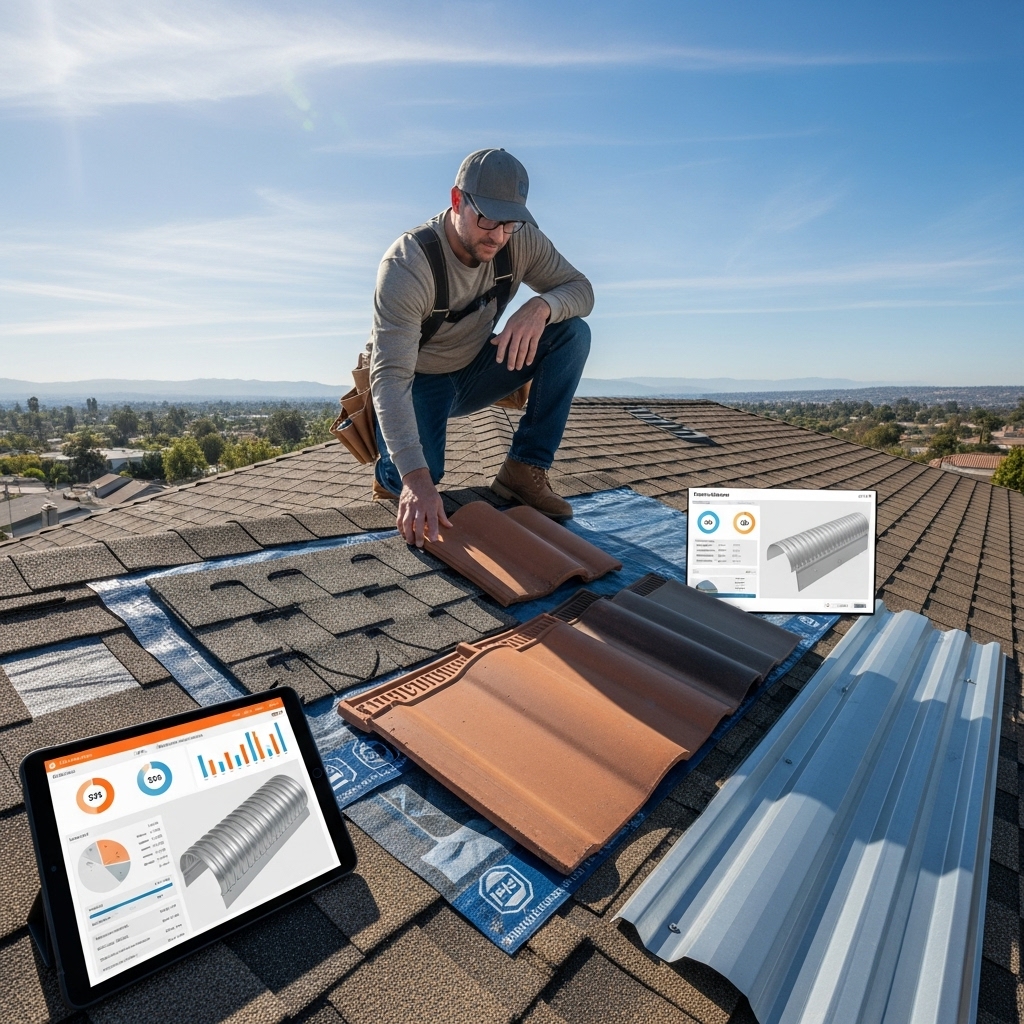
Material selection is the next major influence. In Tarzana, homeowners gravitate toward asphalt shingles for versatility, tile for timeless style and long service life, and metal for modern lines and resilience. Within each category, there are systems designed to combat heat, enhance reflectivity, and improve ventilation performance. The combination of the roof covering, underlayment, and accessory components creates a tailored system for your home. The design you choose will guide the installation plan, inspections, and long-term maintenance expectations, and that integrated plan is what shapes the overall investment.
Scope, not just size
Scope is the story of everything your project includes. A comprehensive replacement typically begins with site protection and the careful removal of existing layers, followed by inspection of the deck, installation of underlayment, flashings at all transitions, and the roof covering itself. It also addresses ventilation and attic airflow, which are crucial in our heat. A proposal that explains each of these elements helps you compare options confidently and avoids a common pitfall: assuming that a headline figure captures details that were never specified.
Scope also defines how unforeseen conditions will be handled. It is common to write in a protocol for addressing damaged decking or correcting an outdated roof-to-wall intersection discovered during tear-off. This is not a sign of trouble; it is a sign that your contractor plans honestly and prepares you for the realities of renovating a system that has been out of sight for years.
Climate and code in Tarzana
Tarzana sits within the City of Los Angeles, so your project must comply with city code and inspection requirements. Cool roof standards, ventilation calculations, and fastening specifications are not academic—they are practical rules designed for our environment. A team familiar with Tarzana and the broader Valley will choose components that manage heat, resist seasonal winds, and move water effectively during winter rains. Code compliance does more than satisfy paperwork; it leads to a roof that functions the way it was engineered to perform.
It is also common here to coordinate with homeowners’ associations, especially for tile profiles and colors. Upfront approval keeps your schedule intact and prevents the headache of last-minute changes.
Tear-off, disposal, and protection
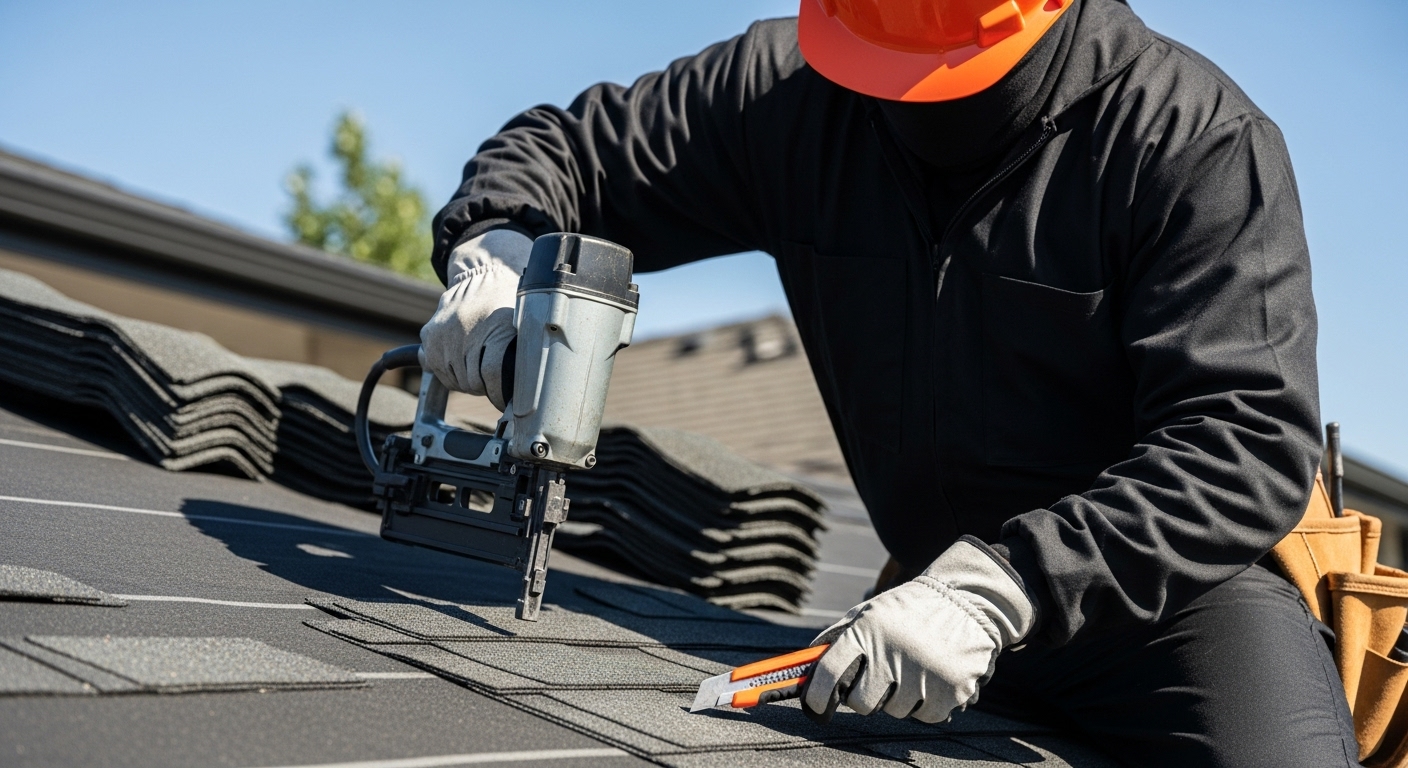
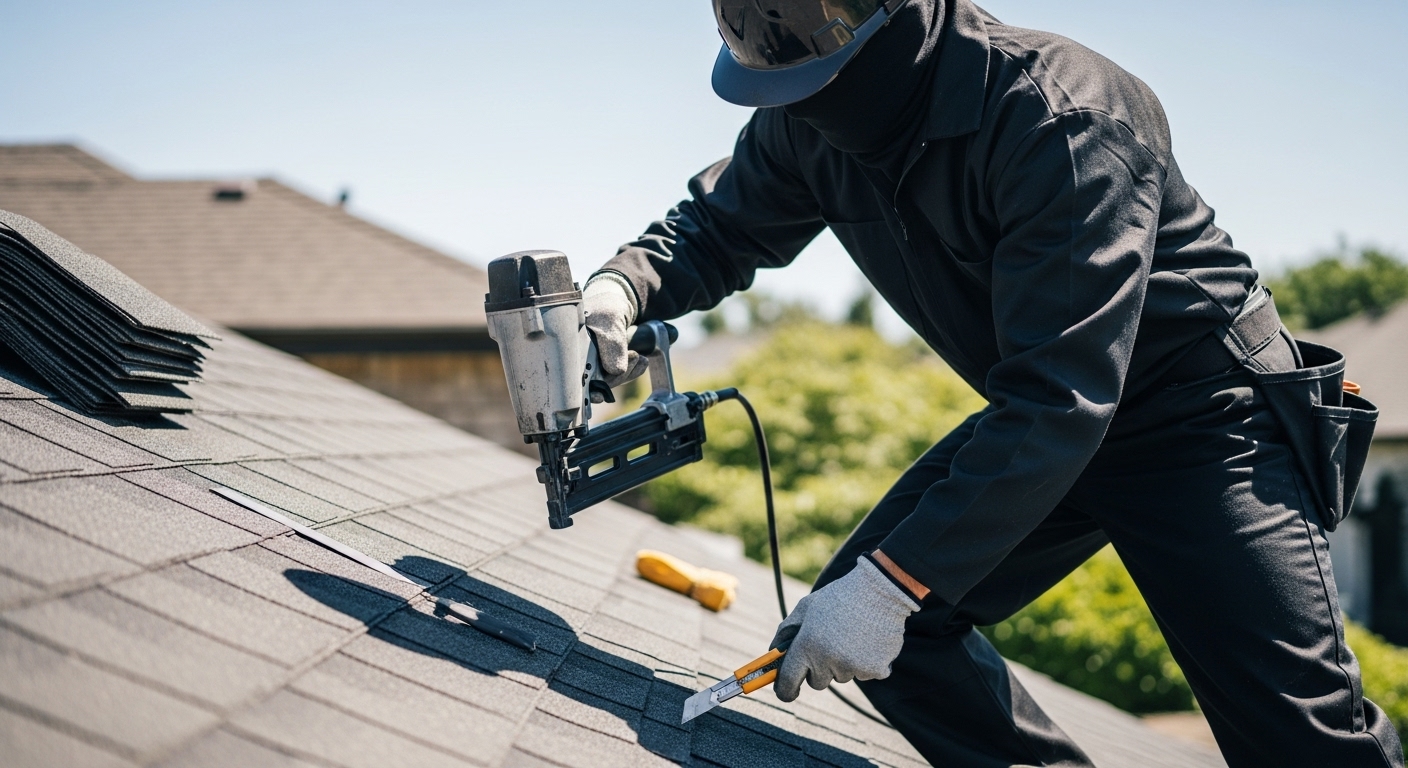
A roof replacement is a choreographed sequence. Crews start by protecting landscaping and hardscape, then remove existing layers in planned sections to avoid exposing more of the deck than necessary. Debris is contained and hauled away promptly. This phase is where hidden conditions surface, and a thoughtful crew documents their findings and shares options with you promptly. Good communication allows decisions to be made without disrupting momentum and keeps the site organized for the next phase.
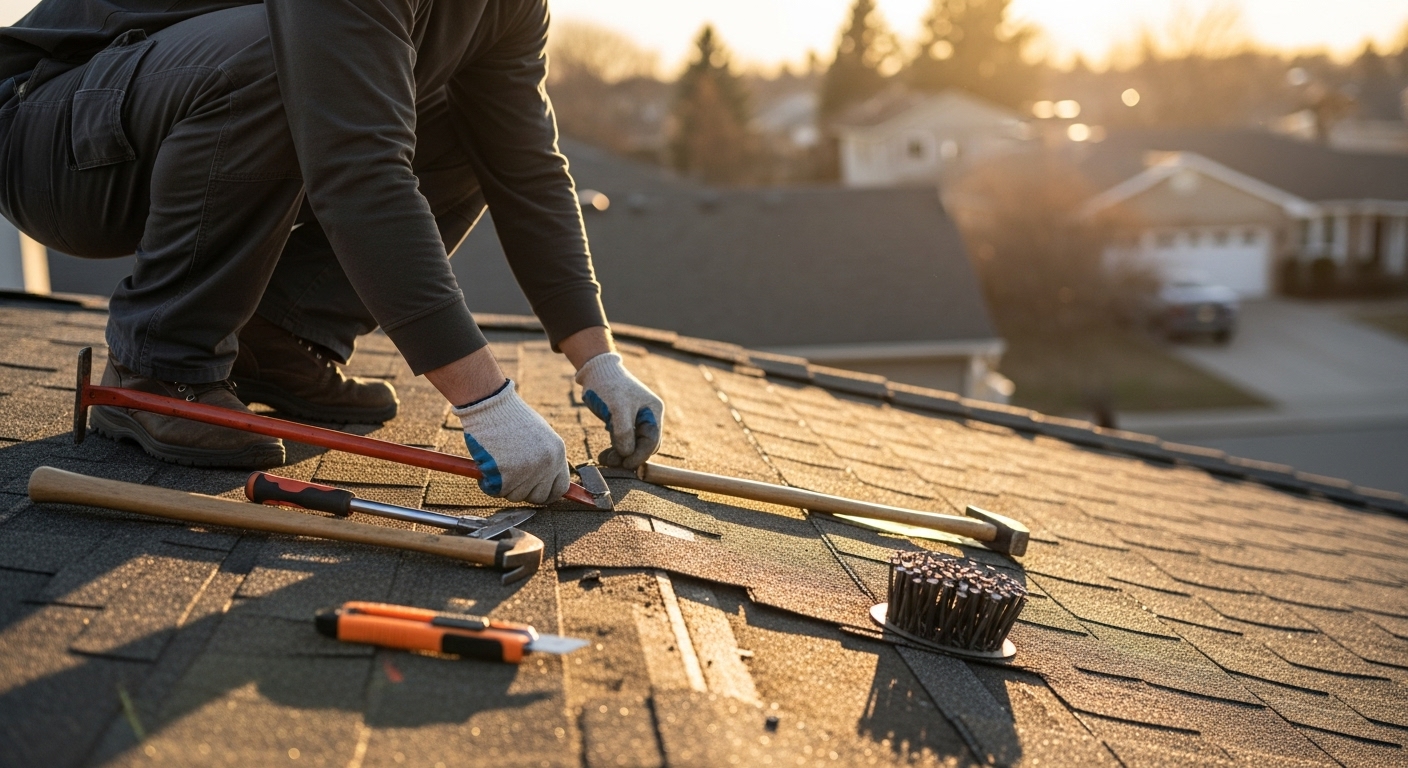
Deck repairs, when needed, are handled methodically. The goal is to restore a stable, properly fastened base for the new system. It is worth asking how your contractor assesses the deck and what standards they use for replacement. Clarity here helps align expectations and ensures the beauty of the finished roof is matched by integrity underneath.
Underlayment and ventilation
Underlayment is the unsung layer that bears the brunt of Tarzana’s heat. Premium synthetic or enhanced asphalt-saturated products resist high temperatures and work in tandem with ventilation to keep attic spaces cooler. Attic airflow, achieved through balanced intake and exhaust, plays a significant role in the longevity of the roof assembly and the comfort inside your home. This is not just theory. On a hot August afternoon, a well-ventilated roof system experiences less thermal stress, which supports the long-term performance of shingles, tile underlayment, or metal panels.
If your current roof shows signs of heat fatigue—such as brittle components or excessive granule loss in shingles—your contractor will likely recommend ventilation adjustments. These enhancements belong in the formal scope so they are accounted for in the plan from the outset.
Material choices and aesthetics
Beyond performance, your roof contributes to curb appeal. Shingle colors that complement stucco or wood siding, tile profiles that echo classic Mediterranean themes, or sleek standing seam metal that modernizes a façade all reshape how your home presents itself. Tarzana neighborhoods showcase all of these styles, and each comes with details that influence the work. For example, an architectural shingle installation requires careful ridge vent integration to keep lines clean. Tile jobs necessitate specialized flashings to bridge transitions cleanly. Metal systems need expansion allowances and precise edge details. These nuances are built into your project plan even if they are not immediately obvious from a quick overview.
If you are integrating solar or planning to do so in the future, mention it early. Coordinating with solar mounting layouts can prevent redundant penetrations and ensure that roof details support the long-term performance of both systems.
Access and safety
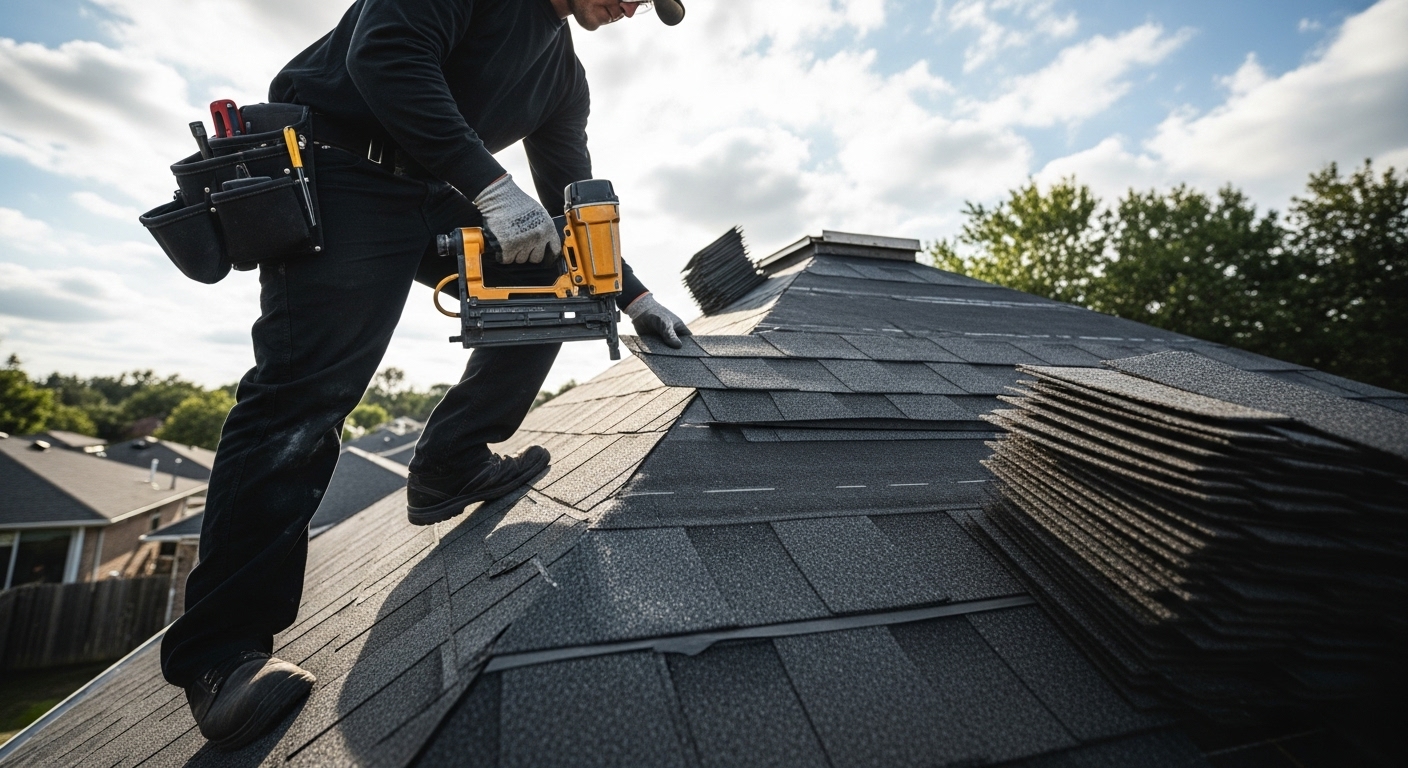
Logistics are a real factor in Tarzana. Side yards can be narrow, driveways shared, and hillside parcels may require creative staging. A safe, efficient setup allows crews to move materials without damaging landscaping and to work with proper tie-off points. Safety measures take time and discipline, and they are a sign you are working with professionals who view each home with care. These practical considerations are part of any complete project plan and influence how the job progresses from day to day.
Scheduling also blends with safety. In peak heat, work often starts earlier to avoid the hottest periods, especially when tasks require extended time on exposed surfaces. Your contractor should communicate daily rhythms so you can plan around noise and activity.
Reading and comparing proposals
When proposals arrive, think of them as narratives, not just totals. Look for specificity around underlayment type, flashing details, ventilation approach, and how discovered conditions will be handled. Two proposals can look similar at a glance yet differ dramatically in what they include. If you see vague language, ask for clarification in writing. The process of clarifying is not adversarial; it is the best way to verify that your expectations match what will happen on your roof.
It is also reasonable to ask about project management and communication. Who will be on site each day? How will progress be reported? How are inspections scheduled and documented? These questions promote transparency and keep your project running smoothly from first tear-off to final clean-up.
Warranties and durability
Manufacturers offer various levels of material coverage, sometimes enhanced when installed as part of a complete system. Contractors provide workmanship warranties that reflect their confidence in the crew and processes. Ask how your chosen materials and ventilation plan align with warranty requirements. Good documentation and a clear maintenance plan support long-term performance, giving you confidence that your roof will serve you well through many Valley summers and the occasional winter storm.
After completion, periodic checkups are wise—especially before rainy season. Even a quick visual review of flashings and gutters can prevent minor issues from becoming larger headaches. Local contractors who know Tarzana’s patterns can suggest sensible intervals for these checkups.
Common concerns from Tarzana homeowners
Many homeowners worry that a project will disrupt daily life. In practice, a well-run replacement is like a carefully managed move: predictable, transparent, and respectful. You will hear activity during work hours, but you should also see organization, clean staging, and prompt debris removal. Another concern is mid-project surprises. Clear protocols for approvals and documentation keep those moments manageable and grounded in facts rather than guesswork.
There is also the question of design consistency. If you are replacing only the roof while keeping existing gutters, fascia, or exterior colors, consider how the new roof will harmonize with those elements. Coordinating colors and profiles can transform a roof replacement into a subtle exterior refresh.
Why local experience matters
Experience in Tarzana and the broader Valley is not just a talking point. Local pros know how heat affects roof assemblies, how Santa Ana winds test edges and vents, and how winter storms expose weak flashing details. They also know how to work within the City of Los Angeles inspection process efficiently. This familiarity shortens learning curves and keeps your project steady. It also helps forecast the best windows for scheduling and the right material combinations for your particular home.
When you are weighing options, speak with contractors who can point to recent, nearby projects and who communicate clearly about their process. A thoughtful conversation about your roof’s design and your goals is the best filter for selecting a partner.
Frequently Asked Questions
The questions below capture what Tarzana homeowners routinely ask when they start planning a roof replacement. Use them to guide your conversations and to help you compare proposals with clarity and confidence.
What factors determine the overall scope of a roof replacement?
Scope reflects everything from tear-off and disposal to underlayment, flashing details, ventilation, and the primary roof covering. It also describes how discovered conditions—like damaged decking—will be handled. The more clearly the scope is defined, the more reliable your expectations will be during the project.
How does material selection influence my planning?
Different materials carry unique installation requirements, accessory components, and performance characteristics in heat and wind. A shingle system with a cool roof rating, a tile reset with modern underlayment, or a standing seam metal assembly will each shape scheduling, inspections, and long-term maintenance. Selecting materials is about balancing aesthetics, performance, and how the system will live on your home.
Do I need to upgrade ventilation during replacement?
Often, yes. Tarzana’s heat makes balanced intake and exhaust ventilation a smart improvement. Better airflow supports the life of the roof assembly, helps regulate attic temperatures, and can reduce stress on HVAC systems. Your contractor should assess current conditions and recommend a plan that aligns with code and best practice.
How long does a typical project take?
Timelines vary with roof complexity, logistics, material choices, and weather. A straightforward roof may move quickly, while a complex, detail-rich installation takes more time to stage and complete. A dependable contractor will provide a schedule with built-in allowances for inspections and weather protection so you know what to expect each day.
What should I ask when comparing proposals?
Ask about underlayment type, flashing at penetrations and roof-to-wall transitions, ventilation strategy, site protection, debris handling, and how unexpected findings will be addressed. Inquire about supervision, daily updates, and warranty coverage for both materials and workmanship. The more transparent the responses, the easier it is to choose confidently.
Is there a best season for roof work in Tarzana?
Tarzana offers several workable seasons. Many homeowners aim for fall to prepare for winter rains, while spring and early summer are also popular. Heat requires thoughtful scheduling, and wind forecasts matter when tear-off exposes decking. Your contractor should propose timing that respects both weather patterns and your household’s routine.
How do permits and inspections fit into the process?
Permits and inspections are handled through the City of Los Angeles. Your contractor should coordinate approvals, schedule inspections, and incorporate any feedback to ensure compliance. This is a critical part of a professional project and helps safeguard the quality of your finished roof.
If you are ready to take the next step and want clear guidance tailored to Tarzana’s climate and building standards, partner with a team that treats your project as a complete system rather than a single line item. Begin the conversation with specialists in roof replacement, and move forward with a plan that fits your home, your aesthetic, and your long-term goals.