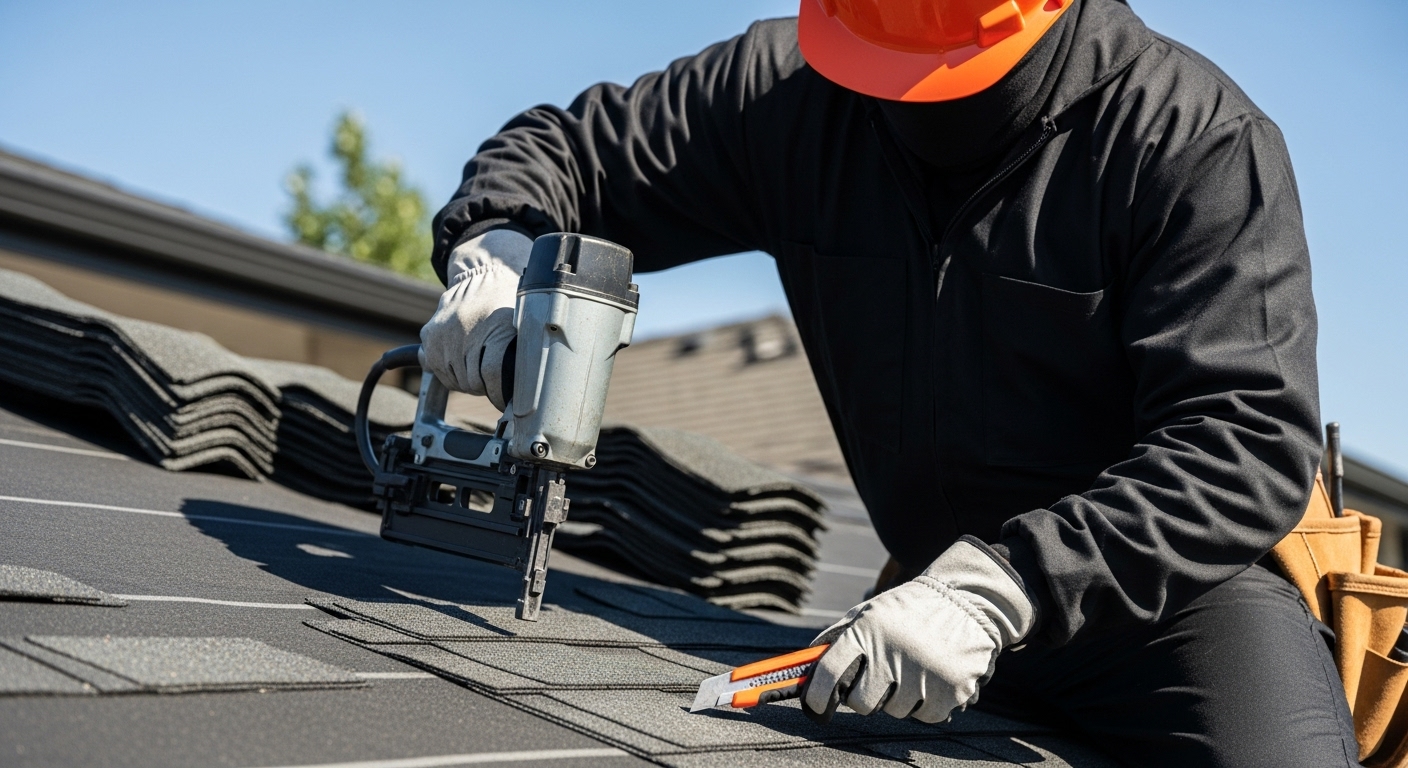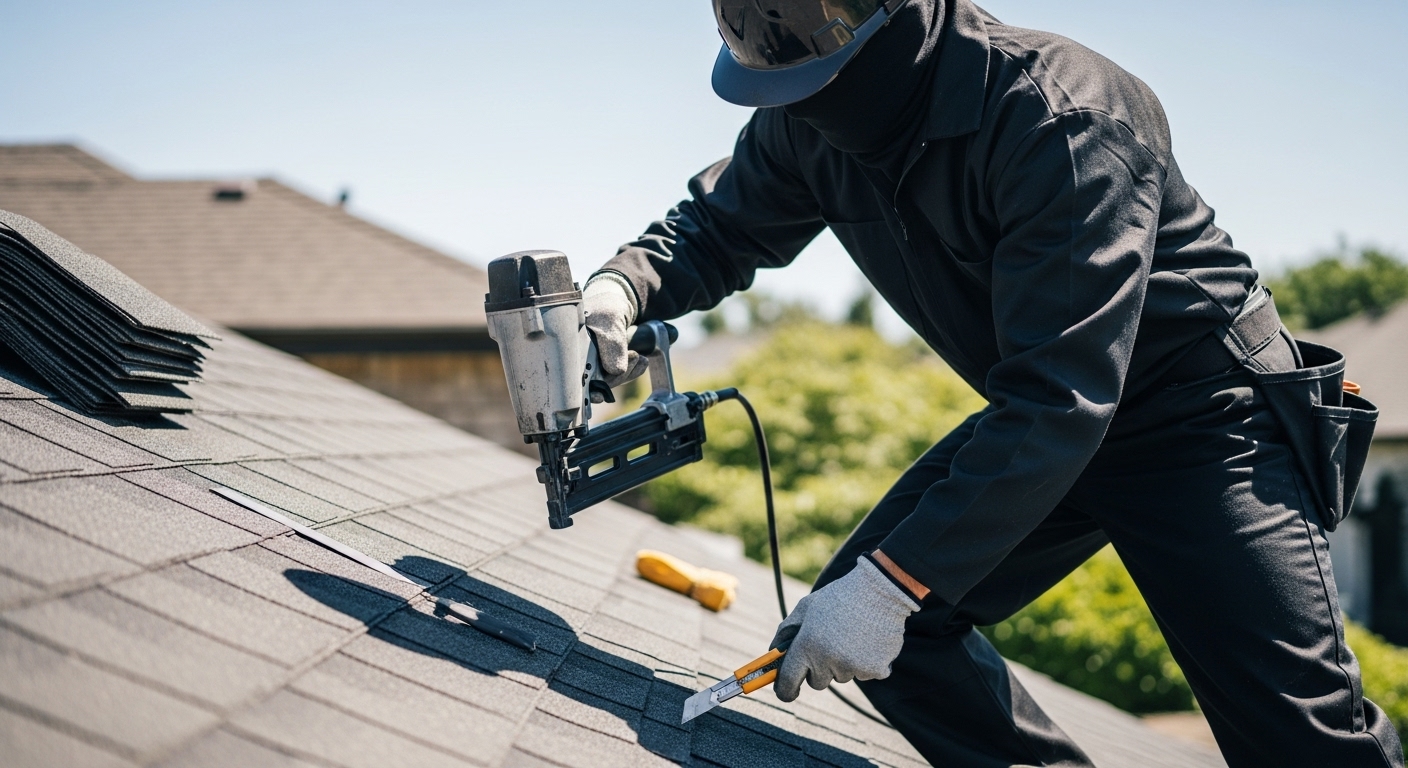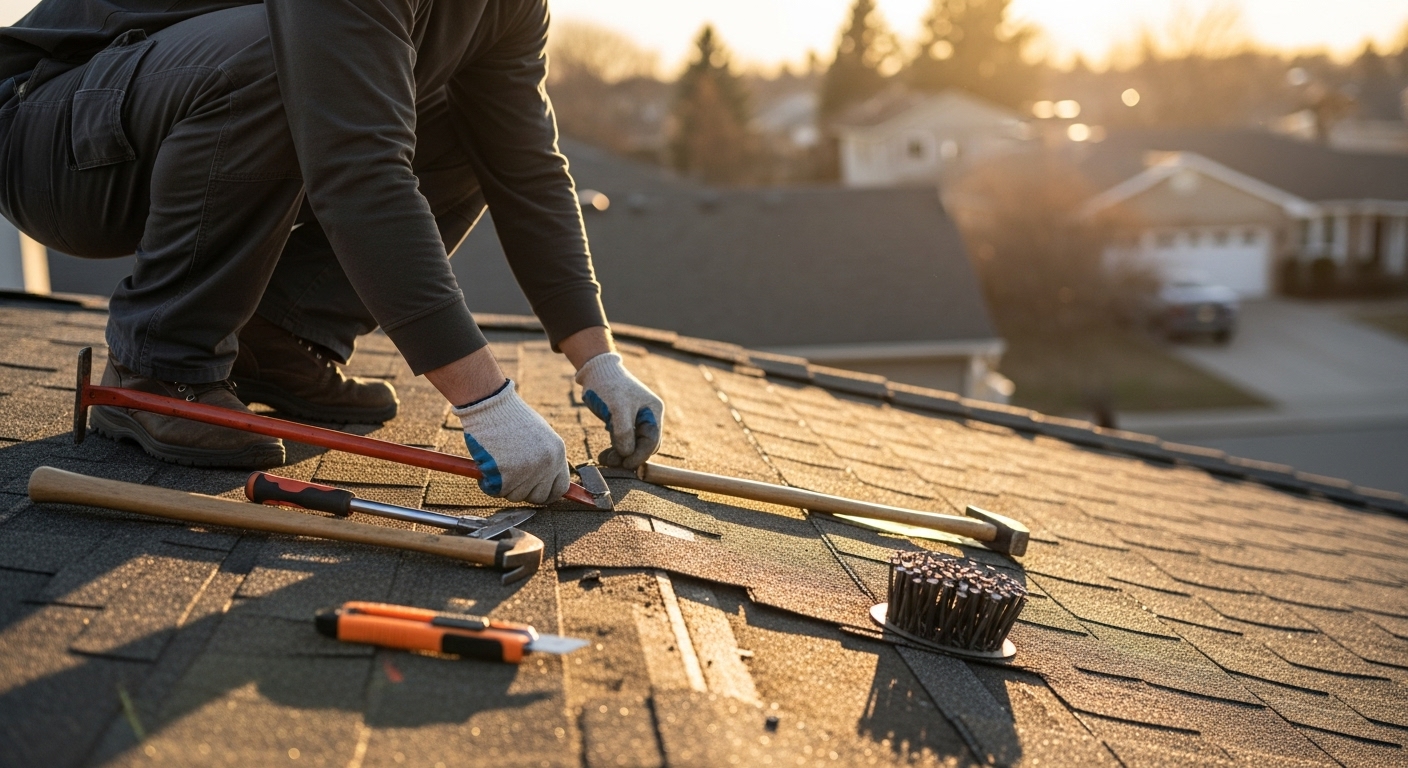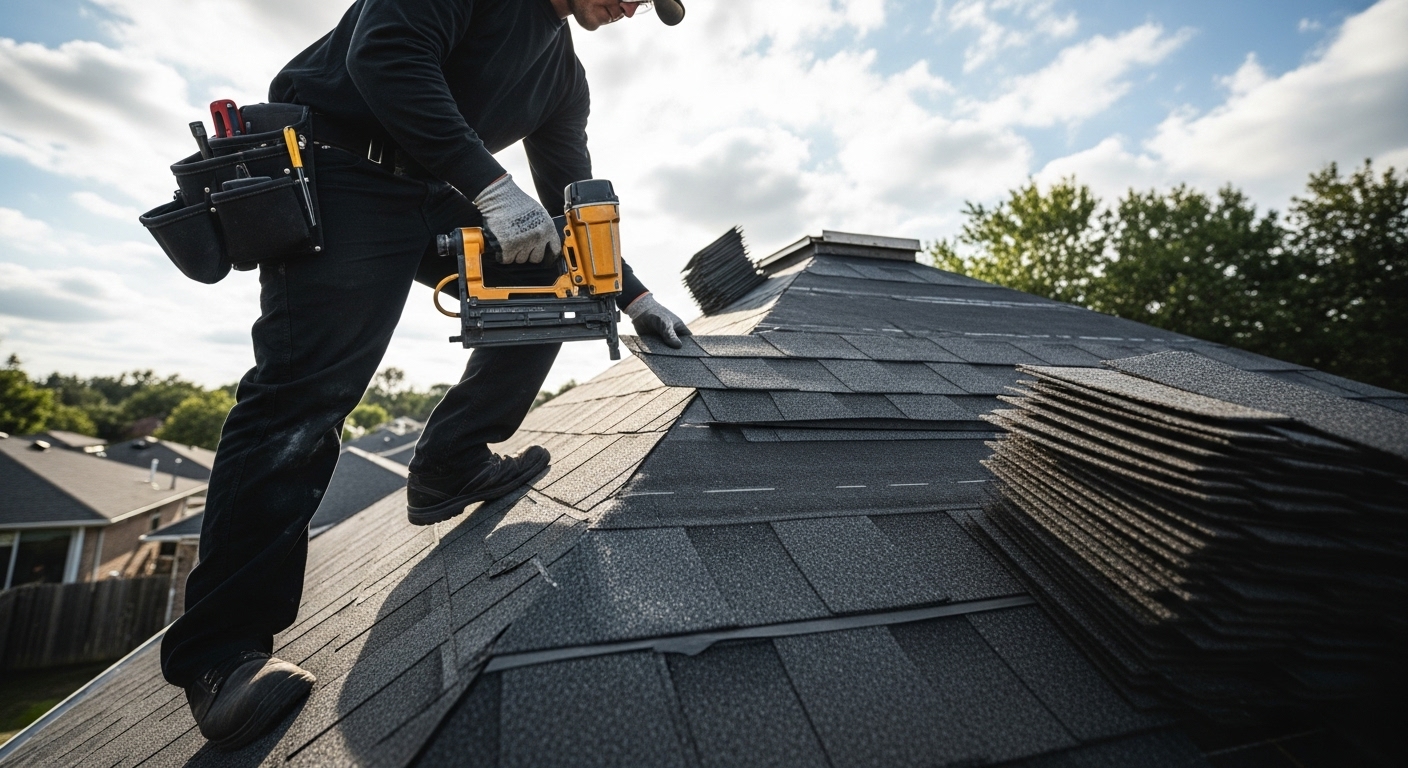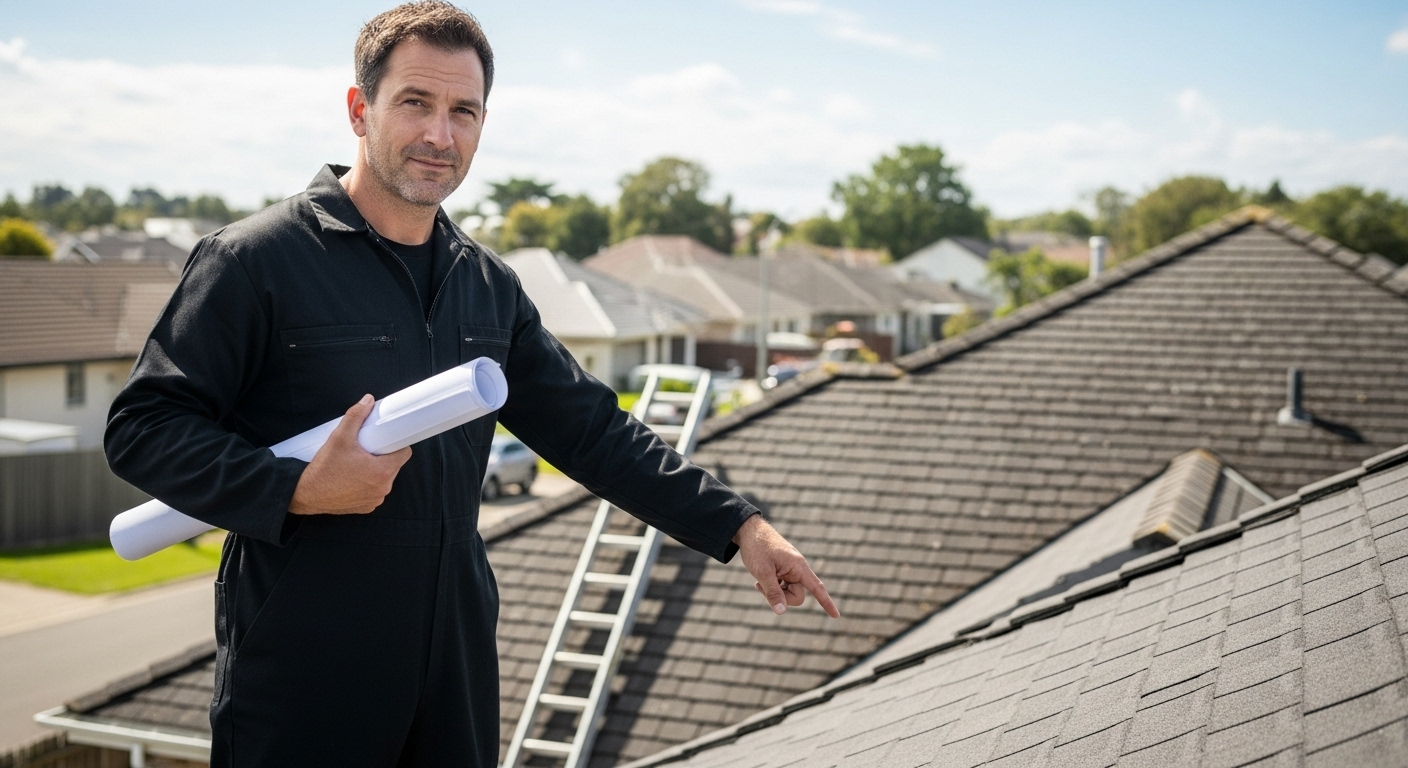
Running a business in Tarzana means balancing day-to-day operations with the realities of Valley weather. Your commercial roof silently bears the brunt of heat waves, gusty Santa Ana winds, and the occasional winter storm that arrives fast and leaves standing water behind. When your roof performs, tenants remain comfortable, equipment keeps humming, and you avoid disruptions that ripple through schedules and revenue. Choosing a commercial roof contractor here is not a generic decision—it is a strategic one that hinges on local experience, precise planning, and a preventive mindset. If you are starting the process and thinking, “I need a roofing contractor near me who understands commercial systems,” you are already asking the right question.
Commercial roofs in Tarzana span a wide spectrum. On Ventura Boulevard and surrounding corridors, you see low-slope roofs with mechanical clusters, parapet walls, and signage penetrations that complicate waterproofing. Small medical offices and retail strips often carry HVAC package units directly on the roof, while light industrial spaces may have vent stacks and equipment platforms that demand custom flashing. Each rooftop feature must be integrated into the waterproofing system, and the details—curb heights, pitch transitions, and drainage paths—are where long-term performance is made or broken.
Material choice is critical. Single-ply membranes such as TPO and PVC offer heat-welded seams and reflectivity that helps manage interior temperatures. Built-up roofs remain a proven option where multi-layer redundancy is desired. Modified bitumen systems provide flexibility and durability in specific configurations. The “best” system depends on substrate condition, expected foot traffic, ponding tendencies, and budget priorities. A strong contractor documents existing conditions, core-samples the roof when appropriate, and provides a recommendation grounded in the building’s use and constraints, not just a brand preference.
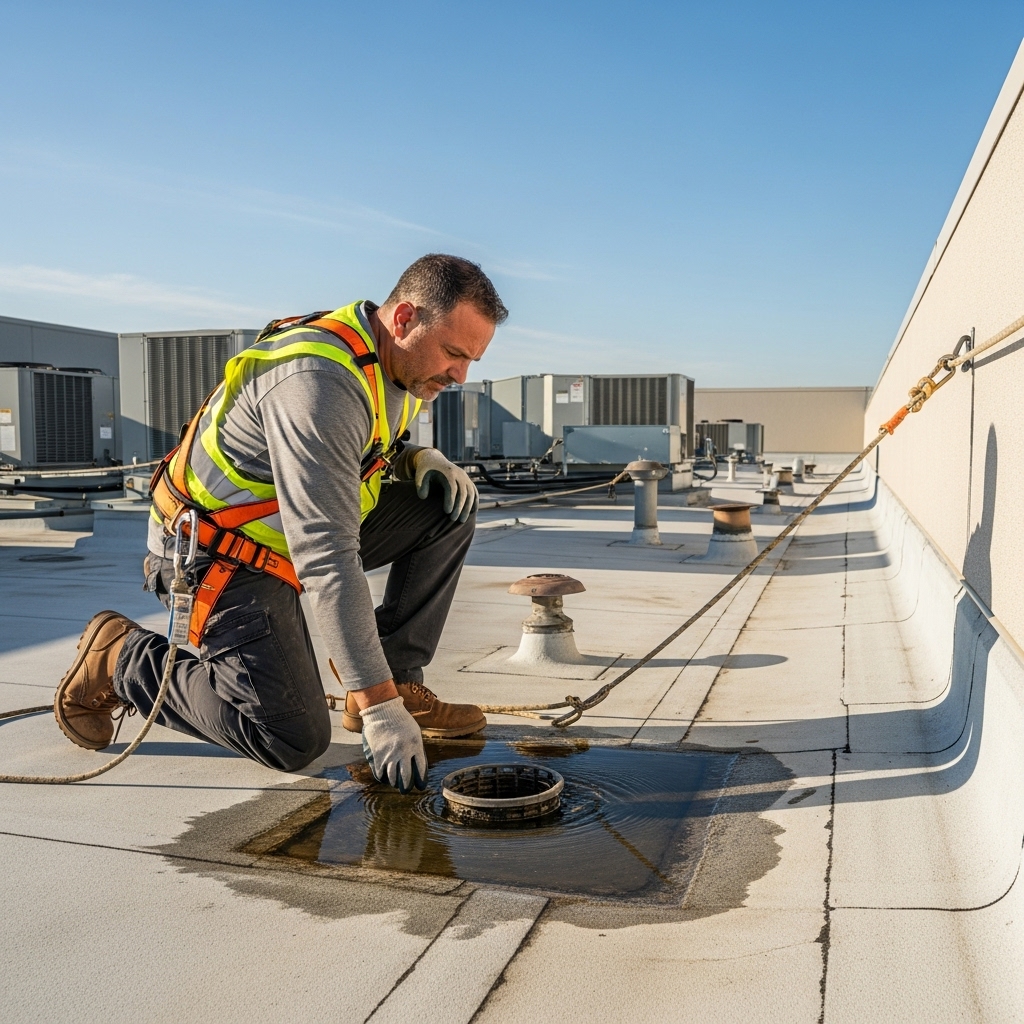
Drainage is the lifeline of a low-slope roof. After any storm, the clock starts on standing water, UV exposure, and the load that ponding places on the structure. Proper slope-to-drain design, scuppers, and overflow provisions are essential for reliability. During evaluation, a contractor should map ponding areas, check drain bowls and strainers, and note any “birdbaths” that read as surface depressions. Solutions might include tapered insulation, additional drains, or reworking crickets and saddles to move water efficiently. In a microclimate like Tarzana’s, where a single storm can dump inches quickly, proactive drainage design is non-negotiable.
Access and safety define commercial roofing. Ladders, hatches, and parapets create unique fall-protection requirements. A professional contractor outlines a site-specific safety plan that complies with regulations and aligns with your property management protocols. They coordinate with tenants to schedule loud or disruptive phases and ensure deliveries do not jam parking lots or loading areas at peak times. Organization on the ground reflects performance on the roof; a tidy site and predictable logistics keep everyone productive and safe.
Tenant coordination is an art. In mixed-use buildings, retail hours might conflict with teardown schedules. Medical offices may require quieter periods for procedures. Restaurants can have special venting that demands careful handling to avoid odors or smoke issues. An experienced contractor navigates these constraints by sequencing work zones, erecting temporary protections, and communicating with each tenant. The goal is to keep businesses open and clients comfortable while the roof is upgraded.
Documentation anchors commercial projects. From the initial roof plan with core locations and moisture readings to progress photos and daily logs, thorough documentation keeps stakeholders aligned. Property managers and building owners appreciate clear reporting, especially when projects involve lender oversight or insurance coordination. The final package should include warranties, inspection sign-offs, as-built photos, and maintenance recommendations tailored to your roof type.
Speaking of maintenance, commercial roofs thrive on routine inspections. Semi-annual visits—before the rainy season and after significant wind events—catch debris accumulation, open seams, and flashing issues early. Roofs with heavy equipment traffic benefit from reinforced walkways that guide technicians and reduce wear. A maintenance plan with documented checklists, photos, and minor corrective actions pays dividends by extending roof life and minimizing surprises.
Energy performance is another layer of value. Reflective membranes and insulation strategies help regulate interior temperatures, reducing strain on HVAC systems during our longest, hottest stretches. In some buildings, improving thermal performance also supports tenant retention by delivering consistent comfort. When reviewing proposals, look for specific R-value targets and clear details on how tapered insulation will be used to both meet energy goals and enhance drainage.
When it comes to reroofing an occupied building, phasing is everything. A strong contractor divides the roof into logical sections that can be made watertight by day’s end, even if the overall project spans weeks. This minimizes exposure to weather and reduces risk. Make sure your contractor communicates phasing maps, start/finish times, and how they will handle weather changes mid-project. Plan B should be as clear as Plan A, with materials and labor ready to pivot when forecasts shift.
Halfway through planning, many owners revisit their contractor shortlist and sharpen priorities: schedule certainty, tenant impact, or the longest possible warranty. If you find yourself refining options and thinking, “I need a proven roofing contractor near me who can handle complex commercial logistics,” look for detailed preconstruction notes, past performance on similar buildings, and a team structure that includes a dedicated project manager.
Integration with other trades deserves special attention. Rooftop mechanicals, solar arrays, satellite equipment, and signage mounts each introduce penetrations that must be flashed properly. Coordinating with HVAC technicians to raise curbs to code height or to install new supports preserves the integrity of your new roof. The contractor who leads this coordination reduces finger-pointing later and protects both your roof and your equipment warranties.
Local permitting is straightforward when your roofer knows the process. In the City of Los Angeles, inspectors look closely at fire safety, energy compliance, and details around edges and penetrations. A prepared contractor has submittals ready, understands inspection timing, and builds those milestones into the schedule. This predictability lets you update tenants and owners accurately and keeps momentum on the roof.
Emergency response capacity is another differentiator. Even the best-maintained roofs can face unexpected challenges from wind-driven debris or a sudden downpour. Contractors who offer rapid response can diagnose, stabilize with temporary measures, and propose permanent fixes without delay. For property managers, a trusted partner who answers the phone and shows up quickly is invaluable when storms hit and tenants start calling.
Ultimately, choosing a commercial roofing partner in Tarzana is about minimizing risk while maximizing value. It is about selecting a team that sees beyond today’s project to the roof’s entire life cycle—design, installation, maintenance, and eventual renewal. With the right contractor, your roof becomes one less variable in your business plan, which is the point of investing in quality in the first place.
What to Look for in a Commercial Proposal
A comprehensive proposal details tear-off or overlay strategies, substrate repairs, and the chosen membrane’s thickness and reinforcement. It specifies flashing at parapets and penetrations, walkway pads, and edge metal profiles. It includes a drainage plan and a safety plan, plus a communication schedule for tenant notices. It should also outline warranty coverage and clarify who handles manufacturer inspections if required for enhanced protections.
Request references for similar properties—retail strips, medical offices, or light industrial spaces—and ask how the contractor handled scheduling, access, and change conditions. The best indicator of future performance is proven success on comparable roofs in the same neighborhood.
Frequently Asked Questions
How disruptive is a commercial reroof?
With careful planning, disruption can be minimized. Phased work, clear tenant notices, and staging that keeps access routes open allow most businesses to operate normally. Noisy phases are scheduled strategically to avoid peak hours whenever possible.
Can we reroof without removing existing layers?
Sometimes. If the substrate is sound and code allows, an overlay can be an efficient solution. A contractor should conduct core samples and moisture scans to verify conditions before recommending this approach.
What is the most important factor for low-slope roofs?
Drainage. Even a great membrane struggles with chronic ponding. A design that moves water to drains and scuppers quickly is essential to longevity and warranty compliance.
How often should we schedule maintenance?
Semi-annual inspections are ideal, with additional checks after major wind events. Routine maintenance catches small issues early and keeps warranties in good standing.
Do rooftop HVAC units complicate roofing?
They do add complexity, but it is manageable with coordination. Proper curb heights, reinforced walkways, and precise flashing keep penetrations dry and serviceable.
What about adding solar to a commercial roof?
It is a strong pairing when planned properly. Your roofer should coordinate with the solar installer to protect the membrane, plan penetrations, and preserve warranties for both systems.
How long does a commercial roof project take?
Timelines vary by size, complexity, and inspections, but phasing keeps sections watertight daily. A clear schedule shared with tenants and owners ensures predictability throughout.
When you are ready to secure your building with a system designed for Tarzana’s climate and your operational needs, partner with a team that delivers planning, precision, and responsive service. Start the conversation with a trusted roofing contractor near me and expect a roof that protects your business as reliably as you protect your customers.