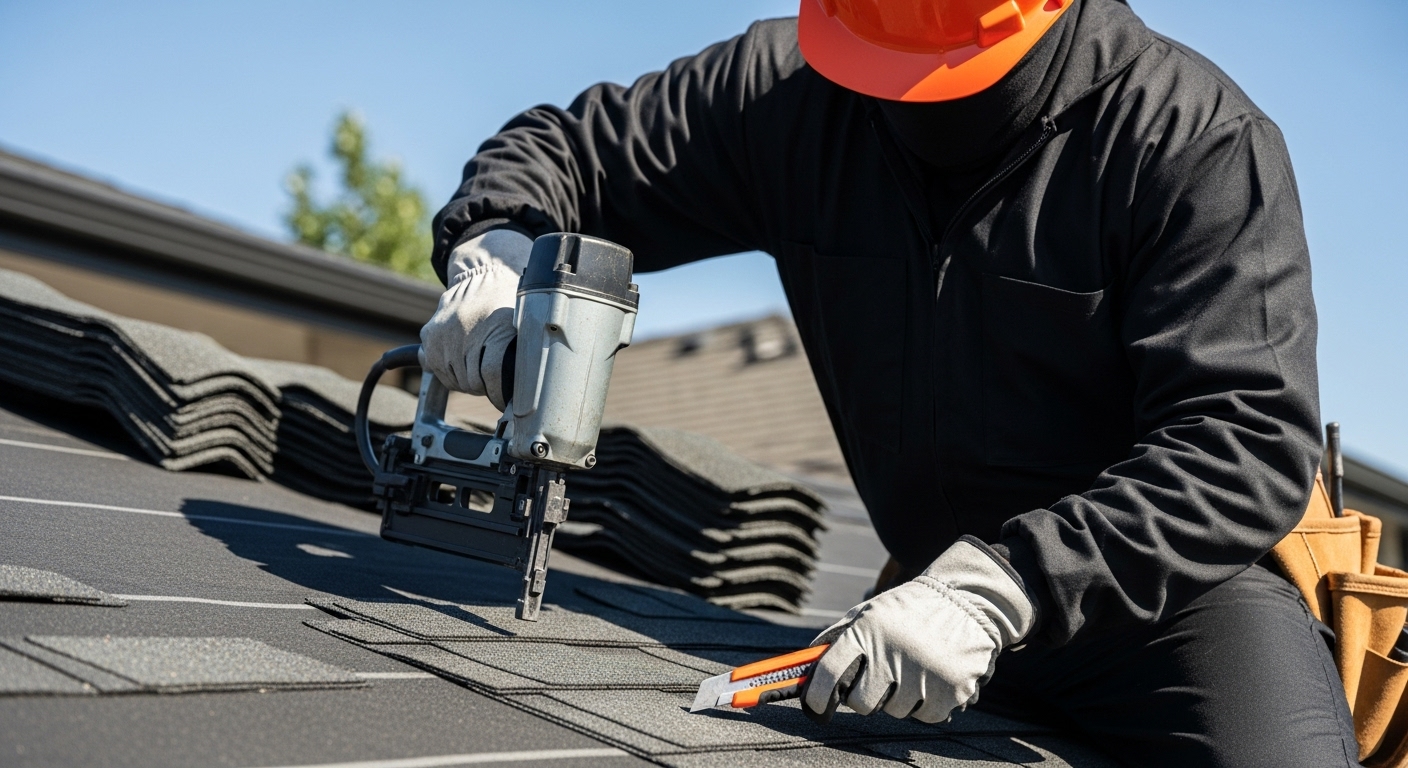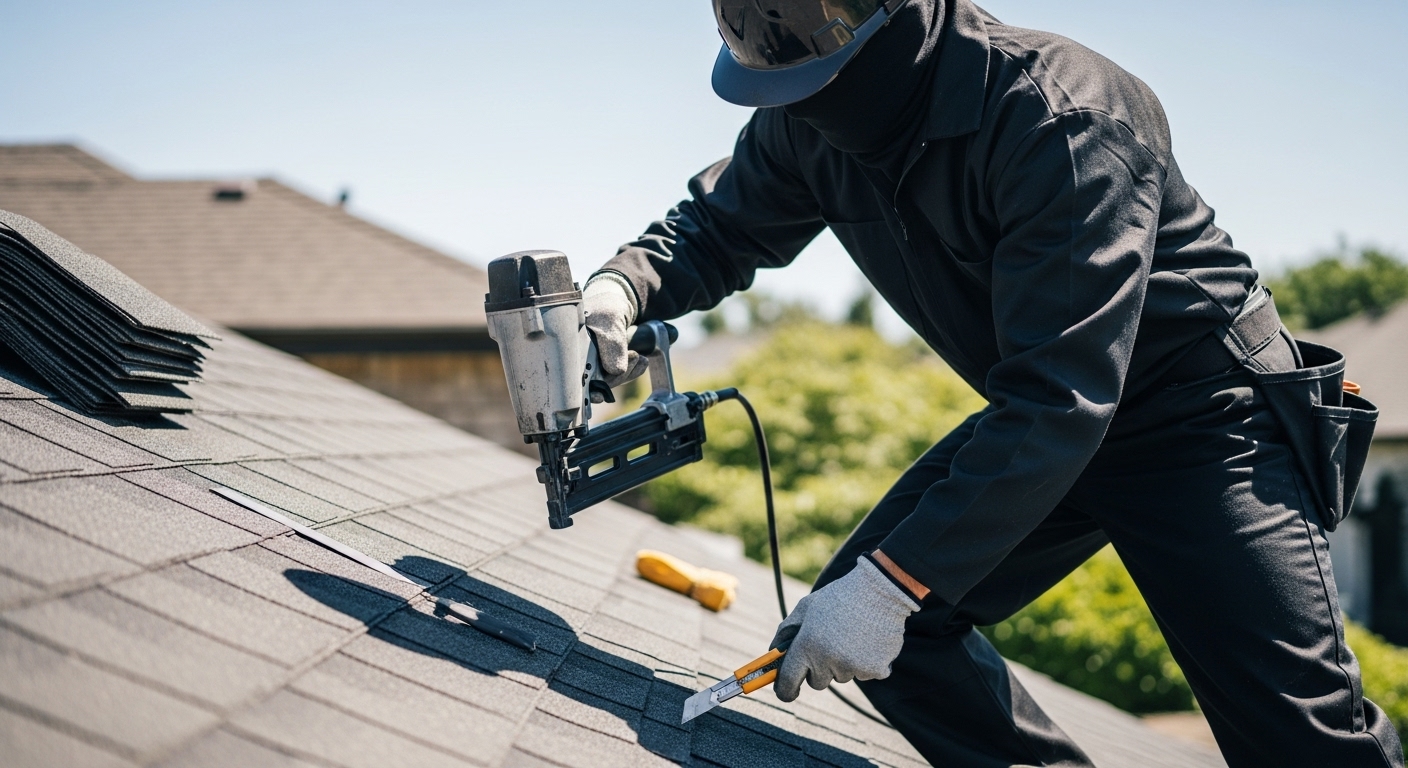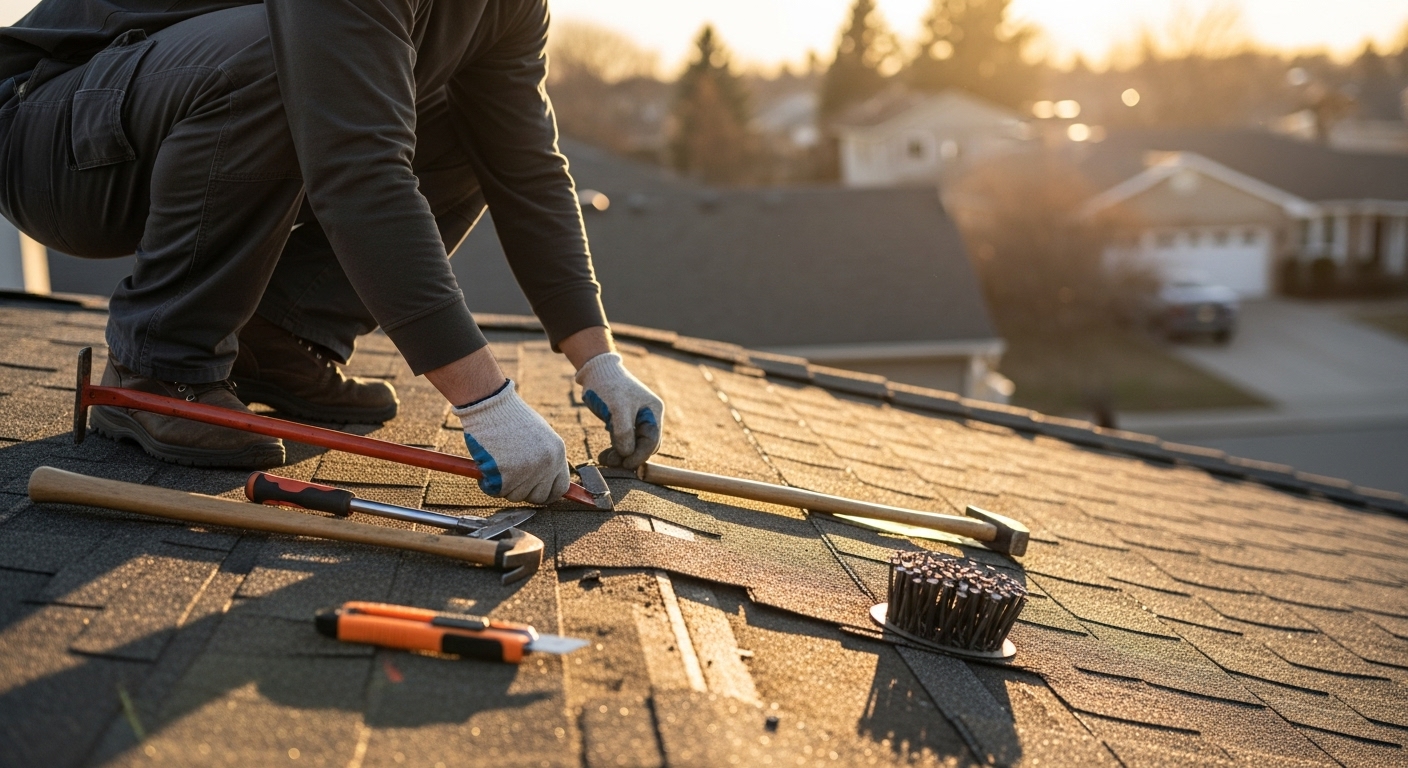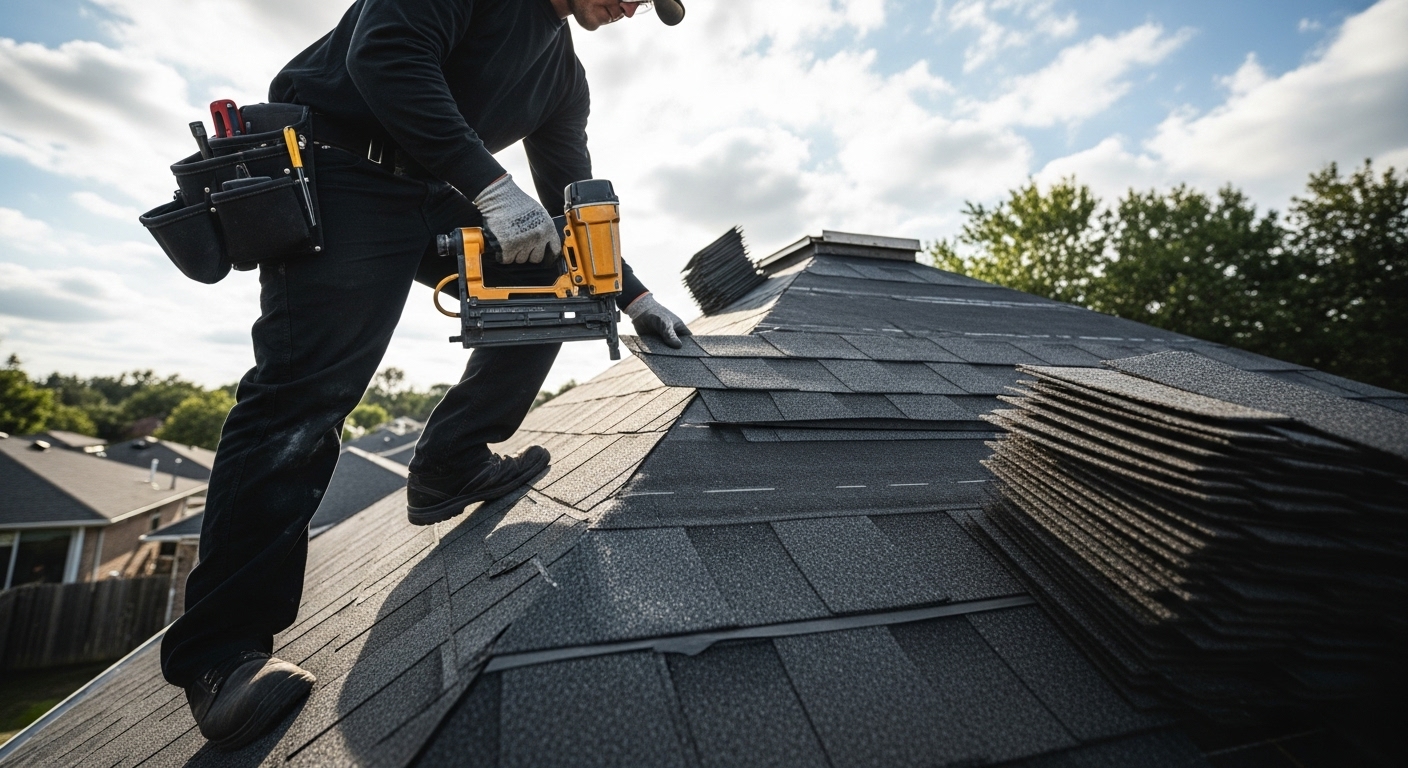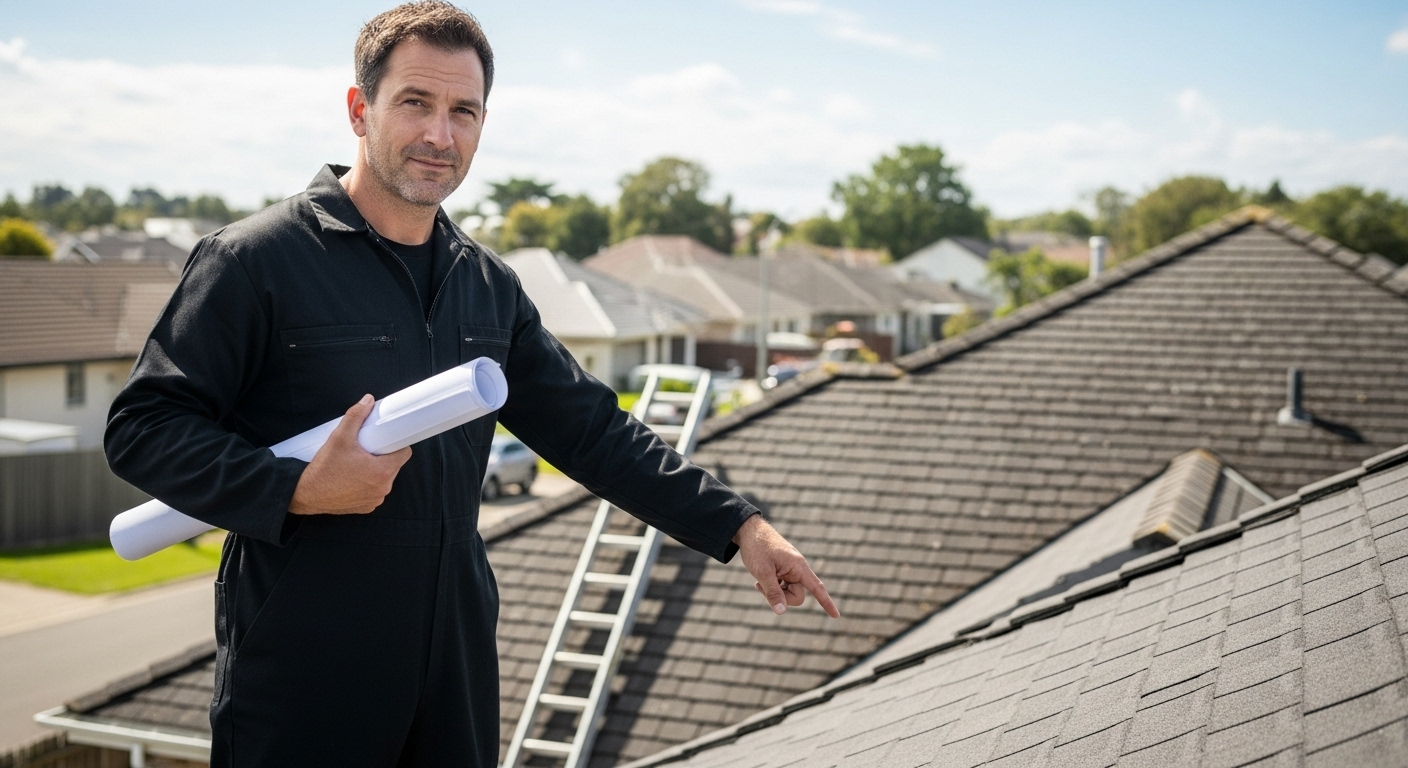
Ask a dozen homeowners in Tarzana what they want from a new roof and you will hear variations on the same theme: curb appeal that fits the neighborhood, durability under our intense sun, and confidence that the contractor understands every nuance of local conditions. Two materials dominate the conversation for pitched roofs here—architectural asphalt shingles and clay or concrete tile. Each offers a distinct look and set of performance traits, and each demands specific installation practices to deliver its best. Finding the best local partner for these systems is less about slogans and more about craftsmanship, planning, and a willingness to sweat the details. If your search has you thinking, “I need a roofing contractor near me who truly knows asphalt and tile,” you are on the right path.
Asphalt shingles have evolved dramatically. Today’s architectural profiles provide dimensional shadow lines and a refined look that complements Tarzana’s mix of ranch, traditional, and modernized homes. Formulations resist algae streaking and offer reflective options that help tame attic temperatures. Shingles are lighter than tile, a consideration for many homes that were not engineered for heavier loads. They also install efficiently, which reduces the time your property is in project mode. But their performance hinges on the layers beneath—starter courses, drip edge, underlayments, and precise nailing patterns that keep every piece secure when the wind pushes across the Valley.
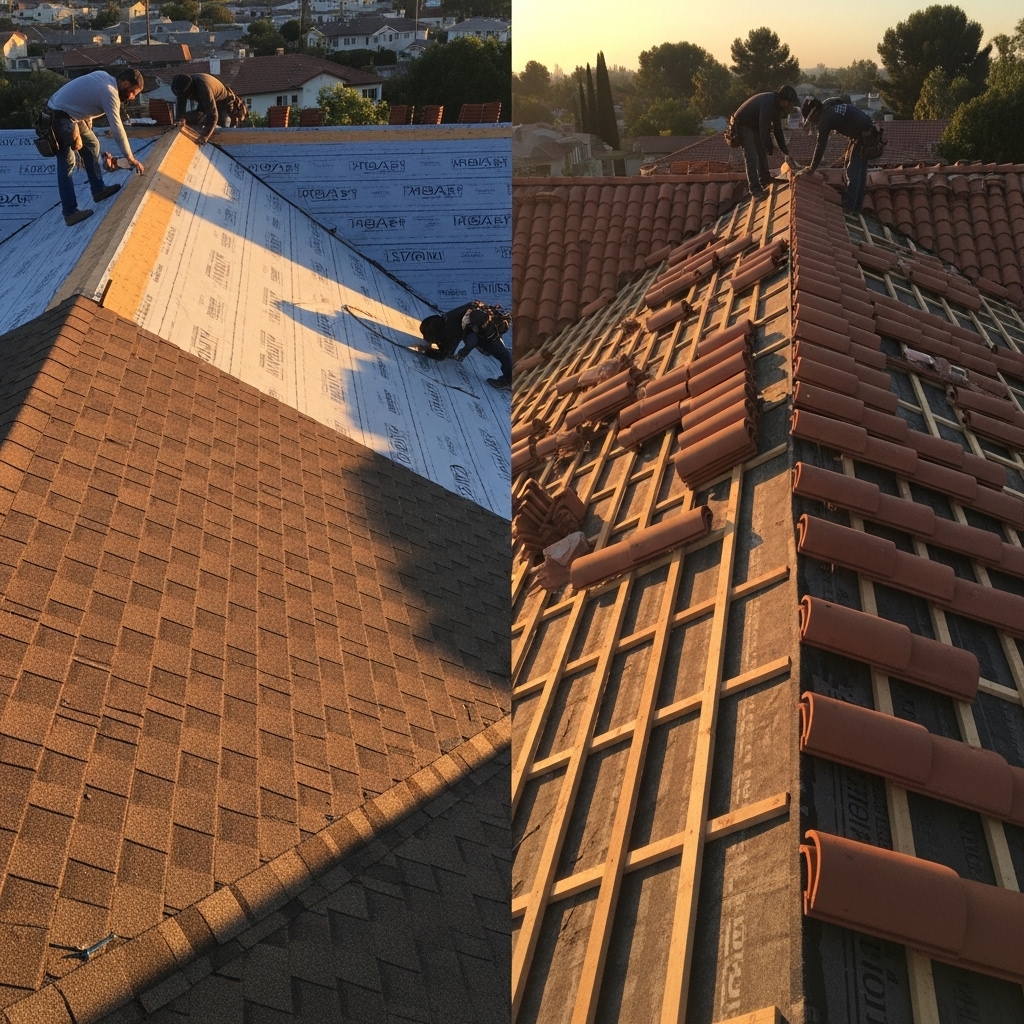
Tile brings a different kind of beauty and longevity. Clay and concrete tiles echo Spanish, Mediterranean, and contemporary styles with profiles ranging from barrel to flat. Properly installed, tiles can last for decades, but the system is more than the tile itself. Underlayments built to handle heat, battens that set the right elevation, and flashings that accommodate tile thickness determine how well the roof resists wind-driven rain. The weight of tile requires a structural check and sometimes reinforcement, especially on older homes. When the preparation is right, tile delivers a timeless presence and long-term reliability that many homeowners cherish.
Underlayment choice is pivotal for both materials in our climate. Synthetic options often outperform traditional felt under Tarzana’s UV and heat cycle, maintaining tensile strength and weathering prolonged exposure during installation. In tile assemblies, premium underlayments provide a secondary waterproofing layer that matters when occasional debris collects and slows water movement beneath the tiles. Your contractor should explain why a specific product fits your roof’s slope, exposure, and the installation sequence planned for your property.
Ventilation might not be glamorous, but it is foundational. Balanced airflow—intake at eaves and exhaust at ridges or off-ridge vents—preserves underlayments and shingles, reduces heat load in living spaces, and helps control moisture. Tile roofs benefit too, because air movement in the assembly can keep heat from accumulating at the deck. When a contractor measures existing vents, inspects soffits, and models airflow as part of the proposal, it signals a performance-minded approach rather than an aesthetic-only pitch.
Flashing is where expertise shows. Valleys, skylights, chimneys, and wall transitions are the first places leaks appear when details are skipped. On asphalt roofs, woven or cut valleys, valley metal selection, and end-lap sequencing influence how the system sheds water during heavy rain. On tile roofs, pan-and-cover valley systems or W-valley metal, properly elevated to keep water above the underlayment laps, are critical. Chimney counterflashing should be stepped and sealed appropriately, while skylight curbs must integrate with both underlayment and surface materials to prevent capillary entry. When a contractor speaks fluently about these details, you can trust the installation will respect them.
Color and profile selection deserve time and thought. Asphalt shingles come in nuanced palettes that shift under our bright sun, and tile colors range from earthy tones to modern grays. Take samples outside and view them at different times of day. Consider how fascia, stucco, and trim interact with the roof color. In some neighborhoods, homeowners associations have guidelines; your contractor should assist with submittals, providing photos and technical data to streamline approvals. The aim is a roof that looks intentional from the curb and harmonious from the backyard patio where you spend your evenings.
Preparation on site influences outcomes as much as product choice. Protecting landscaping, covering pool surfaces, shielding outdoor kitchens, and planning debris paths demonstrate respect for your property. On day one, tear-off reveals the truth about the deck. Any compromised sheathing is replaced immediately. With tile, battens are laid out to match the tile profile and to channel water, while in asphalt systems, starter courses and drip edge set a clean baseline for courses that follow. The difference between a tidy job and a frustrating one often comes down to sequencing and discipline at every step.
Skylights and accessories should be integrated thoughtfully. If you have aging skylights, replacing them during a reroof avoids mismatches and future leaks. Low-profile vents, attic fans, and even solar-ready flashings can be planned so the finished roof remains clean and cohesive. Satellite mounts and holiday light clips should have defined attachment points to avoid ad hoc penetrations later. That kind of foresight extends the life of the system and keeps maintenance straightforward.
In Tarzana’s heat, even small details pay dividends. Light-colored shingles can reflect more sunlight, and cool-rated options make a noticeable difference in attic temperatures. For tile, profiles that create micro-channels under the tile can promote airflow, reducing heat transfer to the deck. Quality fasteners and sealants rated for high temperatures maintain their grip and elasticity, resisting the brittleness that intense sun can cause over time. Your contractor’s product choices should reflect these realities.
Scheduling and communication bring the plan to life. A clear calendar, daily updates, and photos of progress give you confidence from start to finish. If a surprise appears—say, a hidden gap at a chimney or rotted fascia—the team should show you, explain options, and move forward decisively. Final detailing—ridge caps aligned, flashings painted where appropriate, and grounds meticulously cleaned—signals a commitment to craftsmanship that lasts beyond inspection day.
Halfway through choosing materials and colors, many homeowners pause to check their priorities. Are you leaning toward the layered look of architectural shingles or the sculptural lines of barrel tile? Do you want the highest reflectivity or a deep, rich color that grounds your exterior palette? If you are weighing these choices and thinking, “I want the best roofing contractor near me for asphalt and tile,” focus on who explains tradeoffs clearly, shows examples from nearby streets, and proposes a ventilation and flashing strategy tailored to your home.
Warranties deserve a careful read. Manufacturers back materials when installed to specification, and experienced contractors often offer enhanced protections through their credentials. Meanwhile, the workmanship warranty is your assurance that the details that keep water out have been handled correctly. Ask how warranty service works in real life. The answer you want is simple: quick response, clear diagnostics, and solutions that prioritize the integrity of your roof.
Maintenance completes the picture. Even the best roof benefits from seasonal checkups. For asphalt, that means ensuring sealants remain elastic, clearing debris from valleys and gutters, and checking for lifted shingles after wind events. For tile, maintenance includes confirming that flashings remain clear of debris, replacing any broken tiles, and ensuring that birds or pests have not found entry points at eaves. A contractor who installed the system is often best positioned to maintain it, thanks to familiarity with the specific details of your roof.
If you have or plan to install solar, coordination matters. Penetrations should be planned, flashed with compatible systems, and mapped so future maintenance is straightforward. On tile roofs, mounting strategies may include replacing some tiles with flashing-and-pan assemblies designed for a watertight interface. On asphalt, specific flashing kits integrate with shingles cleanly. Coordination protects warranties and keeps your roof watertight for the long haul.
Why Local Expertise Matters in Tarzana
Our Valley heat cycles, the angle of sun, and periodic winds create a unique stress profile on roofing systems. A local expert recognizes which underlayments shrug off UV better, which tile profiles resist wind uplift on certain slopes, and how to detail eaves to cope with fast, heavy rain. They also anticipate neighborhood-specific needs, from hillside access and staging to HOA review cycles. That contextual knowledge streamlines your project and raises the odds that your roof looks great and holds strong year after year.
Equally important is craftsmanship culture. A contractor who trains crews thoroughly and supervises each stage produces consistent results. The best teams have foremen who can explain why a valley metal is set at a certain elevation or how a ridge vent’s airflow is calculated. That transparency breeds trust and typically correlates with roofs that look as good up close as they do from the street.
Frequently Asked Questions
Which lasts longer in Tarzana—asphalt shingles or tile?
Tile systems can outlast shingles when underlayments, flashings, and battens are installed correctly and maintained. High-quality architectural shingles also deliver long service when paired with proper ventilation. The right choice depends on your home’s structure, style, and maintenance preferences.
Will a cool-rated shingle make a noticeable difference?
Yes. Reflective shingles can reduce attic temperatures, easing strain on cooling systems. Combined with balanced ventilation, they contribute to a more comfortable home and can improve overall system longevity.
Do tile roofs require more maintenance?
Tile itself is durable, but the system benefits from periodic checks to clear debris from valleys and to replace any broken tiles. Flashings should be kept clear, and eave areas monitored for pest activity. With basic upkeep, tile roofs perform exceptionally well.
Can my home handle the weight of tile?
Many can, but verification is essential. A contractor should evaluate framing and sheathing, and recommend reinforcement if needed. When structure and tile weight are matched properly, performance and safety align.
What are the biggest differences in installation between shingles and tile?
Shingles rely on precise nailing patterns, underlayment laps, and edge details to resist wind and shed water. Tile adds battens, specialized flashings, and considerations for weight and airflow beneath the tiles. Both demand careful detailing at valleys, walls, and penetrations.
Should I replace skylights during a reroof?
It is smart to do so. Matching new skylights with the new roofing system ensures curbs and flashing integrate perfectly, reducing future leak risk and improving energy performance with modern glazing.
How long does installation take?
Project length depends on size, complexity, and inspection timing. Asphalt installations are typically faster. Tile projects involve more staging and detailing, particularly on complex rooflines.
What kind of upkeep extends roof life?
Seasonal inspections, debris removal, sealant checks, and prompt attention to any storm-related movement or damage keep both asphalt and tile systems performing at their best.
Your roof should be beautiful from the street, resilient in the face of Tarzana’s weather, and built by people who take pride in every detail. When you are ready to plan with the best local team for asphalt or tile, start a conversation with a proven roofing contractor near me who treats your home like their own and delivers craftsmanship you will appreciate for years to come.