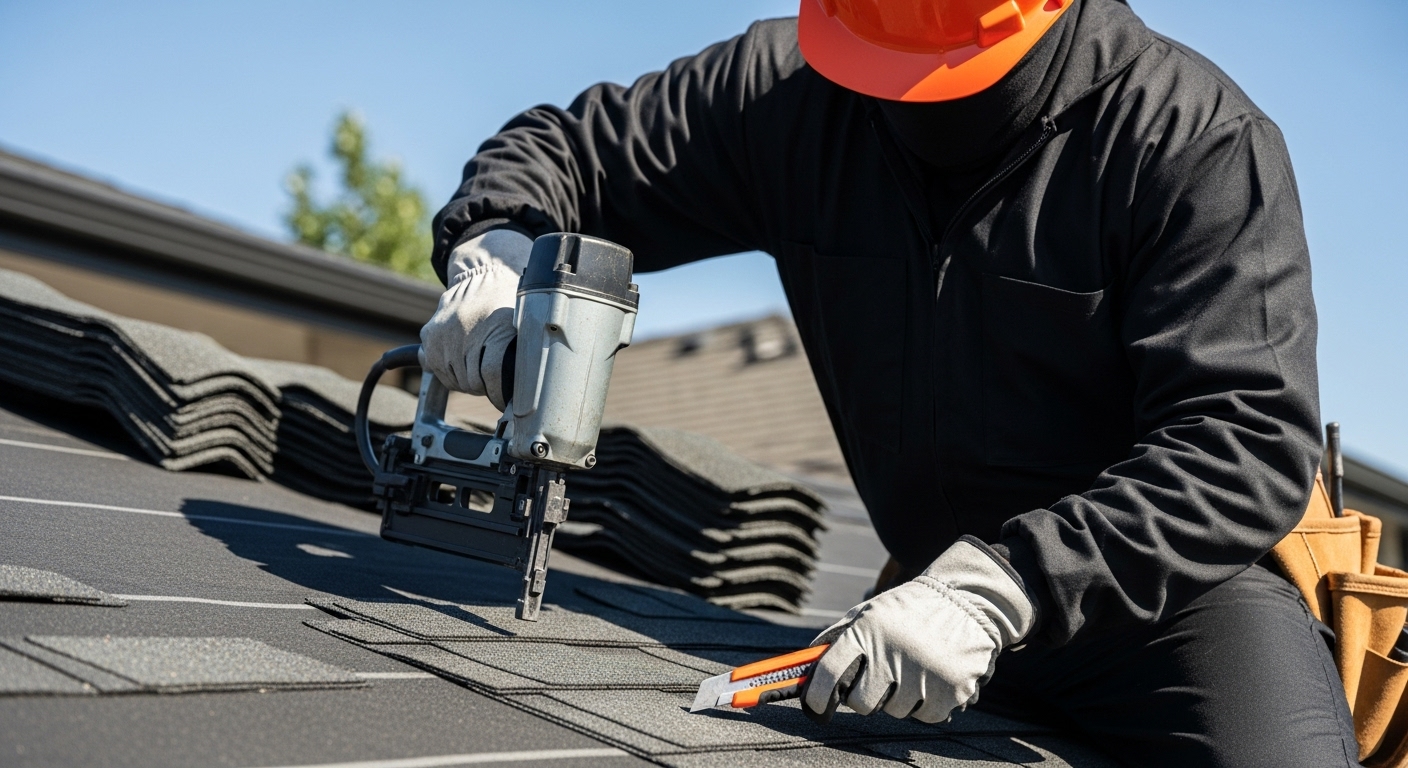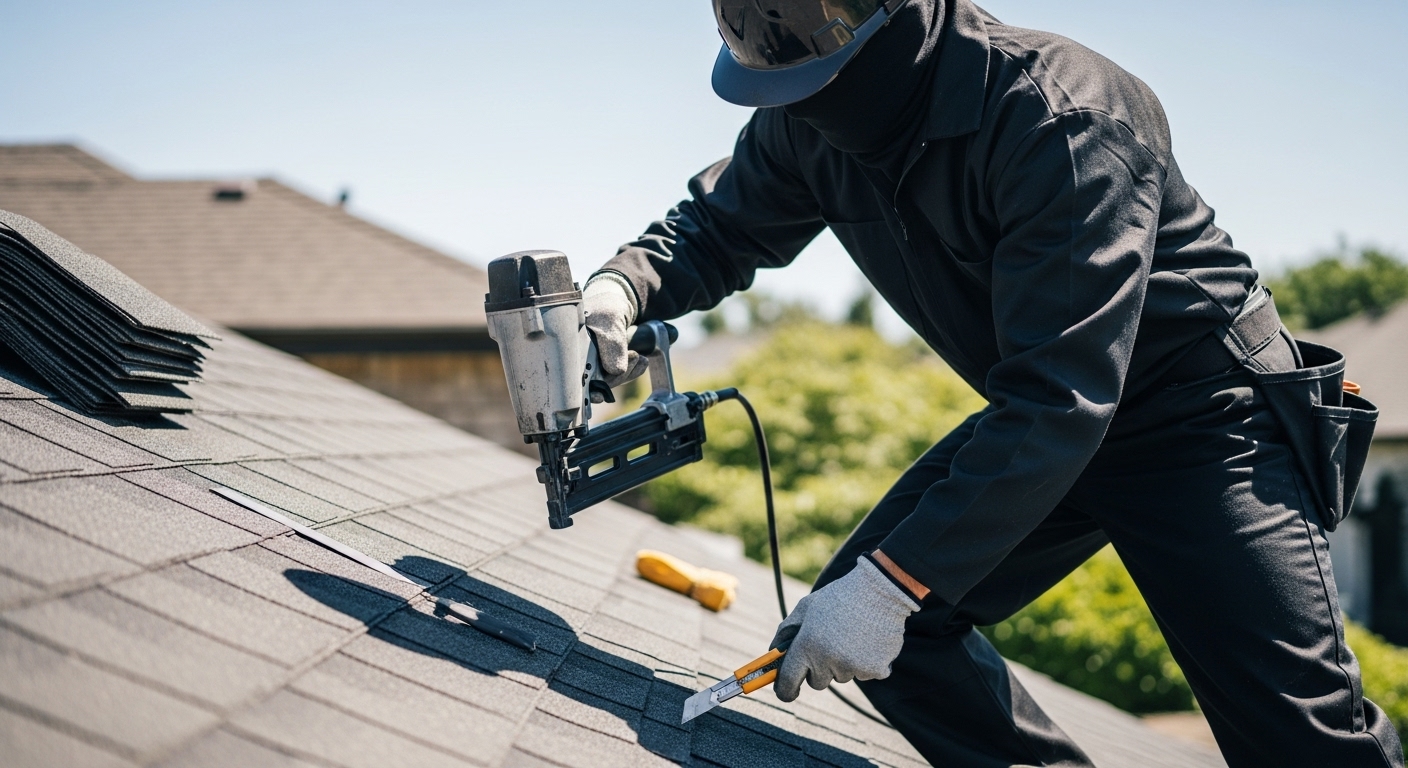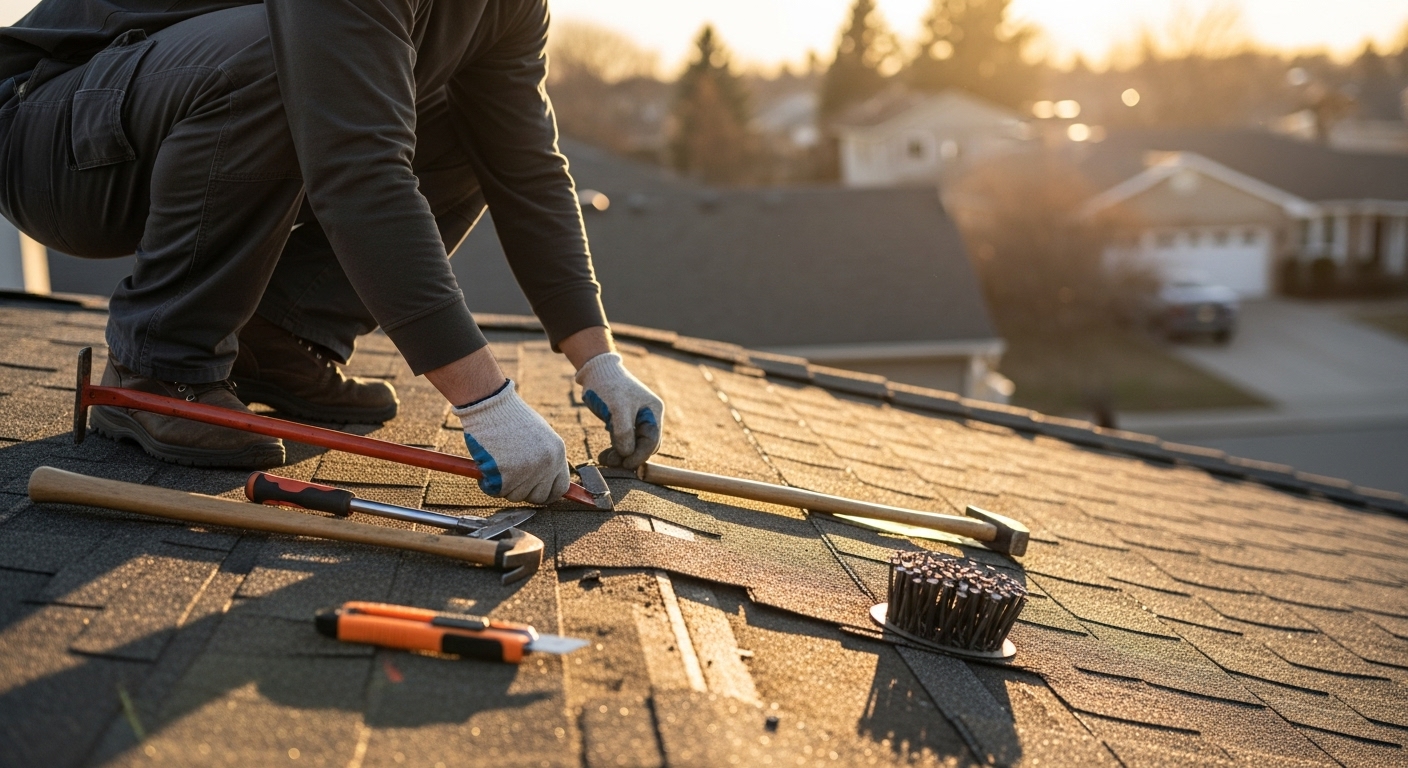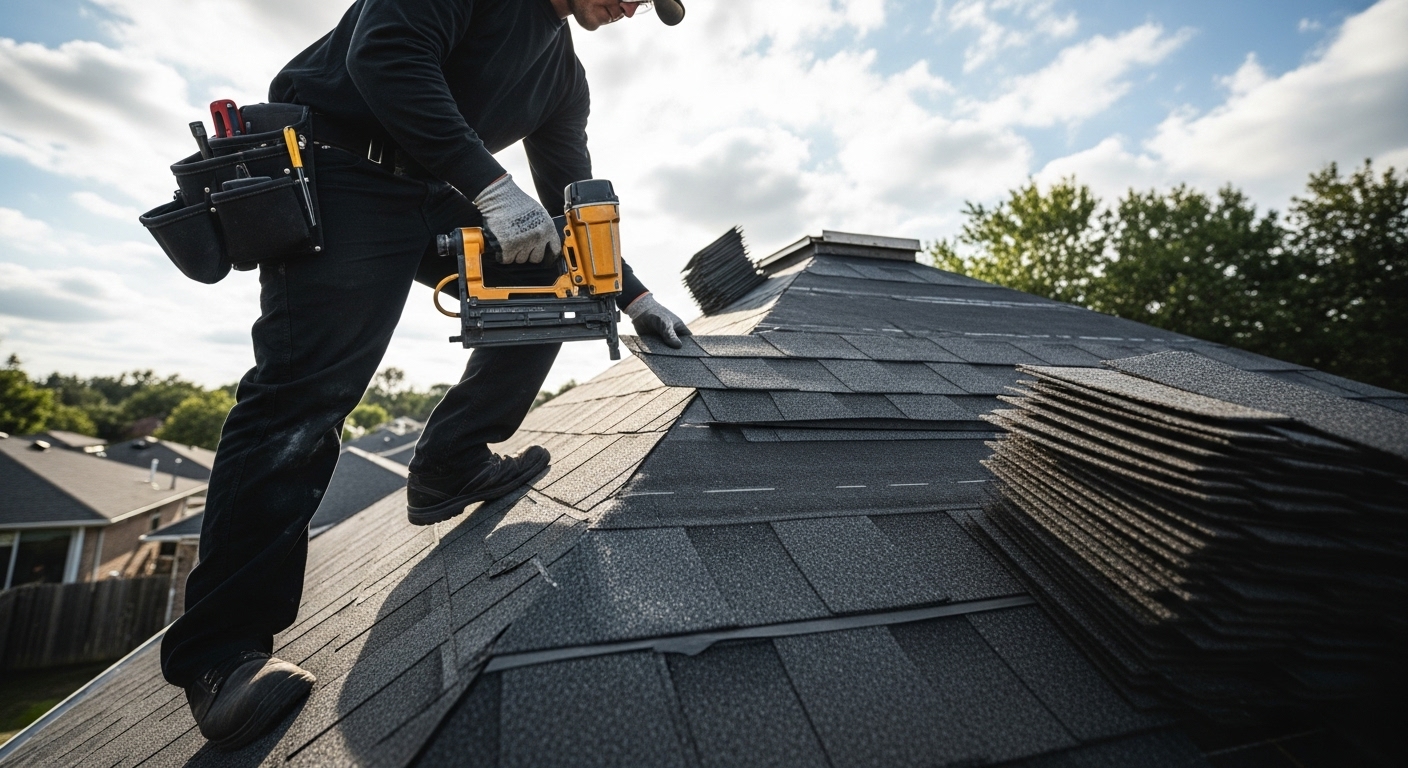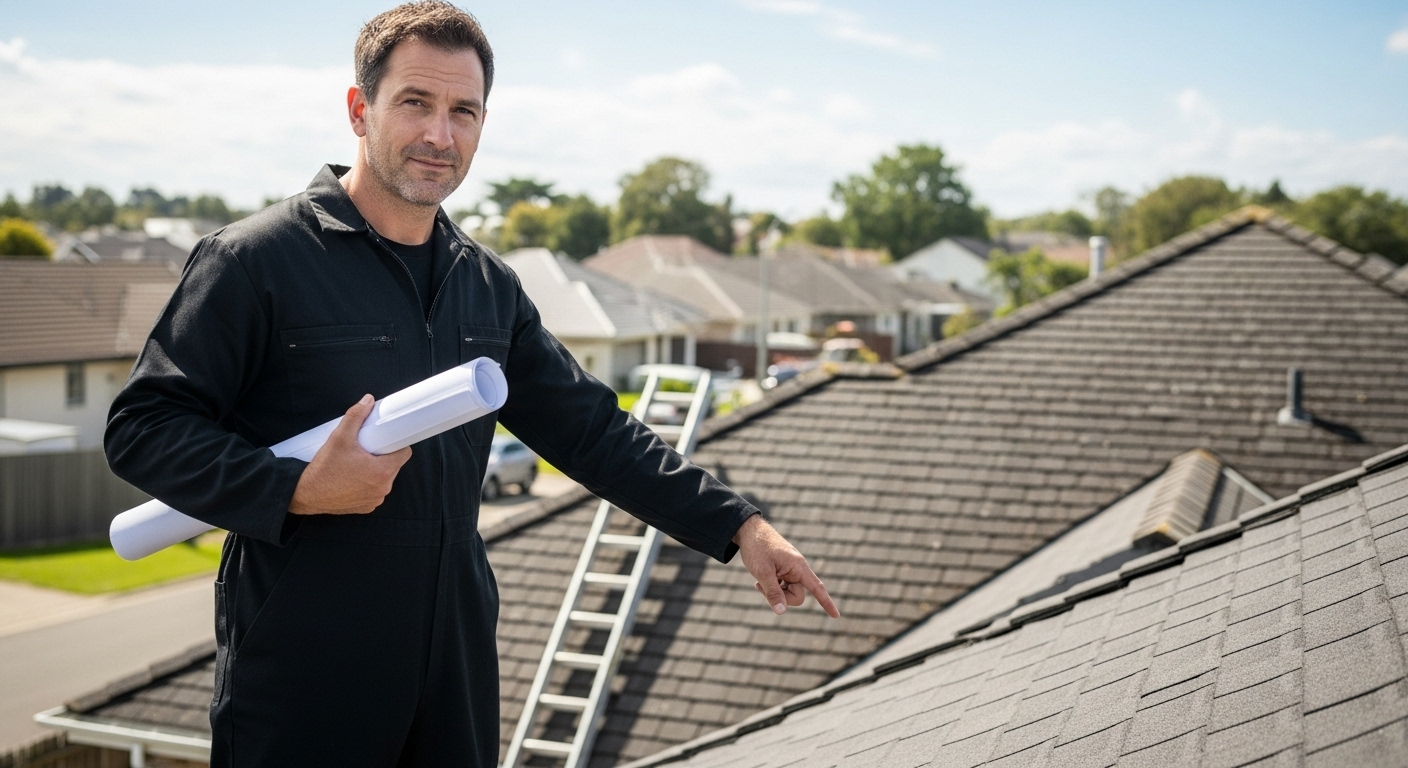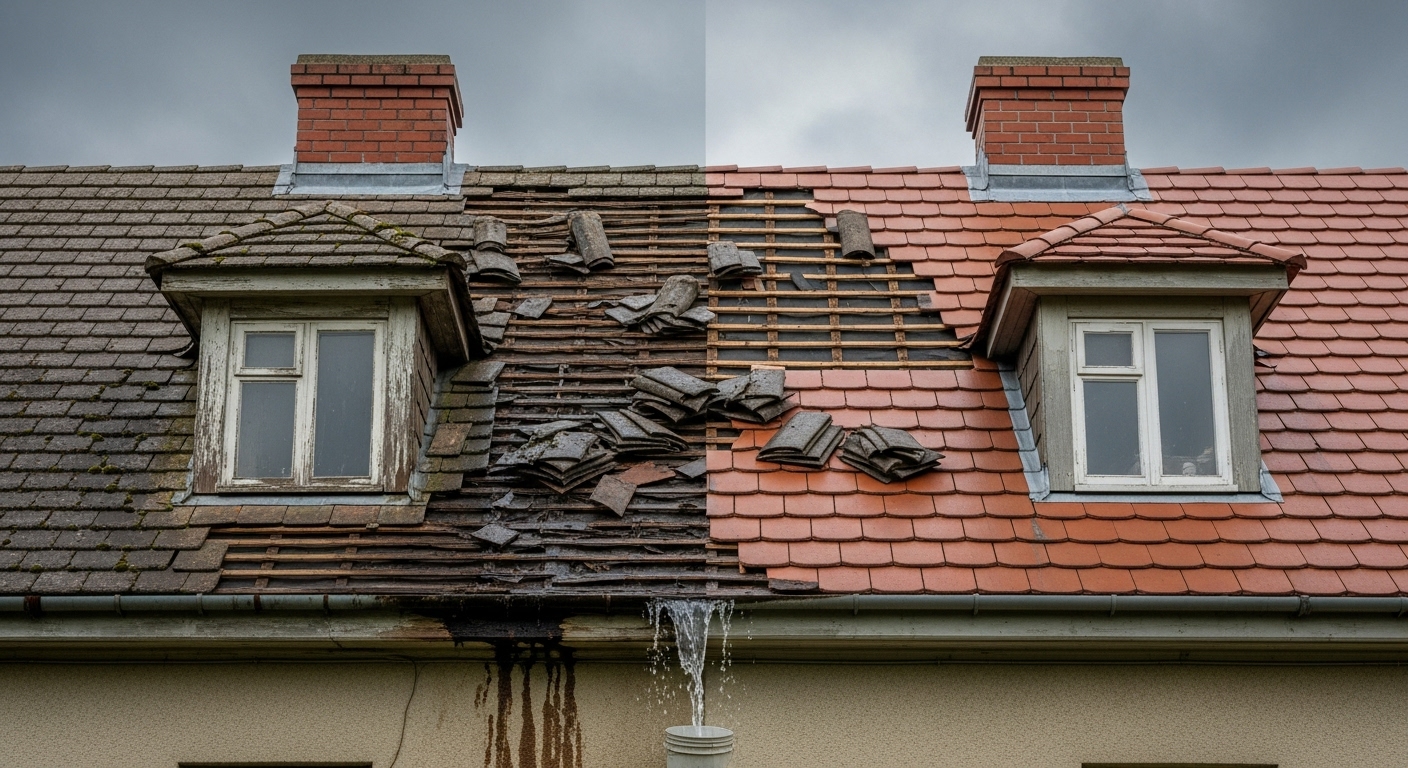
After years of working with homeowners, one pattern shows up again and again: the costliest roofing problems usually start with hesitation. A roof doesn’t fail overnight. It slowly loses its ability to protect your home, regulate temperature, and manage moisture. When early signs are ignored, what could have been a timely decision often turns into a far bigger issue. Choosing a roof replacement sooner rather than later is often the difference between a controlled upgrade and unexpected damage. Your roof plays a major role in more than just keeping rain out. It directly affects your home’s heating performance. When roofing materials degrade, gaps form and insulation effectiveness drops. Warm air escapes in colder months, forcing heating systems to work harder to maintain indoor comfort. Over time, this constant strain can shorten the lifespan of heating equipment and create uneven temperatures throughout the house. Homeowners may blame the heater, but the real issue often starts above their heads. Small roofing problems quietly compound. A minor leak can dampen insulation, reducing its ability to retain heat. Moisture trapped in attic spaces can interfere with proper airflow, making heating systems less efficient. As these issues build, energy usage increases while comfort decreases. At that point, delaying action usually leads to higher repair needs across multiple systems, not just the roof. Midway through a roof’s decline, warning signs become more consistent. Drafts near ceilings, fluctuating indoor temperatures, and rooms that never seem to warm evenly are common complaints. These symptoms are often linked to roofing failure rather than heating failure alone. Addressing the source with a roof replacement restores the home’s thermal envelope, allowing heating systems to perform as designed instead of compensating for lost efficiency. There’s also a seasonal risk factor. Roofing issues tend to reveal themselves during extreme weather, when heating is working its hardest. A compromised roof during colder months increases the chance of moisture intrusion, heat loss, and interior damage. Emergency situations rarely offer good timing or flexibility. Proactive replacement eliminates that risk and provides stability year-round. From a long-term perspective, replacing an aging roof is about protecting the entire home system. Roofing, insulation, ventilation, and heating all work together. When one fails, the others are forced to compensate. That imbalance leads to wear, discomfort, and avoidable stress. Making the decision earlier keeps those systems aligned and functioning efficiently.
Frequently Asked Questions
Why does an old roof affect my heating system?
An aging roof allows heat to escape through gaps, damaged insulation, and poor ventilation, forcing heating systems to work harder to maintain indoor temperatures.
Can roof issues really increase heating strain?
Yes. Heat loss through the roof reduces efficiency, which can cause longer heating cycles and uneven warmth throughout the home.
Is replacing the roof better than repeated repairs?
When problems become recurring, replacement often provides a more stable, long-term solution that supports both structural protection and heating efficiency.
What’s the risk of waiting too long?
Delaying replacement increases the likelihood of interior damage, insulation failure, and added stress on heating systems during critical seasons.
If your home struggles to stay warm or you’ve noticed ongoing roofing concerns, now is the moment to act. Scheduling a professional evaluation and planning a roof replacement protects your home, supports your heating system, and helps you avoid paying far more later for problems that could have been prevented today.