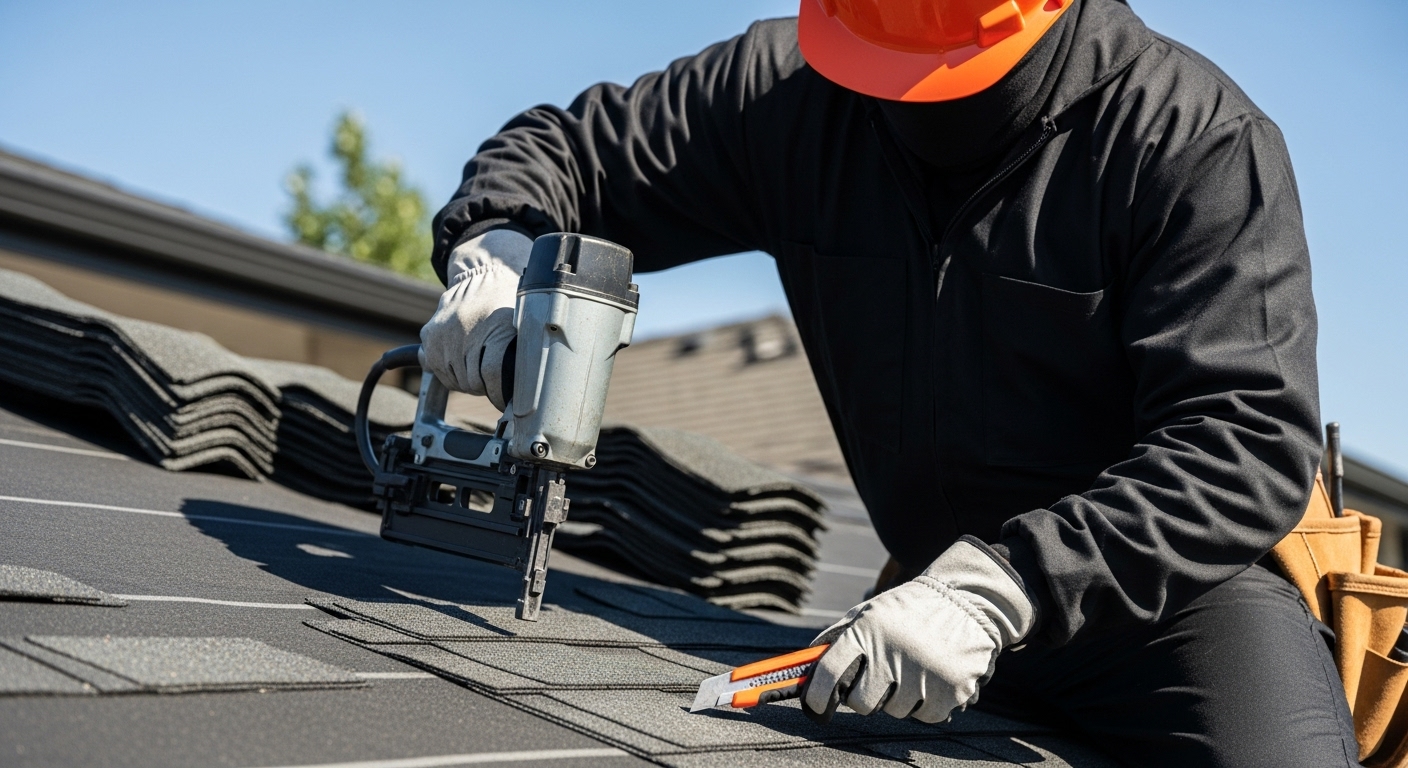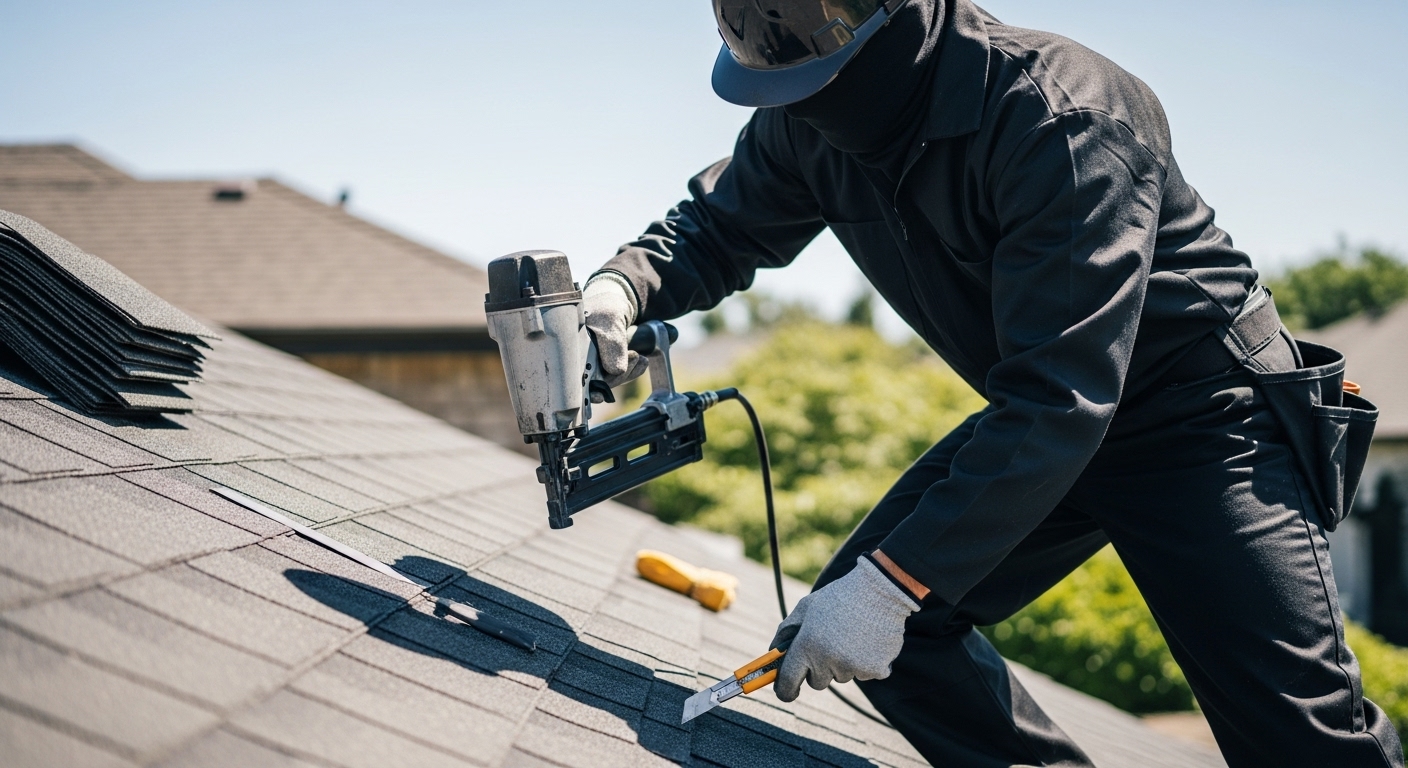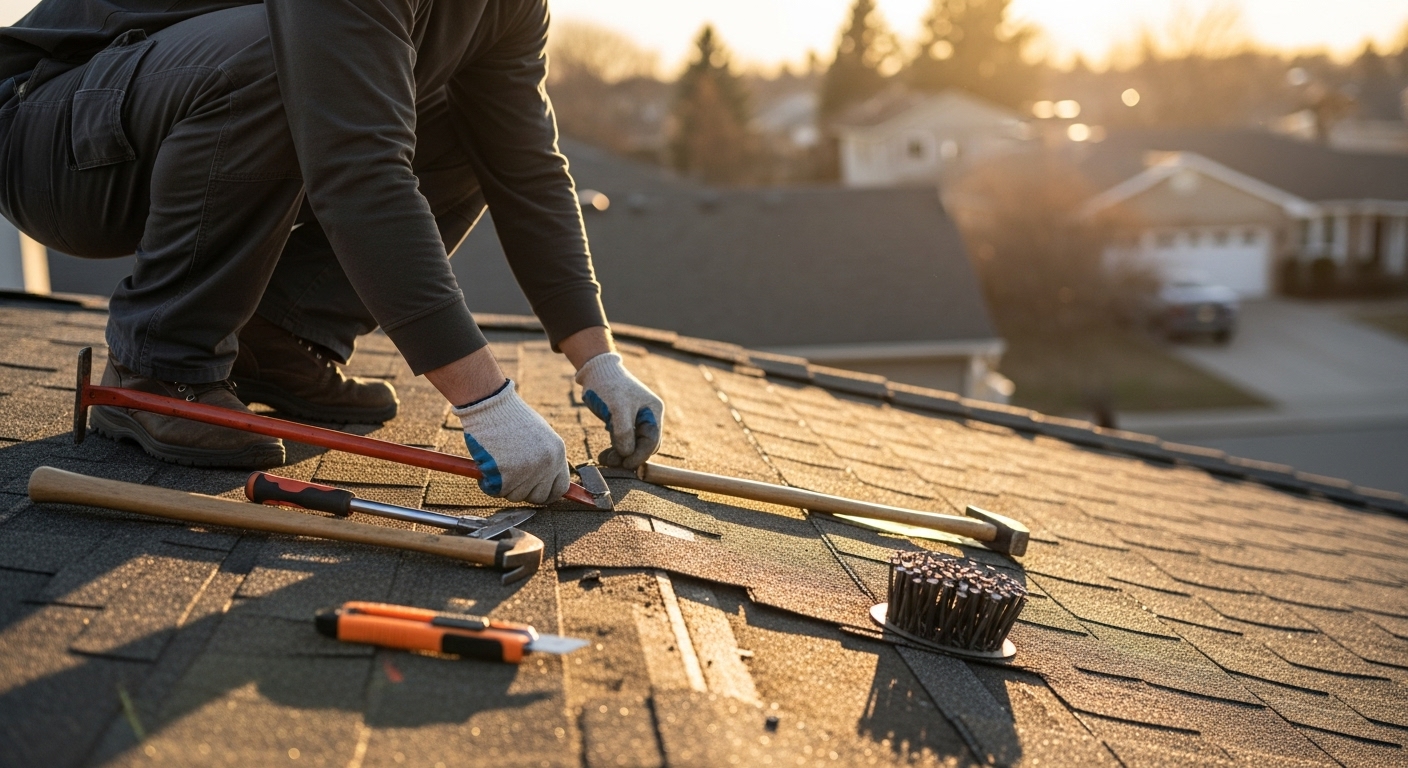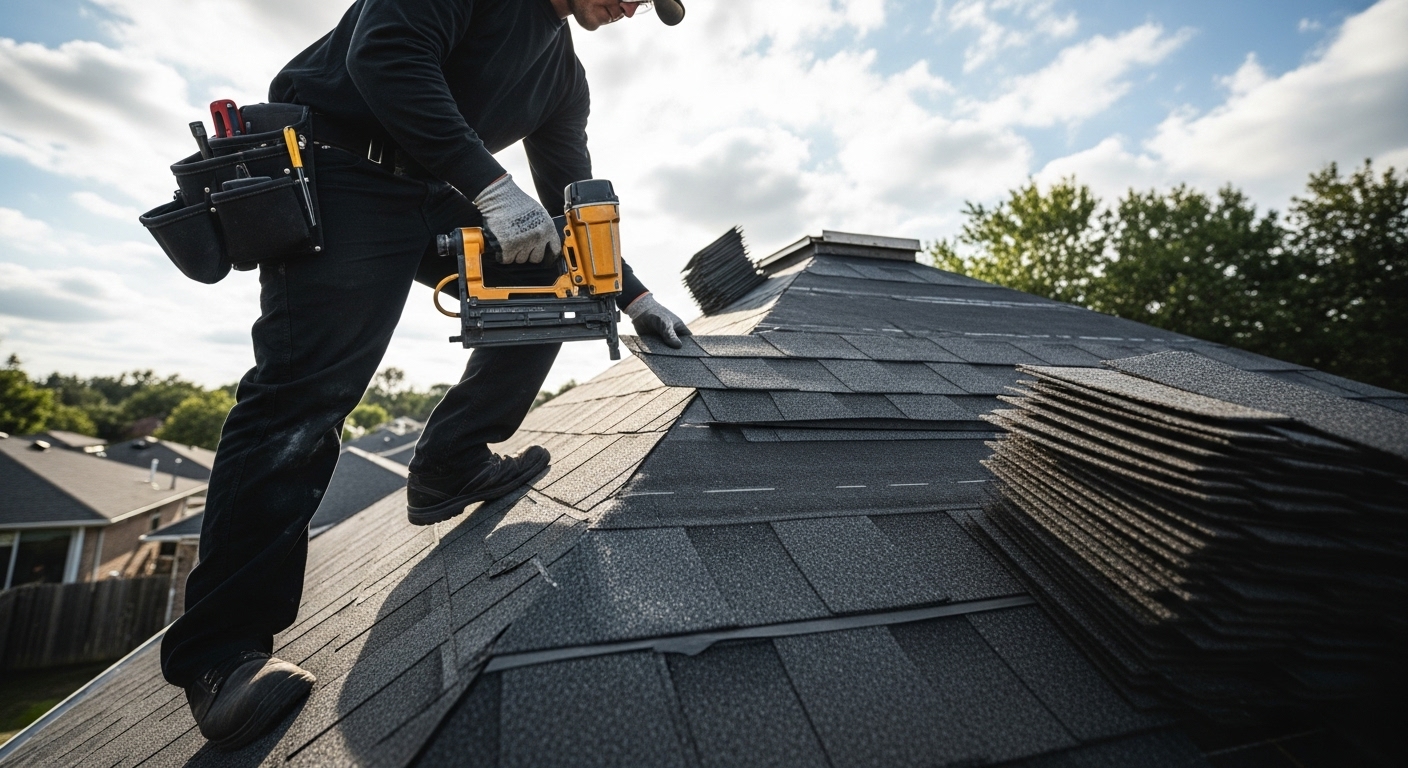
When homeowners talk about peace of mind, they’re usually thinking about what they don’t want to worry about—leaks during storms, cold drafts in winter, or sudden repairs that disrupt daily life. From years of hands-on experience, one thing is clear: choosing to replace your roof at the right moment removes a long list of future concerns. A roof that’s past its prime may still look “fine” from the street, but its ability to protect your home is often already compromised. Roofing materials naturally break down over time. Sun exposure dries them out, temperature changes cause expansion and contraction, and moisture slowly finds weak points. None of this happens all at once, which is why many homeowners underestimate the risk. The real issue is that damage often develops beneath the surface—inside insulation layers, attic spaces, and structural components—long before it becomes visible indoors.
Why Roof Replacement Supports Comfort and Heating Performance
One of the biggest hidden costs of an aging roof is heat loss. Warm air rises, and if the roof above it is worn or poorly sealed, that heat escapes quickly. Homeowners may notice that heating systems seem to run longer, rooms feel unevenly warm, or comfort drops during colder months. In many cases, the heating unit isn’t failing—it’s compensating for a roof that no longer holds warmth inside efficiently. Moisture plays a role as well. Even small leaks can reduce insulation effectiveness, making it harder for your home to retain heat. Once insulation is compromised, heating systems are forced to work harder to maintain consistent temperatures. Over time, this constant strain affects overall comfort and reliability. That’s why deciding to replace your roof isn’t just about stopping leaks; it’s about restoring balance between roofing, insulation, ventilation, and heating. There’s also a long-term durability factor. Repeated repairs may solve isolated problems, but they don’t reset the condition of the roof as a whole. As materials continue to age, repairs become less effective and more frequent. Replacement provides a fresh start, creating a solid protective system designed to perform consistently year after year. A new roof also supports healthier indoor conditions. Proper airflow helps control moisture, reduces condensation, and prevents heat buildup in attic spaces. When everything works together, your home feels more stable, quieter, and easier to maintain—especially during seasonal extremes.
Frequently Asked Questions
How does replacing my roof provide peace of mind?
A new roof reduces the risk of leaks, improves insulation performance, and minimizes unexpected issues that can disrupt daily life.
Can an old roof affect my heating system?
Yes. Heat loss through worn roofing materials can force heating systems to work harder to keep your home comfortable.
Is replacement better than ongoing roof repairs?
When repairs become frequent, replacement offers a more reliable and long-lasting solution for overall home protection.
Will a new roof improve indoor comfort?
Most homeowners notice more consistent temperatures, fewer drafts, and better overall comfort after replacement.
If your roof is aging or your home no longer feels as comfortable as it should, now is the right time to act. Choosing to replace your roof protects your structure, supports your heating system, and delivers lasting peace of mind—so you can focus on enjoying your home instead of worrying about what’s happening above it.