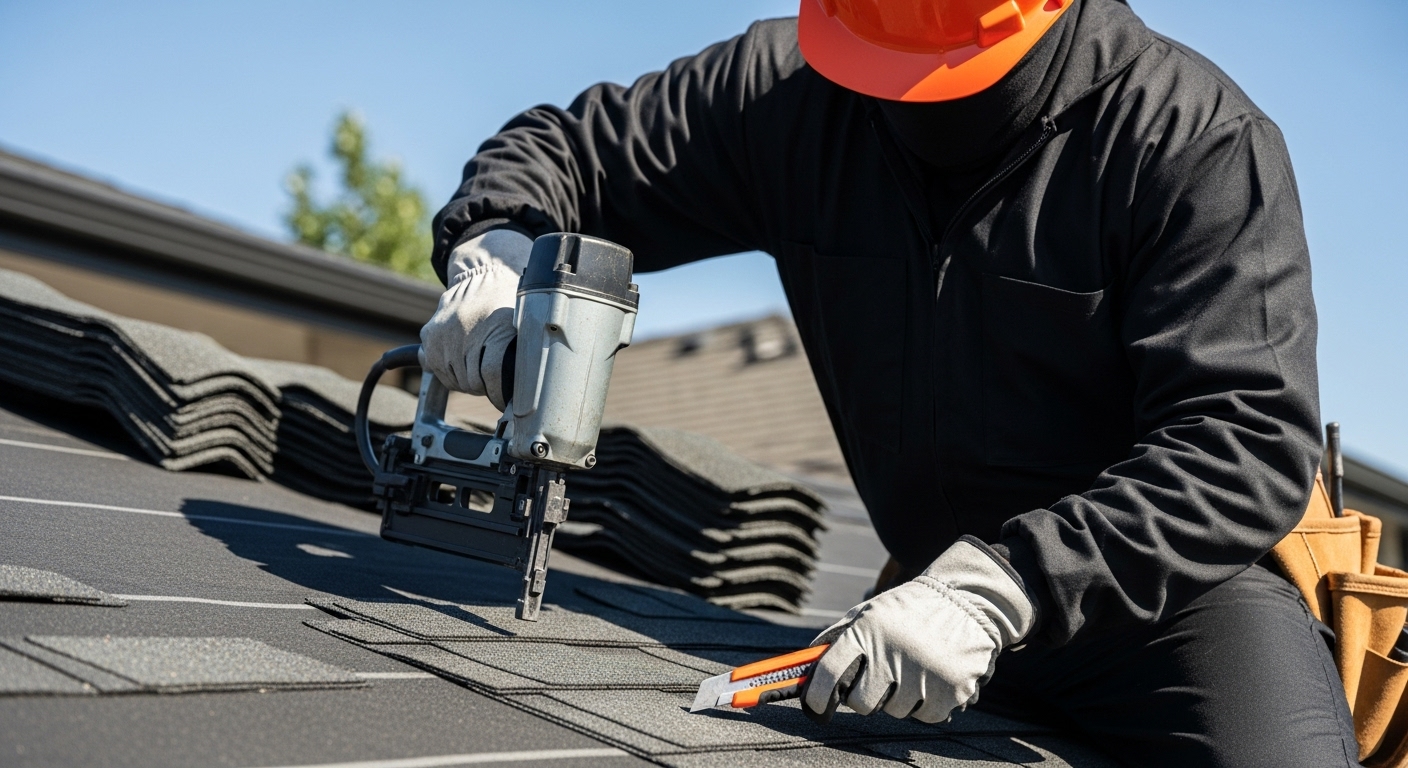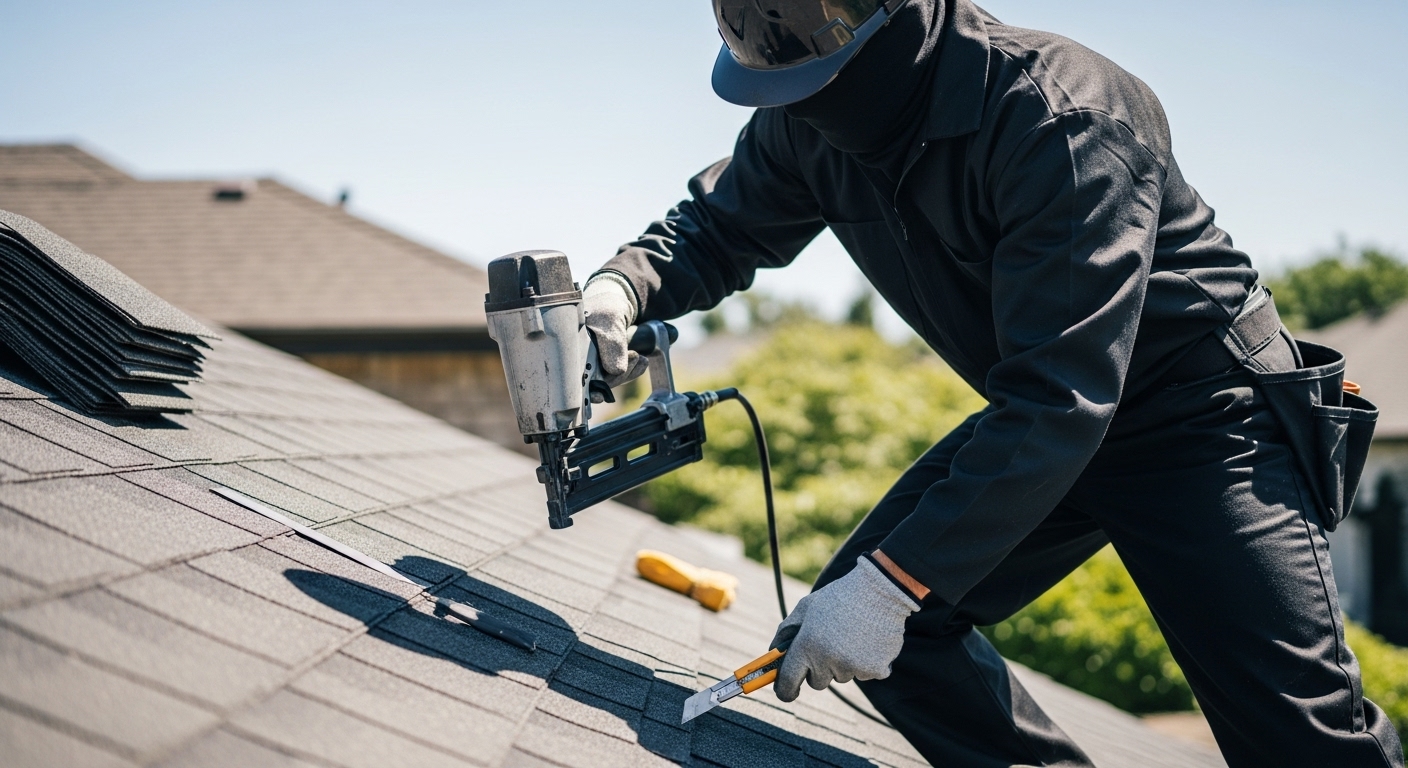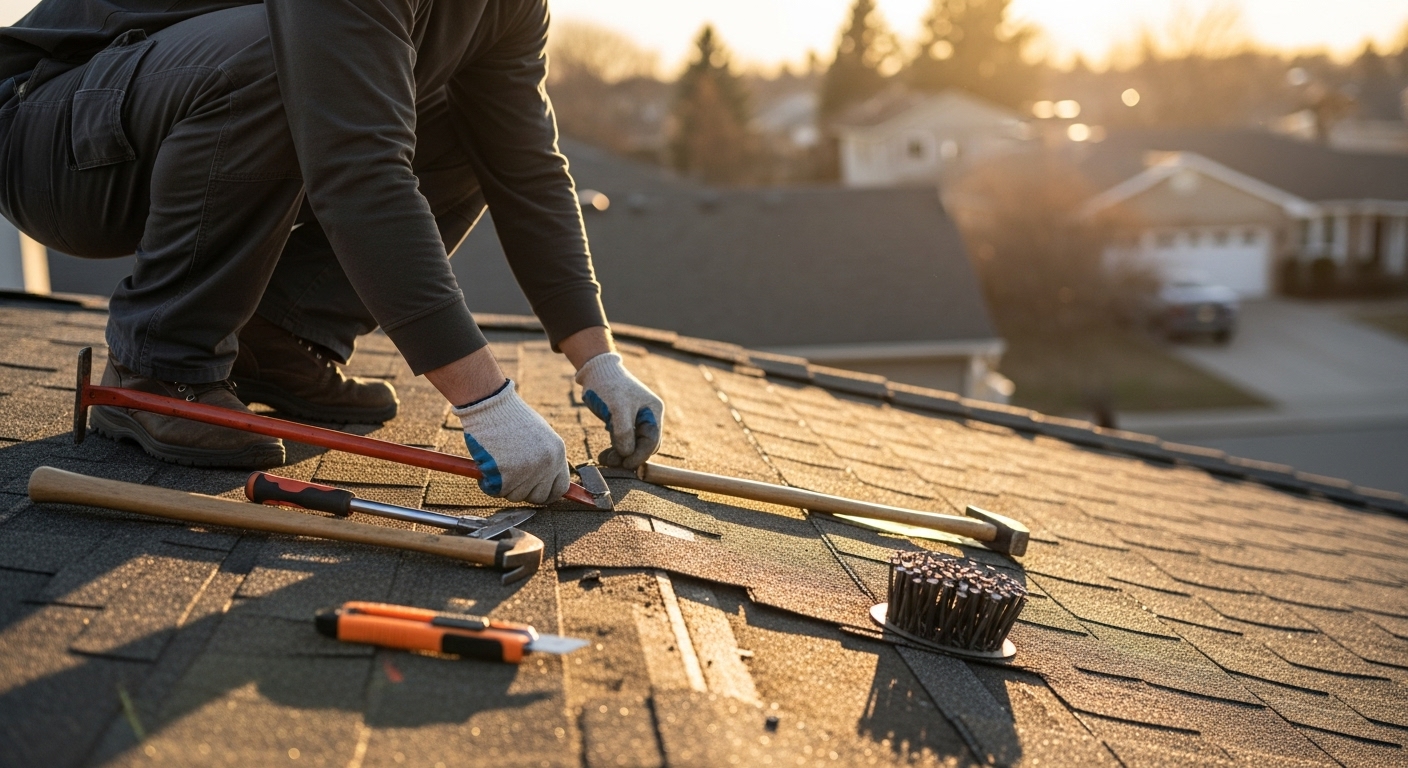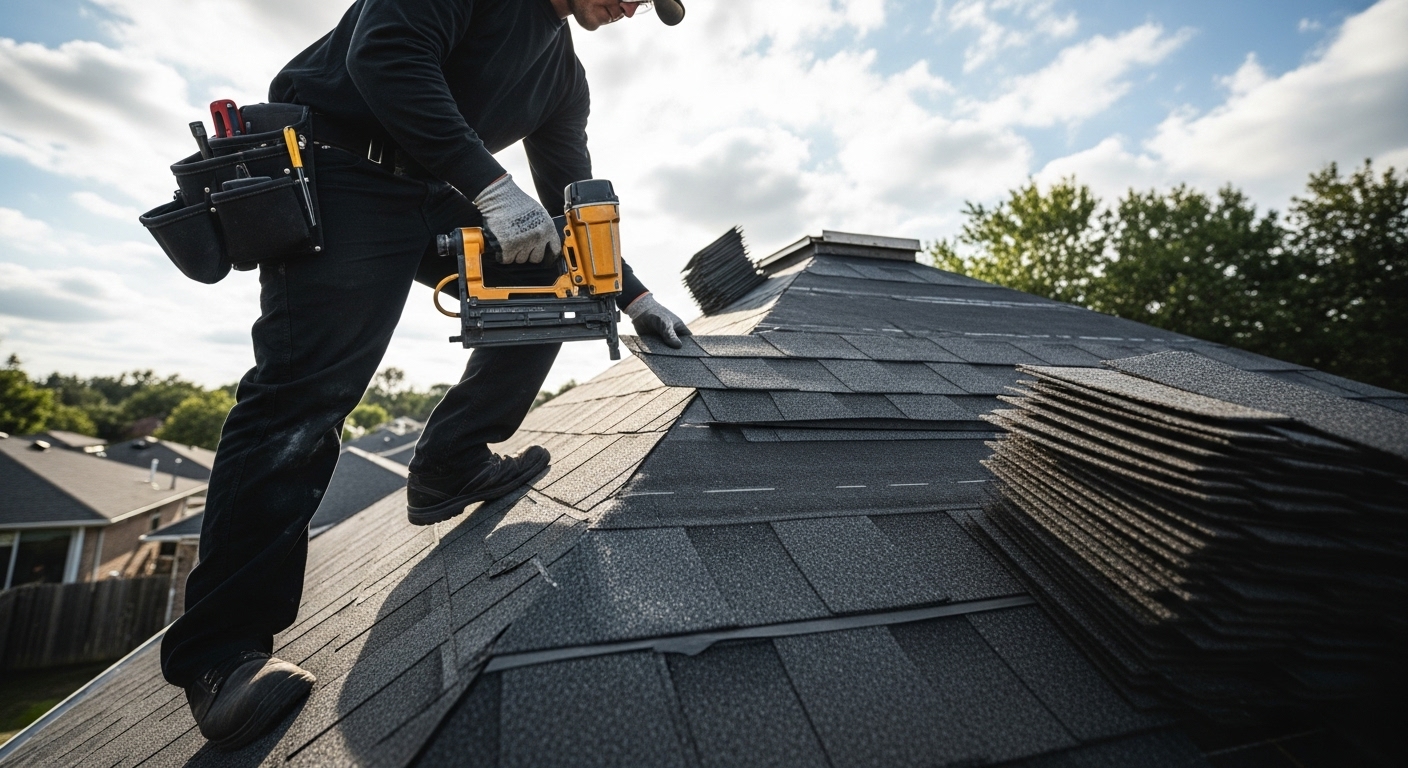
Living and working around homes every day, I’ve learned that roofing problems rarely announce themselves loudly at first. They start quietly. A small stain on the ceiling. A shingle that looks slightly out of place. A drip that only shows up after heavy rain. These early signs are easy to ignore, but they’re often the first warning that it may be time to consider a roof replacement. When those subtle issues are left alone, they don’t stay small for long.
A roof is constantly exposed to sun, wind, temperature changes, and moisture. Over time, materials naturally break down. Even a well-installed roof reaches a point where repairs become temporary solutions rather than real fixes. What starts as a minor leak can slowly soak insulation, weaken wood decking, and invite mold into places you can’t see. By the time the damage becomes obvious inside the home, the repair is usually far more involved than replacing the roof earlier would have been.
Homeowners often tell me they’re waiting for “one more season” or “one more year.” I get it. Replacing a roof feels like a big decision. But in many cases, waiting only increases the risk. Water doesn’t pause. It keeps moving, spreading, and finding new paths. That’s why addressing roofing concerns early is about protecting the entire structure of your home, not just the shingles on top.
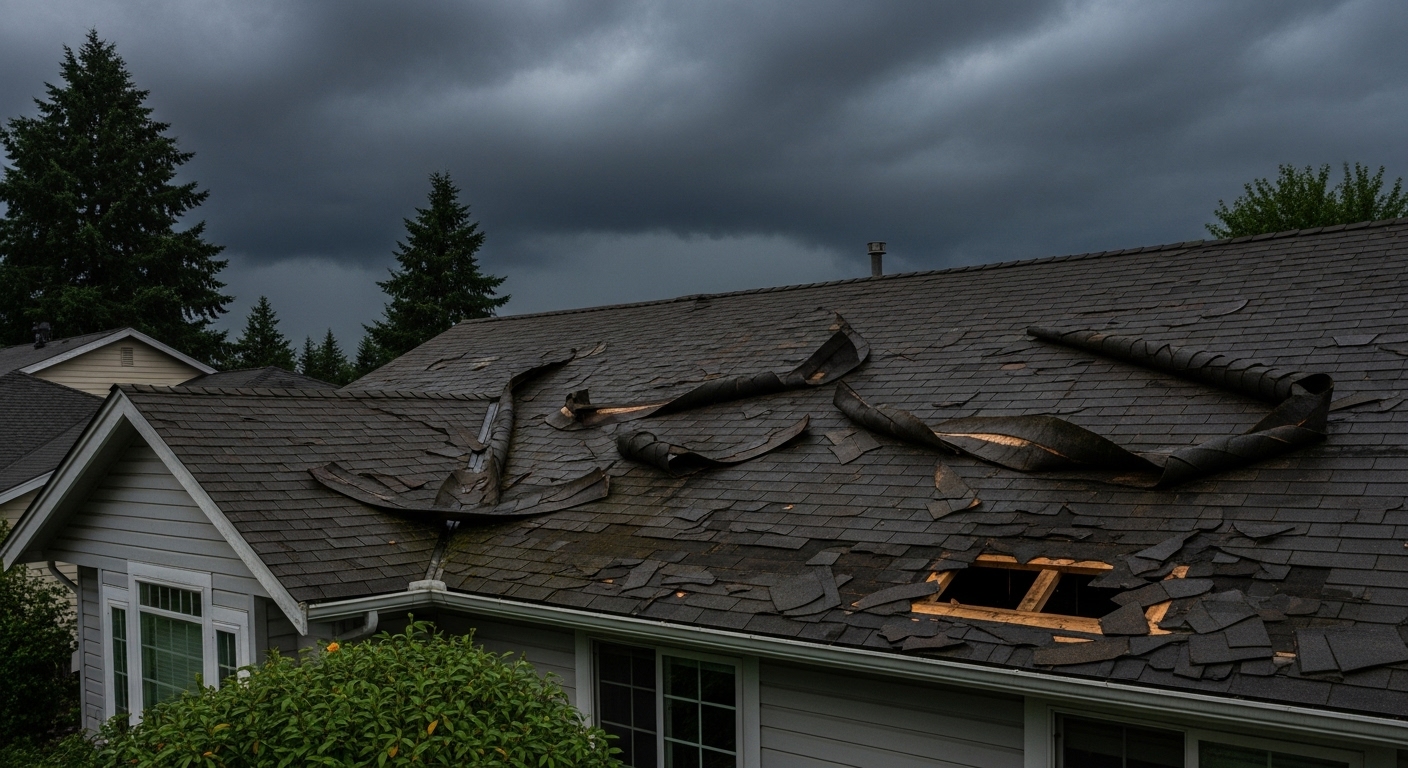
As a roof reaches the later part of its lifespan, warning signs become more frequent. Shingles may curl or crack. Granules may collect in gutters. Indoor temperatures may feel harder to control. These signals usually mean the roof is no longer performing as it should. At this stage, a professional evaluation often confirms that a roof replacement is the smarter long-term solution, providing stability and peace of mind instead of ongoing patchwork repairs.
Comfort is another factor many homeowners don’t expect. A solid roof helps regulate indoor temperatures, blocks moisture, and supports proper ventilation. When a roof is past its prime, drafts, higher energy usage, and uneven comfort throughout the home become more noticeable. Replacing the roof restores that protective barrier and allows the home to function the way it was designed to.
Most importantly, proactive decisions prevent emergencies. No one wants to deal with interior damage in the middle of a storm. Planning ahead means the work happens on your schedule, not during a stressful situation where time and options are limited.
Frequently Asked Questions
How can I tell if small roof damage is becoming a serious issue?
If leaks keep returning, stains grow larger, or shingles show widespread wear, the damage is likely more than cosmetic. These signs often point to underlying issues that repairs can no longer fully resolve.
Is it better to replace a roof before it starts leaking?
Yes. Replacing a roof before active leaks appear helps prevent damage to insulation, framing, and interior finishes, which are often affected long before water becomes visible inside the home.
Can a new roof really make a noticeable difference?
Absolutely. Homeowners often experience improved comfort, fewer maintenance concerns, and greater confidence during severe weather once a new roof is installed.
What happens if I delay replacing an aging roof?
Delaying increases the risk of structural damage and unexpected repairs. Over time, what could have been a planned project can turn into an urgent and costly situation.