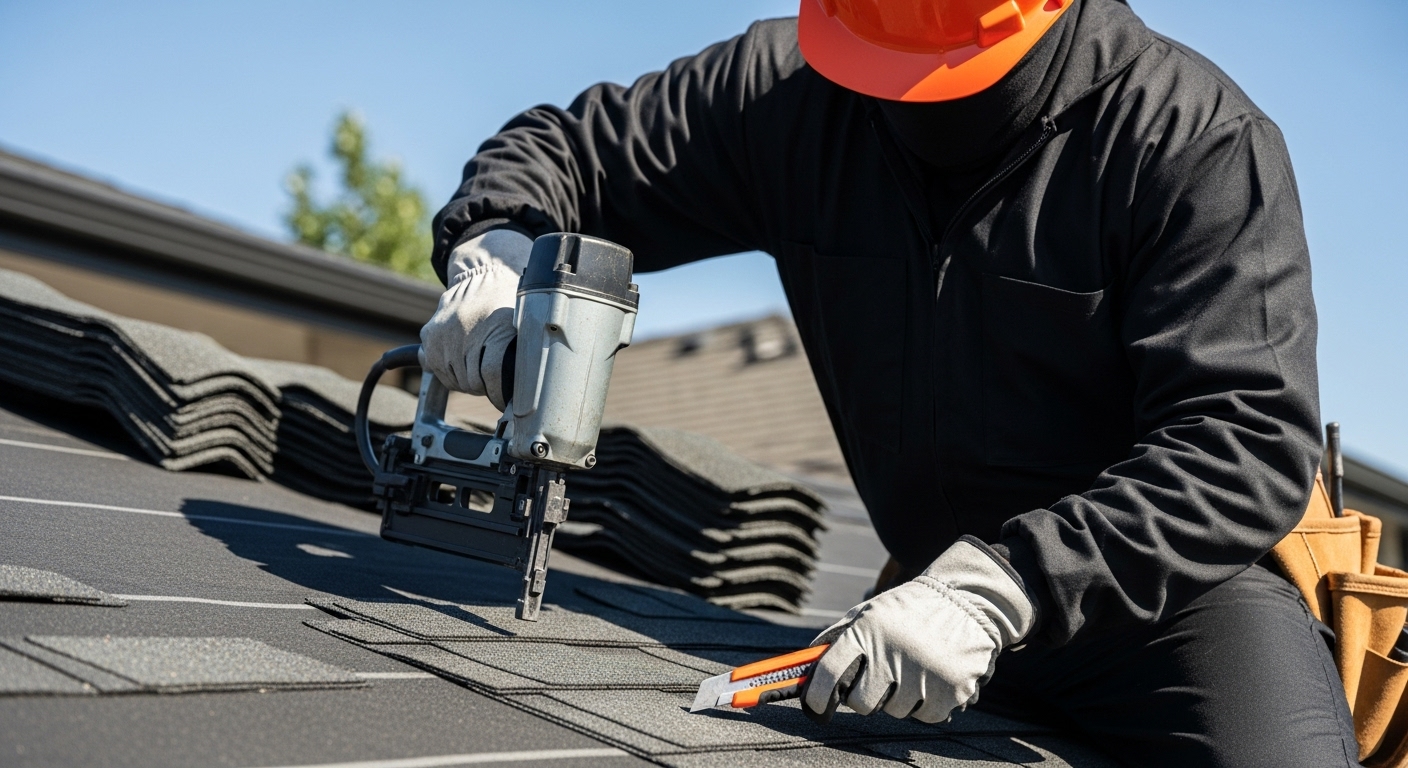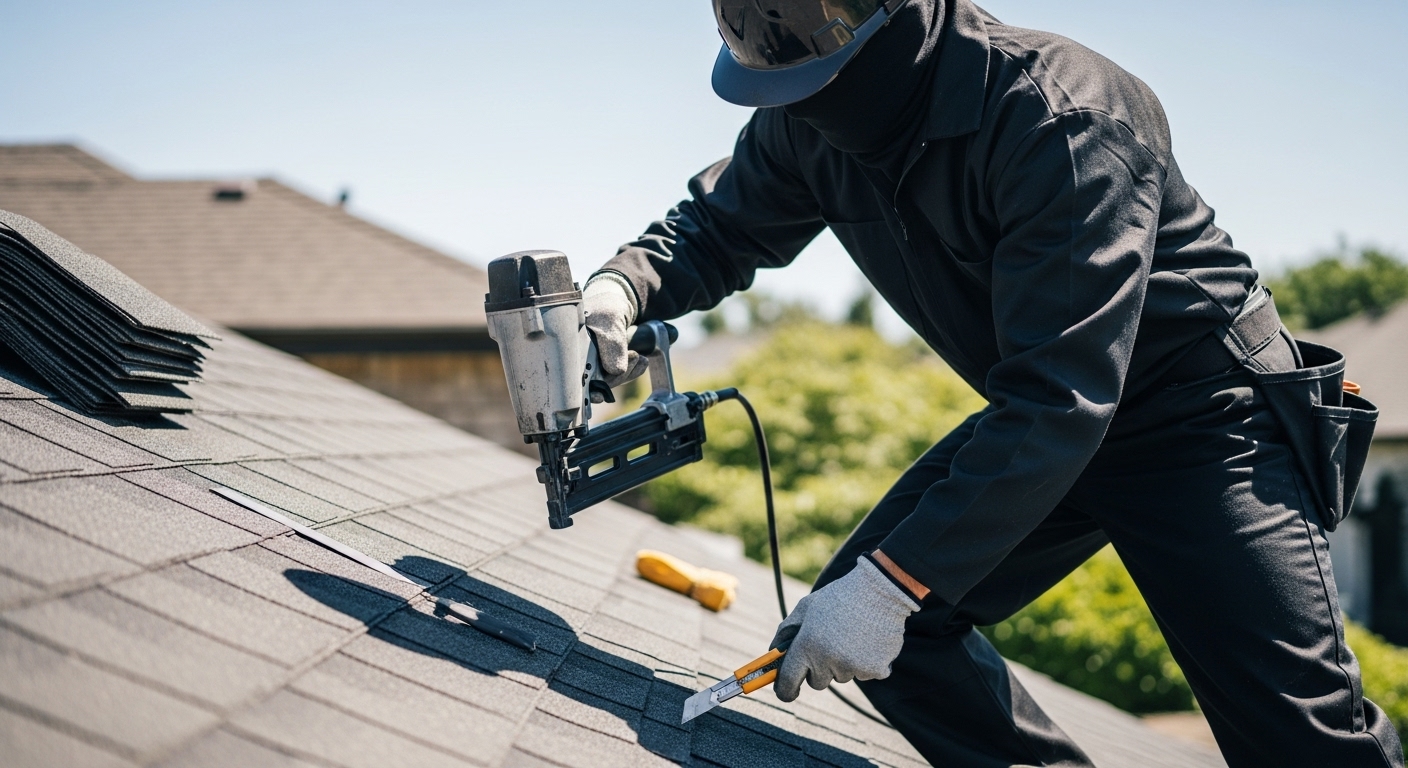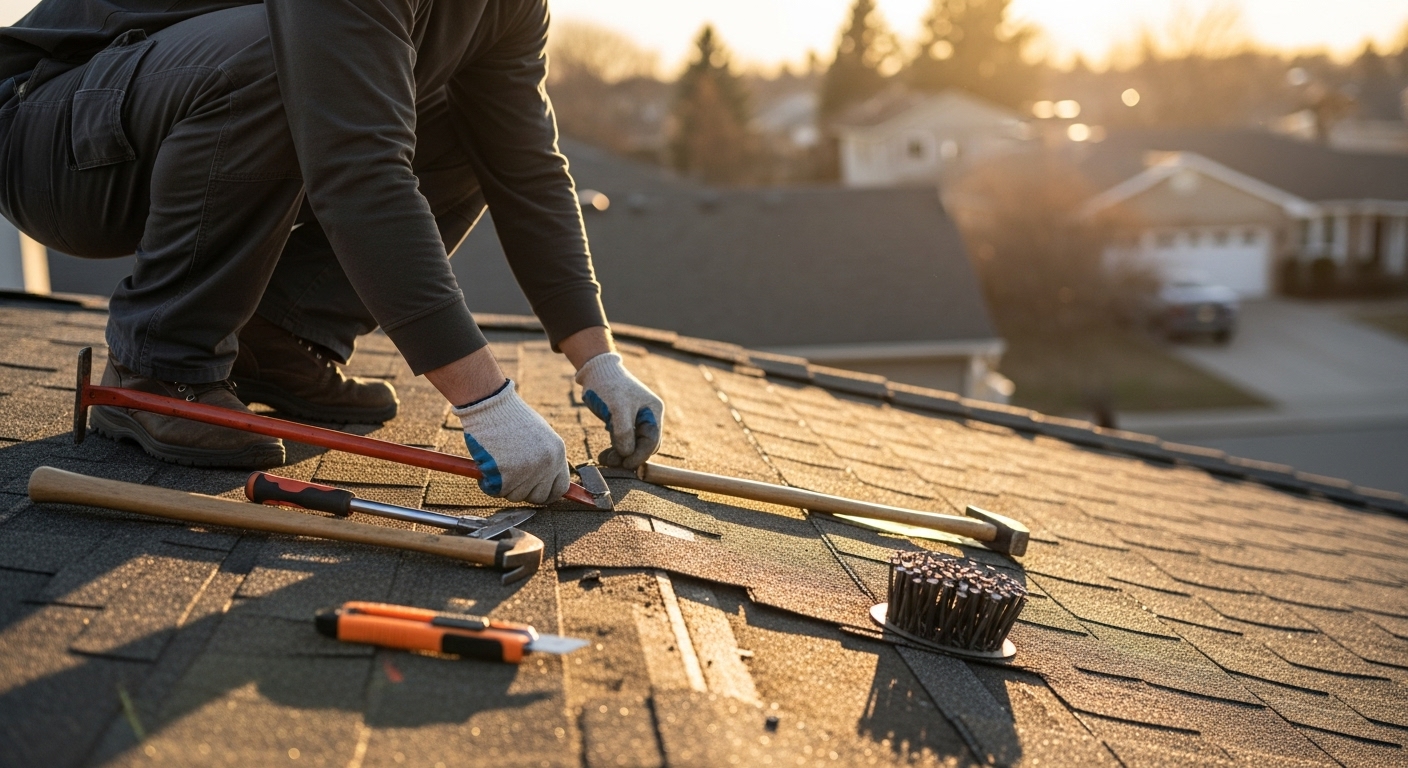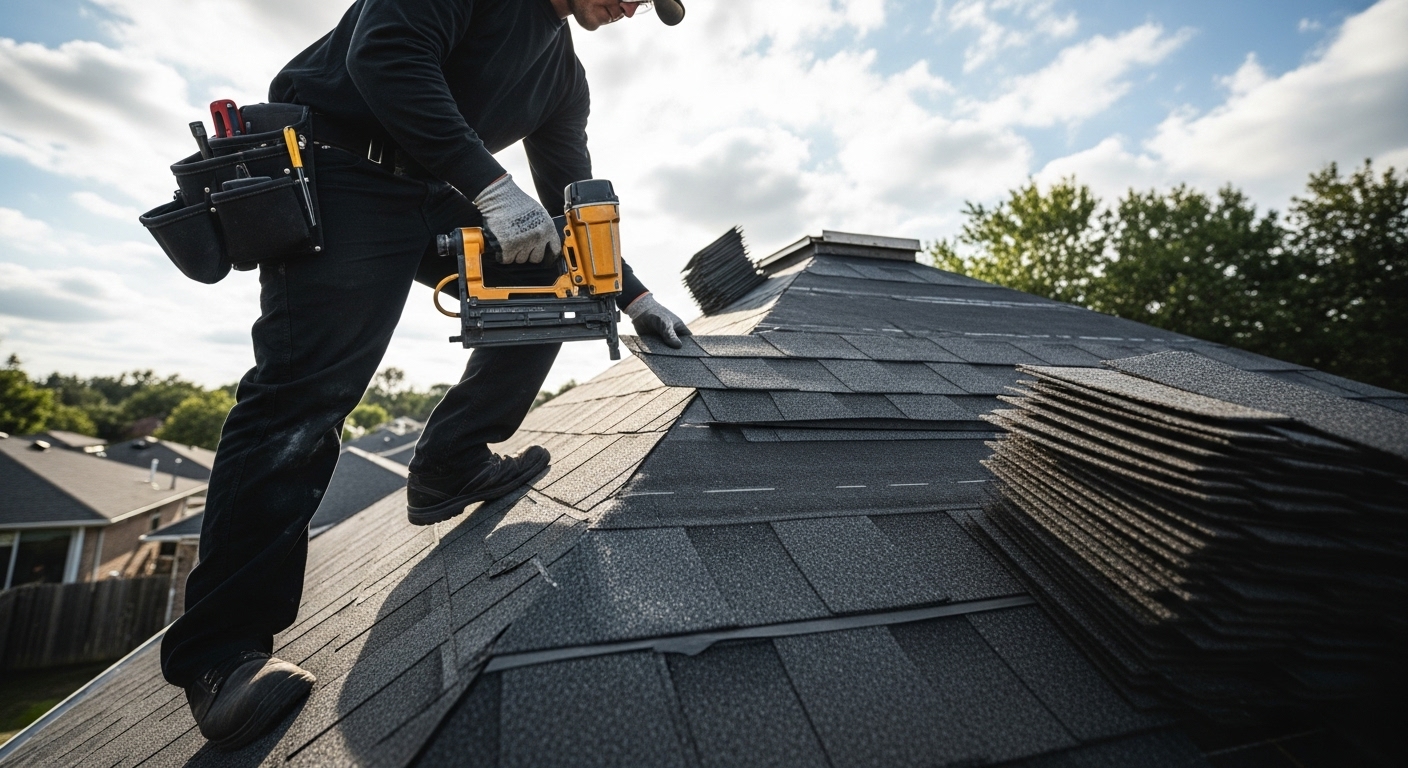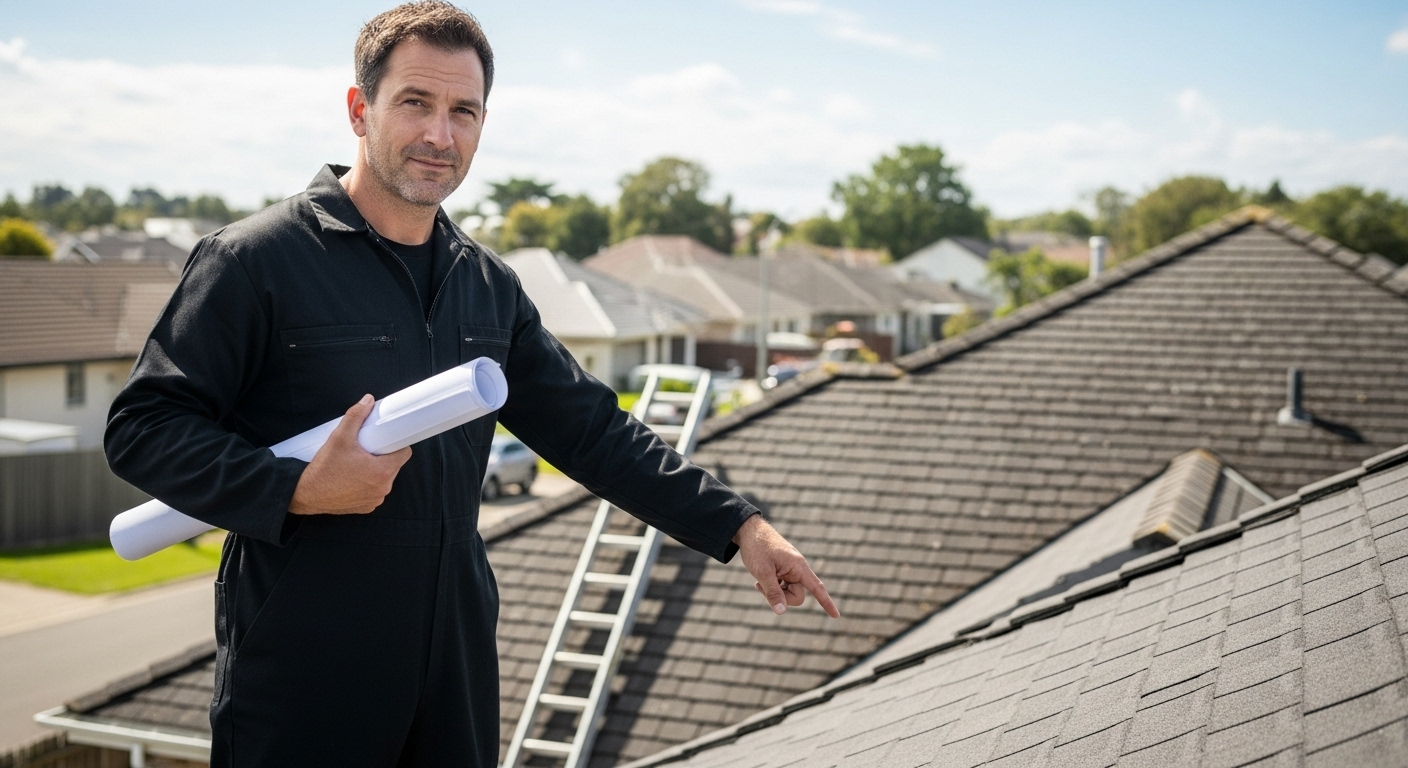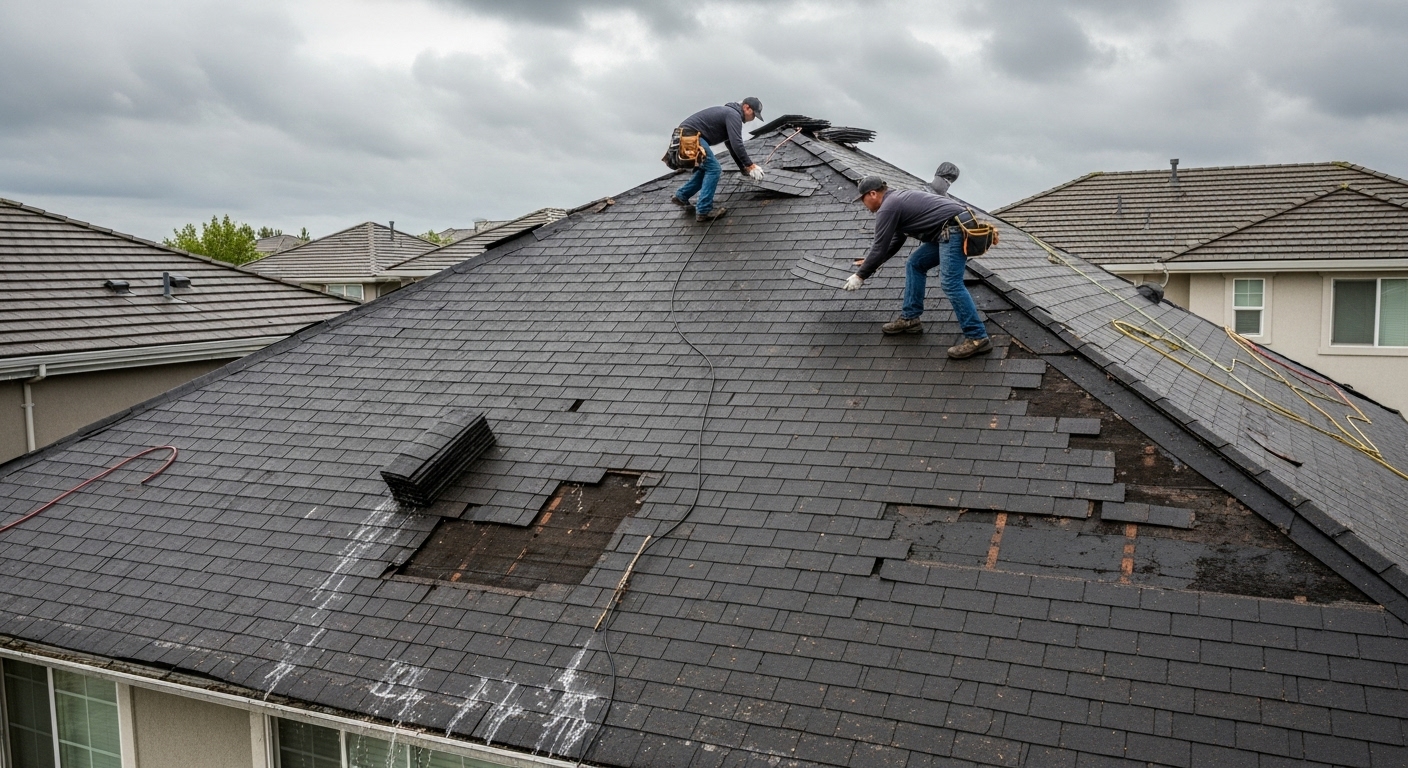
Leaks have a way of turning small concerns into constant stress. They don’t just show up during storms; they linger in the back of your mind every time clouds roll in. After years of working with homeowners, I’ve seen how often that anxiety traces back to a roof that’s simply past its reliable years. Deciding to replace your roof is often the moment when that worry finally disappears—not because the problem was dramatic, but because it was quietly growing for a long time. Roof leaks rarely start as obvious openings. They usually begin with worn materials, aging seals, or flashing that no longer expands and contracts the way it should. Water finds its way in slowly, soaking insulation and traveling along framing before it ever reaches a ceiling. By the time a stain appears indoors, the damage has often spread further than expected. That’s why leaks feel unpredictable—they’ve been active long before you noticed them.
How Roof Leaks Affect Comfort and Heating
What many homeowners don’t realize is how closely leaks are tied to heating performance. Once moisture reaches insulation, its ability to hold warmth drops significantly. Warm air escapes faster through damp or compressed insulation, forcing heating systems to work longer to maintain the same temperature. Rooms may feel unevenly warm, and comfort becomes harder to control, especially during colder months. This is where repeated repairs often fall short. Patching a visible leak may stop water temporarily, but it doesn’t restore insulation that’s already been affected or address widespread material wear. Over time, small leaks tend to multiply, creating more entry points and increasing the strain on both the roof and the heating system. Choosing to replace your roof addresses the entire system at once, eliminating hidden vulnerabilities instead of chasing symptoms. A new roof also restores confidence in your home’s ability to handle weather. Properly installed materials, updated underlayment, and balanced ventilation work together to manage moisture before it becomes a problem. That protection isn’t just about stopping water—it’s about maintaining consistent indoor temperatures and reducing the stress placed on heating equipment. Beyond comfort, there’s peace of mind. When homeowners know their roof is solid, they stop checking ceilings after every storm and stop wondering if the next cold season will bring new issues. That sense of reliability is one of the biggest benefits of replacement, and it’s something repairs alone rarely provide once a roof reaches a certain age.
Frequently Asked Questions
Why do roof leaks keep coming back after repairs?
Recurring leaks often indicate widespread material aging. Repairs may fix isolated spots but can’t restore the roof’s overall condition.
Can roof leaks affect heating efficiency?
Yes. Moisture-damaged insulation allows heat to escape, forcing heating systems to work harder to maintain comfort.
Is it better to replace a roof before leaks become visible?
Replacing earlier helps prevent hidden damage to insulation and structural components before leaks reach interior spaces.
Will a new roof really stop leak-related stress?
Most homeowners feel immediate relief knowing their roof is fully protected and no longer a constant concern.
If leaks are already on your mind—or you’re worried they might be—this is the right time to take control. Choosing to replace your roof protects your home, supports your heating system, and lets you stop worrying about what the next storm might bring. Peace of mind starts from the top, and it lasts far longer than another temporary fix.